Chef Isabel
Abanico Ibérico a la Plancha
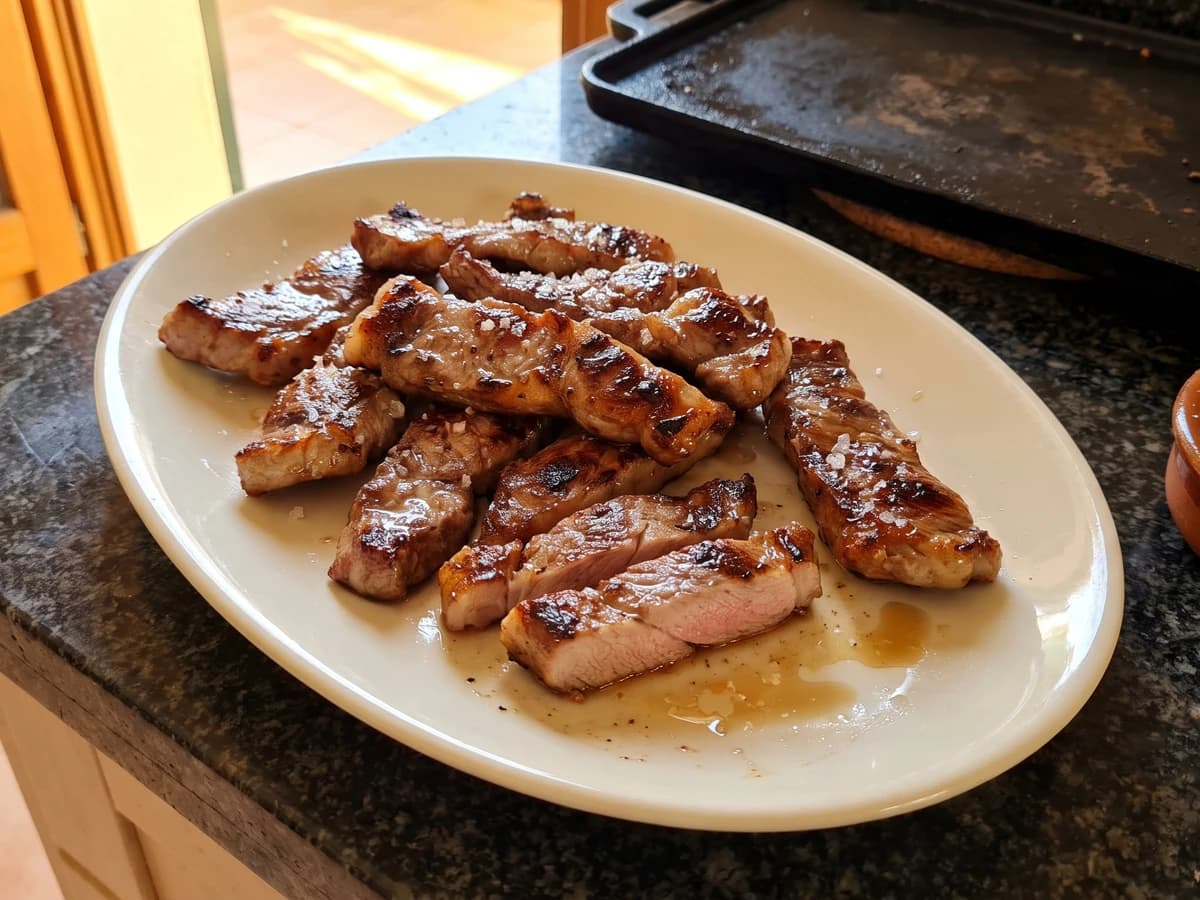
Extremadura's dehesa gives us this fan-shaped, marbled rib cut: salt it at the last moment, lay it on a fierce plancha, and count in seconds so the centre stays juicy.
A cooking platform built around craft, culture, and the stories behind what we eat.
Created by
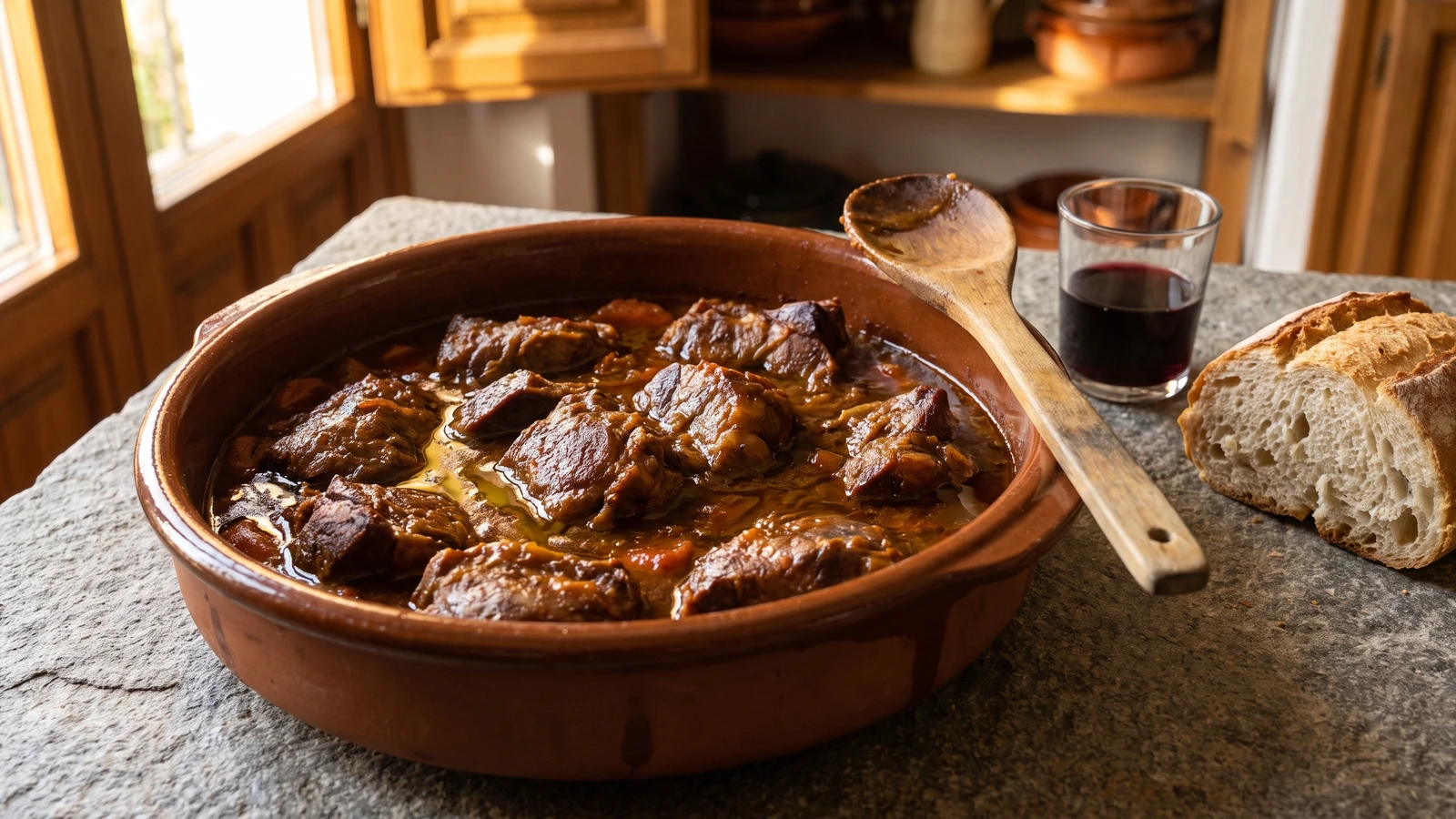
Jabalí estofado belongs to Sierra Morena: lean wild boar, softened overnight in red wine and mountain herbs, then braised patiently over a dark Andalusian sofrito until a spoon can part it.
Jabalí estofado de Sierra Morena is Andalusian mountain cooking: lean, dark wild boar rested overnight in red wine, garlic, bay, thyme, and rosemary, then braised on a patient sofrito until the sauce turns mahogany and the meat yields to a spoon. The wine-and-herb adobo, or marinade, and the long covered cooking mark it as a hunting-country stew of the sierra, not an everyday pork casserole.
The point that decides it comes after the pot is assembled. Keep the liquid at the barest tremble, never a rolling boil. Wild boar is lean, but its shoulder and neck carry connective tissue that needs time to soften. Fierce boiling tightens the meat before that work is done, and three impatient hours still leave it tough. I cook it until a spoon can press a piece apart, not until the clock declares victory.
If wild boar is difficult to find, use the same weight of boneless pork shoulder. It will be sweeter, fattier, and gentler in flavour, so begin checking it forty-five minutes earlier and skim the extra fat before reducing the sauce. Use good canned whole tomatoes when fresh ones are pale and hard. No hace falta haber pisado España, you don't need to have set foot in Spain, but you do need sound meat and a dry wine you'd willingly drink.
Make the stew a day ahead if you can. The sauce settles around the meat overnight and comes back darker and rounder when reheated slowly. The Margin beside this one says, "que apenas hierva," let it barely simmer. Follow that and it comes out. Siempre sale, si lo sigues.
Across Sierra Morena, the mountain range running along northern Andalucía, wild boar entered the rural pot through the montería, the organized hunt that supplied meat too lean and firm for quick cooking. Cooks tempered its strong character with an adobo of wine, garlic, bay, and mountain herbs, then cooked shoulder and neck in covered pots; when prepared in a large cauldron for a hunting party, the same family of stew is called caldereta. Long cooking tenderized the hard-working cuts, while the concentrated sauce allowed a limited amount of meat to feed a full table.
Quantity
1.5kg
trimmed of silver skin and cut into 4cm pieces
Quantity
750ml
Quantity
4 cloves
lightly crushed
Quantity
3
divided between the marinade and stew
Quantity
6 sprigs
divided between the marinade and stew
Quantity
1 small sprig
Quantity
8
lightly crushed
Quantity
15g
divided
Quantity
75ml
divided
Quantity
350g
finely diced
Quantity
180g
cut into 1cm dice
Quantity
3 cloves
finely chopped
Quantity
250g
grated or crushed
Quantity
5g
Quantity
350ml
Quantity
15ml
Quantity
up to 150ml
| Ingredient | Quantity |
|---|---|
| boneless wild boar shoulder or necktrimmed of silver skin and cut into 4cm pieces | 1.5kg |
| dry red wine | 750ml |
| garlic cloves for the marinadelightly crushed | 4 cloves |
| bay leavesdivided between the marinade and stew | 3 |
| fresh thymedivided between the marinade and stew | 6 sprigs |
| fresh rosemary | 1 small sprig |
| black peppercornslightly crushed | 8 |
| fine sea saltdivided | 15g |
| extra virgin olive oildivided | 75ml |
| onionsfinely diced | 350g |
| carrotscut into 1cm dice | 180g |
| garlic cloves for the sofritofinely chopped | 3 cloves |
| ripe tomatoes or canned whole peeled tomatoesgrated or crushed | 250g |
| sweet pimentón de la Vera | 5g |
| unsalted beef or game stock | 350ml |
| vinagre de Jerez | 15ml |
| water (optional) | up to 150ml |
Put the wild boar in a non-reactive bowl or food-safe bag with the red wine, four crushed garlic cloves, two bay leaves, four thyme sprigs, the rosemary, peppercorns, and 12g of the salt. The meat should sit mostly beneath the wine. Cover and refrigerate for 12 to 18 hours, turning it once if the pieces are not completely submerged. Do not leave it longer than 24 hours, because the wine begins to make the outside of the meat coarse.
Set a sieve over a saucepan and drain the meat, reserving every drop of marinade. Discard the spent garlic, herbs, and peppercorns. Pat the meat thoroughly dry with kitchen paper. Bring the reserved marinade to a full boil, skim off the grey foam, and boil uncovered for 10 minutes. Reduce it to about 500ml, then set it aside. Never use a raw meat marinade without boiling it first.
Heat 45ml of the olive oil in a 5 to 6 litre heavy casserole over medium-high heat. Brown the boar in four batches, leaving space between the pieces, for 3 to 4 minutes per batch. Turn each piece until two or three sides carry a deep brown crust. Move the browned meat to a bowl. Don't crowd the pot, or the released liquid will simmer the meat grey instead of browning it.
Lower the heat and add the remaining 30ml olive oil, the onions, carrots, and remaining 3g salt. Cook gently for 25 to 30 minutes, stirring often, until the onion is dark gold, soft, and nearly jammy. Add the chopped garlic and cook for 2 minutes. Add the tomato and cook for another 12 to 15 minutes, until its water has gone and the oil begins to show around the edges. Take the pot off the heat, stir in the pimentón for 20 seconds, and return it immediately to low heat so the spice doesn't burn.
Pour in the boiled marinade and scrape the browned juices from the bottom of the pot. Simmer for 5 minutes. Return the meat and its collected juices, then add the stock, remaining bay leaf, and remaining two thyme sprigs. The liquid should reach roughly two-thirds of the way up the meat. Add only enough of the optional water to reach that level, never enough to drown it.
Bring the stew just to a simmer, cover it, and place it in an oven heated to 150°C. Braise for 2 hours 45 minutes, turning the meat once halfway through. Begin checking at that point and continue for up to another 30 minutes if needed. It is ready when a spoon can press through a piece without force. If the meat is still tough, it needs more time, not more heat.
Lift the tender meat into a covered bowl and discard the bay leaf and thyme stems. Blend the softened sofrito and cooking liquid until smooth, then boil it uncovered for 10 to 20 minutes, until glossy and thick enough to coat the back of a spoon. Stir in the vinagre de Jerez, return the meat, and taste for salt. Take the pot off the heat and let it rest for 20 minutes before serving.
1 serving (about 400g)
Culinary guides, cultural storytelling, and the editorial depth that makes cooking meaningful.
Discover Culinary ExplorerChef Isabel
Extremadura's dehesa gives us this fan-shaped, marbled rib cut: salt it at the last moment, lay it on a fierce plancha, and count in seconds so the centre stays juicy.
Chef Isabel
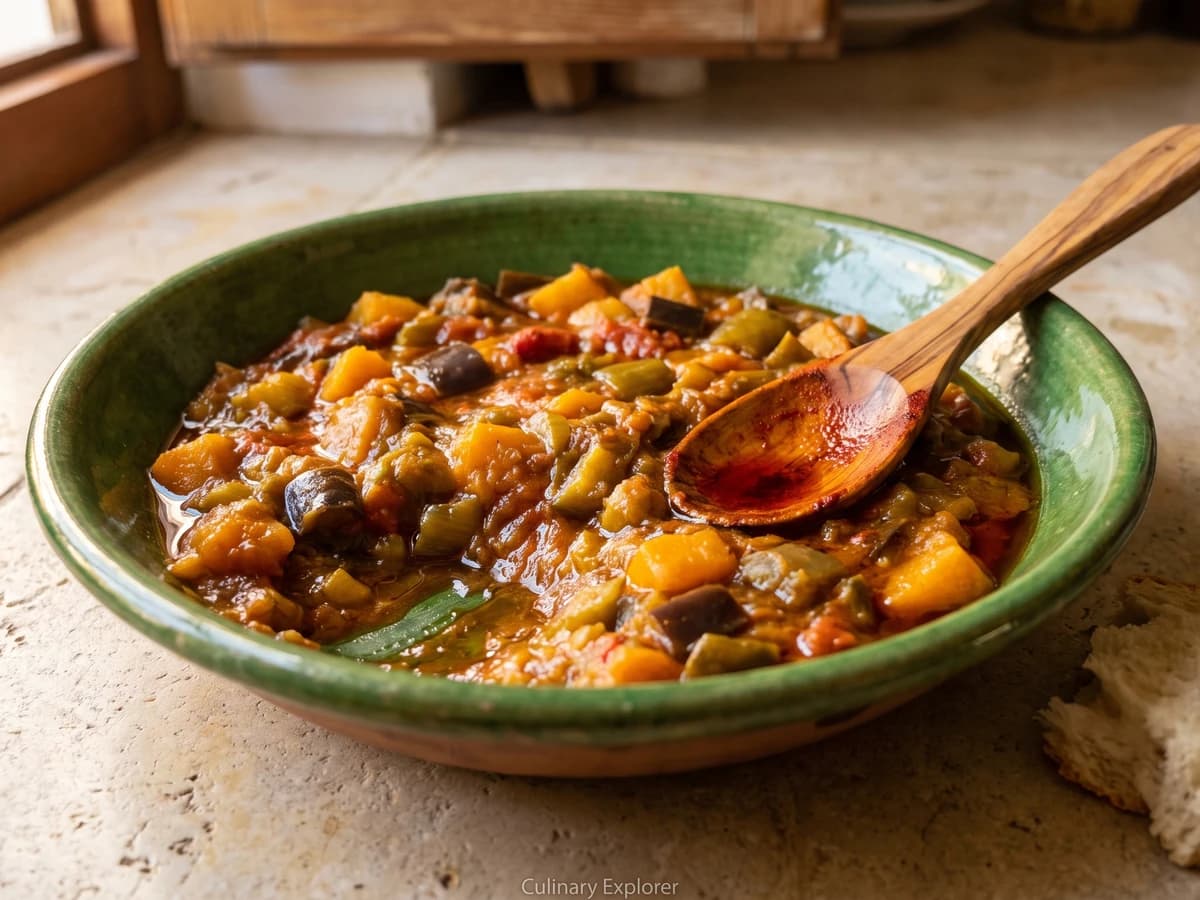
Alboronía is Andalucía's old pumpkin and aubergine stew, deepened with tomato, pimentón, and cumin, then cooked without hurry until the vegetables settle into a glossy, sweet, spoon-soft whole.

Chef Isabel
Aletría Murciana is Murcia's humble noodle guiso: fine fideos, pork ribs, potato, saffron, and a dark sweet sofrito. Get that base right and the pot knows where it's going.
Chef Isabel
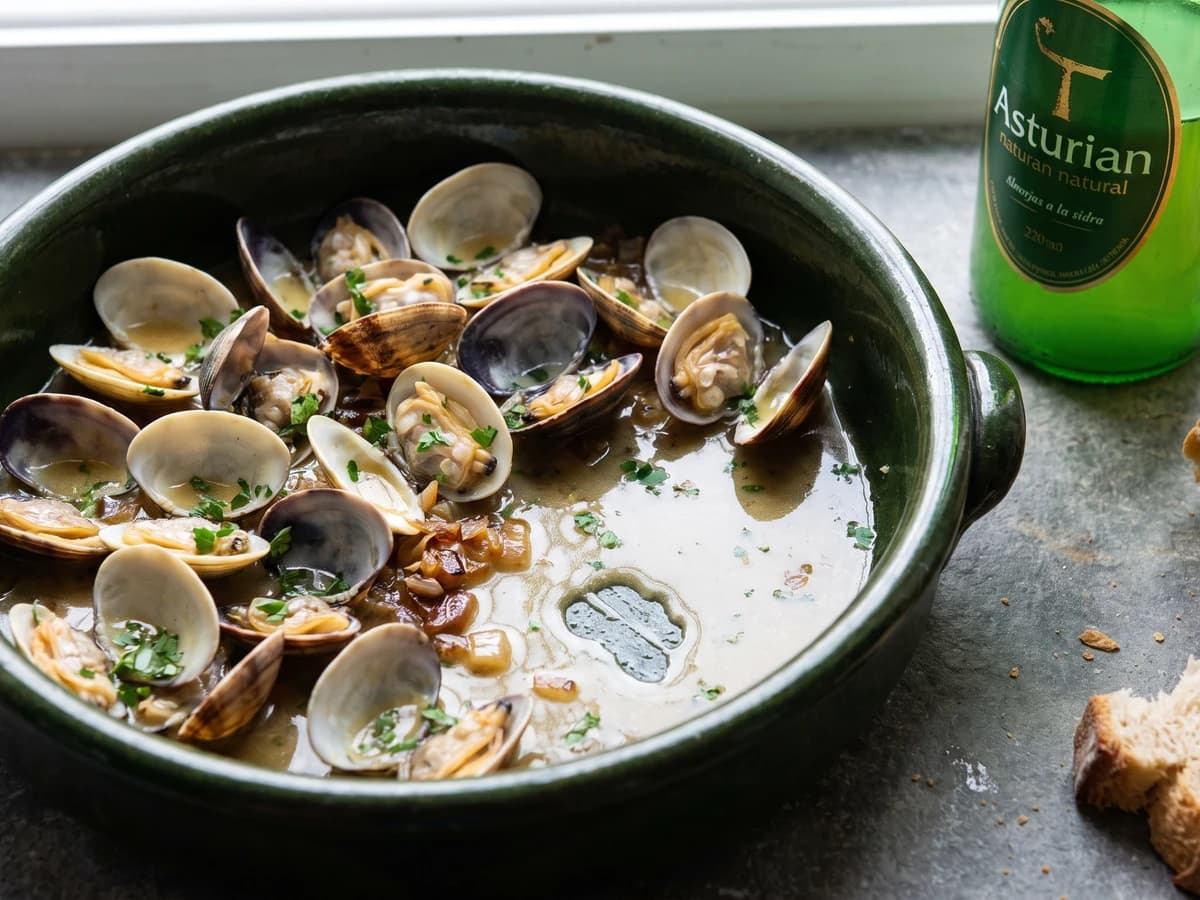
Asturias opens clams in tart natural cider over a slow onion and garlic sofrito, making a bright, briny sauce that asks for bread and rewards one rule: lift each clam as it opens.