Chef Isabel
Abanico Ibérico a la Plancha
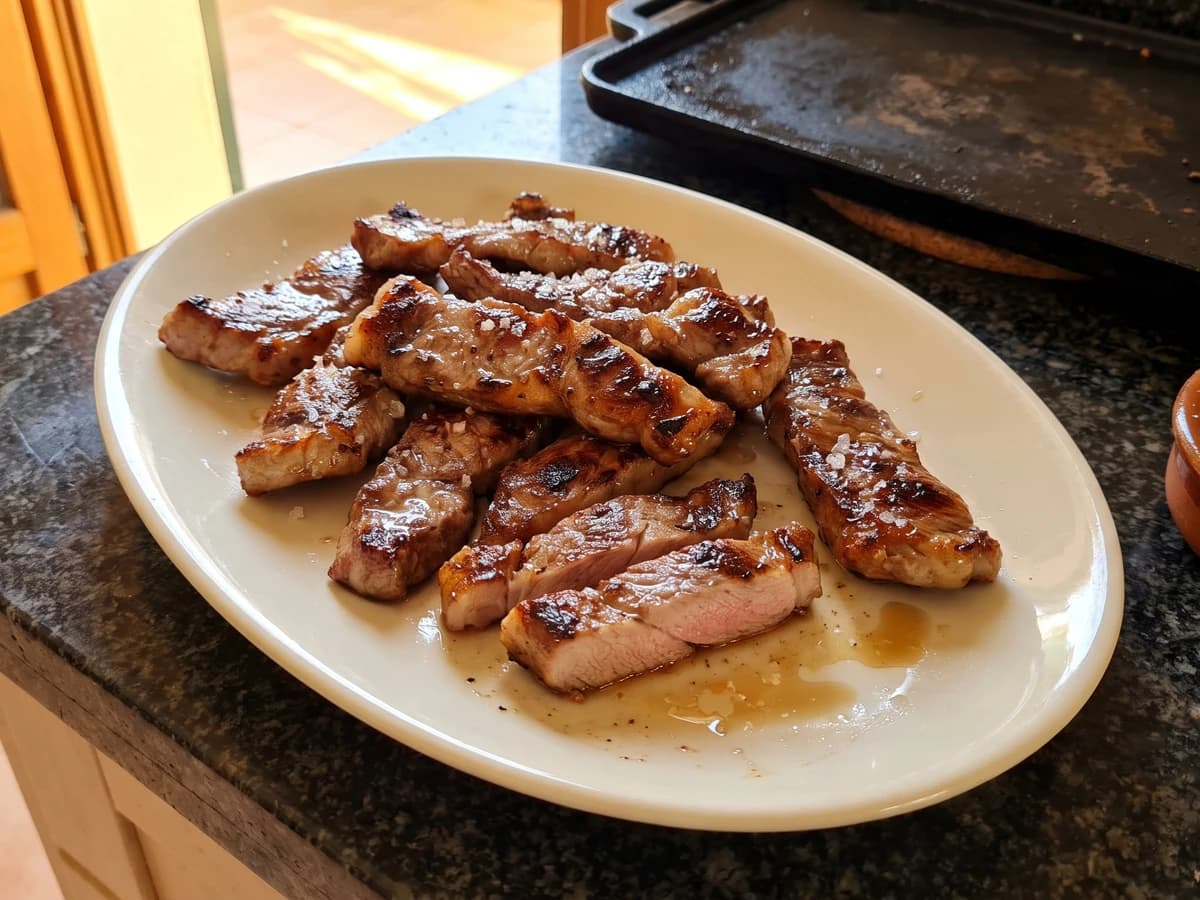
Extremadura's dehesa gives us this fan-shaped, marbled rib cut: salt it at the last moment, lay it on a fierce plancha, and count in seconds so the centre stays juicy.
A cooking platform built around craft, culture, and the stories behind what we eat.
Created by
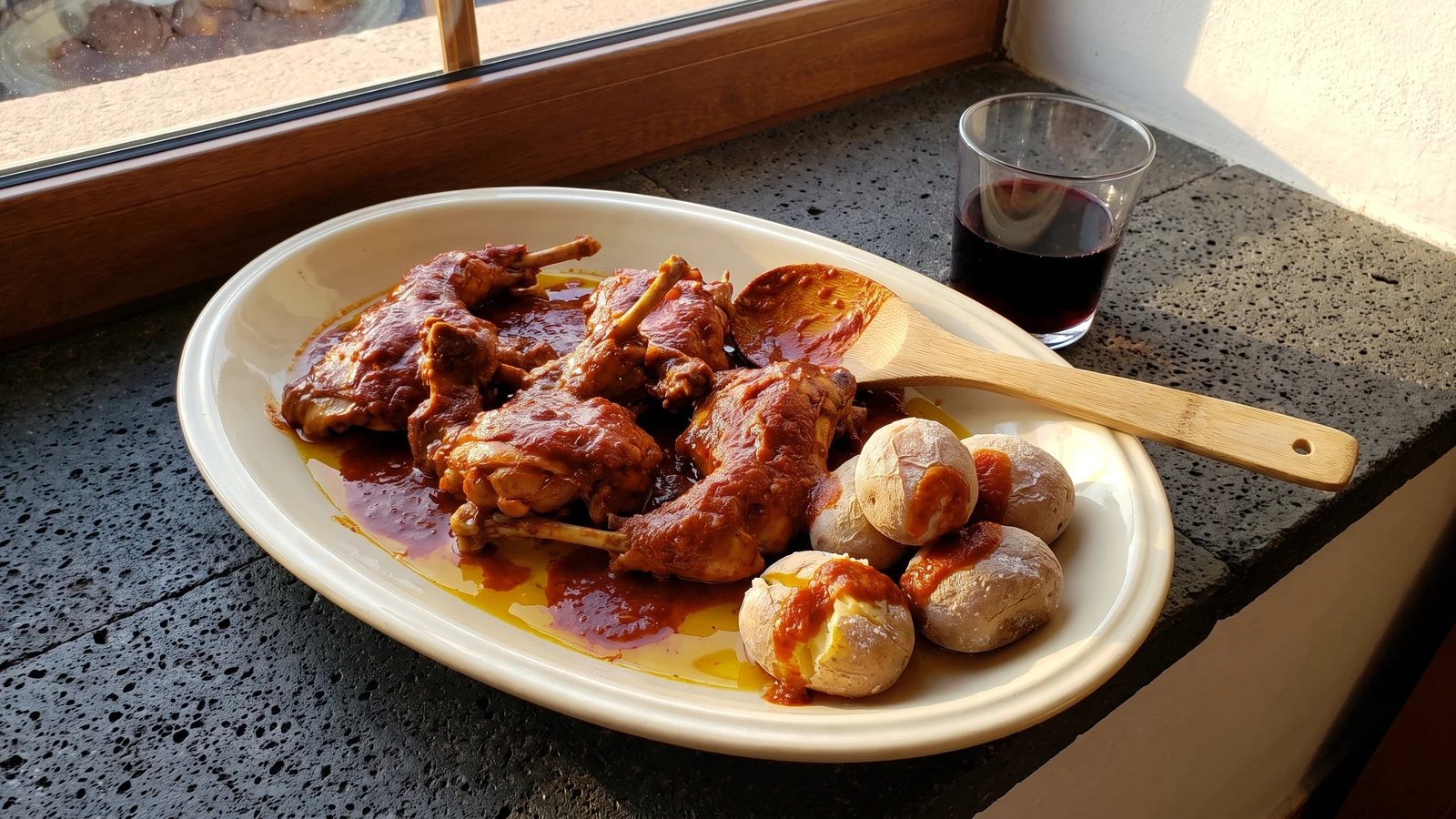
Conejo en salmorejo belongs to the Canary Islands: rabbit steeped overnight in garlic, wine, vinegar, pimentón and island herbs, fried brown, then simmered in its own sharp, red marinade until tender.
Conejo en salmorejo is Canarian, especially at home in Tenerife: rabbit steeped in garlic, pimentón, island pepper, wine, vinegar and herbs, then fried and returned to that marinade until tender. Here salmorejo means a red adobo, a seasoned marinade. It has nothing to do with Córdoba's cold tomato-and-bread soup. No cold soup is hiding in this pan.
Rabbit carries little fat, so the overnight adobo is the step that decides the dish. The salt and sharp wine mixture season the meat before cooking, while the garlic, pepper and herbs build the sauce that will later cling to it. Drain the pieces well before frying. If you pour wet rabbit into the pan, it boils pale and the pimentón burns before the meat can brown.
Farmed rabbit is exactly right and cooks more evenly than wild. If rabbit cannot be found, use 1.5kg bone-in chicken thighs and cook them to 74°C; the result will be richer and milder, and it must be called pollo en salmorejo. A dried guindilla can stand in for the Canarian pimienta picona, though its heat is sharper and less fruity. No hace falta haber pisado España, you don't need to have set foot there.
The finished sauce should be red, glossy and sharp enough to wake the lean meat, but not so vinegary that it catches in your throat. Give it ten minutes to settle, then serve it with papas arrugadas, their wrinkled salty skins ready to drink the sauce. My Margin has the useful order written plainly: marinade first, browning second, sauce last. Follow that and it comes out.
On the Canary Islands, especially Tenerife, salmorejo means the garlic, pepper, wine, vinegar and herb adobo used for rabbit, not the tomato-and-bread soup of Córdoba. European rabbits were introduced during the Castilian settlement of the archipelago, became abundant game and crop pests, and found a lasting place in rural island kitchens. Frying the marinated pieces before simmering them suits the animal's lean meat, while papas arrugadas provide the customary salty companion.
Quantity
1.5kg
jointed into 10 to 12 bone-in pieces
Quantity
45g
peeled
Quantity
16g
Quantity
1 small, about 2g
stemmed and seeded
Quantity
10g
Quantity
2g
Quantity
4 sprigs
Quantity
1 small sprig
Quantity
2
Quantity
200ml
Quantity
60ml
Quantity
180ml
60ml for the marinade and 120ml for frying
Quantity
150ml, plus up to 30ml if needed
Quantity
800g
scrubbed, for papas arrugadas
Quantity
200g
Quantity
1 litre
| Ingredient | Quantity |
|---|---|
| whole rabbitjointed into 10 to 12 bone-in pieces | 1.5kg |
| garlicpeeled | 45g |
| coarse sea salt | 16g |
| dried pimienta picona or dried guindillastemmed and seeded | 1 small, about 2g |
| sweet pimentón | 10g |
| dried oregano | 2g |
| fresh thyme | 4 sprigs |
| fresh rosemary | 1 small sprig |
| bay leaves | 2 |
| dry white wine | 200ml |
| red wine vinegar | 60ml |
| extra virgin olive oil60ml for the marinade and 120ml for frying | 180ml |
| water | 150ml, plus up to 30ml if needed |
| small waxy potatoesscrubbed, for papas arrugadas | 800g |
| coarse sea salt for the potatoes | 200g |
| water for the potatoes | 1 litre |
Cover the dried pepper with hot water and leave it for 15 minutes, then drain and chop it. Pound the garlic and 16g salt in a mortar until you have a rough paste. Add the pepper, pimentón and oregano, then strip in the leaves from the thyme and rosemary and pound again. Work in 60ml olive oil, followed by the wine and vinegar. Add the bay leaves. This loose, brick-red adobo is the Canarian salmorejo.
Put the rabbit in a glass or ceramic dish and pour over the salmorejo. Turn every piece until coated, cover tightly and refrigerate for 8 to 12 hours, turning once halfway through. The overnight rest decides the dish: it seasons this very lean meat before the heat tightens it. Keep it cold throughout.
Take the rabbit from the refrigerator 30 minutes before frying. Lift the pieces from the salmorejo, scrape any heavy clumps of garlic back into the dish and reserve every drop of marinade. Pat the rabbit thoroughly dry with kitchen paper. Wet pieces boil pale in the pan, while loose garlic and pimentón scorch before the meat browns.
Heat the remaining 120ml olive oil in a wide, heavy casserole over medium-high heat. When the oil shimmers, fry the rabbit in three batches so the pieces have room. Brown them for 3 to 4 minutes on each side, including the cut edges, until deeply golden with darker patches around the joints. Transfer each batch to a plate.
Pour off the frying oil, leaving about 30ml in the casserole. Lower the heat and carefully add the reserved marinade, then the 150ml water. Scrape up the browned bits and bring the sauce to a full boil for 2 minutes because it held raw rabbit. Return the meat, cover and simmer very gently for 25 minutes, turning the pieces once. Uncover and cook for another 10 to 15 minutes, until the rabbit is tender, the thickest pieces reach at least 71°C away from the bone, and the red sauce clings lightly instead of running like broth.
While the rabbit simmers, put the scrubbed potatoes in a snug 20cm saucepan with 200g coarse salt and 1 litre water. The potatoes should be barely covered. Boil for 20 to 25 minutes, until a small knife enters cleanly. Drain every drop of water, return the pan to low heat and shake it for 2 to 3 minutes. The skins will dry, wrinkle and take on a fine white salt bloom. Those are papas arrugadas.
Take the rabbit off the heat and let it rest in the salmorejo for 10 minutes. Taste the sauce before adding anything, since the vinegar softens and the salt concentrates as it reduces. Arrange the rabbit with the papas arrugadas and spoon the glossy sauce over the meat, letting a little reach the potatoes. My Margin says only this: drain it, brown it, then sauce it. Siempre sale, si lo sigues.
1 serving (about 375g)
Culinary guides, cultural storytelling, and the editorial depth that makes cooking meaningful.
Discover Culinary ExplorerChef Isabel
Extremadura's dehesa gives us this fan-shaped, marbled rib cut: salt it at the last moment, lay it on a fierce plancha, and count in seconds so the centre stays juicy.

Chef Isabel
Aletría Murciana is Murcia's humble noodle guiso: fine fideos, pork ribs, potato, saffron, and a dark sweet sofrito. Get that base right and the pot knows where it's going.
Chef Isabel
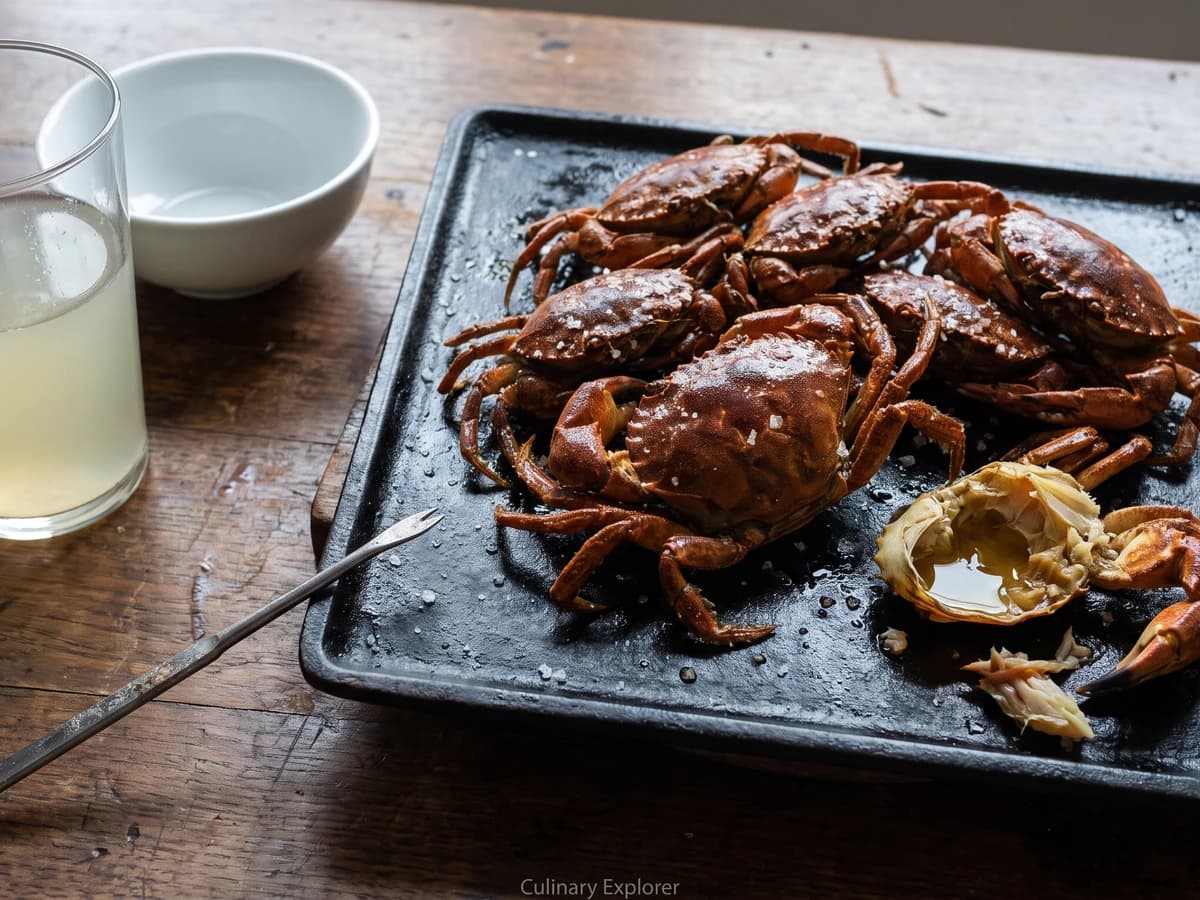
Asturias puts its small velvet crabs straight on a fierce plancha with salt and oil, keeping the shell liquor sweet and briny. Dry them well, cook them fast, and bring plenty of napkins.

Chef Isabel
Andrajos are Andalucía's dough-rag stew from Jaén and Granada: a slow rabbit guiso thickened with torn sheets of flour dough, rolled thin so they cook tender instead of gummy.