Chef Isabel
Abanico Ibérico a la Plancha
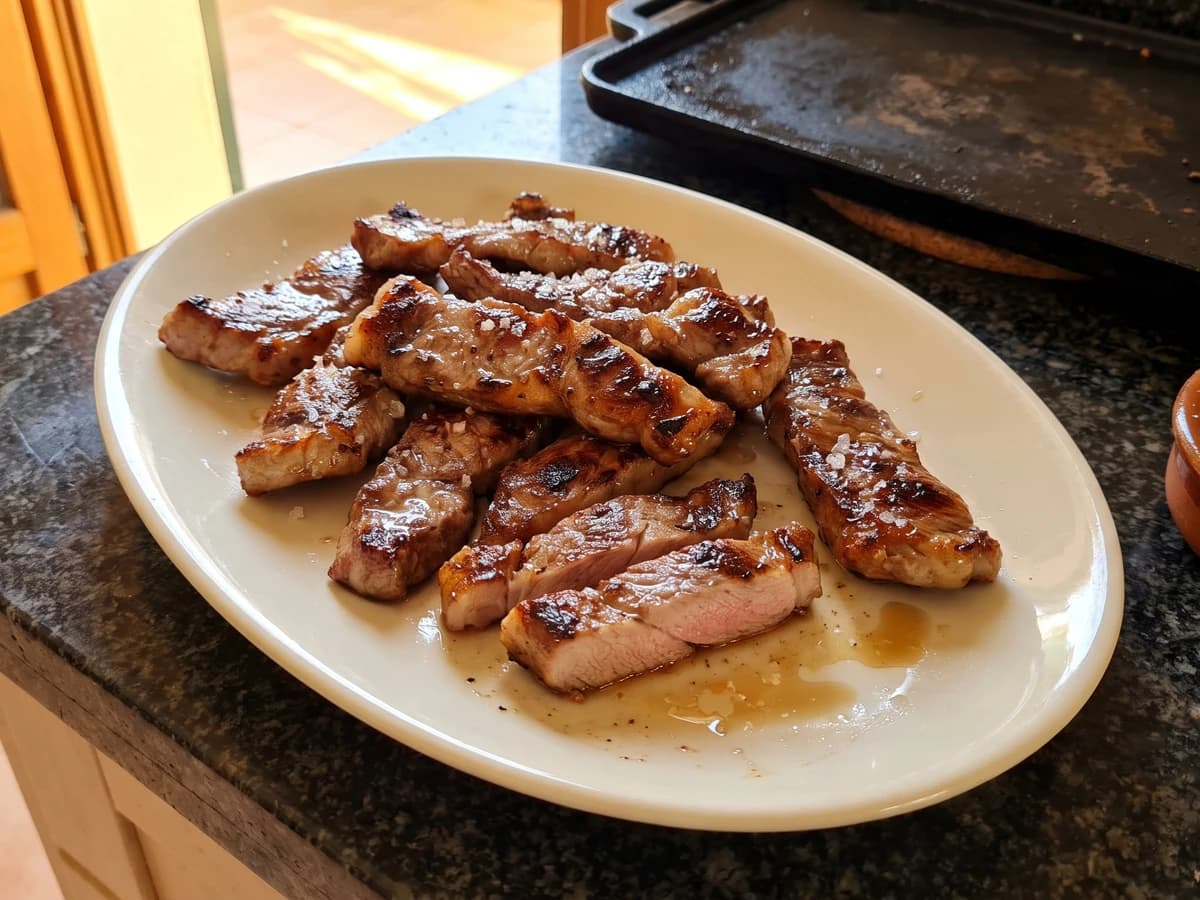
Extremadura's dehesa gives us this fan-shaped, marbled rib cut: salt it at the last moment, lay it on a fierce plancha, and count in seconds so the centre stays juicy.
A cooking platform built around craft, culture, and the stories behind what we eat.
Created by
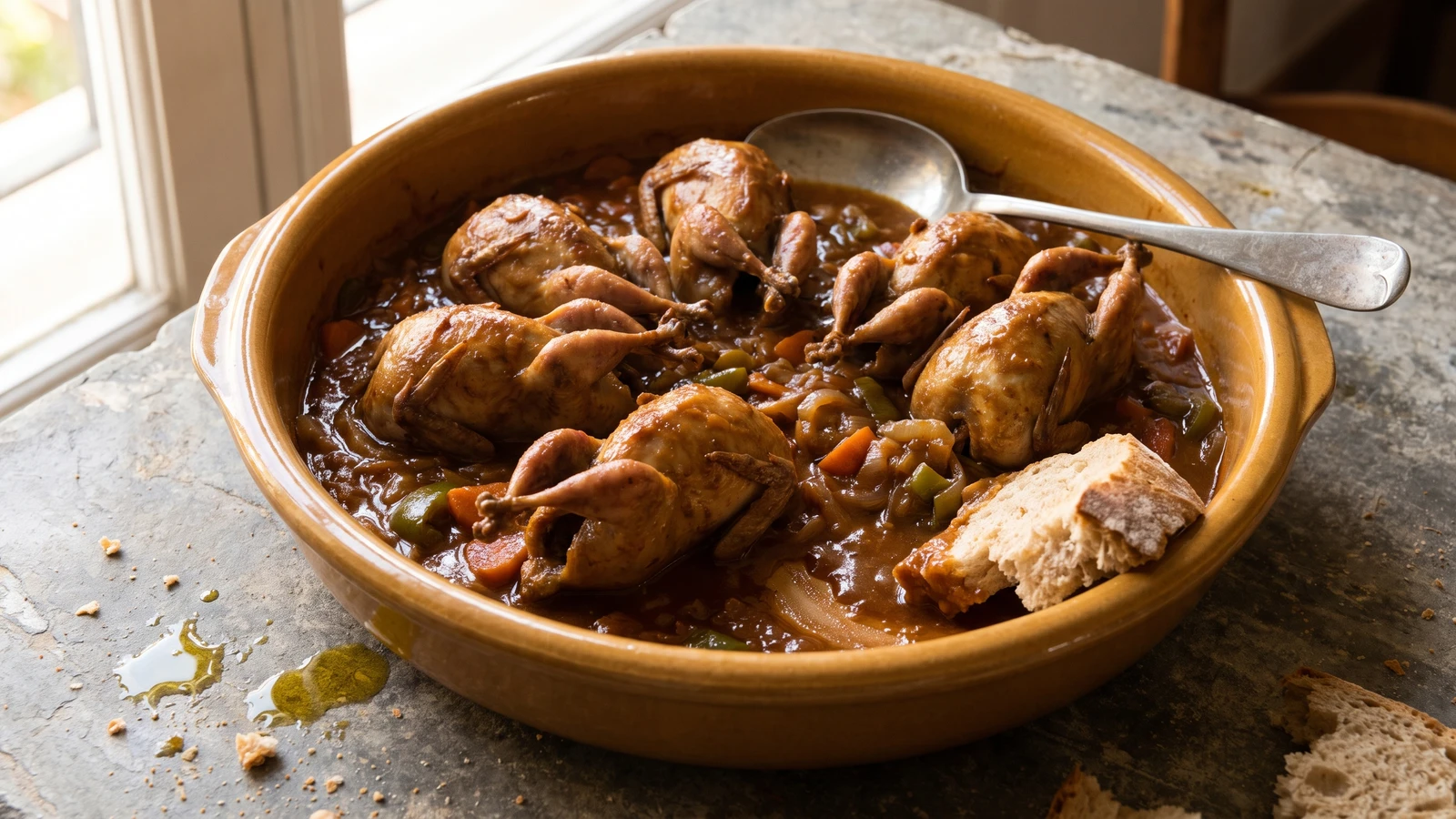
Navarra's little birds are browned, then braised over a patient onion, carrot, and pepper sofrito with bay and dry white wine until the meat yields and the sauce shines.
Codornices estofadas navarras are Navarra's little-bird stew: quail browned, then settled into onion, carrot, green pepper, tomato, bay, and dry white wine. That vegetable-rich base, drawn from the huerta of the Ribera, gives this version its Navarrese surname. The sauce should be dark gold-brown and spoonable, and each leg should pull easily at the joint without the bird collapsing into threads.
The sofrito, the slow vegetable base, decides it. I cook the onion, carrot, and pepper low until the onion is dark gold and almost jammy, then cook the tomato until its water is gone and the oil shows again. That slow evaporation concentrates the vegetables' sweetness. Rush it and you get quail sitting in sharp, pale broth, which is a waste of a good bird.
Frozen farmed quail, thawed overnight in the refrigerator, are the honest substitute for hunted birds and the ones most cooks will find. They taste milder and become tender sooner, so begin checking them after 25 minutes. Any sound, dry unoaked white wine will serve in place of a Navarra wine. Dry amontillado diluted with water also works, though the sauce comes out darker and nuttier.
The line in my Margin is short: reduce the wine until it no longer smells raw. Do that, keep the braise gentle, and the rest is plain work. Siempre sale, si lo sigues.
Codornices estofadas belong to Navarra's country cooking, shaped by cereal fields where migratory common quail fed and were taken around the grain harvest. The onion, pepper, and tomato base points to the huerta of the Ribera, while wine from the same landscape supplied the braising liquid. Wild birds were lean and variable, so covered stewing tenderized them and stretched their juices into a sauce made for bread.
Quantity
8, about 1.3kg total
fully dressed, giblets removed, and patted dry
Quantity
10g
divided
Quantity
1g
Quantity
20g
Quantity
60ml
Quantity
250g
finely diced
Quantity
150g
cut into 5mm dice
Quantity
120g
seeded and finely diced
Quantity
12g
finely chopped
Quantity
150g
grated or crushed
Quantity
200ml
Quantity
350ml
Quantity
2
| Ingredient | Quantity |
|---|---|
| whole farmed quailfully dressed, giblets removed, and patted dry | 8, about 1.3kg total |
| fine sea saltdivided | 10g |
| freshly ground black pepper | 1g |
| plain flour | 20g |
| extra virgin olive oil | 60ml |
| onionfinely diced | 250g |
| carrotscut into 5mm dice | 150g |
| green frying pepperseeded and finely diced | 120g |
| garlicfinely chopped | 12g |
| ripe tomato or canned whole tomatograted or crushed | 150g |
| dry unoaked white wine | 200ml |
| light unsalted chicken stock or water | 350ml |
| bay leaves | 2 |
Check the cavities for any remaining giblets or loose feathers, then pat the quail very dry with kitchen paper. Do not rinse raw poultry. Season inside and out with 8g of the salt and all the pepper. Dust each bird lightly with the flour and shake off every loose patch; a thin coat helps the quail brown and gives the sauce a little body without making it pasty.
Heat the olive oil in a wide, heavy casserole over medium-high heat. Brown the quail in two batches so the pan stays hot, about 3 minutes on the breast and 2 minutes on each side. You want a deep golden surface, not cooked meat. Transfer each browned batch to a plate and lower the heat to medium-low.
Add the onion, carrot, green pepper, and remaining 2g salt to the same oil. Scrape up the browned residue and cook gently for 20 to 25 minutes, stirring every few minutes, until the onion is dark gold, the carrot is tender, and almost no moisture remains. Add the garlic and cook for 1 minute. Stir in the tomato and cook for another 8 minutes, until it turns thick and the oil begins to show around the edges. This is the sofrito, and this is the part you don't hurry.
Raise the heat to medium-high and pour in the white wine. Scrape the base of the casserole, then boil for 4 to 5 minutes, until the liquid has reduced by roughly two-thirds and smells fruity rather than raw. Add the stock and bay leaves and bring everything to a gentle simmer.
Return the quail to the casserole breast-side up, fitting them in one snug layer. The liquid should reach roughly halfway up the birds. Cover, lower the heat, and maintain only a faint bubble for 25 minutes. Check the thickest thigh without touching bone: it must reach at least 74°C, and the leg joint should move easily. If it still resists, cover and cook for another 5 to 10 minutes.
Transfer the tender quail to a warm plate and discard the bay leaves. Boil the sauce uncovered for 5 to 8 minutes, stirring often, until it coats the back of a spoon but still flows. Taste and correct the salt. Return the birds to the casserole, spoon the sauce over them, and warm gently for 2 minutes. Rest off the heat for 5 minutes, then serve two quail per person with plenty of the vegetables and sauce.
1 serving (about 400g)
Culinary guides, cultural storytelling, and the editorial depth that makes cooking meaningful.
Discover Culinary ExplorerChef Isabel
Extremadura's dehesa gives us this fan-shaped, marbled rib cut: salt it at the last moment, lay it on a fierce plancha, and count in seconds so the centre stays juicy.

Chef Isabel
Aletría Murciana is Murcia's humble noodle guiso: fine fideos, pork ribs, potato, saffron, and a dark sweet sofrito. Get that base right and the pot knows where it's going.
Chef Isabel
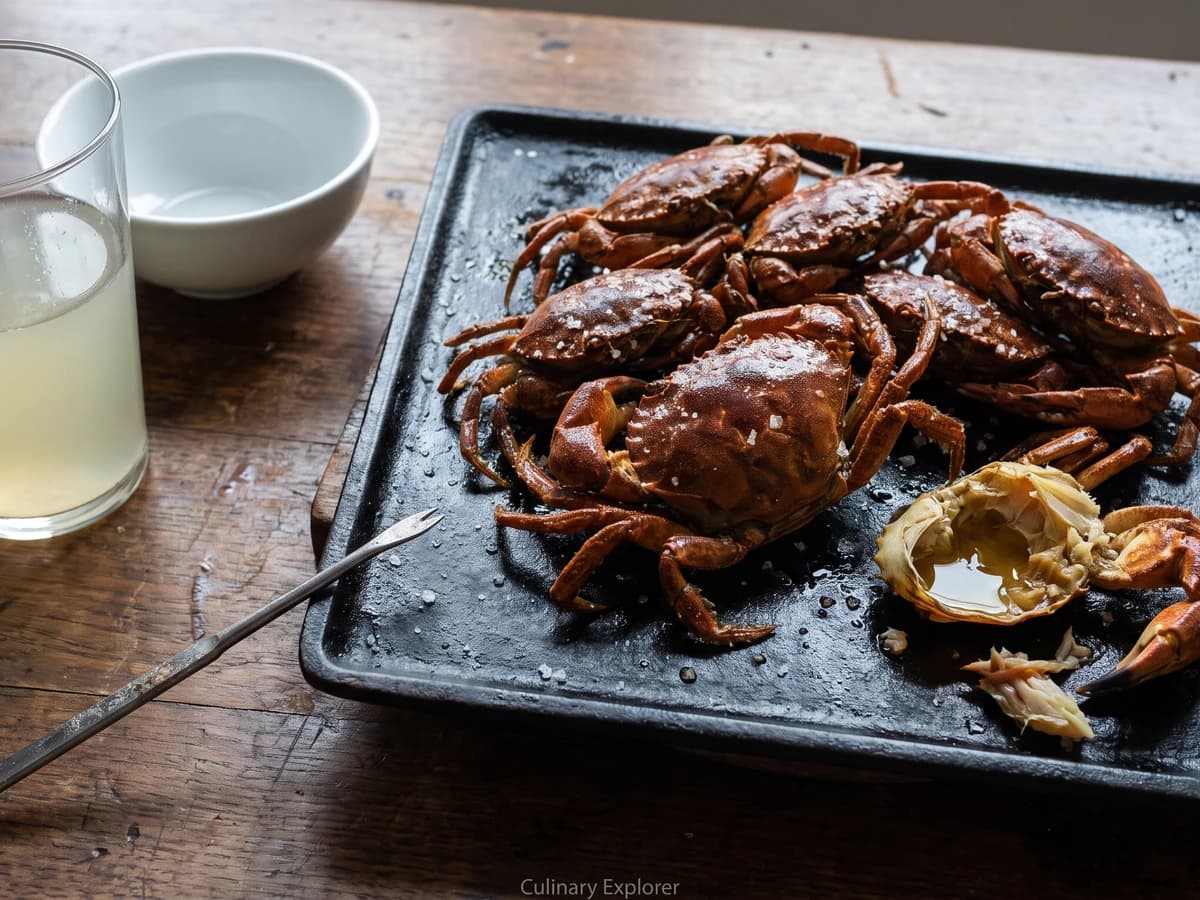
Asturias puts its small velvet crabs straight on a fierce plancha with salt and oil, keeping the shell liquor sweet and briny. Dry them well, cook them fast, and bring plenty of napkins.

Chef Isabel
Andrajos are Andalucía's dough-rag stew from Jaén and Granada: a slow rabbit guiso thickened with torn sheets of flour dough, rolled thin so they cook tender instead of gummy.