Chef Isabel
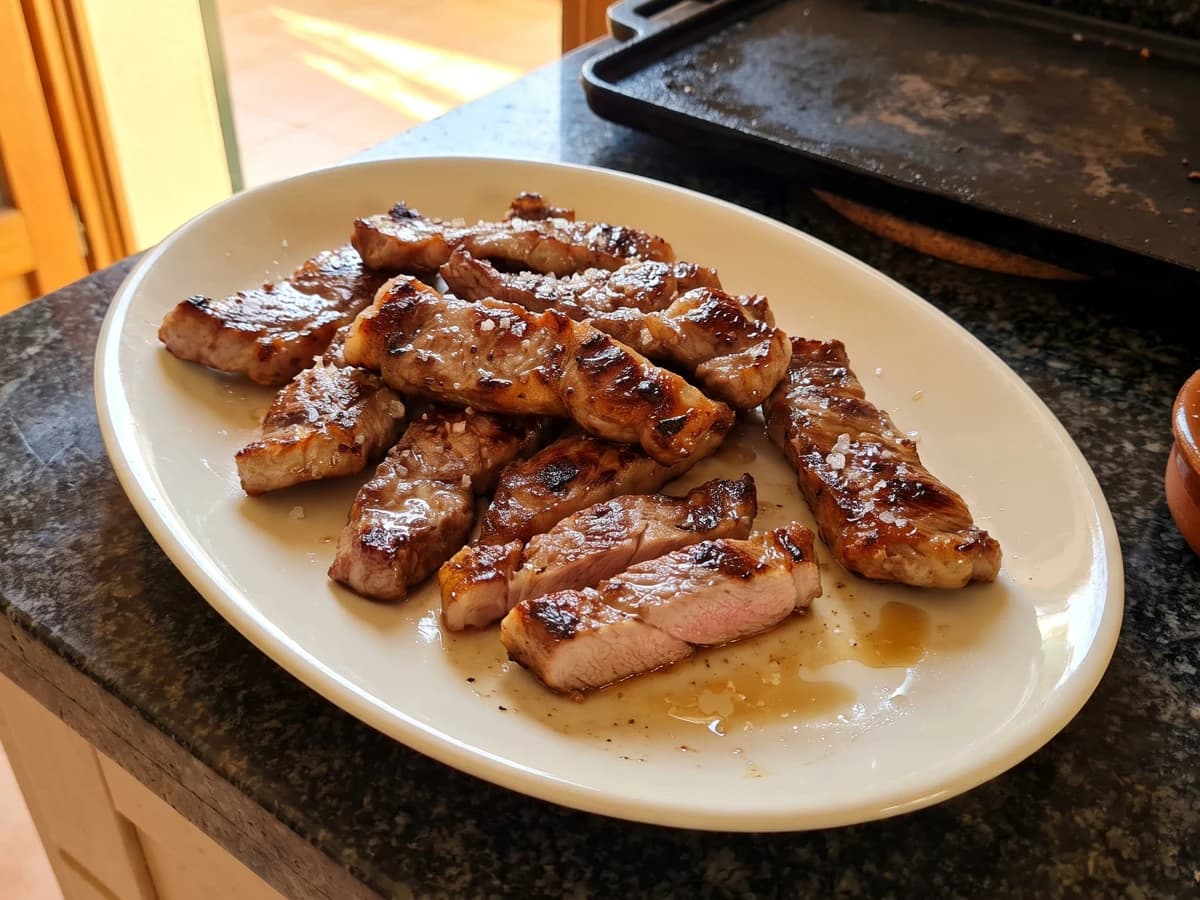
Abanico Ibérico a la Plancha
Extremadura's dehesa gives us this fan-shaped, marbled rib cut: salt it at the last moment, lay it on a fierce plancha, and count in seconds so the centre stays juicy.
A cooking platform built around craft, culture, and the stories behind what we eat.
Created by
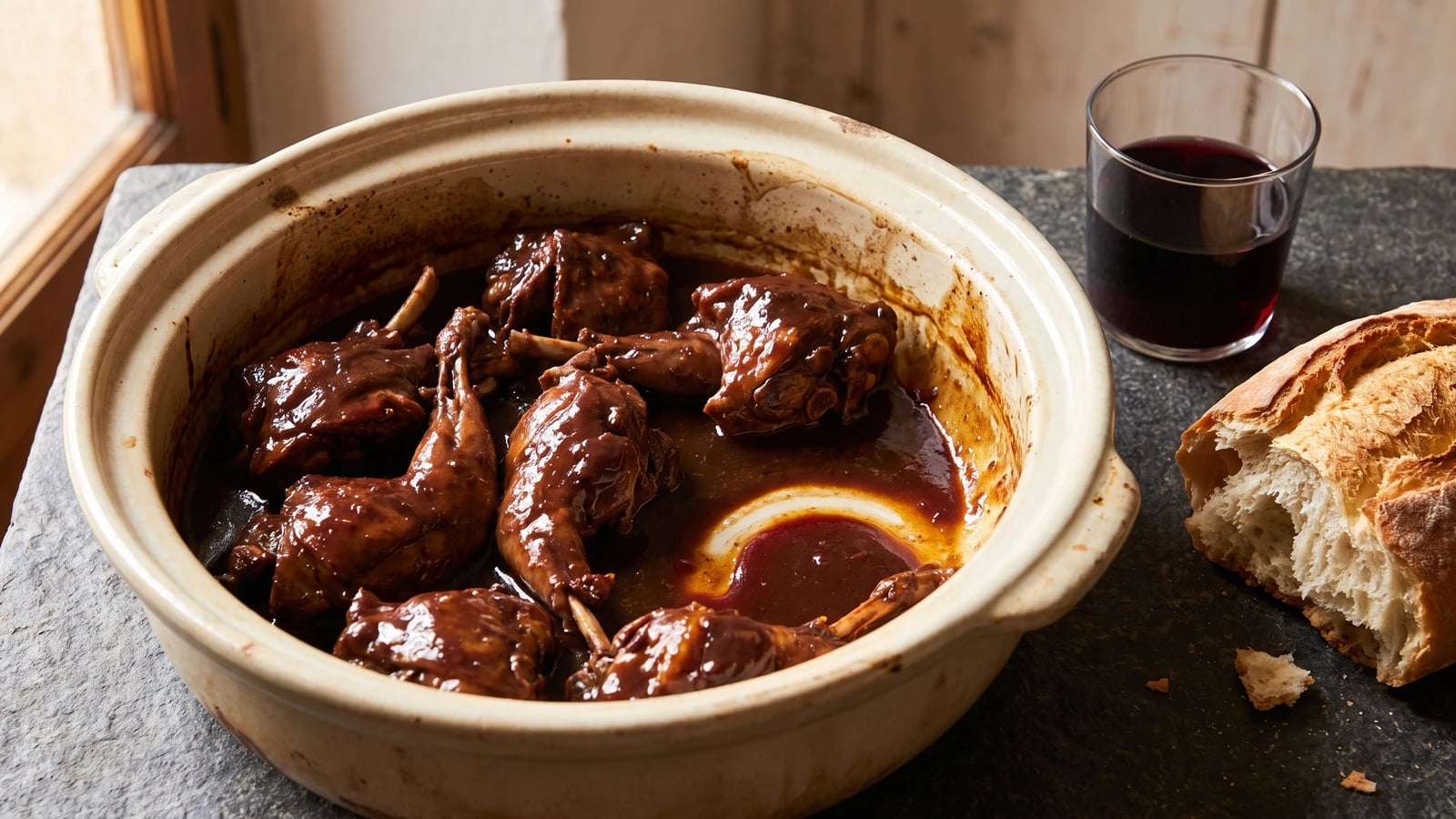
Catalonia's dark hare civet braises game slowly in red wine, then binds the sauce with blood and a nutty picada. Keep the final heat gentle and it turns glossy, never grainy.
Civet de liebre belongs to Catalonia's inland hunting table. In Catalan it is civet de llebre: hare marinated and braised in red wine over a patient sofregit, the slow onion and tomato base, then finished with a picada of liver, nuts, toasted bread, and a little bitter chocolate. Its own blood binds the sauce at the end. That final binding, together with the Catalan picada, makes this pot what it is rather than an ordinary wine stew.
This is autumn and winter food, made when hare is in season and an older animal needs a long, quiet braise. The wine softens its strong game flavor without hiding it, while the liver and nuts give the sauce body. It deserves a special table, but the work itself is plain: marinate, brown, cook slowly, then finish carefully.
The method that decides it comes in the last few minutes. Temper the acidulated blood with hot sauce, stir it back over the lowest heat, and don't let it boil. Gentle heat makes the sauce dark, smooth, and glossy; a boil sets the blood into grains. Pésalo, no lo adivines. A thermometer is useful here, not grand.
If hare is difficult to find, use a 1.6kg wild rabbit and begin checking it after 60 minutes. Farmed rabbit works at a pinch, though it is milder and needs less cooking, so the finished dish loses some of the dark, woodland depth. If inspected hare blood is unavailable, extra liver in the picada gives you a sound sauce, but not quite the same one. The Margin beside this recipe says only, "no hervir al final," don't boil at the end. Siempre sale, si lo sigues.
Civet de llebre belongs to the autumn and winter hunting kitchens of inland Catalonia and the Pyrenean comarques, where older hares were softened by wine and a long covered braise. The word civet is linked to cive, an old name for onion or chive, and the preparation travelled through the cooking country shared by Catalonia and Occitania; the Catalan pot took on its picada of liver, nuts, bread, and sometimes chocolate. Mixing the blood with vinegar used every part of the animal and kept it fluid until it could bind the sauce at the end.
Quantity
1 (about 2kg)
jointed into 8 serving pieces, liver reserved
Quantity
120ml
from an inspected carcass and kept at 0 to 4°C
Quantity
15ml
Quantity
750ml
Quantity
400g
thinly sliced
Quantity
150g
cut into thin rounds
Quantity
120g
white and pale-green parts thinly sliced
Quantity
6 cloves
4 lightly crushed and 2 peeled for the picada
Quantity
2
Quantity
4 sprigs
Quantity
2g
lightly crushed
Quantity
16g
divided
Quantity
45g lard or 45ml oil
Quantity
200g
Quantity
60ml
Quantity
500ml
Quantity
30g
toasted
Quantity
20g
toasted and skinned
Quantity
30g
toasted dark
Quantity
10g
finely grated
Quantity
100g
trimmed, for the bloodless variation only
| Ingredient | Quantity |
|---|---|
| dressed harejointed into 8 serving pieces, liver reserved | 1 (about 2kg) |
| food-grade hare bloodfrom an inspected carcass and kept at 0 to 4°C | 120ml |
| red wine vinegar | 15ml |
| dry red wine, preferably Garnatxa or Carinyena | 750ml |
| onionsthinly sliced | 400g |
| carrotscut into thin rounds | 150g |
| leekwhite and pale-green parts thinly sliced | 120g |
| garlic4 lightly crushed and 2 peeled for the picada | 6 cloves |
| bay leaves | 2 |
| thyme | 4 sprigs |
| black peppercornslightly crushed | 2g |
| fine sea saltdivided | 16g |
| pork lard or olive oil | 45g lard or 45ml oil |
| canned crushed tomato | 200g |
| brandy | 60ml |
| light unsalted game or chicken stock | 500ml |
| blanched almondstoasted | 30g |
| hazelnutstoasted and skinned | 20g |
| country breadtoasted dark | 30g |
| dark chocolate, at least 85% cocoafinely grated | 10g |
| chicken livers (optional)trimmed, for the bloodless variation only | 100g |
Put the hare pieces in a nonreactive container with the wine, onions, carrots, leek, 4 crushed garlic cloves, bay, thyme, and peppercorns. Cover and refrigerate for 12 to 24 hours, turning the pieces once. Mix the blood with the vinegar in a separate covered container and keep it at 0 to 4°C. If the butcher has already acidulated the blood, don't add the vinegar twice.
Lift out the hare and strain the marinade, keeping the wine and vegetables in separate bowls. Retrieve the bay and thyme. Pat every piece thoroughly dry, then season the meat with 10g of the salt. Wet meat stews before it browns, and that pale beginning gives the whole pot a thinner taste.
Heat the lard in a wide heavy casserole over medium-high heat. Brown the hare in batches for 3 to 4 minutes per side, until it has a deep chestnut crust, then set it aside. Brown the reserved hare liver for 1 minute per side and remove it. If you're making the bloodless variation, brown the chicken livers for 2 minutes per side as well; they will finish cooking in the sauce.
Lower the heat to medium-low and add the drained vegetables with the remaining 6g salt. Cook for 30 to 35 minutes, stirring often, until the onion is dark gold, soft, and almost jammy. Add the tomato and cook for another 12 to 15 minutes, until its water is gone and the fat shows around the edges. This is the sofregit, the slow Catalan onion and tomato base. Rush it and the wine stays sharp instead of becoming a sauce.
Pour in the brandy and scrape the browned residue from the bottom. Let it reduce for 2 minutes. Add the reserved marinade wine and boil it steadily for 8 minutes, then add the stock, bay, thyme, and browned hare. Bring it just to a simmer, cover with the lid slightly ajar, and cook over low heat for 1 hour 45 minutes to 2 hours 30 minutes. Turn the pieces every 30 minutes. The meat is ready when a fork enters the thickest leg easily and the flesh begins to release from the bone; it must be fully cooked, never pink.
Transfer the tender hare to a covered dish and discard the bay and thyme. Pass the cooking liquid and vegetables through a food mill, or press them firmly through a fine sieve. Return the smooth sauce to the casserole, skim off excess surface fat, and boil gently for 10 to 20 minutes until about 700ml remains. It should lightly coat a spoon before the blood goes in, because you cannot reduce it hard afterward.
Pound the browned hare liver, almonds, hazelnuts, toasted bread, remaining 2 garlic cloves, and grated chocolate into a close paste, adding 150ml of the hot sauce a little at a time. A small blender works if you don't have a mortar. Stir the picada, the Catalan nut-and-bread thickener, into the casserole and simmer gently for 10 minutes. Return the hare and warm it in the sauce for 5 minutes.
Take the casserole off the heat and wait until the bubbling stops. Whisk 150ml of hot sauce gradually into the acidulated blood, beginning one spoonful at a time. Pour this mixture back into the casserole while stirring constantly. Return it to the lowest heat and bring the sauce evenly to 72 to 74°C for 5 minutes, stirring and never allowing it to simmer. The blood will darken the sauce and give it a smooth, close gloss. Boil it and it turns grainy and tastes harsh. This is the step that decides the civet.
Remove the casserole from the heat and rest the civet for 15 minutes. The sauce should cling to each piece and settle into a dark mahogany pool around it. Serve with plain boiled potatoes, mashed potato, or sturdy country bread. Keep the accompaniments quiet; the hare has already done the talking.
1 serving (about 500g)
Culinary guides, cultural storytelling, and the editorial depth that makes cooking meaningful.
Discover Culinary ExplorerChef Isabel
Extremadura's dehesa gives us this fan-shaped, marbled rib cut: salt it at the last moment, lay it on a fierce plancha, and count in seconds so the centre stays juicy.
Chef Isabel
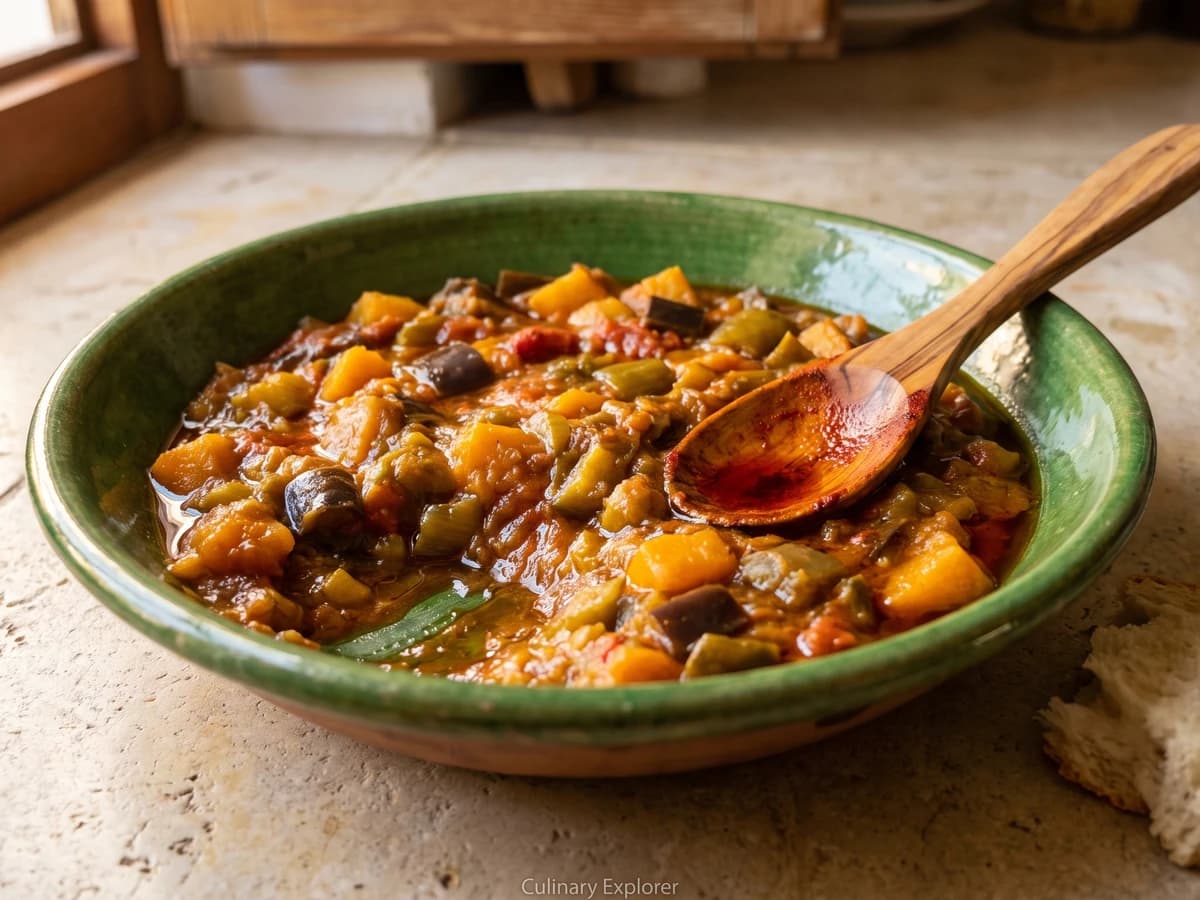
Alboronía is Andalucía's old pumpkin and aubergine stew, deepened with tomato, pimentón, and cumin, then cooked without hurry until the vegetables settle into a glossy, sweet, spoon-soft whole.

Chef Isabel
Aletría Murciana is Murcia's humble noodle guiso: fine fideos, pork ribs, potato, saffron, and a dark sweet sofrito. Get that base right and the pot knows where it's going.
Chef Isabel
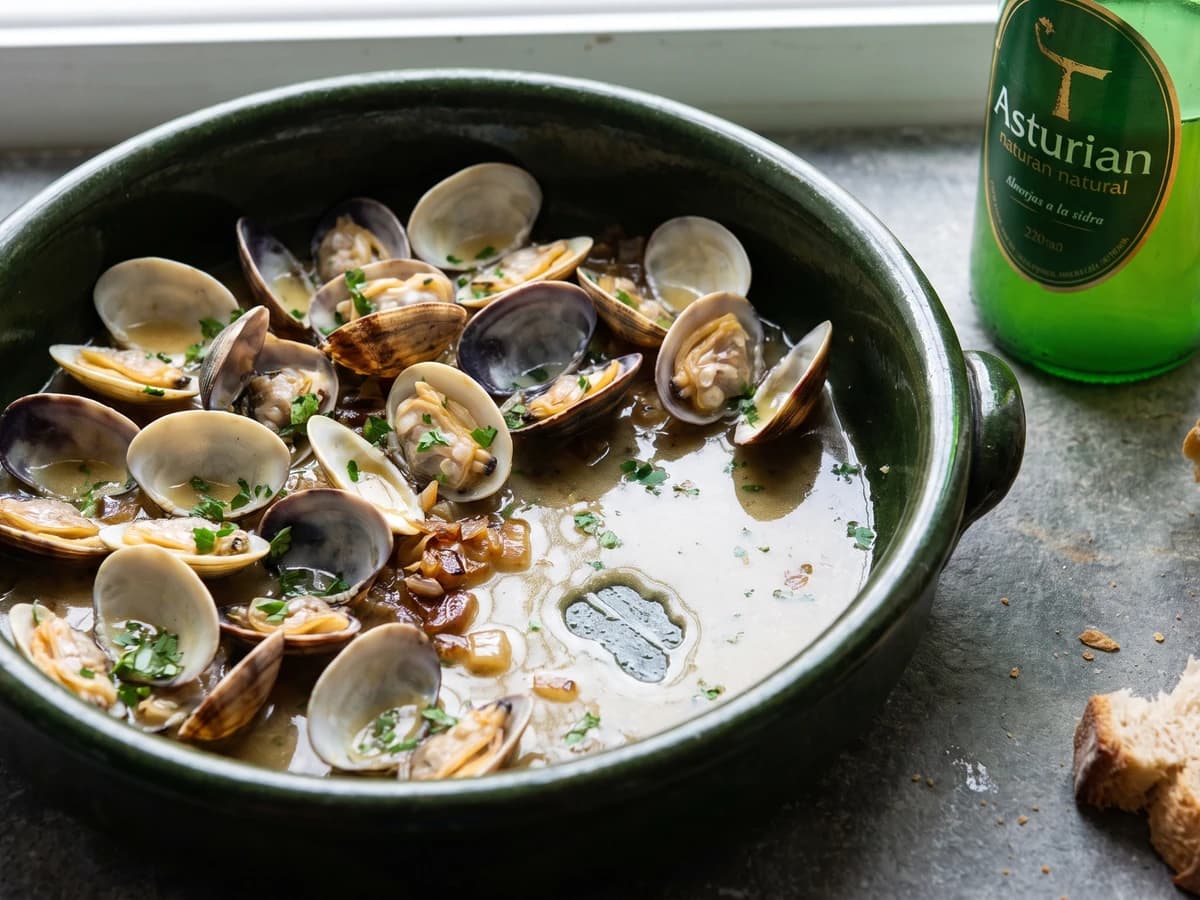
Asturias opens clams in tart natural cider over a slow onion and garlic sofrito, making a bright, briny sauce that asks for bread and rewards one rule: lift each clam as it opens.