Chef Isabel
Abanico Ibérico a la Plancha
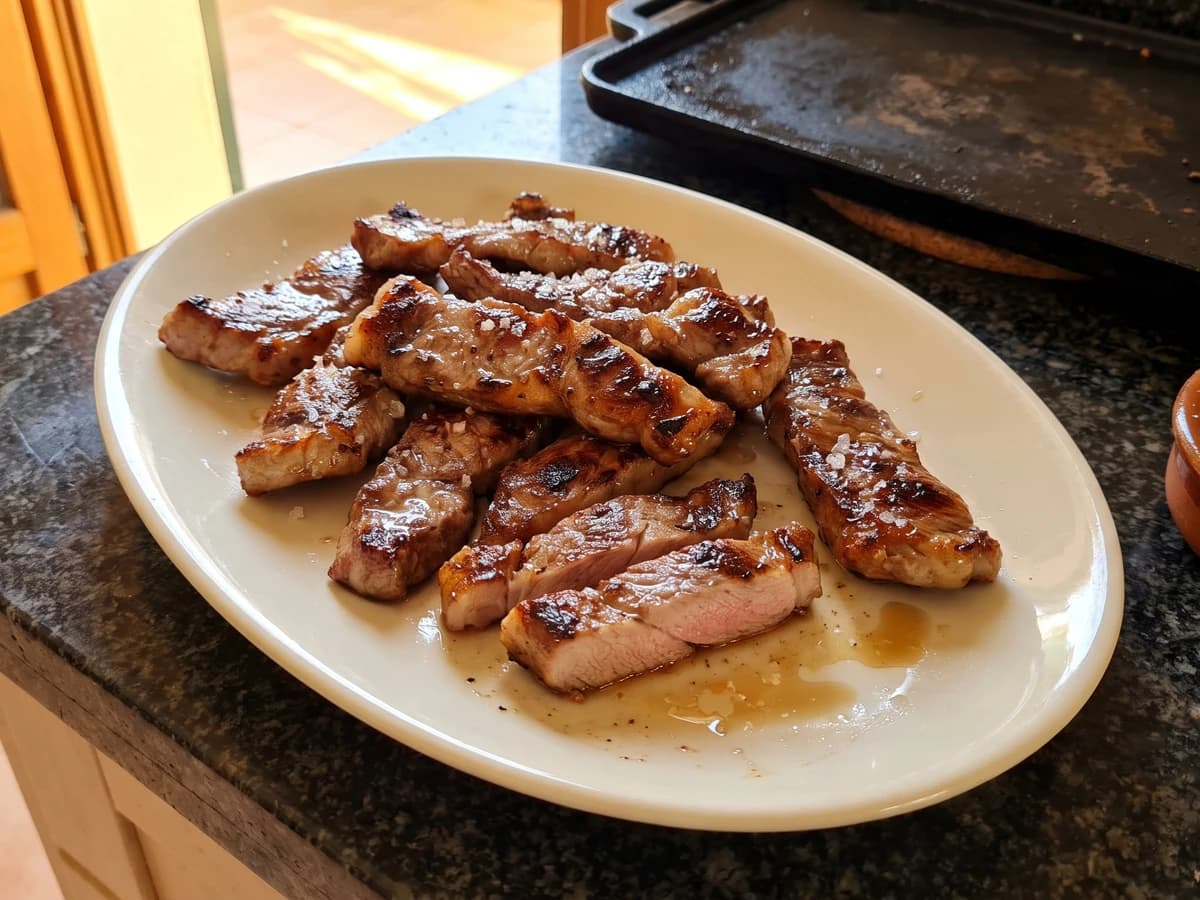
Extremadura's dehesa gives us this fan-shaped, marbled rib cut: salt it at the last moment, lay it on a fierce plancha, and count in seconds so the centre stays juicy.
A cooking platform built around craft, culture, and the stories behind what we eat.
Created by
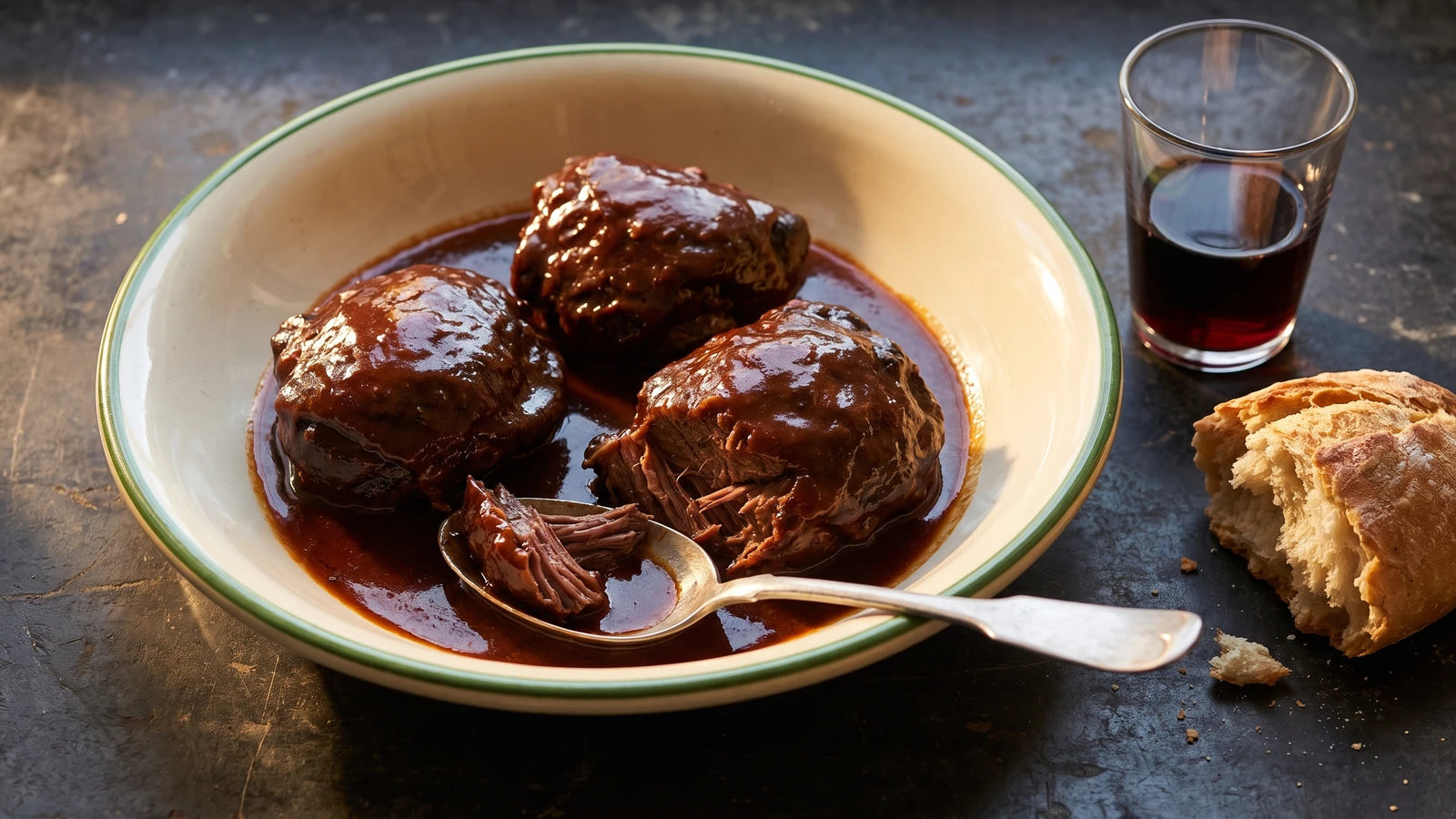
Andalucía turns a humble cut into a Sunday dish: Iberian pork cheeks browned well, laid over a patient sofrito, and braised in red wine until a fork parts them without effort.
Carrillada ibérica en salsa is Andalusian comfort food, especially in the pork country of western Andalucía: Iberian pig cheeks browned deeply, then braised in red wine over a slow vegetable sofrito until a fork parts them. The rich pork from the dehesa and the dark sauce distinguish it from lighter cheek stews. This is a dish for bread, or for potatoes that can catch every spoonful.
The braise decides it. I cook the sofrito, the slow onion and vegetable base, until the onion is dark gold and sweet, reduce the wine until its raw edge is gone, then let the cheeks cook at the barest murmur. Cheek is a hard-working muscle. A hard boil squeezes it dry, but low heat gives its collagen time to soften into the sauce.
If Ibérico isn't sold where you live, ask for ordinary pork cheeks, carrilleras de cerdo blanco. They are leaner and milder, but the same method works and the cooking time barely changes. Don't replace them with pork tenderloin. It has none of the collagen this dish needs and will simply dry out.
Make the carrillada a day ahead if you can. The sauce settles, the meat takes on more of the wine, and the fat is easy to lift once cold. My Margin says only this: reduce the sauce after the cheeks come out, never while they are still cooking. Siempre sale, si lo sigues.
Carrillada en salsa belongs especially to western Andalucía, where the dehesas of the Sierra de Aracena y Picos de Aroche raise Iberian pigs under oak and the matanza turns the whole animal into the household larder. The carrillera is the hard-working cheek muscle, once a modest butcher's cut, and its long braise comes from the same no-waste cooking that made tougher cuts valuable. Across the border in Extremadura the dish is equally at home, while Andalusian versions commonly darken the sauce with red wine, oloroso, or Pedro Ximénez, each giving a different balance of dryness and sweetness.
Quantity
1.4kg, about 10 to 12
trimmed of outer fat and silver skin
Quantity
16g
12g for seasoning and up to 4g for the finished sauce
Quantity
3g
Quantity
40g
for a light dusting
Quantity
75ml
Quantity
500g
finely chopped
Quantity
200g
peeled and finely diced
Quantity
20g
finely chopped
Quantity
200g
grated or crushed
Quantity
500ml
Quantity
500ml
Quantity
2
Quantity
2 small sprigs
Quantity
up to 200ml
| Ingredient | Quantity |
|---|---|
| Iberian pork cheekstrimmed of outer fat and silver skin | 1.4kg, about 10 to 12 |
| fine sea salt12g for seasoning and up to 4g for the finished sauce | 16g |
| freshly ground black pepper | 3g |
| plain flourfor a light dusting | 40g |
| extra virgin olive oil | 75ml |
| onionsfinely chopped | 500g |
| carrotspeeled and finely diced | 200g |
| garlicfinely chopped | 20g |
| ripe tomato or canned whole peeled tomatograted or crushed | 200g |
| dry red wine | 500ml |
| unsalted pork or chicken stock | 500ml |
| bay leaves | 2 |
| thyme | 2 small sprigs |
| hot water (optional) | up to 200ml |
Heat the oven to 150°C, or 300°F. Pat the cheeks completely dry and remove any thick silver skin, which stays tough however long you cook it. Season all over with 12g of the salt and the black pepper. Dust lightly with the flour, then shake off every loose bit; you want a thin film, not a coat.
Heat a wide heavy casserole over medium-high heat and add enough of the olive oil to cover the base. Brown the cheeks in three batches, leaving space around each one, for 3 to 4 minutes per side. They should be a deep chestnut brown before you turn them. Put each finished batch on a plate and keep every drop of juice.
Lower the heat to medium-low. Add the remaining oil, the onions, and the carrots. Cook for 25 to 30 minutes, stirring and scraping up the browned bits, until the onion is dark gold, soft, and almost jammy. Add the garlic and cook for 2 minutes. Stir in the tomato and cook for another 10 to 12 minutes, until its water has gone and the oil begins to show around the edges. This slow sweetness is the floor of the sauce; rush it and the wine tastes sharp.
Pour in the red wine and scrape the base of the casserole thoroughly. Raise the heat and let it bubble steadily for 10 to 12 minutes, until reduced by roughly half and the harsh smell of raw wine has disappeared. The liquid should look darker and slightly syrupy around the edge.
Return the cheeks and their juices to the casserole in a snug layer. Add the stock, bay leaves, and thyme. The liquid should reach about two-thirds of the way up the meat; add only enough hot water to reach that level if your casserole is wide. Bring it just to a bare simmer, cover, and transfer to the oven for 2 hours 30 minutes to 3 hours. Turn the cheeks once halfway through. They are ready when a fork slides in without resistance and the meat parts under gentle pressure.
Lift the cheeks onto a warm plate with a broad spoon so they don't break. Discard the bay and thyme, then skim off any large pool of fat. Blend the vegetables and liquid directly in the casserole with a stick blender until smooth. Simmer uncovered for 10 to 15 minutes, until the sauce coats a spoon but still flows. If it becomes too thick, add hot water 30ml at a time. Taste and add only as much of the reserved 4g salt as it needs.
Return the cheeks to the sauce and warm them gently for 5 minutes, spooning the sauce over them. Take the casserole off the heat and rest it for 20 minutes before serving. Set down one or two cheeks per person with plenty of sauce, fried or mashed potatoes, and plain bread. The meat should hold its shape until the fork touches it.
1 serving (about 400g)
Culinary guides, cultural storytelling, and the editorial depth that makes cooking meaningful.
Discover Culinary ExplorerChef Isabel
Extremadura's dehesa gives us this fan-shaped, marbled rib cut: salt it at the last moment, lay it on a fierce plancha, and count in seconds so the centre stays juicy.

Chef Isabel
Aletría Murciana is Murcia's humble noodle guiso: fine fideos, pork ribs, potato, saffron, and a dark sweet sofrito. Get that base right and the pot knows where it's going.

Chef Isabel
Andrajos are Andalucía's dough-rag stew from Jaén and Granada: a slow rabbit guiso thickened with torn sheets of flour dough, rolled thin so they cook tender instead of gummy.
Chef Isabel
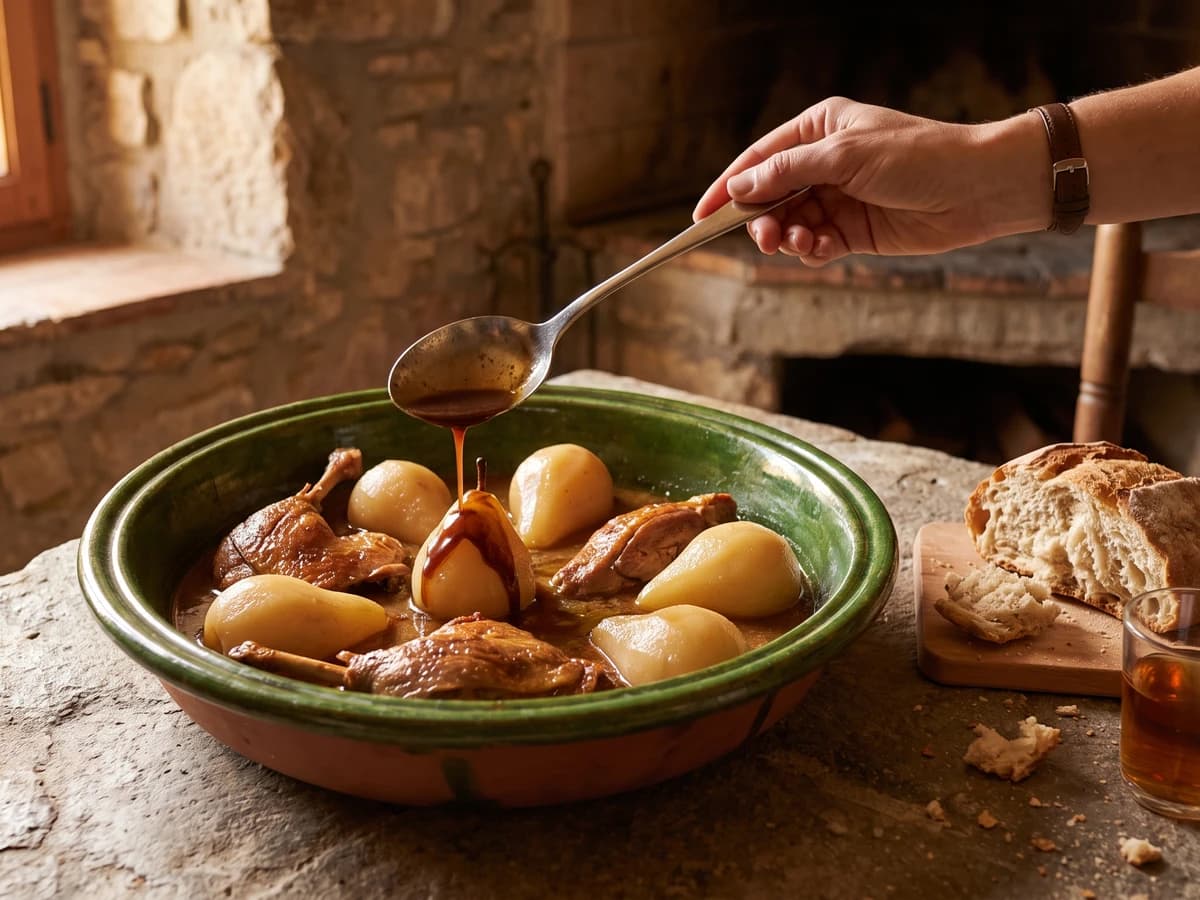
Ànec amb peres is Catalan celebration cooking: duck braised in a dark sofregit, firm autumn pears added near the end, and an almond-garlic picada that turns the juices into a close, glossy sauce.