Chef Isabel
Abanico Ibérico a la Plancha
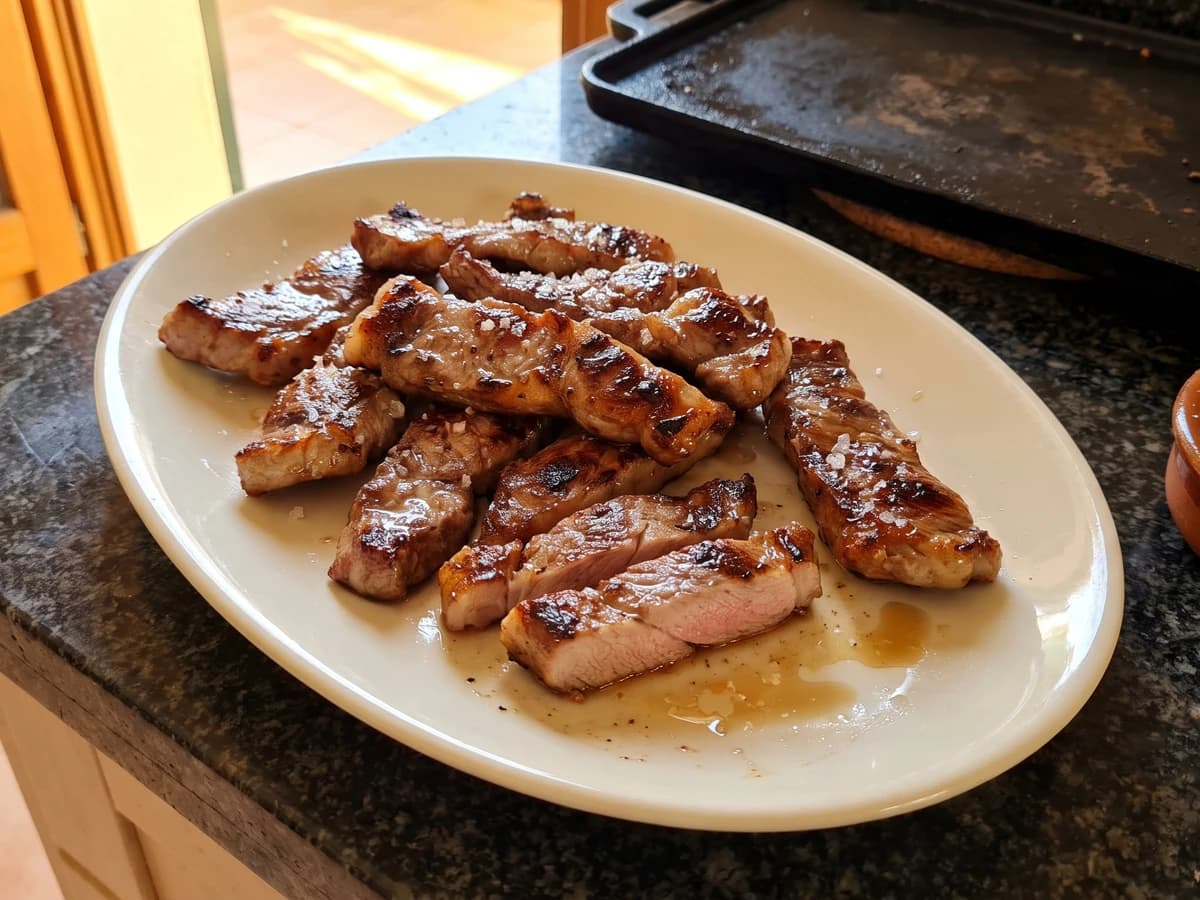
Extremadura's dehesa gives us this fan-shaped, marbled rib cut: salt it at the last moment, lay it on a fierce plancha, and count in seconds so the centre stays juicy.
A cooking platform built around craft, culture, and the stories behind what we eat.
Created by
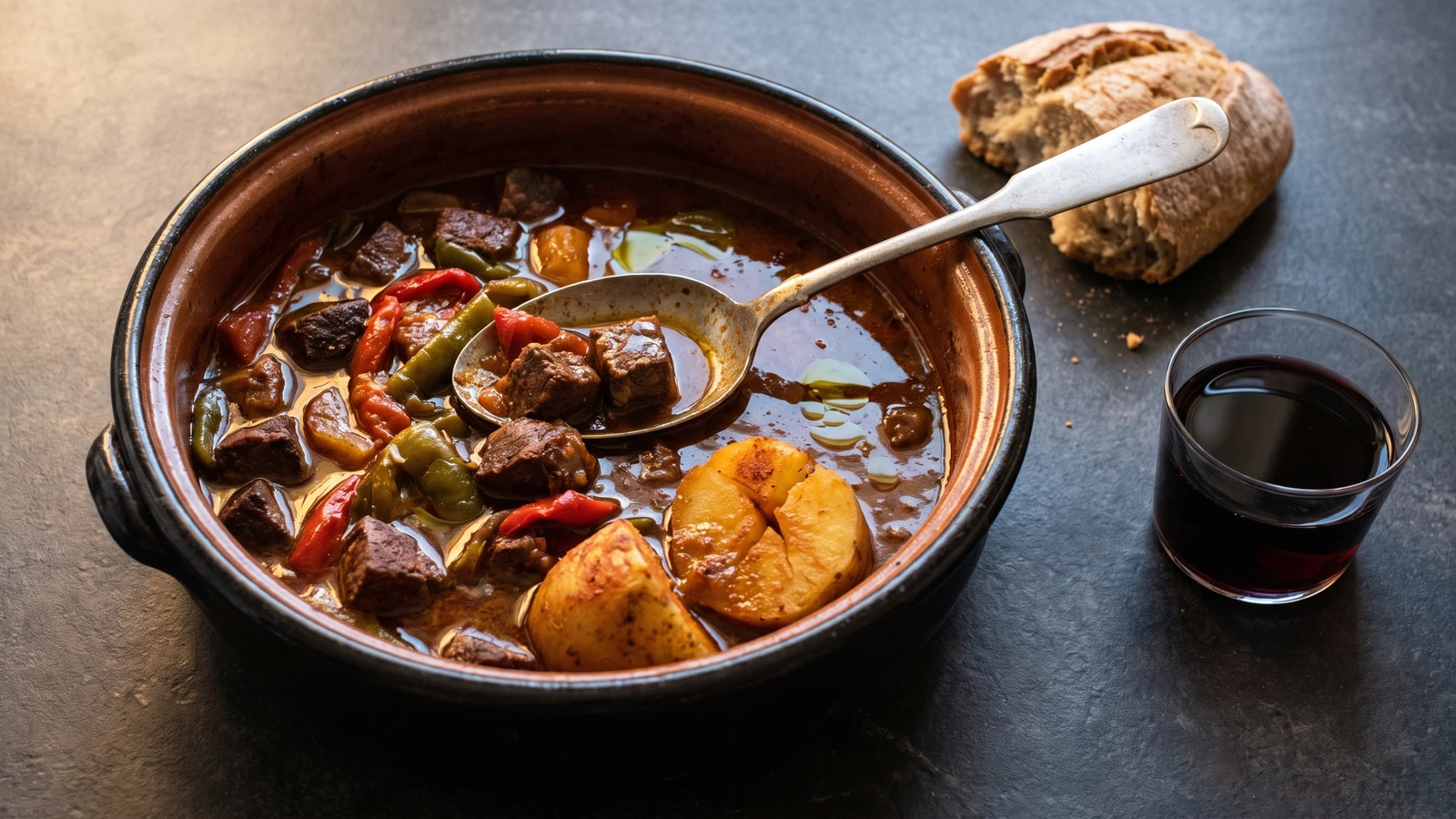
Extremadura’s hunting-pot stew turns wine-marinated venison, a dark, patient sofrito, peppers, and broken potatoes into deep cocina de cuchara that asks for low heat and tastes better tomorrow.
Caldereta de venado is Extremadura in a hunting pot: red deer from the sierra, red wine, peppers, garlic, pimentón de la Vera, and potatoes cooked until they drink the dark gravy. It is cocina de cuchara, spoon food, from the dehesa and the montería, not a beef stew with a grander name. The venison should taste deep and clean, the pepper sweet, and the sauce thick enough to cling without becoming paste.
The point that decides it is the simmer. Once the browned meat meets the sofrito, the slow onion-and-pepper base, keep the pot at a bare murmur until the shoulder gives under a fork. Venison shoulder is lean but rich in connective tissue; a hard boil tightens it before that tissue has time to soften. Add the chascadas potatoes, cut by breaking the last part of each chunk, only when the meat is nearly tender, so they thicken the liquor without collapsing. Siempre sale, si lo sigues.
If red deer is hard to find, use lamb shoulder, the honest Extremaduran answer, and call the result caldereta de cordero. It will be sweeter and fattier, with less of venison's mineral depth. Good beef chuck also braises properly, but it makes a beef caldereta, another thing. No hace falta haber pisado España. Find pimentón de la Vera if you can, use a dry red wine you'd drink, and give the pot its time.
The Margin beside this one says only: dry the marinated meat well before it meets the oil. Wet meat goes grey and gives the pot boiled wine before the wine belongs there. Brown it in batches, then build the sofrito in the same pot and keep every dark bit.
Caldereta de venado belongs to Extremadura’s sierras and dehesas, where montería, the traditional driven hunt, supplied households with red deer and made full use of the animal beyond its prized cuts. Shoulder, neck, and trimmings suited the caldero, the field cauldron, where wine and slow cooking softened firm meat while garlic, peppers, and pimentón de la Vera gave the pot its regional stamp. Potatoes stretched the meat at the family table and absorbed its liquor, making the household stew more substantial than many calderetas cooked beside a hunting gathering.
Quantity
1.5kg
trimmed and cut into 4cm pieces
Quantity
750ml
Quantity
10 cloves
4 lightly crushed and 6 finely chopped
Quantity
3
2 for the marinade and 1 for the stew
Quantity
2g
Quantity
1g
Quantity
10
Quantity
3g
Quantity
75ml
Quantity
300g
finely chopped
Quantity
250g
seeded and finely chopped
Quantity
150g
seeded and finely chopped
Quantity
400g
grated if fresh, crushed if canned
Quantity
8g
Quantity
400ml
Quantity
1kg
peeled and chascadas into 4cm pieces
Quantity
18g
divided
| Ingredient | Quantity |
|---|---|
| boneless venison shoulder or necktrimmed and cut into 4cm pieces | 1.5kg |
| dry red wine | 750ml |
| garlic4 lightly crushed and 6 finely chopped | 10 cloves |
| bay leaves2 for the marinade and 1 for the stew | 3 |
| dried thyme | 2g |
| dried oregano | 1g |
| black peppercorns | 10 |
| freshly ground black pepper | 3g |
| extra virgin olive oil | 75ml |
| onionsfinely chopped | 300g |
| red pepperseeded and finely chopped | 250g |
| green frying pepperseeded and finely chopped | 150g |
| ripe tomatoes or canned whole tomatoesgrated if fresh, crushed if canned | 400g |
| sweet pimentón de la Vera | 8g |
| water | 400ml |
| waxy potatoespeeled and chascadas into 4cm pieces | 1kg |
| fine sea saltdivided | 18g |
Put the venison in a non-reactive bowl or food-safe bag with the wine, 4 crushed garlic cloves, 2 bay leaves, thyme, oregano, and whole peppercorns. Turn the meat until every piece is coated, cover, and refrigerate for 12 to 24 hours. Turn it once if the wine does not completely cover it.
Set a sieve over a saucepan and drain the venison, keeping the wine but discarding the garlic, bay, herbs, and peppercorns. Spread the meat over a rack or clean tray and pat every piece thoroughly dry. Bring the strained marinade to a full boil for 5 minutes, skimming the surface, then set it aside. Marinade that has held raw meat must be boiled before it returns to the stew.
Season the dry venison with 10g of the salt and all the ground pepper. Heat 50ml of the olive oil in a wide, heavy casserole over medium-high heat. Brown the meat in four batches, leaving space between the pieces, for 3 to 4 minutes per batch. Turn each piece only after a dark crust has formed, then lift it to a bowl. Add a little of the remaining oil if the pot becomes dry.
Lower the heat to medium-low and add the remaining oil, the onions, both peppers, and 4g of the salt. Cook for 20 minutes, stirring often and scraping up the browned residue, until the vegetables are very soft and dark gold at the edges. Add the 6 chopped garlic cloves and cook for 1 minute. Add the tomato and cook for another 15 minutes, until the sofrito is thick, sweet, and almost dry, with the oil showing around its edges. That slow reduction removes the tomato's raw sharpness; rush it and the sauce stays thin.
Take the casserole off the heat, add the pimentón, and stir for 20 seconds. Return the venison and any juices from its bowl, then immediately pour in the boiled marinade. Add the remaining bay leaf and 250ml of the water. The liquid should come almost to the top of the meat without drowning it. Add a little more water if your casserole is especially wide.
Bring the liquid just to a simmer, cover with the lid slightly ajar, and lower the heat until only an occasional bubble breaks the surface. Cook for 1 hour 30 minutes, turning the meat gently every 30 minutes. Begin checking at that point. The venison is ready for the potatoes when a fork enters a piece but still meets some resistance. If it remains firm, continue for another 15 to 30 minutes before adding them.
Cut each potato chunk most of the way through, then twist the knife so the final edge breaks irregularly. This is chascar las patatas, and the rough surface releases enough starch to bind the sauce. Add the potatoes, the remaining 4g salt, and enough of the remaining water to bring the liquid halfway up them. Press them into the gravy without stirring the meat about.
Simmer uncovered for 35 to 40 minutes, moving the casserole by its handles once or twice, until the potatoes are tender and the venison yields easily to a fork. If the sauce is thin, lift out the meat and potatoes and reduce it for 5 to 10 minutes. If it is too thick, add water 30ml at a time. Remove the bay leaf, taste for salt, and rest the caldereta for 20 minutes before serving. The gravy should be glossy and cling to the meat, not run like soup.
1 serving (about 600g)
Culinary guides, cultural storytelling, and the editorial depth that makes cooking meaningful.
Discover Culinary ExplorerChef Isabel
Extremadura's dehesa gives us this fan-shaped, marbled rib cut: salt it at the last moment, lay it on a fierce plancha, and count in seconds so the centre stays juicy.

Chef Isabel
Aletría Murciana is Murcia's humble noodle guiso: fine fideos, pork ribs, potato, saffron, and a dark sweet sofrito. Get that base right and the pot knows where it's going.
Chef Isabel
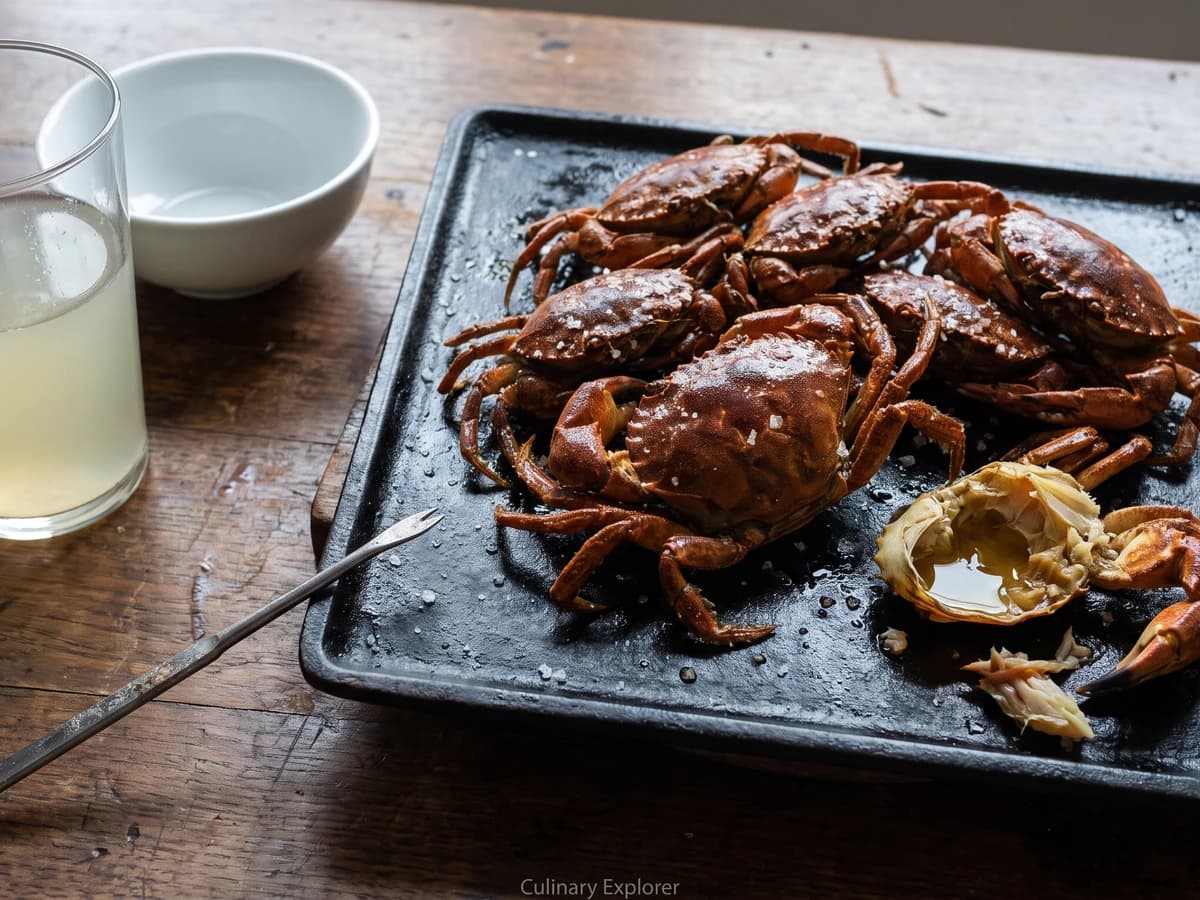
Asturias puts its small velvet crabs straight on a fierce plancha with salt and oil, keeping the shell liquor sweet and briny. Dry them well, cook them fast, and bring plenty of napkins.

Chef Isabel
Andrajos are Andalucía's dough-rag stew from Jaén and Granada: a slow rabbit guiso thickened with torn sheets of flour dough, rolled thin so they cook tender instead of gummy.