Chef Isabel
Aceitunas Aliñadas Andaluzas
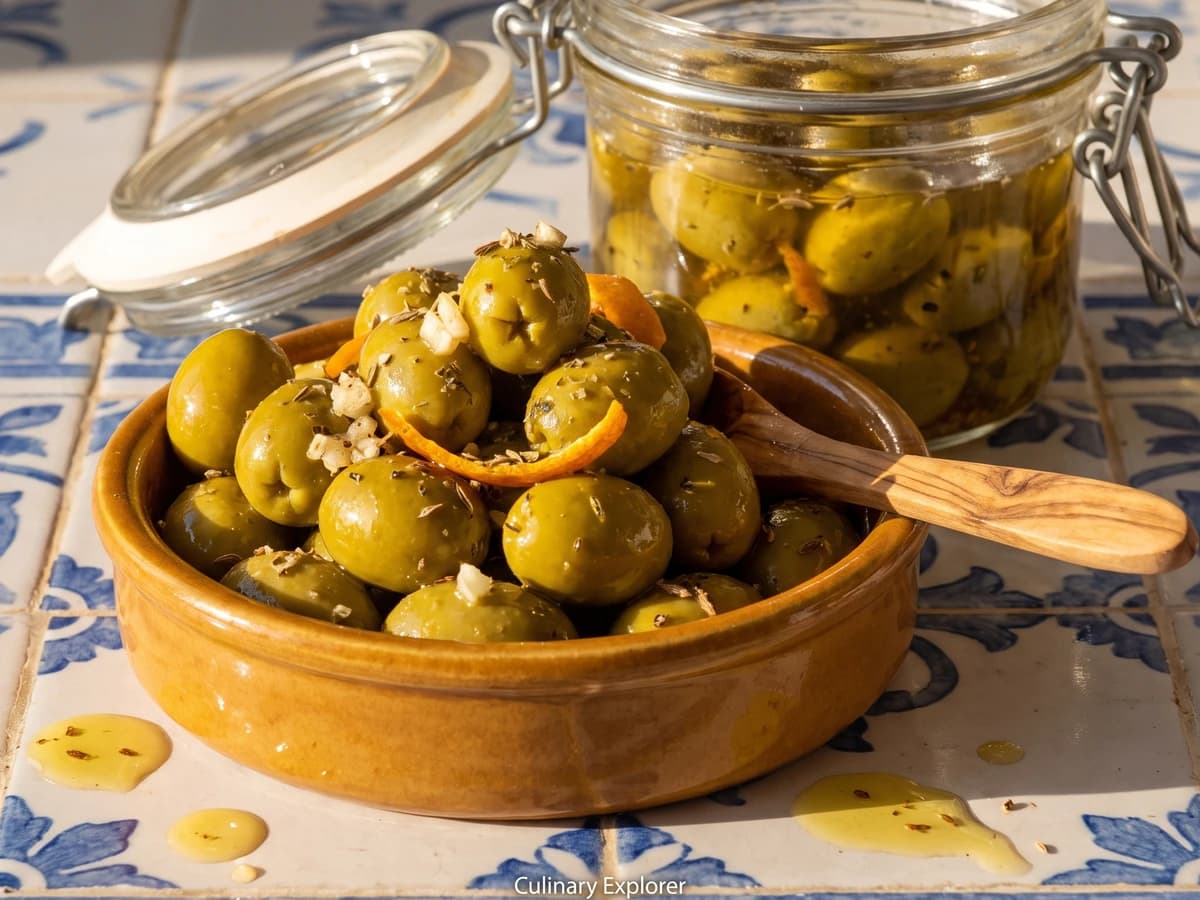
Andalucía's green olives are cracked just enough to drink in garlic, cumin, oregano and sherry vinegar, then left two days until the brine turns fragrant and every bite carries the aliño.
A cooking platform built around craft, culture, and the stories behind what we eat.
Created by
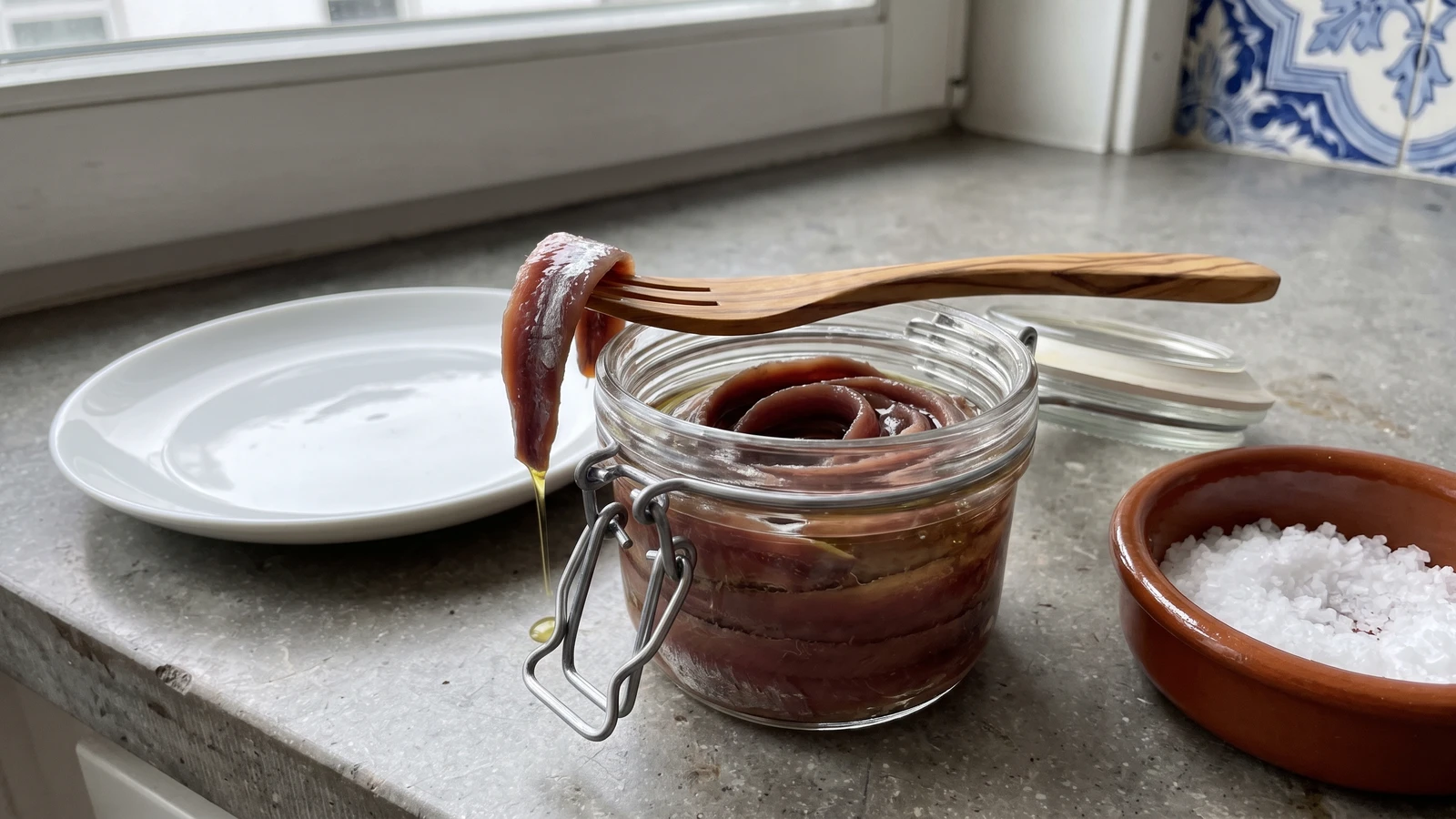
Cantabria's spring bocarte becomes anchoa through salt, pressure, and eight quiet months: keep every fish beneath its brine, then clean each fillet by hand and cover it with olive oil.
Anchoas del Cantábrico en salazón are Cantabrian, with Santoña at the heart of the work. Spring bocarte, the fresh anchovy, is headed, gutted, layered under coarse sea salt, pressed, and left to mature for months. Only after curing is it rubbed clean, divided into fillets, and laid beneath olive oil. This isn't boquerón en vinagre. Vinegar has no work here.
The method that decides the cure is simple: every fish must remain pressed beneath salt and strong brine for the whole maturation. An exposed shoulder dries or spoils while the buried flesh cures unevenly. Keep the anchovies covered and cold, and time turns them from silver and soft into flexible mahogany fillets with a deep, clean savouriness.
No hace falta haber pisado España. If Cantabrian bocarte never reaches your market, use whole European anchovy, Engraulis encrasicolus, caught in the Mediterranean and frozen promptly. It is the same species, though the fillets are often smaller, leaner, and a little firmer. Don't replace it with sardines and keep these timings; their thicker flesh needs another cure entirely.
At home I give the fish eight quiet months in the refrigerator, then open one and look: the backbone should lift cleanly and the flesh should be reddish brown through its thickest part. My Margin says, "Keep it covered, then leave it alone." Siempre sale, si lo sigues, it turns out if you follow it.
Santoña, on the Cantabrian coast, built its anchovy trade around the costera del bocarte, the spring run when the fish arrives large and well fed. In Cantabria, bocarte names the fresh fish; after months beneath salt and careful hand cleaning, it becomes anchoa. Sicilian salatori who settled around Santoña joined an older northern preserving trade and established the hand-filleted, oil-packed form for which the town became known.
Quantity
1kg
12-15cm long, very fresh, parasite-frozen and thawed overnight in the refrigerator
Quantity
1.2kg
for packing
Quantity
180g
for reserve brine
Quantity
500ml
boiled and cooled for reserve brine
Quantity
30g
for cleaning brine
Quantity
1 litre
for cleaning brine
Quantity
400ml
or enough to cover the fillets by 1cm
| Ingredient | Quantity |
|---|---|
| whole European anchovies (Engraulis encrasicolus)12-15cm long, very fresh, parasite-frozen and thawed overnight in the refrigerator | 1kg |
| coarse non-iodized sea saltfor packing | 1.2kg |
| coarse non-iodized sea saltfor reserve brine | 180g |
| waterboiled and cooled for reserve brine | 500ml |
| fine non-iodized sea saltfor cleaning brine | 30g |
| ice-cold waterfor cleaning brine | 1 litre |
| mild extra virgin olive oilor enough to cover the fillets by 1cm | 400ml |
Use anchovies frozen commercially for raw consumption if you can. Otherwise freeze very fresh fish in a verified freezer at -20°C or colder for seven full days, then thaw them overnight in the refrigerator. Keep the fish at 4°C or colder while you work, taking out only one small batch at a time.
For the reserve brine, boil 500ml water, add 180g coarse salt, and stir until dissolved. Cool it completely, then refrigerate; a few crystals appearing in the cold simply show that the brine is saturated. Separately dissolve 30g fine salt in 1 litre ice-cold water for cleaning the cured fish months later.
Grip each thawed anchovy just behind the gills. Pull the head downward toward the belly so the innards come away with it, leaving the skin, tail, and backbone intact. Trim away any remaining gut with small scissors. Don't soak the fish in fresh water; wipe away blood, or swish it briefly in a little reserved saturated brine and discard that used portion.
Spread a 1cm bed of coarse salt in a clean, completely dry 2-litre glass or glazed ceramic crock. Arrange one tight layer of anchovies without overlap, alternating head and tail ends so the layer stays level. Cover with 5mm salt and repeat until all the fish are packed. Finish with at least 2cm salt. Use the full measured amount, pésalo, no lo adivines.
Set a food-safe disk or small plate directly over the salt and place a clean 750g weight on top. Cover the crock and refrigerate at 2-4°C. Within 24 to 48 hours, dark rose brine should rise around the fish. If it doesn't cover them completely, pour in enough cold reserve brine to cover the disk. Check weekly for the first month and monthly after that, adding reserve brine whenever needed. Mature for eight months.
After eight months, remove one anchovy with clean tongs and brush away the salt. The flesh should be flexible and reddish brown from end to end, including the thick shoulder, with a clean savoury aroma. Split it and lift the backbone. If the spine clings or the centre remains pale and raw-looking, repack the fish beneath salt and brine for another month.
Take out only the quantity you intend to pack in oil. Swish each fish briefly in the ice-cold cleaning brine, then rub from head end to tail with a clean lint-free cloth to remove the skin. Trim the belly edge and tail. Open the fish along the belly, lift out the backbone, and separate it into two fillets. Remove any remaining pin bones with tweezers.
Lay the fillets between clean cloths or absorbent paper and press them gently for 30 minutes, changing the paper once. They must be dry before oil touches them. Arrange the fillets closely in clean small jars, pour in olive oil until they are covered by 1cm, and tap the jars to release trapped air. Refrigerate for 24 hours before serving, then use within 14 days.
1 serving (about 35g)
Culinary guides, cultural storytelling, and the editorial depth that makes cooking meaningful.
Discover Culinary ExplorerChef Isabel
Andalucía's green olives are cracked just enough to drink in garlic, cumin, oregano and sherry vinegar, then left two days until the brine turns fragrant and every bite carries the aliño.
Chef Isabel
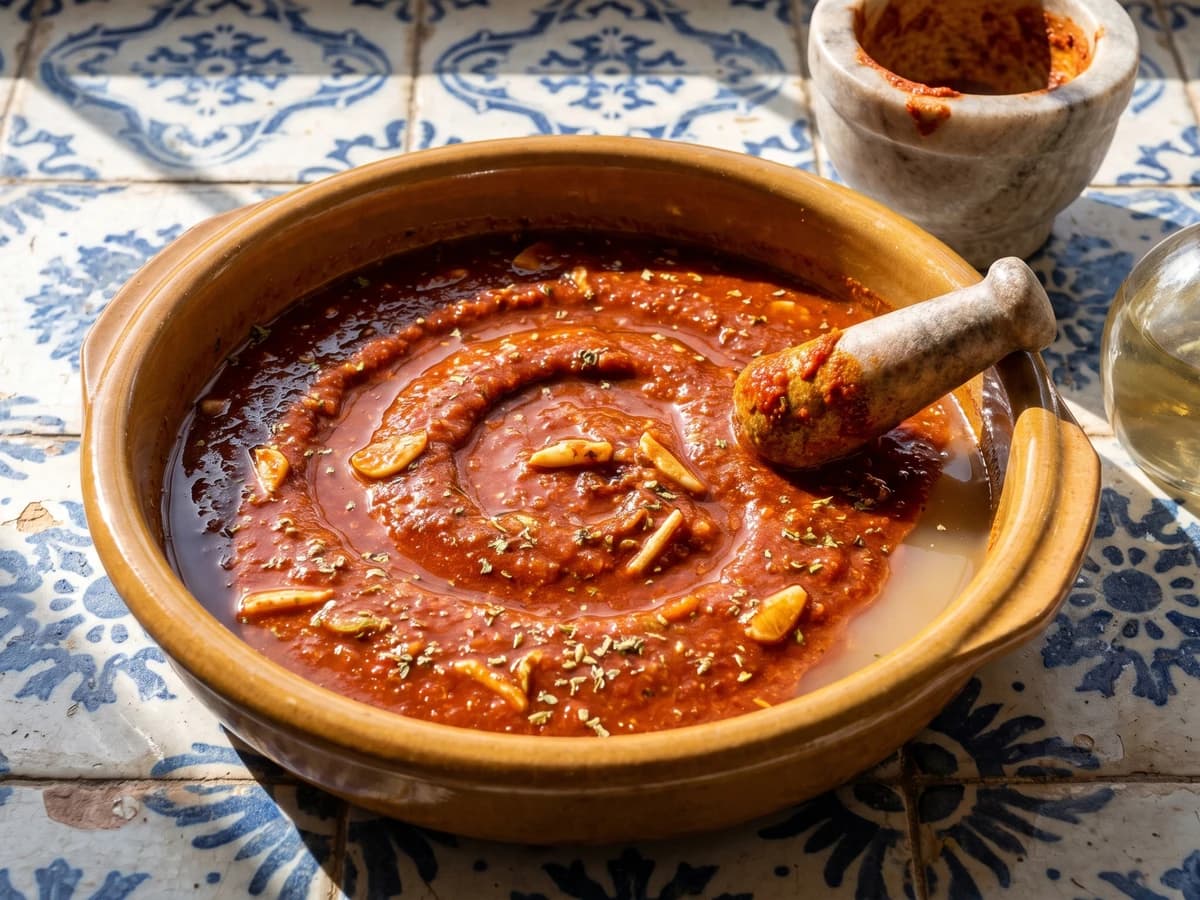
Andalucía's sharp, brick-red marinade brings vinegar, garlic, oregano, cumin and pimentón to fish and pork; pound the seasonings first, then give the acid time to carry them through.
Chef Isabel
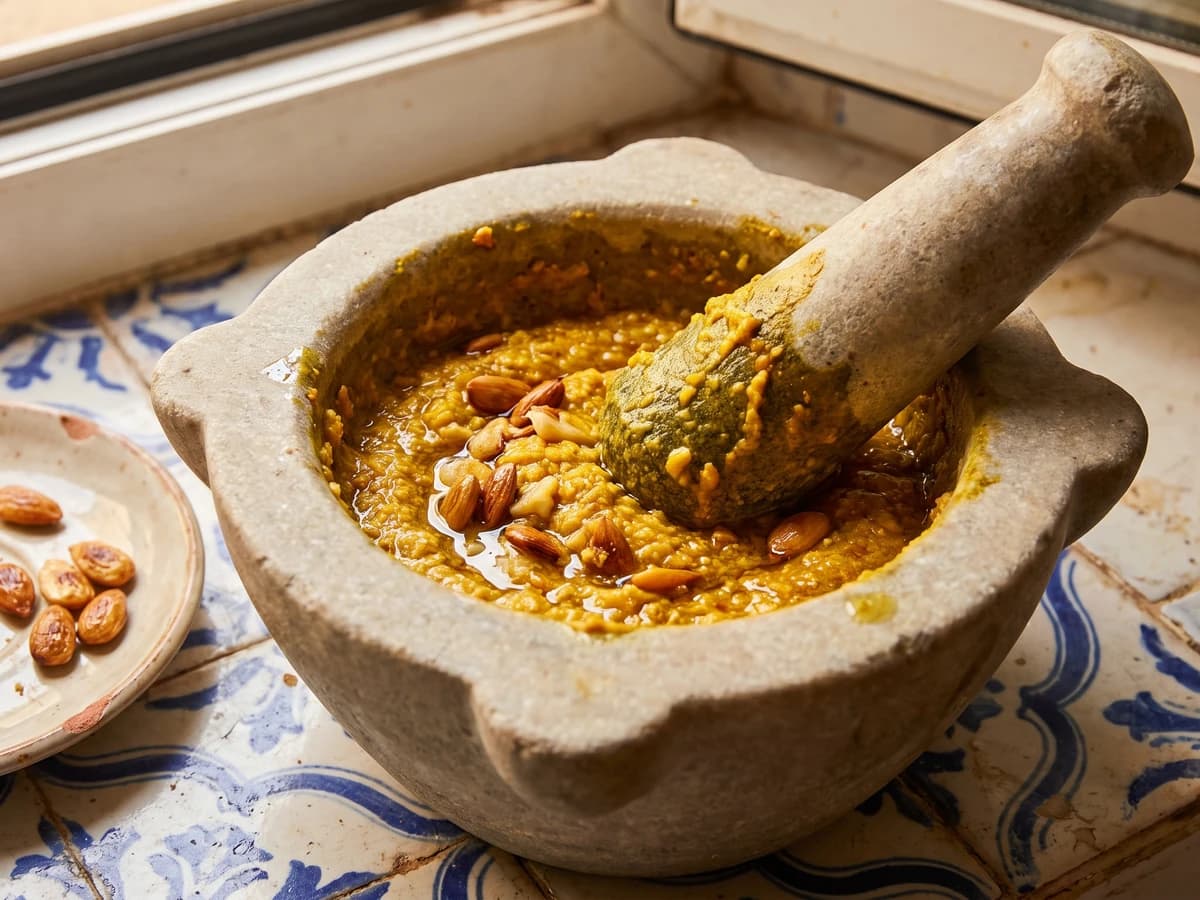
Almería's ajopollo turns fried garlic, almonds, bread and saffron into a golden mortar paste that gives modest fish and potato guisos their body, richness and unmistakable southern depth.
Chef Isabel
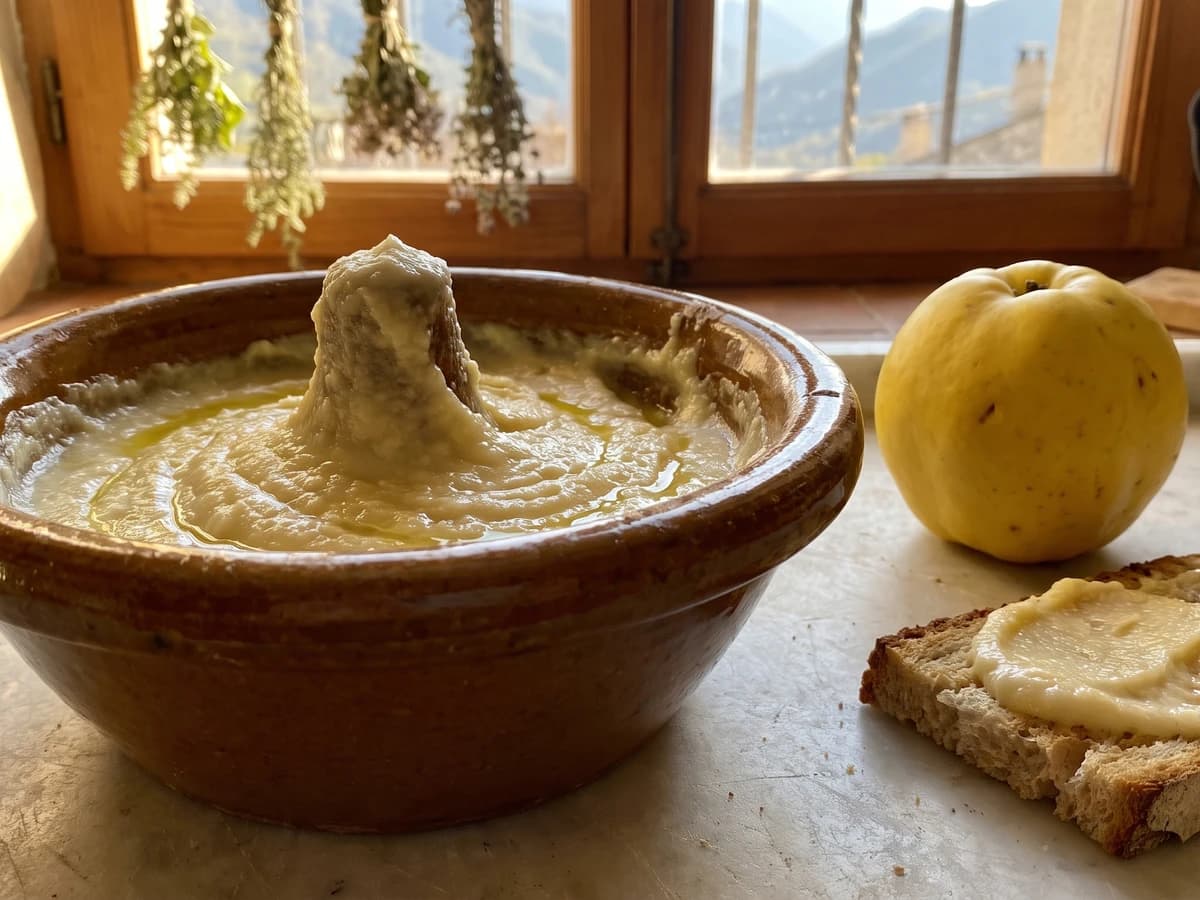
Allioli de codony belongs to the Catalan Pyrenees: boiled quince, raw garlic, salt, and olive oil worked into a thick, fragrant sauce for grilled meat, sausages, bread, and the autumn table.