Chef Juliette
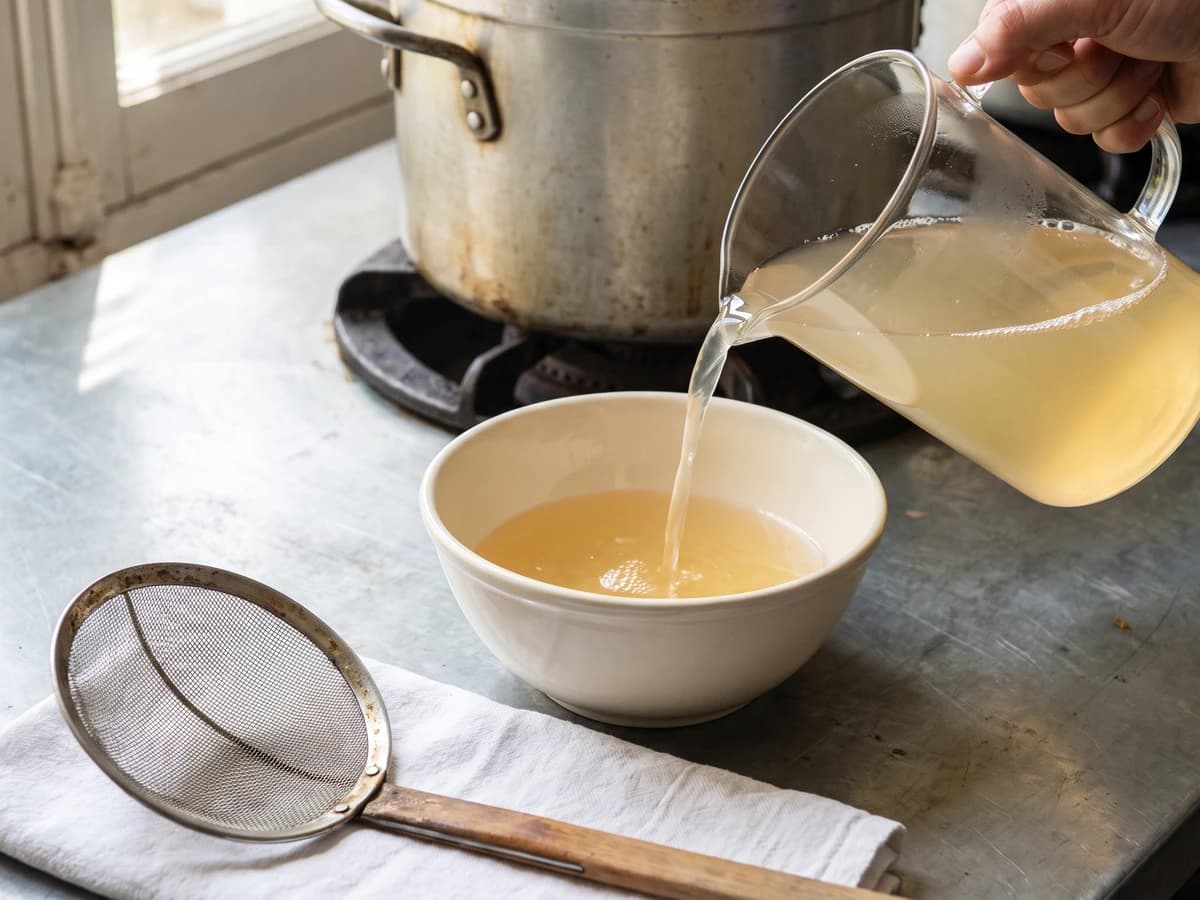
Ordinary or White Consommé
Beef shin, lean beef, and fowl begin in cold water and rise slowly toward a tremble. Skim before the boil, and you learn the quiet discipline that gives every clear French broth its backbone.
A cooking platform built around craft, culture, and the stories behind what we eat.
Created by Chef Juliette
Based on No. 329b, Cherries à l’Allemande, from Le Guide Culinaire (1907) by Auguste Escoffier
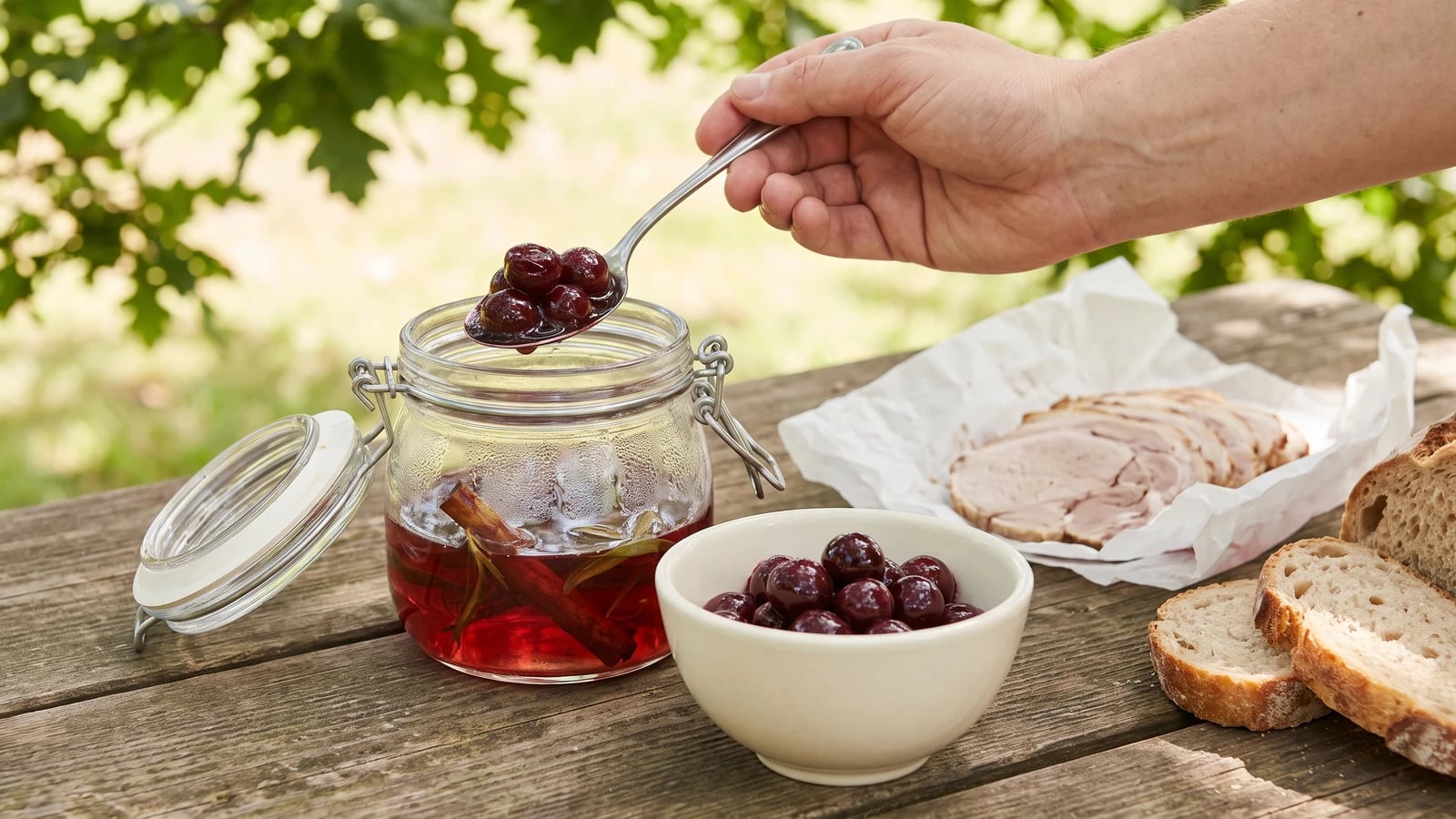
Morello cherries, clove, cinnamon, nutmeg, and tarragon steep for a fortnight in sweetened vinegar, becoming the bright, sharp-sweet spoonful that wakes cold meats and a picnic pâté.
Cherries à l’Allemande (German-style pickled cherries) teaches the quiet discipline of macération, the slow steeping that lets acid, sugar, fruit, and spice become one condiment. The one true thing is simple: the fortnight is not storage after the recipe, the fortnight is the recipe. Taste too early and you have sour cherries sitting in vinegar; wait, and you have a glossy, sharp-sweet relish with clove in its depths and tarragon at the edge.
The source entry assumes neither a saucier, a stockpot kept on the fire, nor a salamander. Its professional scaffolding is a five-pound lot, one large corked bottle, and a reliably cool store. Here the batch is halved, the bottle becomes one wide-mouthed glass jar with a nonreactive lid, and refrigeration replaces an unmonitored cellar because the preserve isn't heat-processed. The vinegar-to-sugar ratio, every flavoring, the original sequence, and the full fortnight remain. One cook, one stove, one evening of work, then patience.
When it is ready, the cherries remain whole and gently yielding, their liquor garnet and bright enough to cut through ham, cold pork, game, or pâté. The step that protects that texture comes before the waiting begins: cool the boiled sweet vinegar completely before it touches the fruit. Warm liquor softens and splits the skins, so let the saucepan lose every trace of heat.
Within the French classical cold-table repertoire, à l’Allemande identifies a German-style sweet-sour treatment rather than a dish native to Lyon, Burgundy, or Provence. Vinegar-preserved sour fruits belong to German-speaking Central European larders, where they accompany game, charcuterie, and cold roast meats; French kitchens kept that table logic and filed these cherries among condiments. Despite their sweetness, they are neither jam nor dessert fruit: vinegar, spice, and a fortnight’s rest make a relish.
Quantity
2½ lb (1.13 kg / about 8 cups)
rinsed, thoroughly dried, stems removed, unpitted
Quantity
4 cups (950 ml / about 960 g)
Quantity
½ packed cup (120 ml / 113 g)
firmly packed
Quantity
1½ cloves
one clove snapped across the middle
Quantity
1 piece, ½ inch (1.25 cm / about 1 g)
Quantity
⅛ teaspoon (0.6 ml / about 0.3 g)
Quantity
1 small sprig (about 2 in / 5 cm; 1 g)
| Ingredient | Quantity |
|---|---|
| fresh Morello cherriesrinsed, thoroughly dried, stems removed, unpitted | 2½ lb (1.13 kg / about 8 cups) |
| white wine vinegar, 5% acidity | 4 cups (950 ml / about 960 g) |
| light brown sugarfirmly packed | ½ packed cup (120 ml / 113 g) |
| whole clovesone clove snapped across the middle | 1½ cloves |
| cinnamon stick fragment | 1 piece, ½ inch (1.25 cm / about 1 g) |
| freshly grated nutmeg | ⅛ teaspoon (0.6 ml / about 0.3 g) |
| fresh tarragon | 1 small sprig (about 2 in / 5 cm; 1 g) |
Wash a 3-quart glass preserving jar and its nonreactive lid on a hot dishwasher cycle, or scrub them in very hot soapy water, rinse well, and let them air-dry. Rinse the cherries, dry them thoroughly, and discard any fruit that is bruised, split, or beginning to soften. Remove the stems but leave the stones intact, as the source preparation does; whole cherries hold their shape and keep a faint almond perfume around the fruit.
Put the cloves, cinnamon, nutmeg, and tarragon into the jar. Add the cherries by the handful, settling them with a gentle shake rather than pressing them down. Leave at least 1 inch of headroom so the liquor can circulate around the fruit.
Combine the white wine vinegar and brown sugar in a stainless-steel saucepan. Bring them to a full boil over medium heat, stirring only until the sugar dissolves, then boil for 1 minute. The liquor should look clear and tawny, not thick or syrupy. Don't reduce it further; the source calls for sweetened vinegar, and concentrating it would change the balance.
Remove the saucepan from the heat and let the liquor cool completely to room temperature, about 1 hour. Test the side and bottom of the pan with your palm before pouring. Even faint warmth begins cooking the cherries and encourages their skins to split, while cold liquor preserves their plumpness through the long macération.
Pour the cooled liquor over the cherries until every one is covered. Add a clean glass pickle weight if the fruit floats. If the liquor comes up short, don't add water. Ça se rattrape: boil an additional ½ cup (120 ml / about 120 g) vinegar with 1 tablespoon (15 ml / 14 g) brown sugar, cool it completely, and add only what is needed. That keeps the source ratio intact.
Close the jar and refrigerate it undisturbed for 14 days. Keep the cherries submerged and resist opening the jar for an early taste; the waiting is the dish. At the end of the fortnight, the liquor will be garnet, the vinegar's raw edge will have rounded, and the cherries will taste of spice all the way to their stones.
Lift out the cherries with a clean slotted spoon and let the excess liquor drain back into the jar. Serve them beside cold roast pork, ham, game, pâté, or a picnic terrine, and tell everyone plainly that the stones remain inside. Return the rest to the refrigerator with the fruit submerged. À table!
1 serving (about 60g)
Culinary guides, cultural storytelling, and the editorial depth that makes cooking meaningful.
Discover Culinary ExplorerChef Juliette
Beef shin, lean beef, and fowl begin in cold water and rise slowly toward a tremble. Skim before the boil, and you learn the quiet discipline that gives every clear French broth its backbone.
Chef Juliette
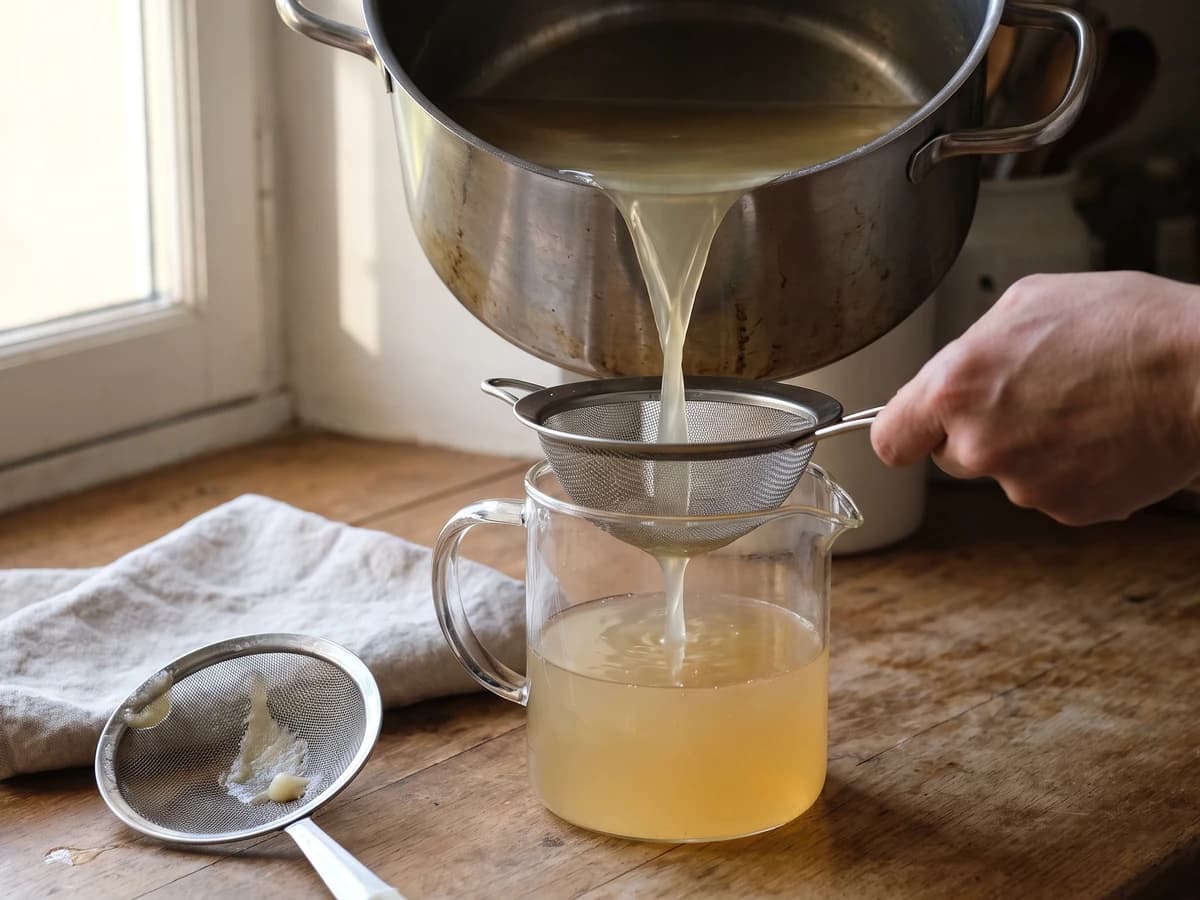
Break the veal bones small, then give them eight hours at a bare tremble. This pale, gelatinous fond becomes the quiet foundation beneath velouté, blanquette, and every sauce that must stay light.
Chef Juliette
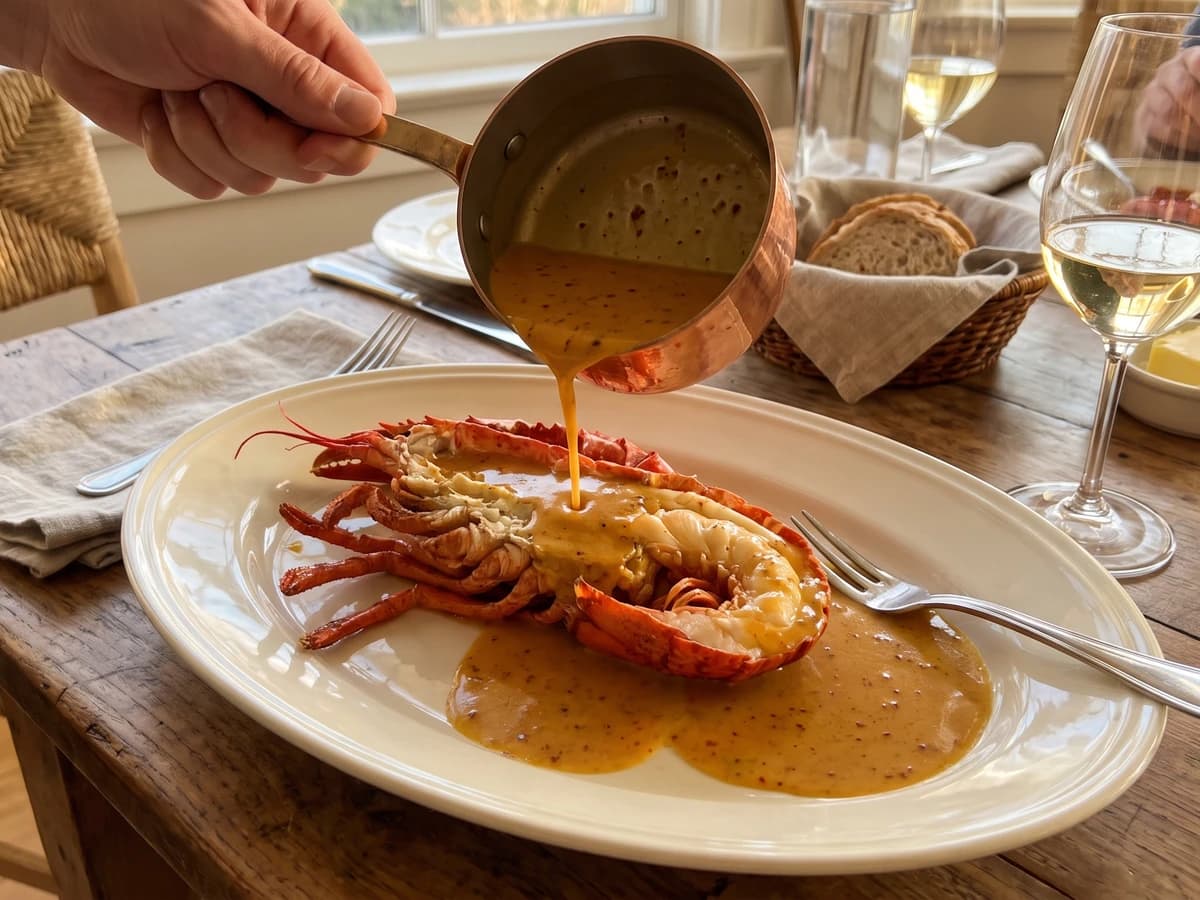
Sauce Orientale concentrates lobster-rich American Sauce with curry, then folds in cream away from the fire: a glossy, gently spiced derivative made for lobster, crayfish, and firm fish.
Chef Juliette
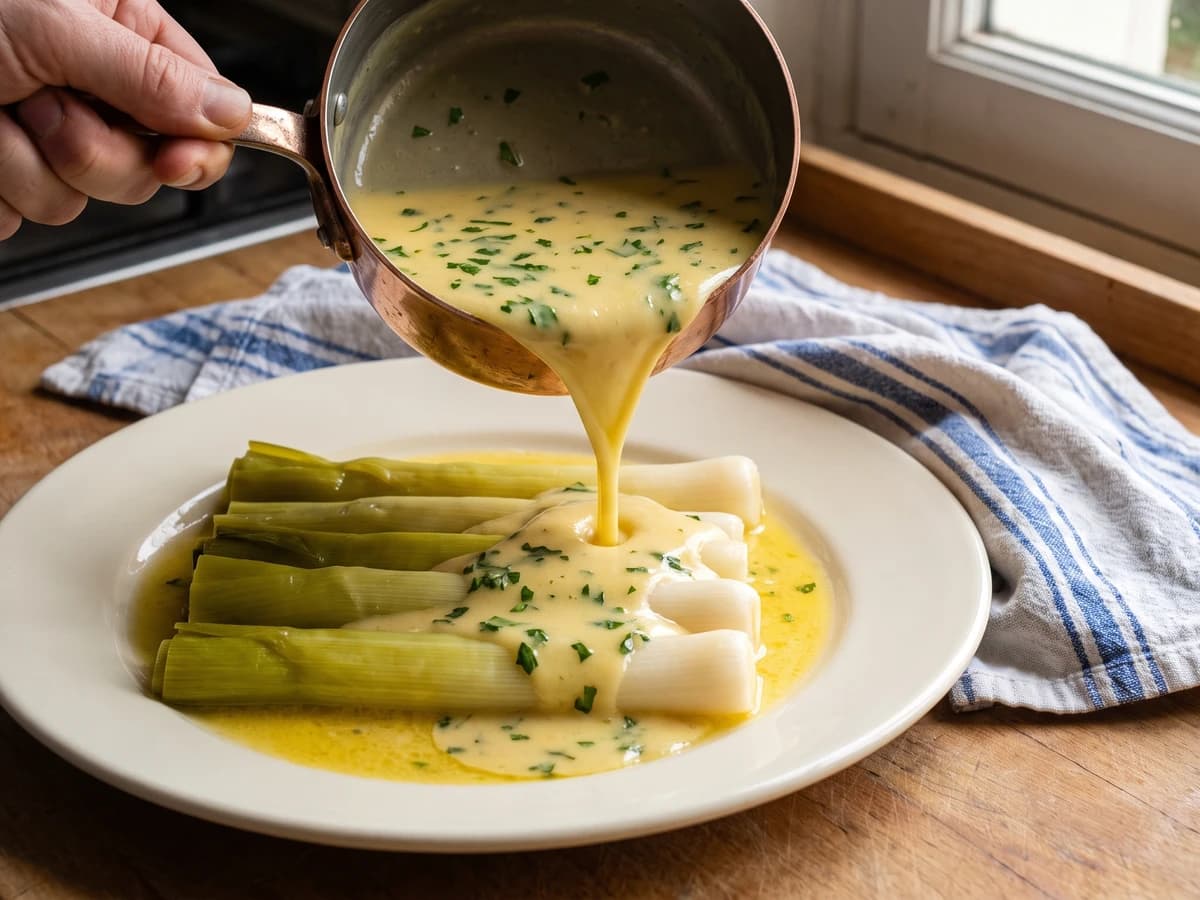
An old lesson in sauce families: Sauce Allemande takes mushroom liquor, then butter, lemon, and parsley, becoming a glossy Poulette for sheep's trotters, leeks, cauliflower, and anything needing gentle richness with a bright edge.