Chef Juliette
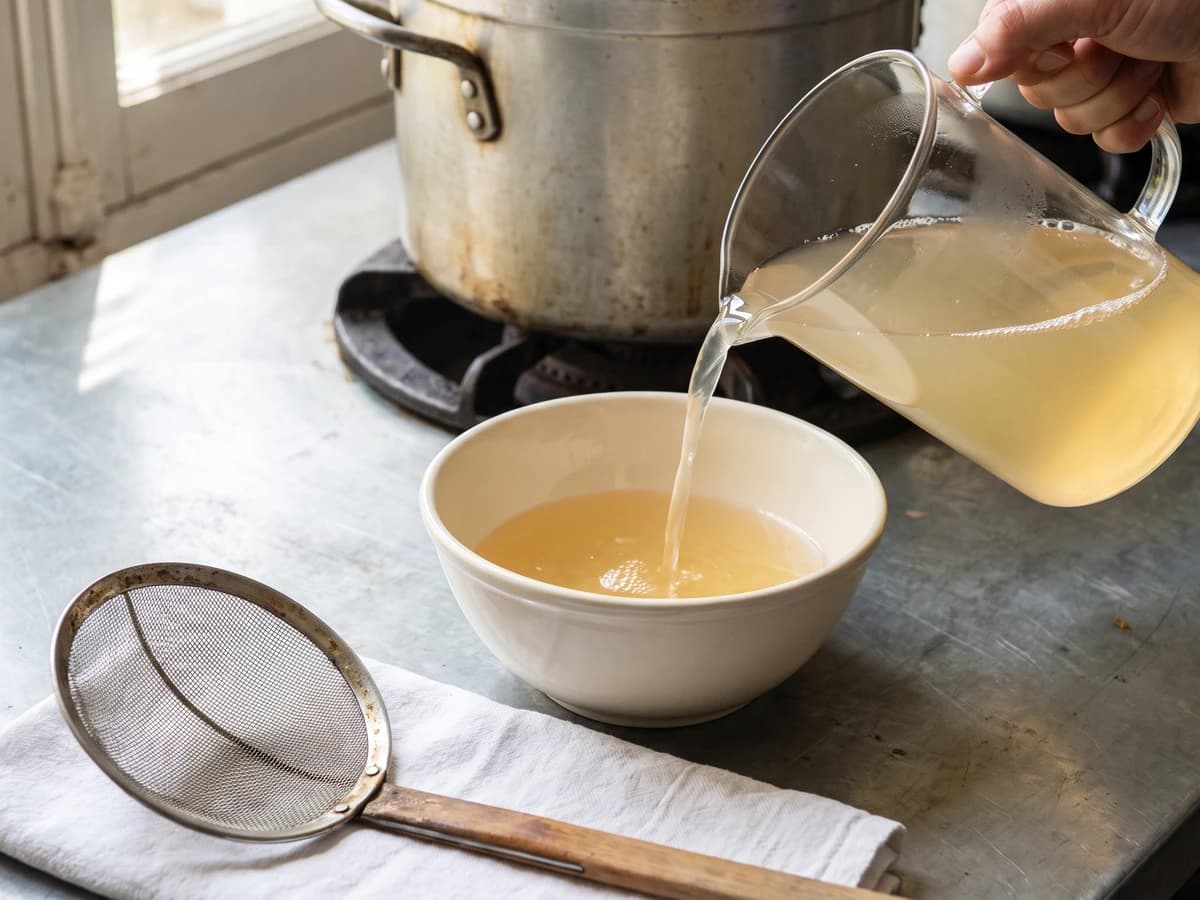
Ordinary or White Consommé
Beef shin, lean beef, and fowl begin in cold water and rise slowly toward a tremble. Skim before the boil, and you learn the quiet discipline that gives every clear French broth its backbone.
A cooking platform built around craft, culture, and the stories behind what we eat.
Created by Chef Juliette
Based on No. 2960, Plum Jam, from Le Guide Culinaire (1907) by Auguste Escoffier
Confiture de prunes protects the plum’s color by refusing a long maceration: stoned fruit enters a seven-minute sugar syrup, then cooks fast to a clear, bright, tender set.
Confiture de prunes teaches one law of preserving: color is protected by speed. Never bury the stoned plums in sugar and leave them to macerate. Their acid darkens the waiting fruit, spoiling the clear ruby, amber, or green color you ought to see in the jar.
The old formula assumed loaf sugar, a broad copper preserving basin, and quantities suited to a well-stocked preserving room. For one cook, one stove, one evening, ordinary white granulated sugar replaces the loaf sugar, a wide stainless-steel pan replaces the copper basin, and the batch becomes four pounds of stoned fruit. The copper and brigade quantity are scaffolding and can go. The original proportion, twelve ounces of sugar for every pound of fruit, and the separate seven-to-eight-minute syrup boil must stay because they are the dish.
The finished confiture should hold tender pieces of plum in a glossy syrup that settles softly on a spoon, never rubbery and never runny. Your decisive step is judging the set early and taking the pan off at the first clean wrinkle on a chilled plate.
Plum preserves belong to household pantries across France, with Lorraine, especially around Metz and Nancy, bottling golden mirabelles while reine-claudes appear wherever their brief season is prized. The grand canon formalized a domestic practice and corrected a persistent misconception: preserves are not a hiding place for exhausted fruit, because sound plums and a quick fire produce the clearest flavor and finest color.
Quantity
about 12 cups (2.8 L / 1.81 kg) after stoning; buy about 4½ lb (2 kg) whole fruit
stoned and halved or quartered
Quantity
6¾ cups (1.6 L / 1.36 kg)
weighed at exactly 12 oz per 1 lb stoned fruit
Quantity
1½ cups (360 ml / 360 g), plus 1 to 2 tablespoons (15 to 30 ml / 15 to 30 g) only if needed
for dissolving the sugar and correcting an over-firm set
| Ingredient | Quantity |
|---|---|
| ripe but firm plumsstoned and halved or quartered | about 12 cups (2.8 L / 1.81 kg) after stoning; buy about 4½ lb (2 kg) whole fruit |
| white granulated sugarweighed at exactly 12 oz per 1 lb stoned fruit | 6¾ cups (1.6 L / 1.36 kg) |
| waterfor dissolving the sugar and correcting an over-firm set | 1½ cups (360 ml / 360 g), plus 1 to 2 tablespoons (15 to 30 ml / 15 to 30 g) only if needed |
Place two small saucers in the freezer for testing the set. Wash eight 250 ml preserving jars, prepare new lids according to their maker’s directions, and hold the jars hot in a water-bath canner fitted with a rack. Keep enough water in the canner to cover the filled jars by at least 1 inch (2.5 cm).
Stone the plums and weigh out 4 lb (1.81 kg) after the stones are removed. Halve small plums and quarter large ones so they cook at the same pace. Leave them unsugared beside the stove only while you make the syrup. Do not macerate them: the acid in the waiting fruit blackens its color.
Combine the sugar and 1½ cups (360 ml / 360 g) water in a wide, heavy, nonreactive preserving pan. Warm gently, stirring only until every grain dissolves and the syrup turns clear, then skim away any dull froth. Bring it to a full boil and boil uncovered for seven to eight minutes without stirring. This separate syrup is not brigade ceremony; it protects the fruit from a long wait under dry sugar. If crystals form around the sides, lower the heat and cover the pan for one minute so condensation washes them down, then continue. Ça se rattrape.
Slide the plums carefully into the boiling syrup. The syrup may stiffen briefly around the cooler fruit, which looks alarming but is exactly right; the plum juices will loosen it. Return the pan to a strong rolling boil and cook rapidly, stirring across the bottom with a flat wooden spoon so nothing catches. Begin checking after 12 minutes and expect 15 to 25 minutes altogether, depending on the variety and ripeness. Reine-claude needs this small batch, broad pan, and quick fire to keep its fine green color.
Drop a teaspoon of confiture onto a frozen saucer, wait 30 seconds, then push it with one finger. It is ready when the surface wrinkles lightly and the path left by your finger does not immediately flood. The syrup should also fall from a cold spoon in a broad sheet rather than separate drops; at sea level, a thermometer usually reads 104 to 105°C (219 to 221°F), but the plate test governs. If it runs, boil for two more minutes and test again. If it turns stiff or ropey before filling, remove it from the heat and stir in boiling water 1 tablespoon (15 ml / 15 g) at a time until it relaxes. Skim the surface clean and stop cooking promptly, because the confiture firms further in the jar.
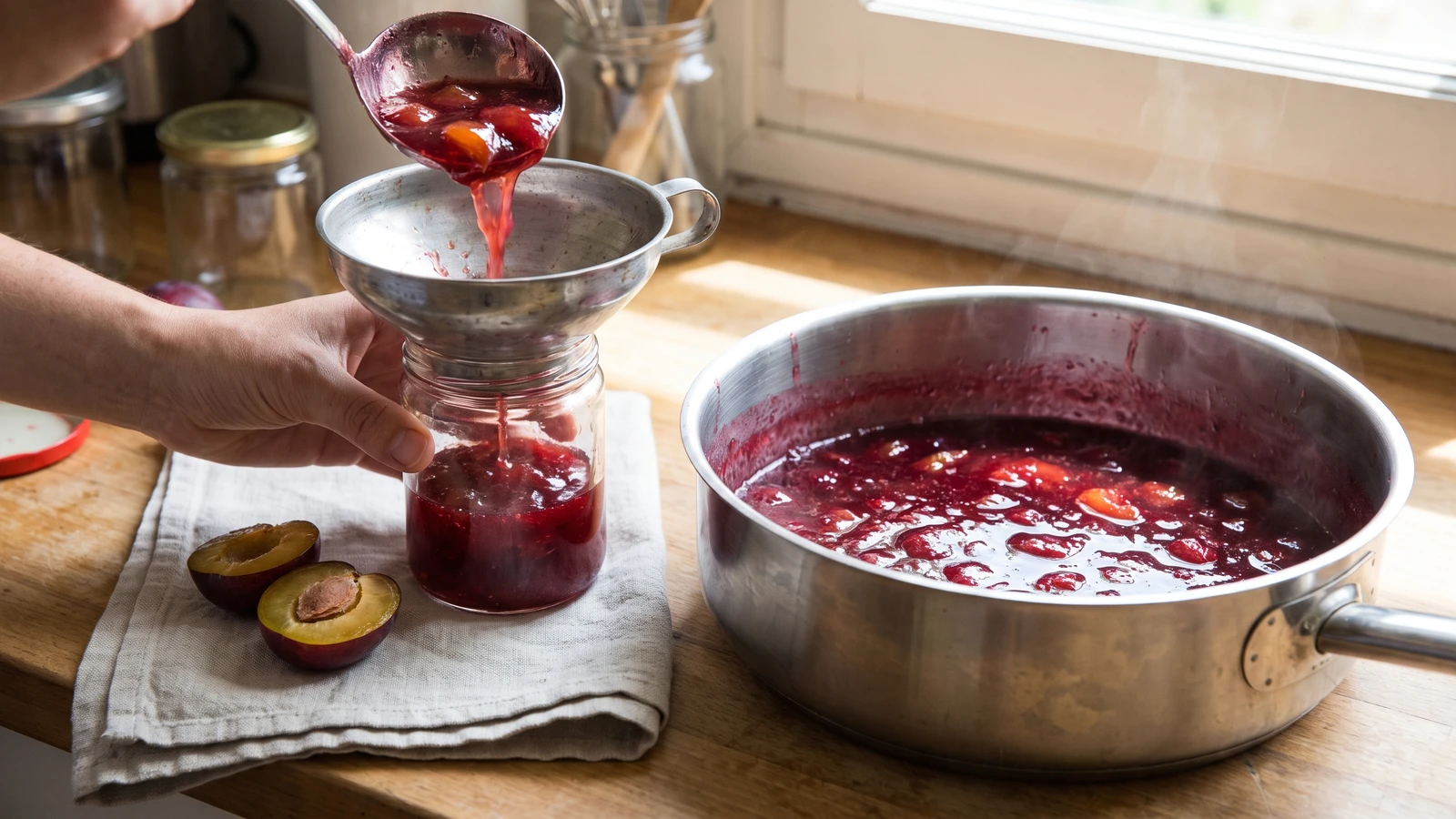
Ladle the hot confiture into the hot jars, leaving ¼ inch (6 mm) headspace. Release trapped air with a clean narrow spatula, wipe the rims, fit the lids, and tighten the bands only to fingertip tightness. Lower the jars into the boiling-water bath, cover, and process for 10 minutes once the water returns to a full boil. Increase the processing time for altitude according to local preserving guidance.
Lift the jars straight up and place them on a towel without tilting. Leave them untouched for 12 to 24 hours, then check that every lid is firmly sealed. The set may take a full day to settle, so do not condemn a soft-looking jar while it is warm. Remove the bands, label the jars, and store them in a cool, dark cupboard. Refrigerate any jar that fails to seal.
1 serving (about 310g)
Culinary guides, cultural storytelling, and the editorial depth that makes cooking meaningful.
Discover Culinary ExplorerChef Juliette
Beef shin, lean beef, and fowl begin in cold water and rise slowly toward a tremble. Skim before the boil, and you learn the quiet discipline that gives every clear French broth its backbone.
Chef Juliette
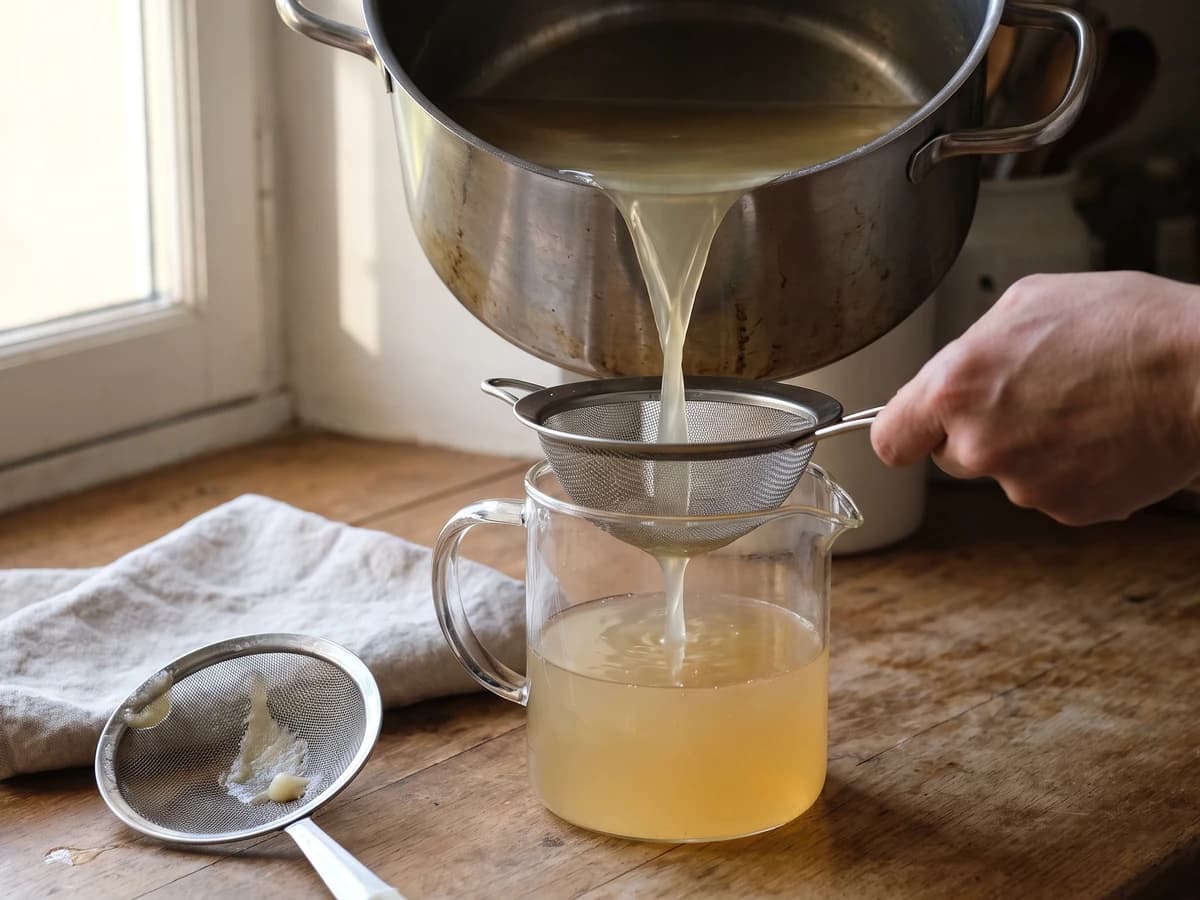
Break the veal bones small, then give them eight hours at a bare tremble. This pale, gelatinous fond becomes the quiet foundation beneath velouté, blanquette, and every sauce that must stay light.
Chef Juliette
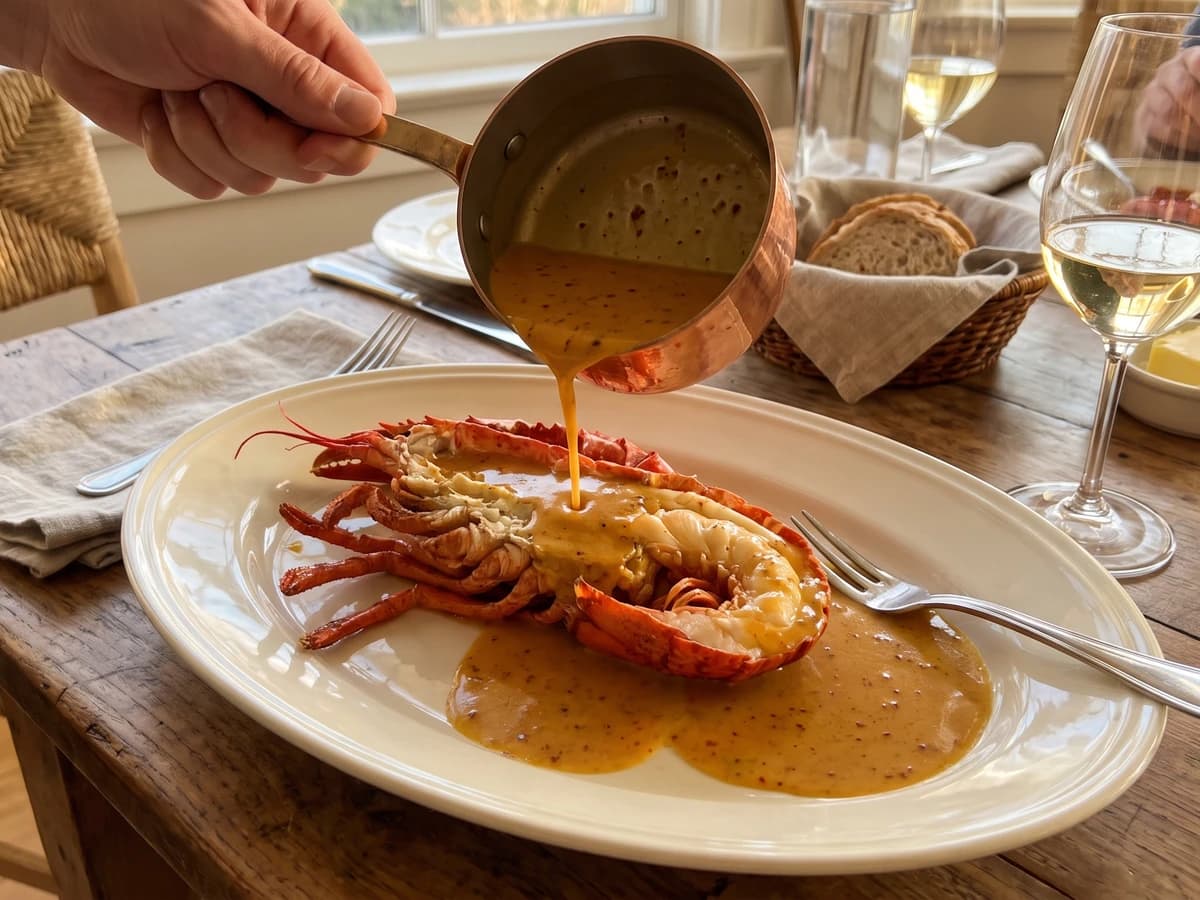
Sauce Orientale concentrates lobster-rich American Sauce with curry, then folds in cream away from the fire: a glossy, gently spiced derivative made for lobster, crayfish, and firm fish.
Chef Juliette
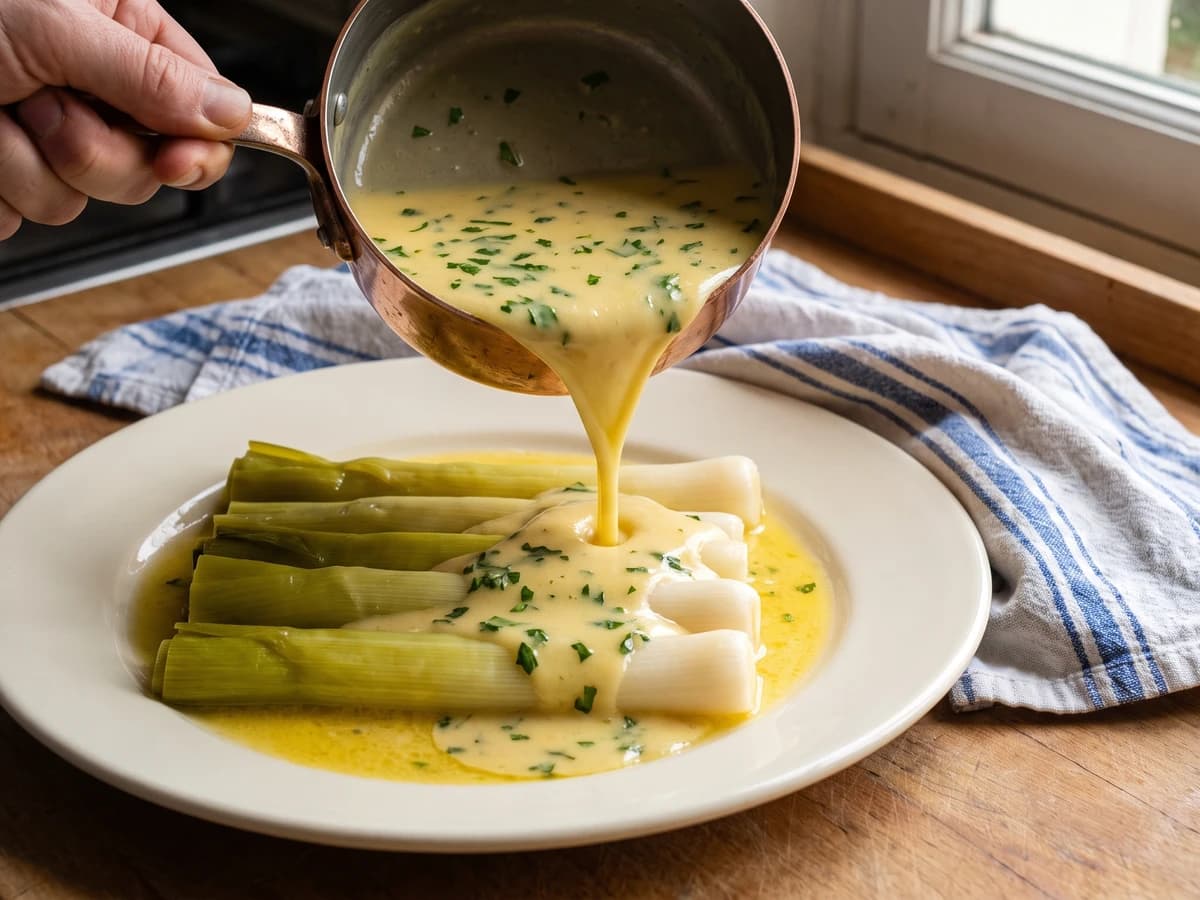
An old lesson in sauce families: Sauce Allemande takes mushroom liquor, then butter, lemon, and parsley, becoming a glossy Poulette for sheep's trotters, leeks, cauliflower, and anything needing gentle richness with a bright edge.