Chef Juliette
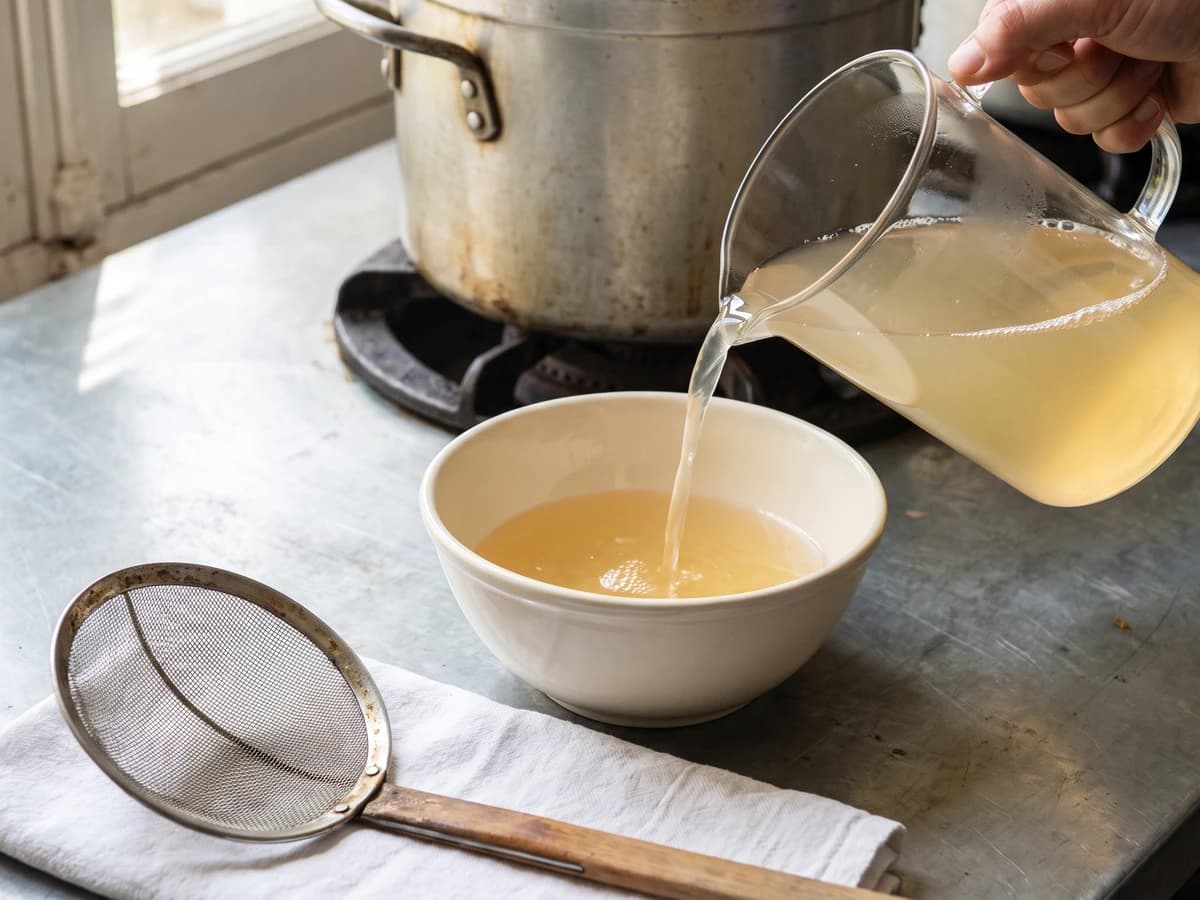
Ordinary or White Consommé
Beef shin, lean beef, and fowl begin in cold water and rise slowly toward a tremble. Skim before the boil, and you learn the quiet discipline that gives every clear French broth its backbone.
A cooking platform built around craft, culture, and the stories behind what we eat.
Created by Chef Juliette
Based on No. 2412, Sauce Orange, from Le Guide Culinaire (1907) by Auguste Escoffier
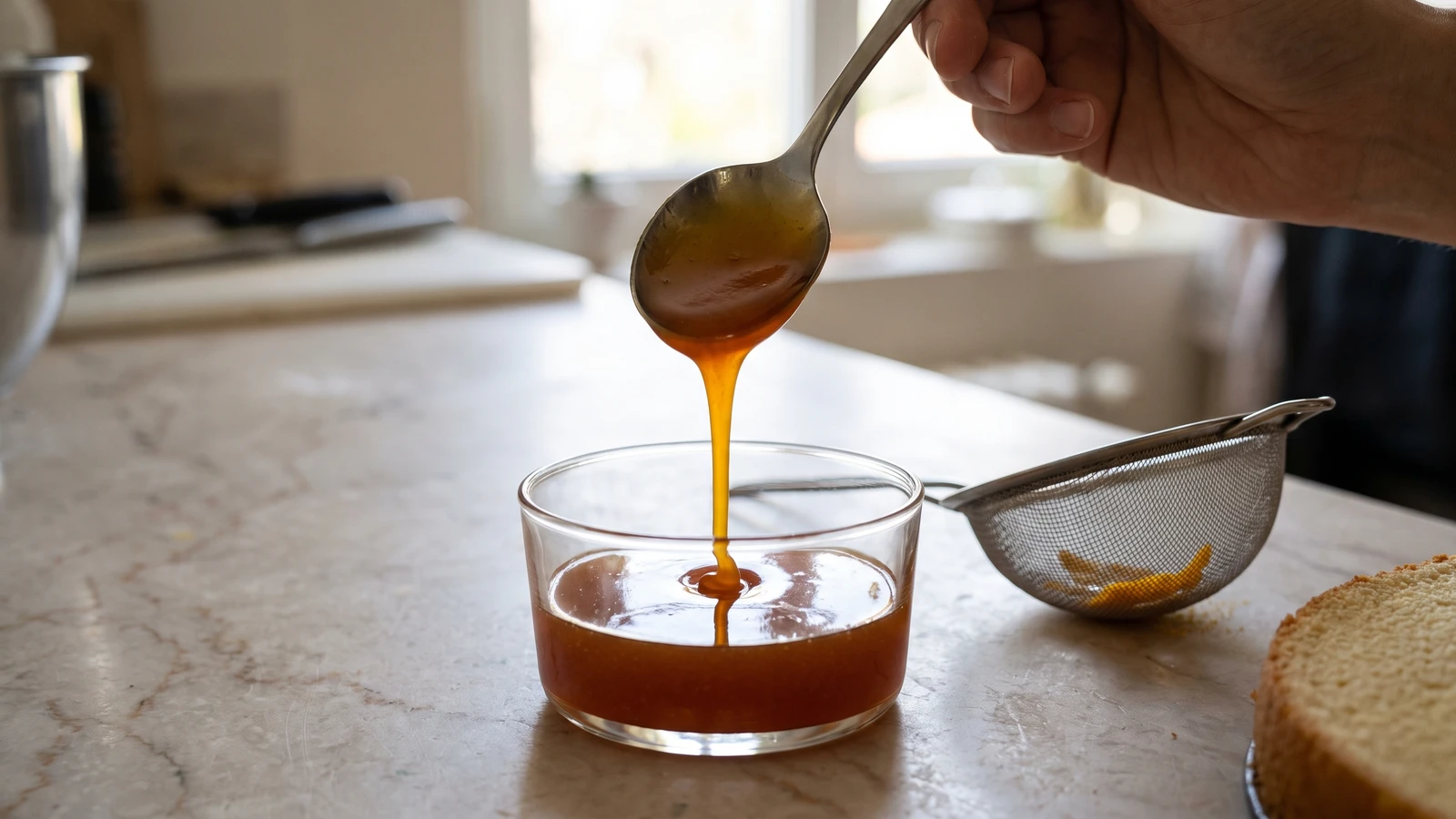
Sauce Orange proves that sweetness needs discipline: sieved marmalade, apricot sauce at one-third its volume, and enough Curaçao to carry the orange perfume without turning the bowl into a cordial.
Sauce Orange (smooth orange and apricot dessert sauce) teaches proportion before it teaches flavor. Marmalade brings sweetness, peel bitterness, and set; apricot sauce at exactly one-third its volume loosens that set and keeps the orange from cloying, while Curaçao lifts the perfume. The one true thing is simple: measure the sieved marmalade first, then take one-third of that volume in apricot sauce.
The original entry assumed a saucier with a drum sieve and bowls of finished fruit sauces already waiting on the marble. At home, the honest equivalent is a fine-mesh sieve, a flexible scraper, and a prepared apricot sauce kept whole rather than remade inside this recipe. I have scaled the brigade quantity to about two quarts and supplied a tasting range for the Curaçao, because the book says to flavor the sauce, not drown it. The extra hands and endless bowls were scaffolding; the three-to-one ratio and the sieving are the dish. One cook, one stove, one evening.
Work the marmalade through patiently until it gleams without threads of peel, then add the apricot and Curaçao in that order. If the fruit sauces streak or knot, don't thin them with water. Ça se rattrape: whisk a small portion smooth, return it gradually, and sieve once more if needed. Get the sieve work right before anything else, because smoothness is the first promise this sauce makes.
Sauce Orange belongs to the French classical entremets table rather than to any single regional larder, and it carries the preserve cupboard into formal dessert service. Its apricot sauce reflects a broader pâtisserie practice: apricot contributes body and tart fruit without taking command, while Curaçao extends the bitter-orange perfume. This is not merely thinned marmalade; its balance depends on the strict three-to-one volume ratio before the liqueur is added.
Quantity
6 cups (1.42 litres / about 1.9 kg)
rubbed through a fine-mesh sieve and measured after sieving
Quantity
2 cups (475 ml / about 560 g)
measured to exactly one-third the volume of the sieved marmalade
Quantity
¼ cup (60 ml / about 57 g), plus up to 2 tablespoons (30 ml / about 29 g) to taste
divided for tasting
| Ingredient | Quantity |
|---|---|
| orange marmaladerubbed through a fine-mesh sieve and measured after sieving | 6 cups (1.42 litres / about 1.9 kg) |
| smooth prepared apricot saucemeasured to exactly one-third the volume of the sieved marmalade | 2 cups (475 ml / about 560 g) |
| dry Curaçao, clear or amberdivided for tasting | ¼ cup (60 ml / about 57 g), plus up to 2 tablespoons (30 ml / about 29 g) to taste |
Let the marmalade and apricot sauce stand just until pliable if they have been chilled. Set a wide fine-mesh sieve securely over a deep bowl, with a flexible scraper and a large measuring jug beside it. Don't warm the fruit over direct heat or add water; either would loosen the sauce by changing its concentration rather than by doing the proper sieve work.
Rub the marmalade through the sieve in manageable batches, pressing firmly with the scraper and frequently collecting the smooth marmalade clinging beneath. Continue until only tough peel and coarse fibers remain, and measure out 6 cups of the sieved marmalade. The finished texture should be glossy and perfectly smooth, with no threads of peel catching on the tongue.
Measure 2 cups of apricot sauce, exactly one-third the volume of the 6 cups of sieved marmalade. If you are making another quantity, divide the marmalade volume by three and use that much apricot sauce; the original specifies bulk, so volume governs and the weights are practical buying guides. Whisk the apricot sauce into the marmalade in three additions until the color is even and the sauce falls from the whisk in a thick ribbon.
If the two fruit sauces gather into soft lumps or leave pale streaks, stop before adding liquid. Ça se rattrape: transfer about a cup to a smaller bowl, whisk it completely smooth, then work the remaining sauce into that base a little at a time. Pass the finished mixture through the cleaned sieve once more if fibers remain. Don't add water, because the apricot sauce is the intended loosening agent and the three-to-one balance must stay intact.
Stir in the first ¼ cup of Curaçao and leave the sauce for five minutes before tasting. Add the remaining Curaçao, if needed, one teaspoon at a time; its perfume should follow the orange rather than announce the bottle. If the liqueur becomes too forceful, don't heat the sauce in an attempt to remove it. Correct it by folding in more marmalade and apricot sauce already combined in the same three-to-one proportion.
Cover and rest the Sauce Orange for 30 minutes so the fruit and liqueur settle into one aroma, then stir slowly and check its ribbon. Serve it cool or at room temperature with génoise, a plain baked pudding, crêpes, or vanilla ice cream. If refrigeration makes it too firm, let it stand for 15 minutes and stir again rather than thinning it. À table!
1 serving (about 40g)
Culinary guides, cultural storytelling, and the editorial depth that makes cooking meaningful.
Discover Culinary ExplorerChef Juliette
Beef shin, lean beef, and fowl begin in cold water and rise slowly toward a tremble. Skim before the boil, and you learn the quiet discipline that gives every clear French broth its backbone.
Chef Juliette
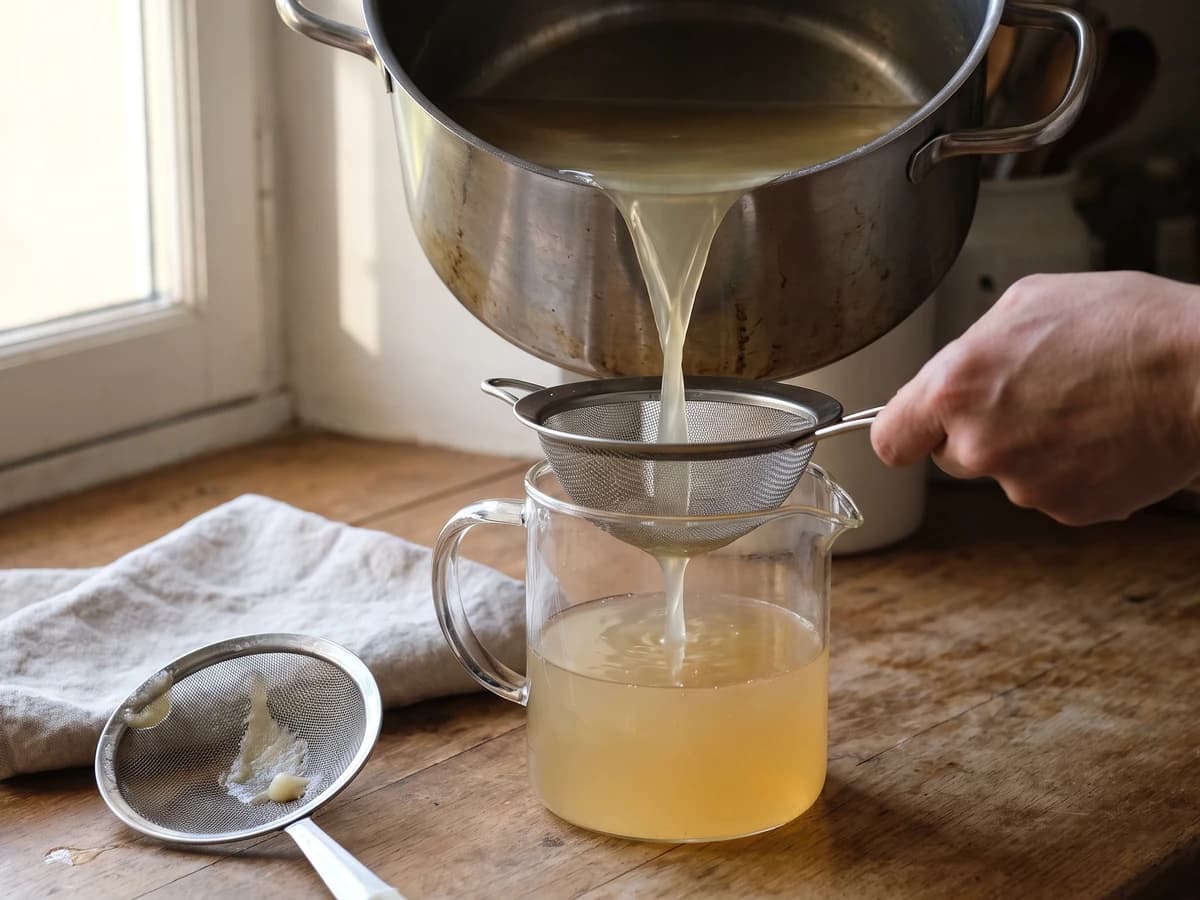
Break the veal bones small, then give them eight hours at a bare tremble. This pale, gelatinous fond becomes the quiet foundation beneath velouté, blanquette, and every sauce that must stay light.
Chef Juliette
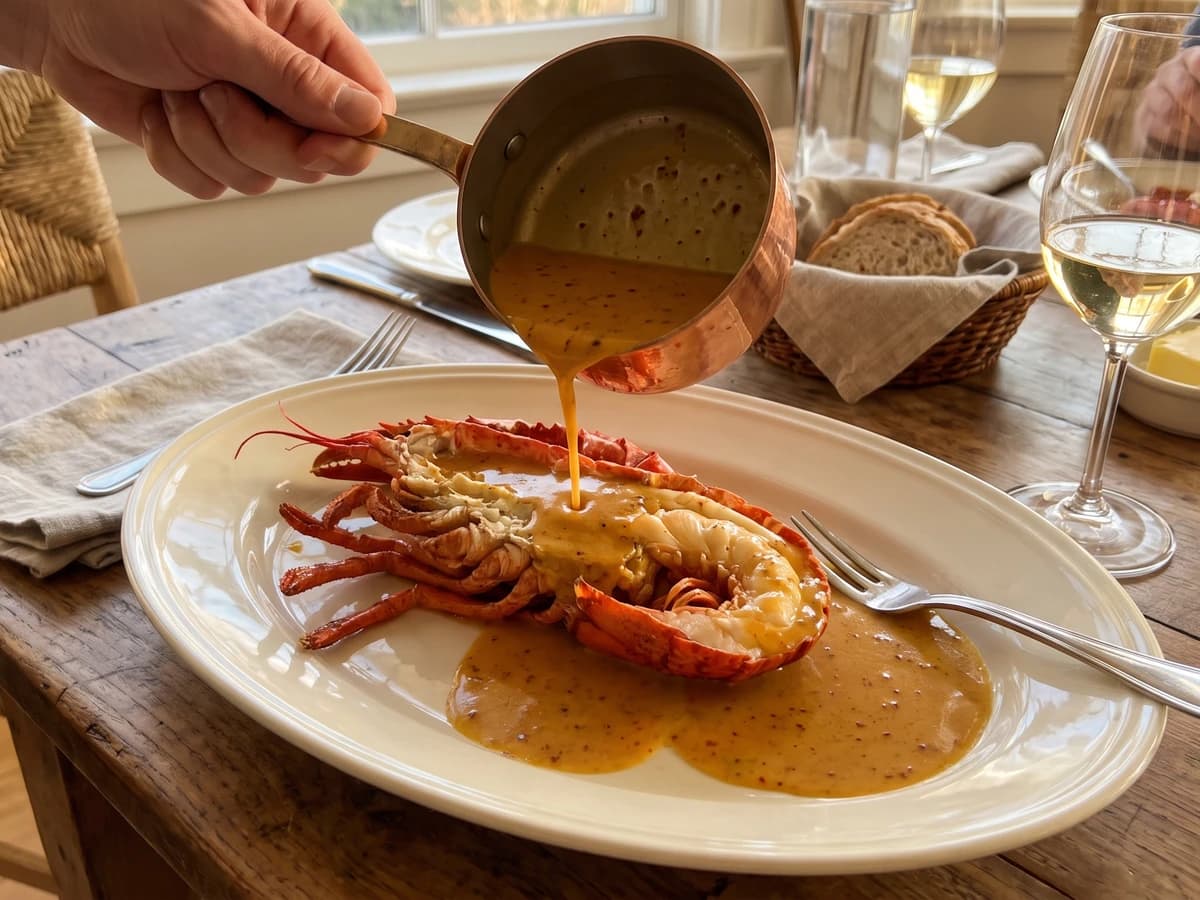
Sauce Orientale concentrates lobster-rich American Sauce with curry, then folds in cream away from the fire: a glossy, gently spiced derivative made for lobster, crayfish, and firm fish.
Chef Juliette
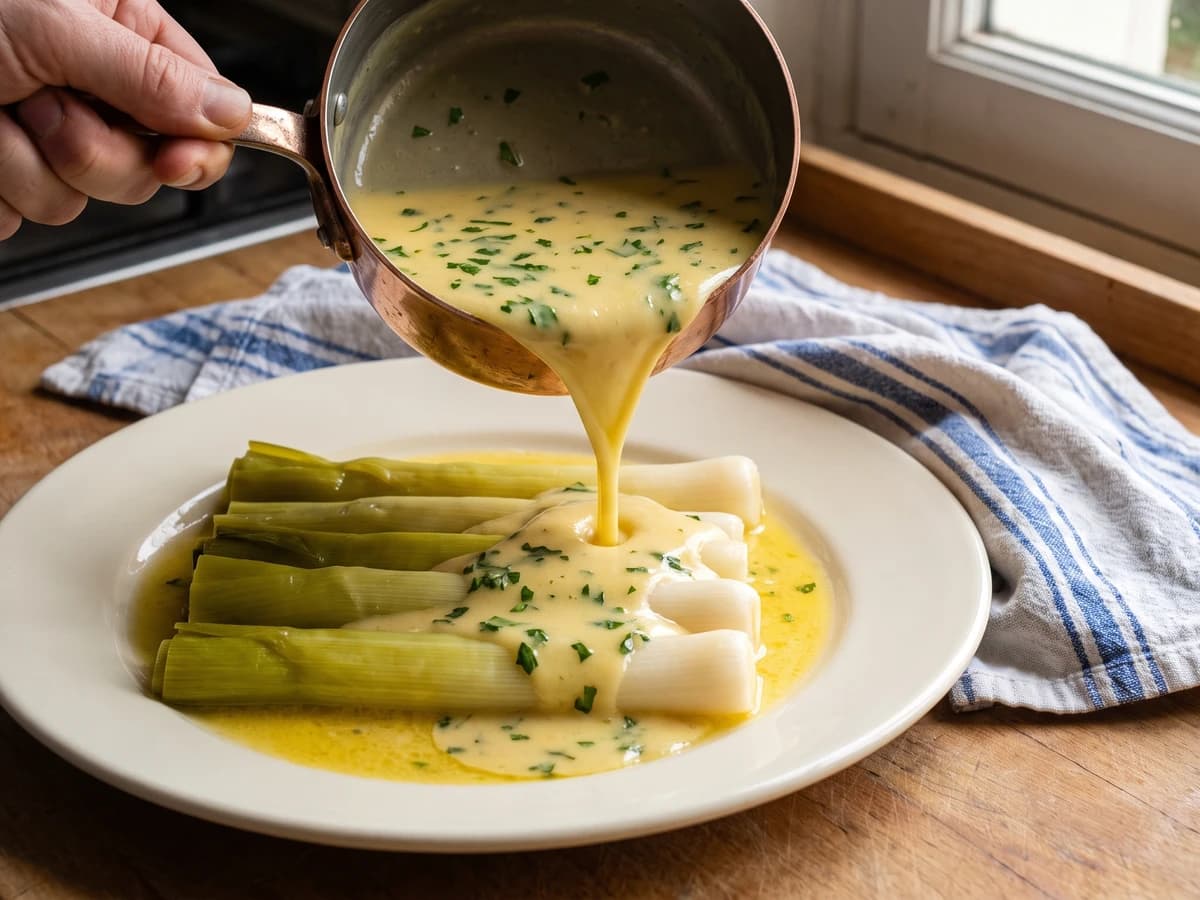
An old lesson in sauce families: Sauce Allemande takes mushroom liquor, then butter, lemon, and parsley, becoming a glossy Poulette for sheep's trotters, leeks, cauliflower, and anything needing gentle richness with a bright edge.