Chef Juliette
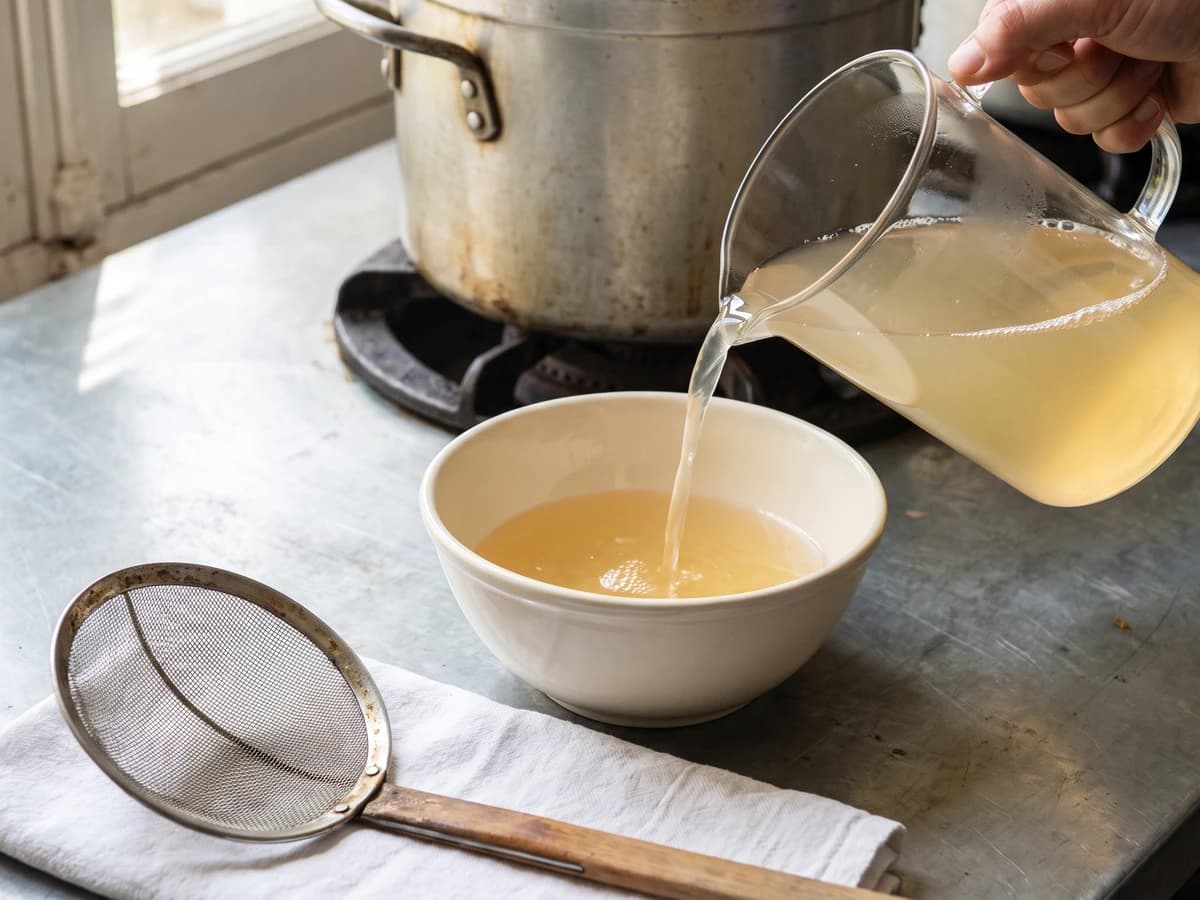
Ordinary or White Consommé
Beef shin, lean beef, and fowl begin in cold water and rise slowly toward a tremble. Skim before the boil, and you learn the quiet discipline that gives every clear French broth its backbone.
A cooking platform built around craft, culture, and the stories behind what we eat.
Created by Chef Juliette
Based on No. 2353, Currants and Sultanas, from Le Guide Culinaire (1907) by Auguste Escoffier
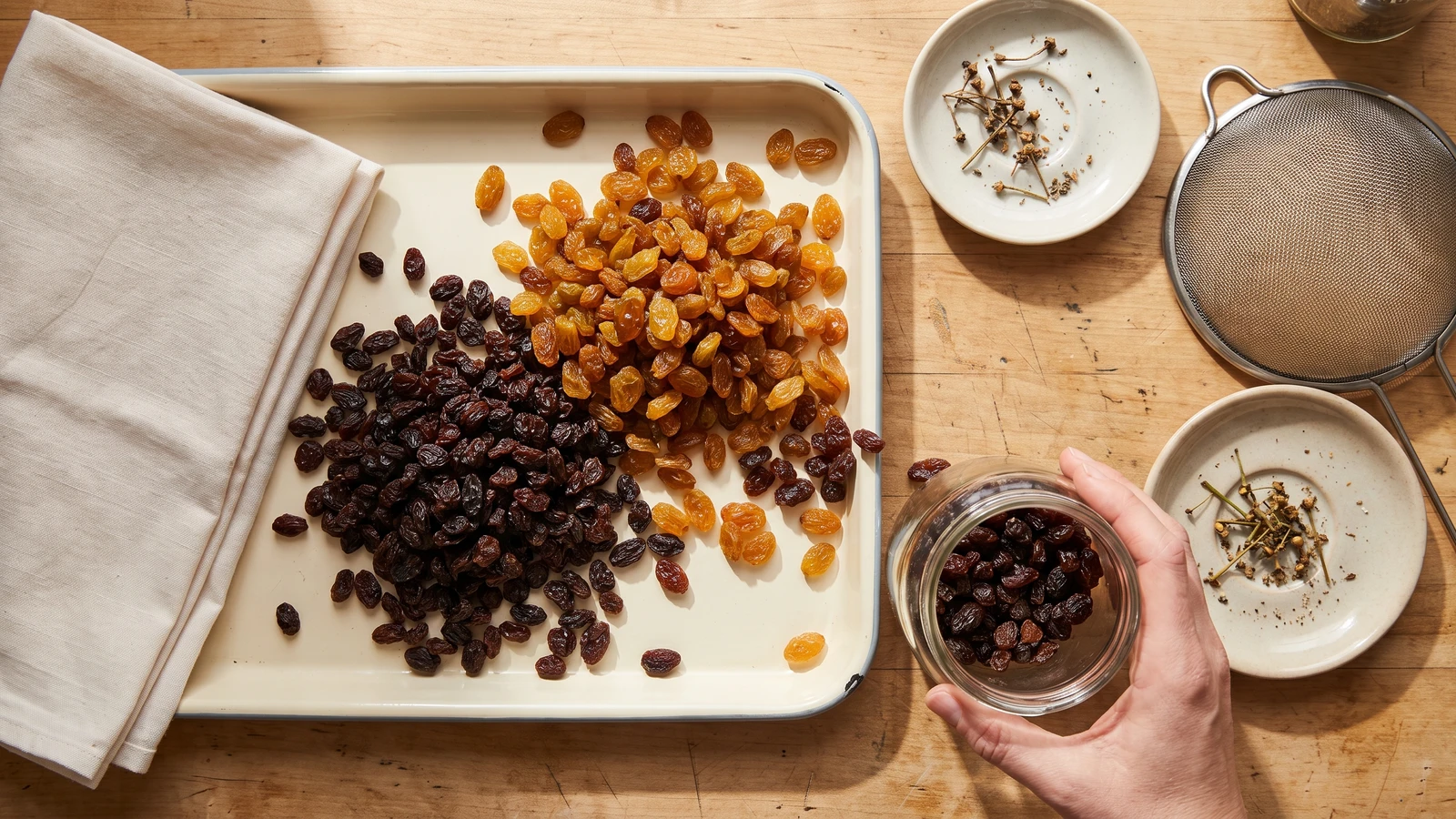
A flour dredge, a towel closed like a purse, and a vigorous sieve turn sticky currants and sultanas into clean pantry fruit, with every currant checked for the stone that does not belong.
Raisins de Corinthe et de Smyrne teach a small but absolute pantry discipline: dried fruit is ready only after it has been cleaned, sifted, and inspected. Flour catches tacky dust and helps dry stems break free, the towel supplies friction, and the sieve carries away what you don't want in a pudding, farce, or sauce.
The old entry assumed pantry hands cleaning service quantities and keeping them ready in boxes or drawers. Here the batch comes down to 225 grams of each fruit, and the service drawer becomes two airtight jars that protect a home supply from humidity and pantry pests. Only the scale and storage furniture changed. The flour dredge, purse-rubbing, vigorous sieving, and hand inspection stay because they are the preparation itself.
Keep the two fruits separate and the whole operation dry. Raisins de Corinthe demand particular attention because a tiny stone can look very much like the fruit beside it. The currant-by-currant inspection is the step that matters most, so give it good light and don't hurry.
This preparation belongs to the garde-manger and pâtisserie pantry of the French classical kitchen rather than to one French region, since both fruits arrived through Mediterranean trade. Raisins de Corinthe took their name from the commerce around Corinth, while the larger raisins de Smyrne came through the Anatolian port known for its sultanas. The currants in this entry are tiny dried grapes, not cassis, and the warning about stones records the realities of fruit dried, packed, and shipped in bulk.
Quantity
1½ cups (360 ml / 225 g)
Quantity
1½ cups (360 ml / 225 g)
Quantity
¼ cup (60 ml / 30 g)
divided, used for cleaning and discarded
| Ingredient | Quantity |
|---|---|
| dried currants | 1½ cups (360 ml / 225 g) |
| sultanas | 1½ cups (360 ml / 225 g) |
| all-purpose flourdivided, used for cleaning and discarded | ¼ cup (60 ml / 30 g) |
Set out two clean, tightly woven kitchen towels, a medium-mesh sieve over a pale rimmed tray, and two clean, completely dry jars. Keep the currants and sultanas in separate batches from beginning to end. The fruit, towels, sieve, and jars must all be dry because moisture turns the flour to paste and shortens the fruit's keeping life.
Toss the sultanas with half the flour until every piece is lightly dusted. Turn them into the centre of one towel, gather the corners upward, and close the cloth like a purse. Rub and roll the bundle briskly between your hands for 30 to 45 seconds, using enough pressure to loosen dust and stems without crushing the fruit. If the flour smears into paste, stop. The fruit or towel was damp, but ça se rattrape: spread the sultanas on a clean tray until fully dry, then begin again with a fresh dry towel and flour.
Turn the sultanas into the sieve and shake it vigorously over the tray, stirring the fruit gently with your fingers so the flour, dust, and detached stems fall away. Continue until no loose powder drops from beneath. Spread the fruit in one layer and pass through it piece by piece, removing any stems still attached. If flour remains caught in the wrinkles, return the fruit to the sieve and shake again rather than rinsing fruit intended for storage.
Repeat the same sequence with the currants and remaining flour: dredge them, close them in the second towel like a purse, rub briskly, then shake them vigorously in the sieve. Currants are smaller, so use a mesh fine enough to hold every fruit while allowing flour and grit to pass through.
Spread the currants in a thin layer on the pale tray under strong light. Move them one by one into an inspected pile, removing every remaining stem and any speck of grit. A currant gives slightly when pressed, while a stone stays hard and may click against the tray. If anything is doubtful, discard it. This inspection is the dish, not brigade scaffolding, and no sieve can do it for you.
Transfer the currants and sultanas to separate airtight jars and label each one. Store them in a cool, dark, dry cupboard. If condensation appears inside a jar, remove the fruit immediately, spread it out until completely dry, and return it to a clean dry jar. The preparation is now ready to measure directly into cooked recipes whenever the canon calls for it.
1 serving (about 38g)
Culinary guides, cultural storytelling, and the editorial depth that makes cooking meaningful.
Discover Culinary ExplorerChef Juliette
Beef shin, lean beef, and fowl begin in cold water and rise slowly toward a tremble. Skim before the boil, and you learn the quiet discipline that gives every clear French broth its backbone.
Chef Juliette
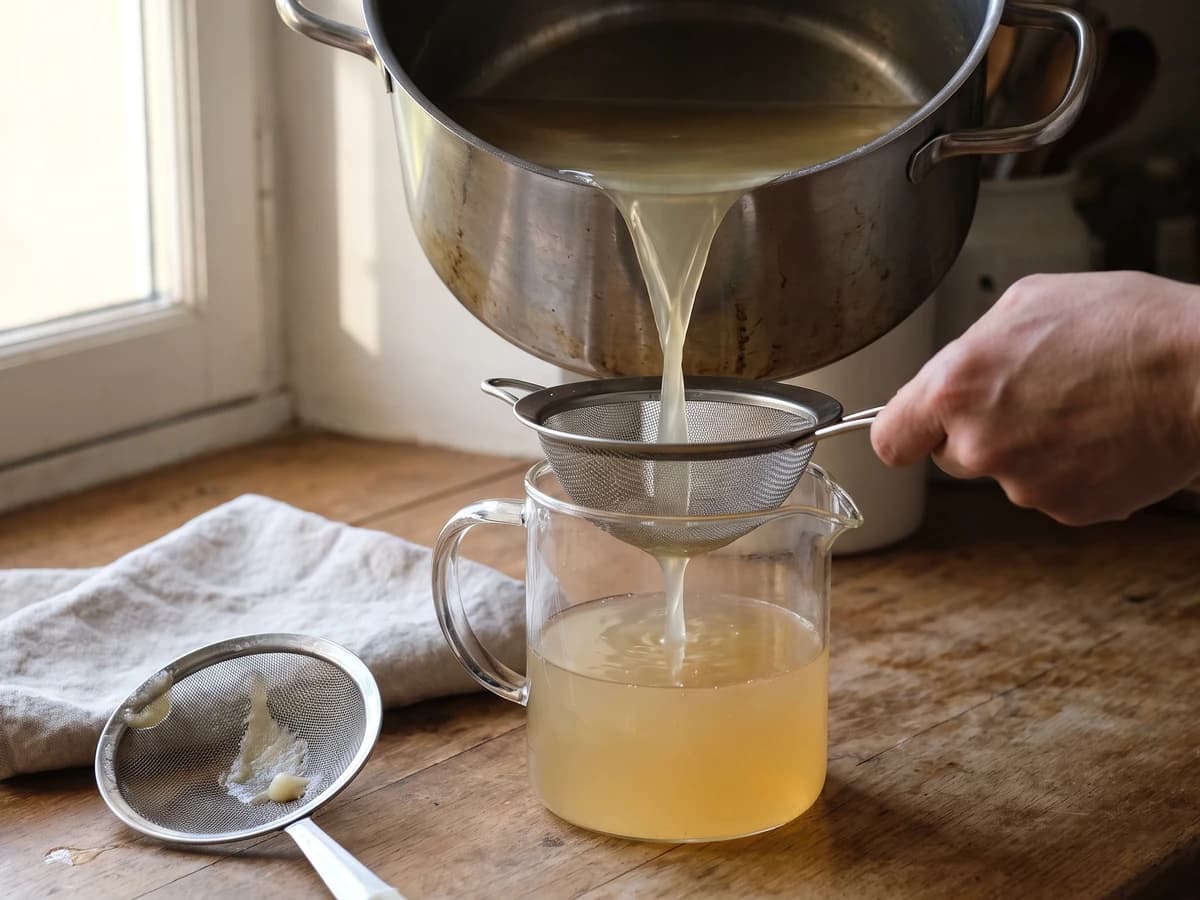
Break the veal bones small, then give them eight hours at a bare tremble. This pale, gelatinous fond becomes the quiet foundation beneath velouté, blanquette, and every sauce that must stay light.
Chef Juliette
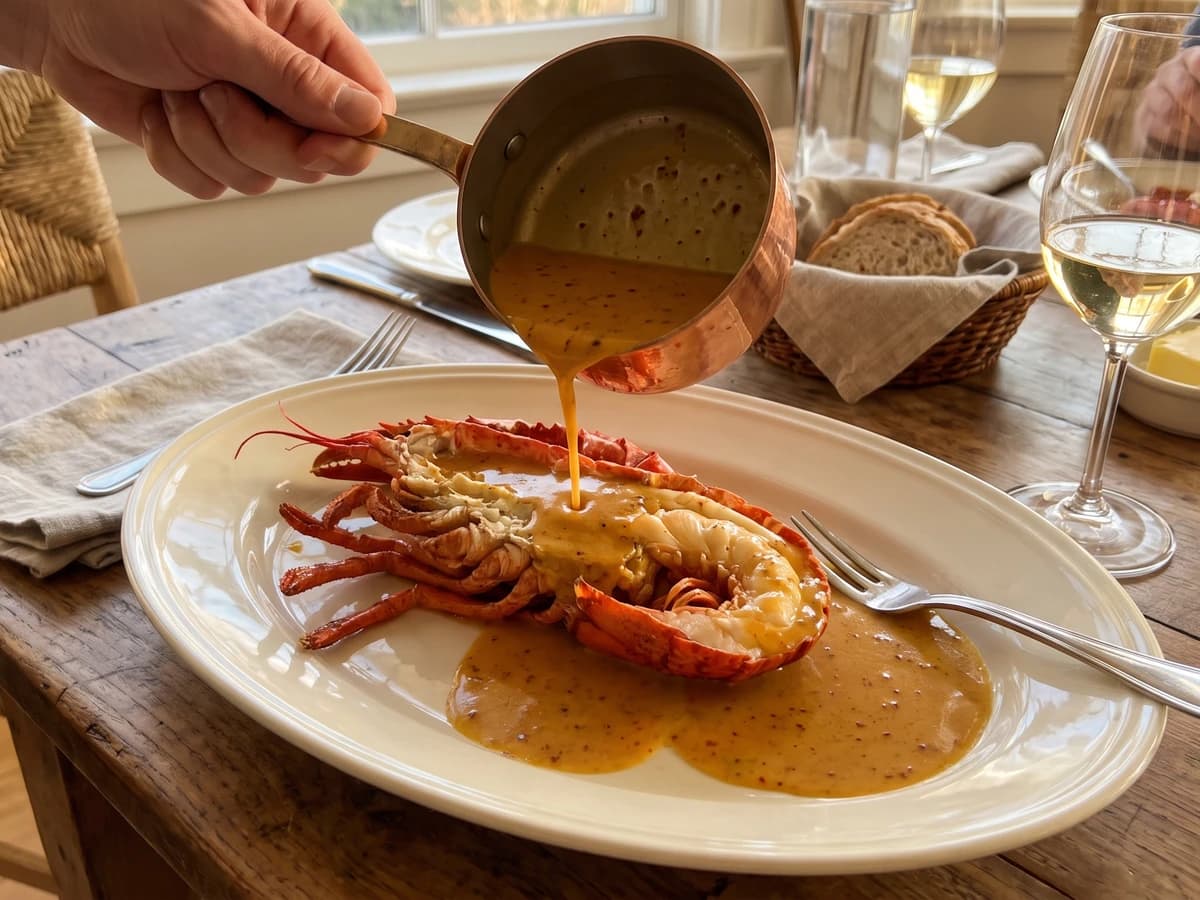
Sauce Orientale concentrates lobster-rich American Sauce with curry, then folds in cream away from the fire: a glossy, gently spiced derivative made for lobster, crayfish, and firm fish.
Chef Juliette
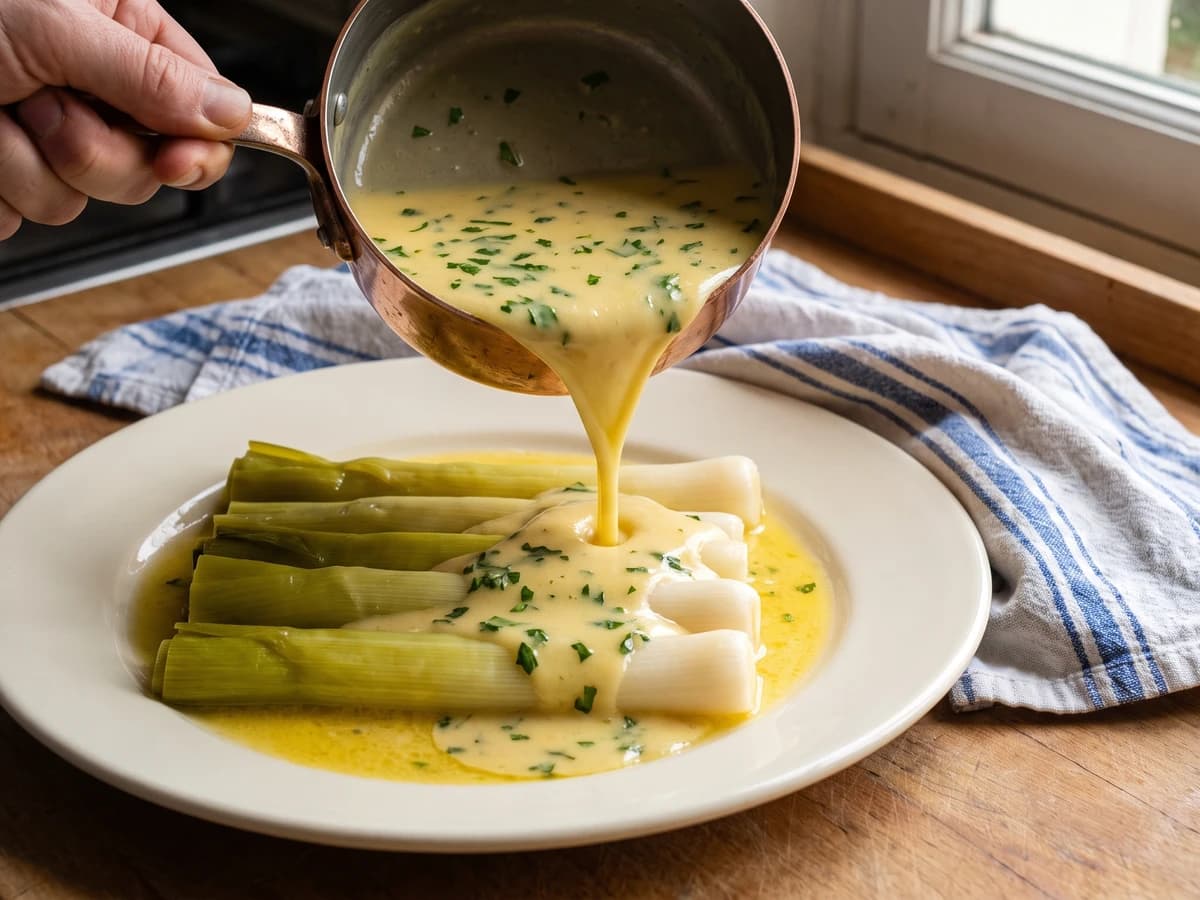
An old lesson in sauce families: Sauce Allemande takes mushroom liquor, then butter, lemon, and parsley, becoming a glossy Poulette for sheep's trotters, leeks, cauliflower, and anything needing gentle richness with a bright edge.