Chef Juliette
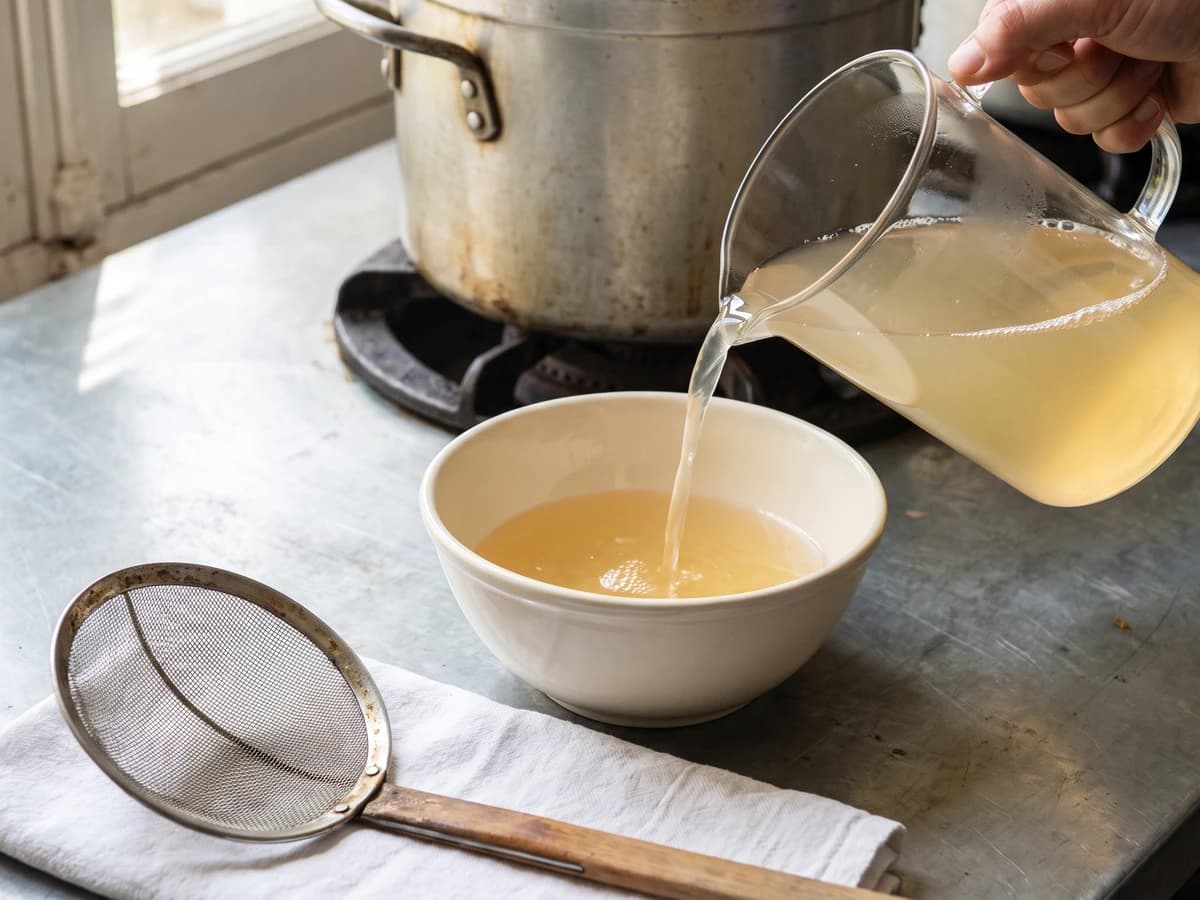
Ordinary or White Consommé
Beef shin, lean beef, and fowl begin in cold water and rise slowly toward a tremble. Skim before the boil, and you learn the quiet discipline that gives every clear French broth its backbone.
A cooking platform built around craft, culture, and the stories behind what we eat.

Created by Chef Juliette
Based on No. 2349, Vanilla Sugar, from Le Guide Culinaire (1907) by Auguste Escoffier
Sucre vanillé turns spent vanilla pods into a fine, fragrant pantry sugar through complete drying, a strict two-to-one sugar ratio, and repeated sifting. Waste nothing, keep every bit of perfume.
Sucre vanillé (vanilla sugar) teaches the pastry larder's first law: an ingredient is finished only when it has given everything it can. A pod that has perfumed milk, cream, or syrup still holds fragrance in its skin, but the one true thing to know is this: it must be completely dry before it meets the sugar. A damp pod makes clumps now and spoilage later.
Old pastry kitchens assumed a drying-box, a great mortar, a silken sieve, and enough spent vanilla to keep an apprentice pounding. At home, the lowest oven replaces the drying-box, a spice grinder replaces the large mortar, and a fine-mesh sieve replaces silk. The brigade-sized accumulation is scaffolding and can go; complete drying, twice the pod's weight in sugar, and repeated grinding are the dish. Granulated sugar stands in for loaf sugar because it is the same refined sugar already broken small enough for a home grinder. One cook, one stove, one evening.
When it is right, sucre vanillé is pale ivory, densely flecked with vanilla, and fragrant the instant the jar opens. Dry the pods until they snap after cooling, not merely until their surfaces feel dry. That is the step that decides the whole preparation.
Sucre vanillé belongs to the French pâtisserie larder, with Parisian pastry kitchens helping make this thrifty practice part of the classical national repertoire rather than the property of one region. Pastry cooks saved costly pods after infusing creams and syrups, dried them, and pounded them into sugar so their remaining perfume could season cakes, custards, and fruit. A jar of sugar holding an intact bean is a cousin, but this preparation is more thorough: the spent pod itself is ground and sifted into the sugar.
Quantity
5 to 8 pods (dry weight: 1/2 ounce / 14 g)
rinsed if necessary, patted dry, and gently dried until brittle
Quantity
2 tablespoons plus 1 teaspoon (35 ml / 28 g), or exactly twice the dried pod weight
| Ingredient | Quantity |
|---|---|
| spent vanilla podsrinsed if necessary, patted dry, and gently dried until brittle | 5 to 8 pods (dry weight: 1/2 ounce / 14 g) |
| granulated sugar | 2 tablespoons plus 1 teaspoon (35 ml / 28 g), or exactly twice the dried pod weight |
Use pods that have already perfumed a sweet or neutral infusion. If they came from milk, cream, custard, or syrup, rinse away anything clinging to them under cool running water, then press them thoroughly dry with a clean towel. Open any pods that remain folded and spread them flat so moisture cannot hide inside.
Heat the oven to 175°F (80°C), or its lowest setting if that is slightly cooler. Arrange the pods apart on a parchment-lined baking sheet and dry them for 45 to 60 minutes, turning once, until they feel firm. Cool them for 10 minutes before judging them, because warm pods can seem softer than they are. They must snap cleanly rather than bend. If they remain leathery, return them to the oven in 10-minute intervals. Ça se rattrape. Keep the heat gentle, since browned pods taste bitter and have lost the perfume you are trying to save.
Weigh 1/2 ounce (14 g) of the completely dried pods, then measure exactly twice that weight in sugar, 1 ounce (28 g) for this batch. This two-to-one ratio of sugar to pod is the formula and must stay. The volume measure is there for convenience, but the scale preserves the source proportion when your pods are larger, smaller, or fewer.
Cut or break the brittle pods into short pieces and place them in a clean, completely dry spice grinder with the sugar. Pulse in short bursts until the mixture becomes a fine, pale brown-speckled powder. Pause if the grinder cup grows warm, since heat drives off fragrance. A mortar and pestle also works, but it asks for patience and a firm arm, just as the old pastry larder intended.
Pass the mixture through a fine-mesh sieve into a dry bowl. Return every coarse vanilla fiber left in the sieve to the grinder and pound or pulse it again, then sift once more. Repeat until every particle passes through. The first grinding is preparation; this repeated grinding and sifting is the dish, because it distributes the spent pod itself through the sugar rather than merely scenting the jar.
Transfer the sucre vanillé to a clean, completely dry airtight jar and close it at once. If the sugar clumps by the following day, the pods retained moisture. Spread the mixture on parchment, dry it for another 10 minutes at 175°F (80°C), cool it fully, then grind and sift again. Ça se rattrape. Use it immediately or let the closed jar rest for two days so the perfume settles evenly through the sugar.
1 serving (about 42g)
Culinary guides, cultural storytelling, and the editorial depth that makes cooking meaningful.
Discover Culinary ExplorerChef Juliette
Beef shin, lean beef, and fowl begin in cold water and rise slowly toward a tremble. Skim before the boil, and you learn the quiet discipline that gives every clear French broth its backbone.
Chef Juliette
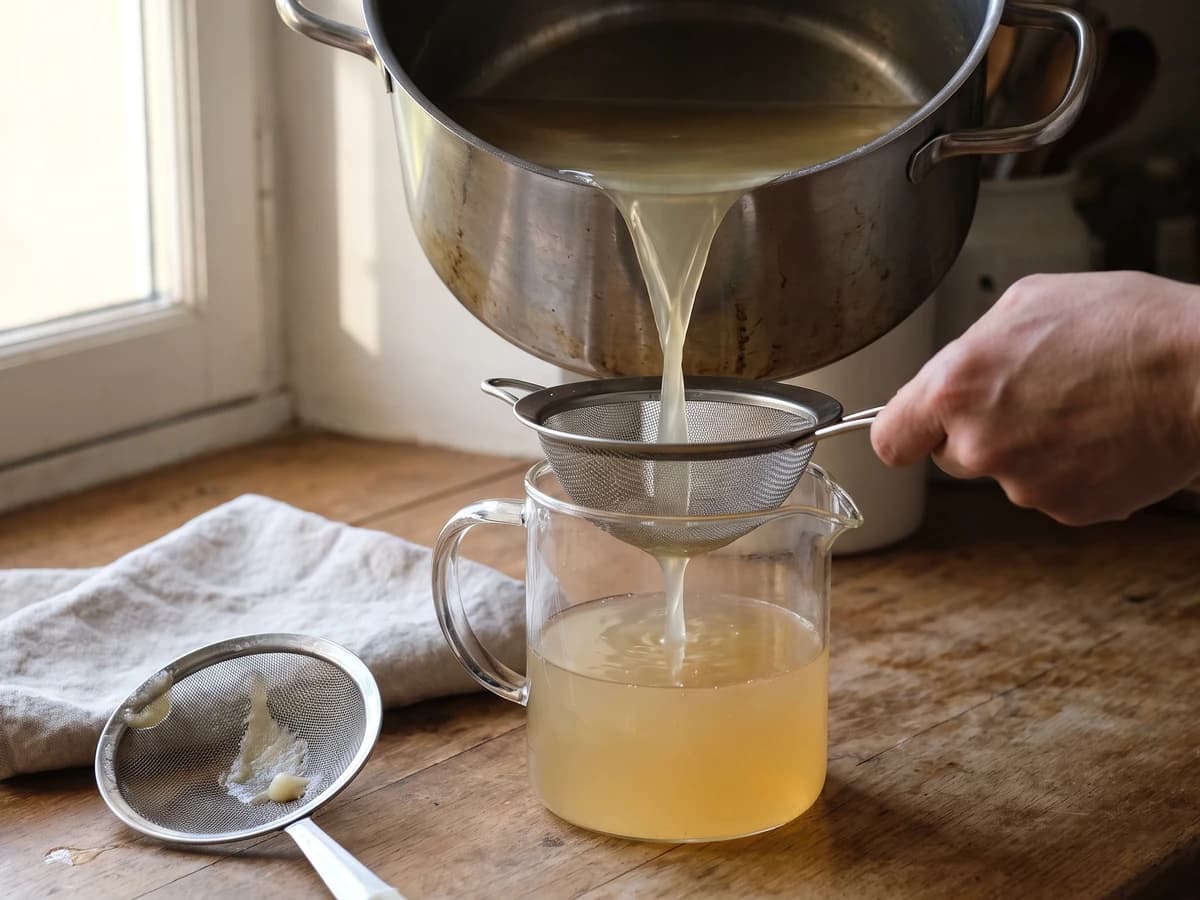
Break the veal bones small, then give them eight hours at a bare tremble. This pale, gelatinous fond becomes the quiet foundation beneath velouté, blanquette, and every sauce that must stay light.
Chef Juliette
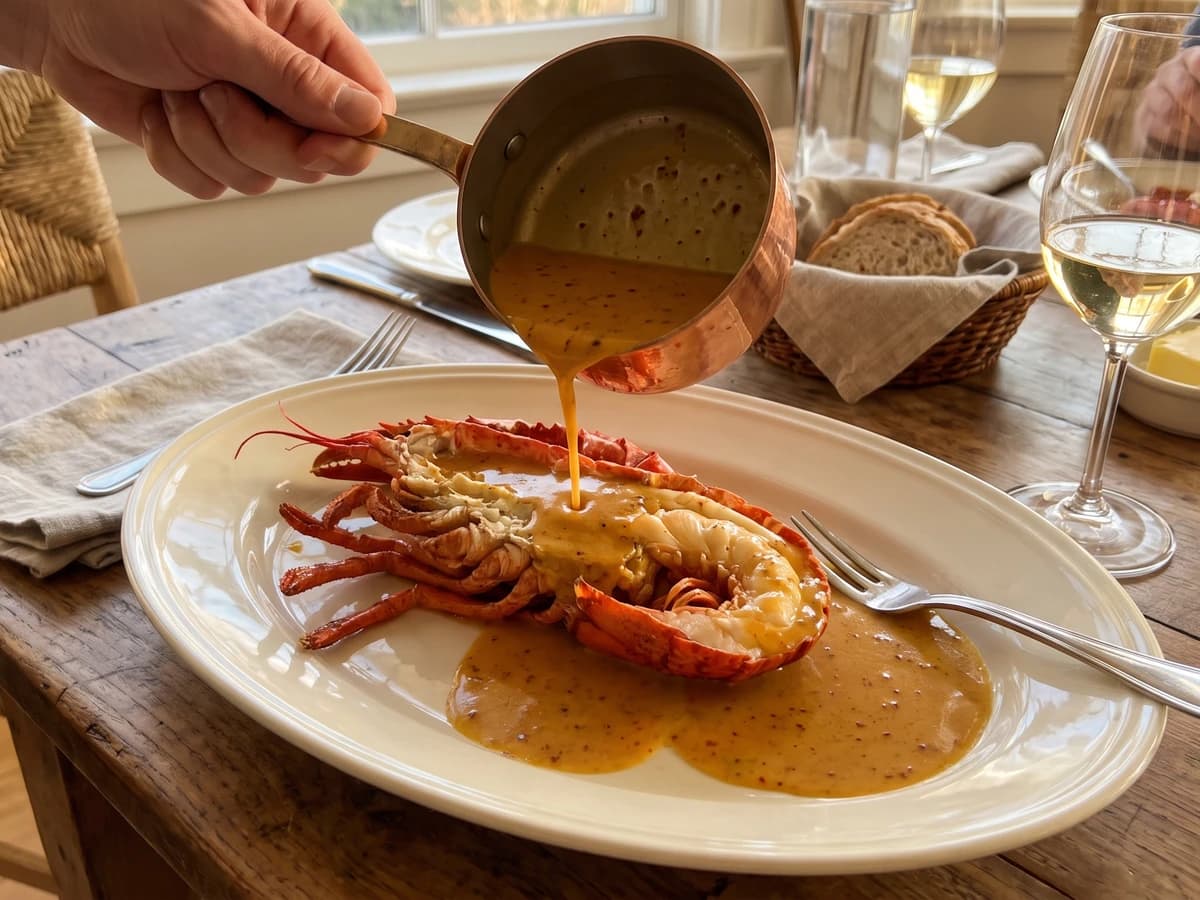
Sauce Orientale concentrates lobster-rich American Sauce with curry, then folds in cream away from the fire: a glossy, gently spiced derivative made for lobster, crayfish, and firm fish.
Chef Juliette
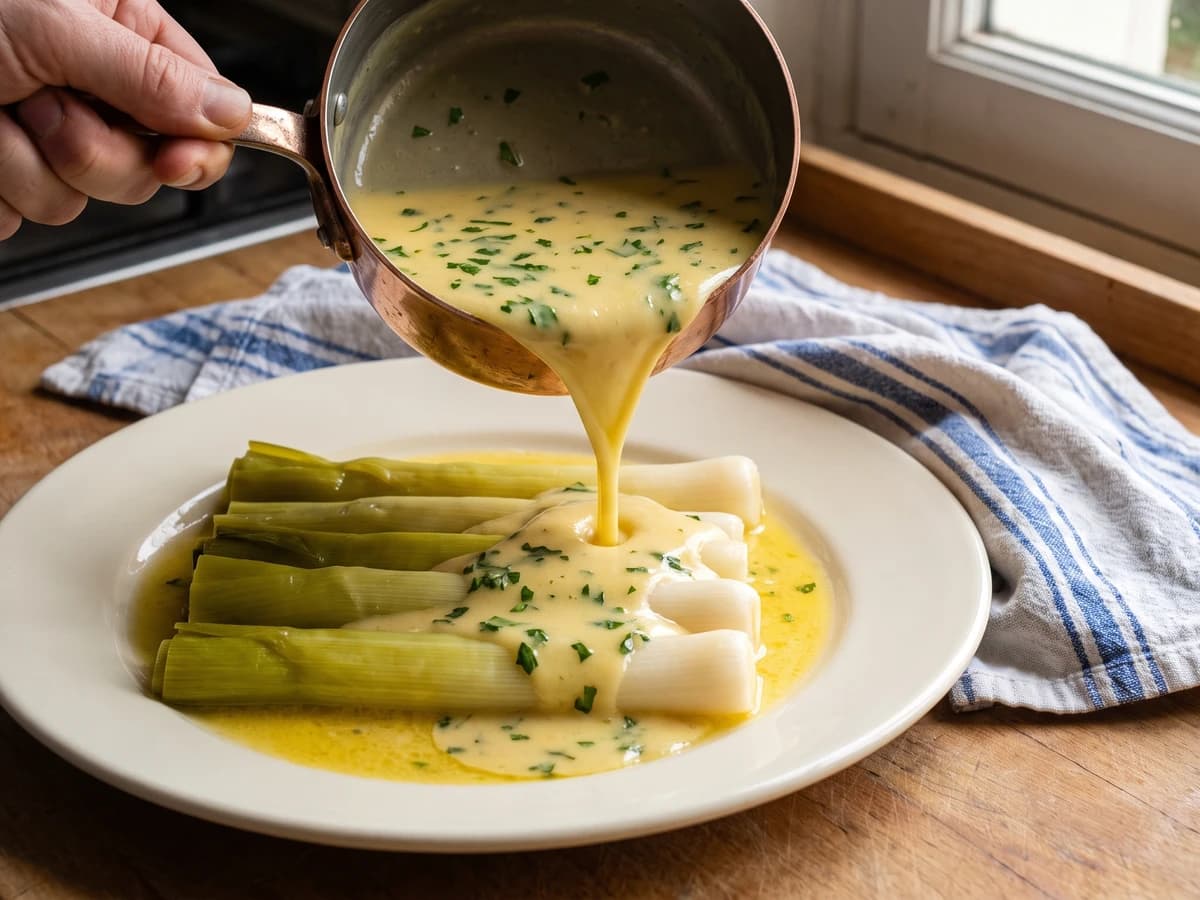
An old lesson in sauce families: Sauce Allemande takes mushroom liquor, then butter, lemon, and parsley, becoming a glossy Poulette for sheep's trotters, leeks, cauliflower, and anything needing gentle richness with a bright edge.