Chef Juliette
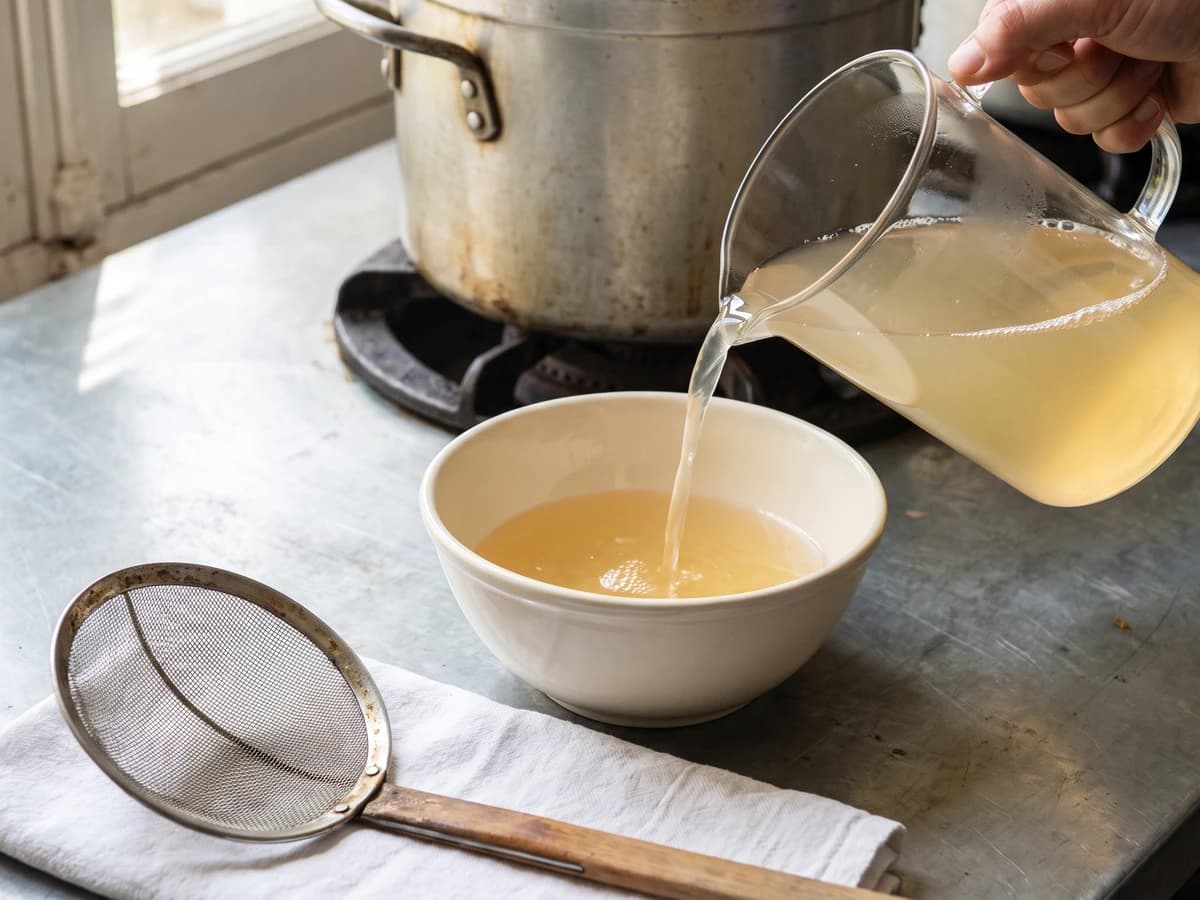
Ordinary or White Consommé
Beef shin, lean beef, and fowl begin in cold water and rise slowly toward a tremble. Skim before the boil, and you learn the quiet discipline that gives every clear French broth its backbone.
A cooking platform built around craft, culture, and the stories behind what we eat.
Created by Chef Juliette
Based on No. 186, Turned or Stoned Olives, from Le Guide Culinaire (1907) by Auguste Escoffier
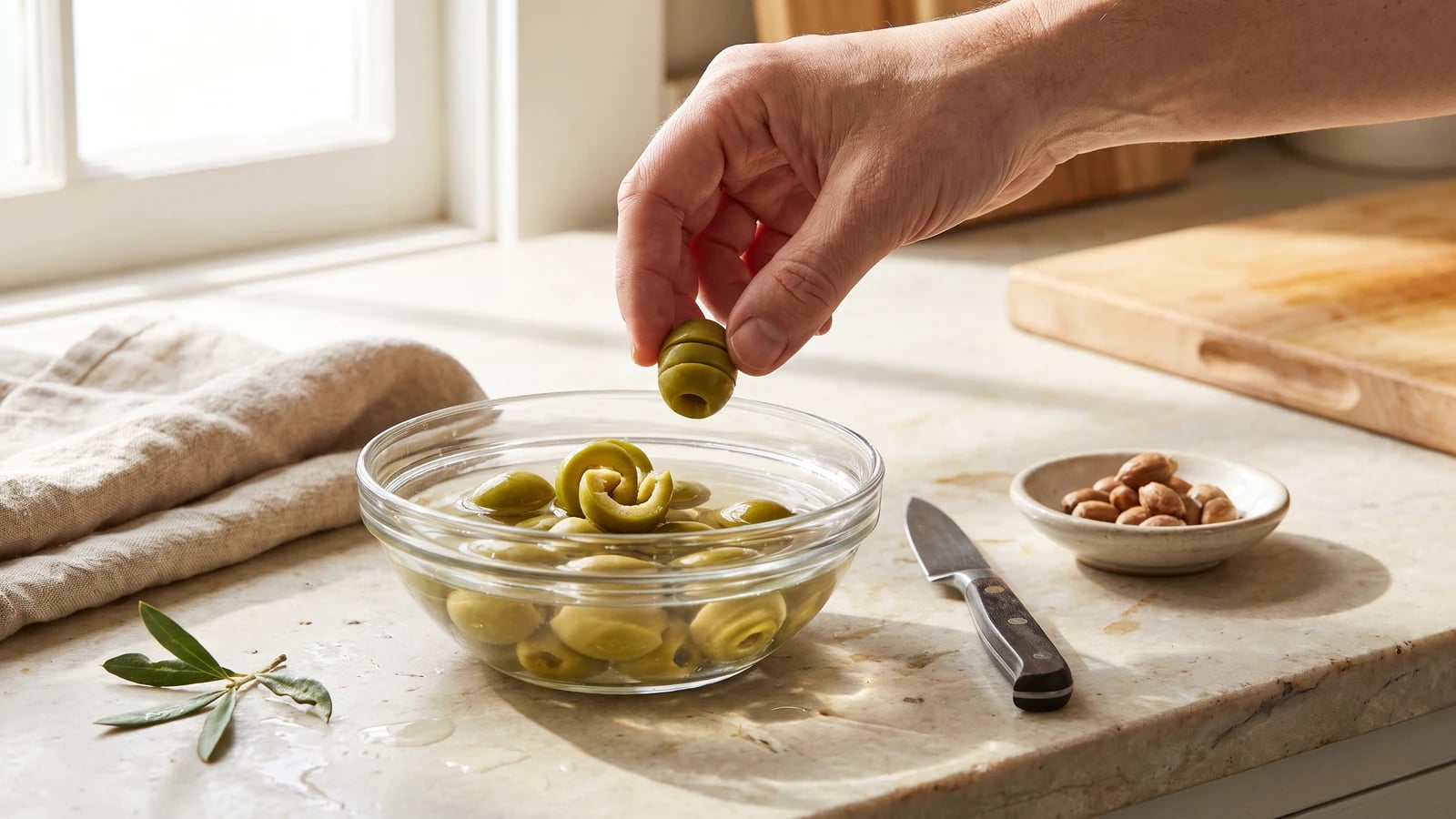
Olives tournées teach pure knife control: follow each stone in one close spiral, then hold the freed fruit in lightly salted water, plump and ready for sauces, garnishes, or the table.
Olives tournées ou dénoyautées (turned or stoned olives) teach a small, exact principle: the knife follows the stone, and the fruit turns around the blade. Cut outward and you waste flesh; keep the point close and the olive slips free in one plump spiral. No pan is involved. The whole preparation lives in the hand.
The classical entry assumed a dedicated olive stoner and a brigade preparing whatever quantity service demanded. A handheld olive pitter is the honest home equivalent, while a small paring knife preserves the entry's spirally cut method when no pitter is at hand. Because the source gives no quantity, this version sets a useful home batch of 24 to 30 olives and defines slightly salted water as a gentle 1 percent saline. The special instrument and service-sized basin are scaffolding; the close cut and salted hold are the dish, and they stay.
Choose firm olives, work over the board, and keep the blade touching the stone as the fruit turns. That contact is the one step that decides everything.
Olives belong naturally to Mediterranean French cooking, especially Provence and Languedoc, but olives tournées are a preparation of the national classical kitchen rather than a regional pickle. Grand kitchens turned olives neatly for garnishes and kept dedicated stoners when speed mattered, while the small-knife method gave the same result without special equipment. The lightly salted water is not a curing bath; it is a short holding medium that keeps the exposed flesh plump while the rest of the meal is prepared.
Quantity
2 cups (480 ml / 300 g), about 24 to 30
Quantity
2 cups (480 ml / 480 g)
Quantity
1 teaspoon (5 ml / 5 g)
| Ingredient | Quantity |
|---|---|
| firm brine-cured stone-in olives | 2 cups (480 ml / 300 g), about 24 to 30 |
| cold water | 2 cups (480 ml / 480 g) |
| fine sea salt | 1 teaspoon (5 ml / 5 g) |
Whisk the fine sea salt into the cold water until no grains remain. The water should taste faintly saline, not aggressively salty; this gentle 1 percent mixture keeps the cut olives plump without seasoning them like a pickle. If it tastes too strong, dilute it with another spoonful of cold water.
Set the saline beside the cutting board so each olive can go into it immediately. Lift out only a few olives at a time and blot their surfaces dry enough to grip. Choose the pitter for quick, whole-looking dénoyautées, or the paring knife for true olives tournées with the flesh freed in a spiral.
For olives tournées, hold one olive lengthwise with your wrist braced over the board and your fingertips behind the blade's path. Cut into the stem end until the edge touches the stone, then roll the olive slowly away from the blade while maintaining that light contact. Let the fruit do most of the moving, following the stone in a continuous spiral until the flesh comes free. Never pull the knife toward your palm. If the strip snaps, don't discard it. Ça se rattrape: begin again at the break and remove the remaining flesh in one or two shorter sections. The olive is still properly stoned, only less theatrical.
For olives dénoyautées, seat an olive lengthwise in the pitter, aligning the stem end with the plunger, and press with slow, even pressure until the stone passes cleanly through. If the olive tears, realign the next one more carefully and press more gently. Very soft fruit will collapse in a pitter; switch to the knife and remove its flesh in shorter sections rather than forcing it.
Drop each prepared olive directly into the lightly salted water and keep every piece submerged. Cover and refrigerate if the olives will wait longer than the immediate preparation time. Drain them thoroughly and blot away excess water before adding them to a sauce, arranging them as a garnish, or serving them at the table. The saline is a short hold, not shelf-stable preservation, so use the olives within two days.
1 serving (about 20g)
Culinary guides, cultural storytelling, and the editorial depth that makes cooking meaningful.
Discover Culinary ExplorerChef Juliette
Beef shin, lean beef, and fowl begin in cold water and rise slowly toward a tremble. Skim before the boil, and you learn the quiet discipline that gives every clear French broth its backbone.
Chef Juliette
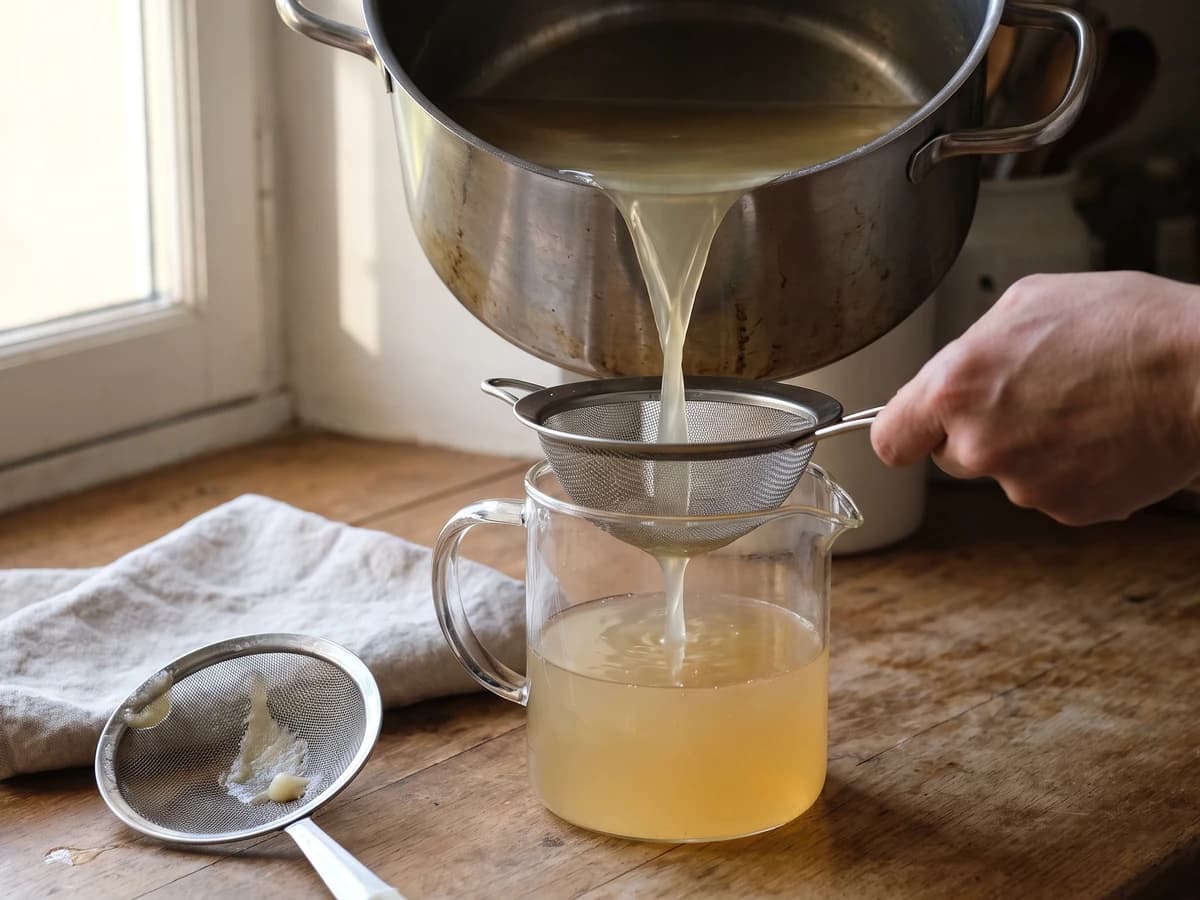
Break the veal bones small, then give them eight hours at a bare tremble. This pale, gelatinous fond becomes the quiet foundation beneath velouté, blanquette, and every sauce that must stay light.
Chef Juliette
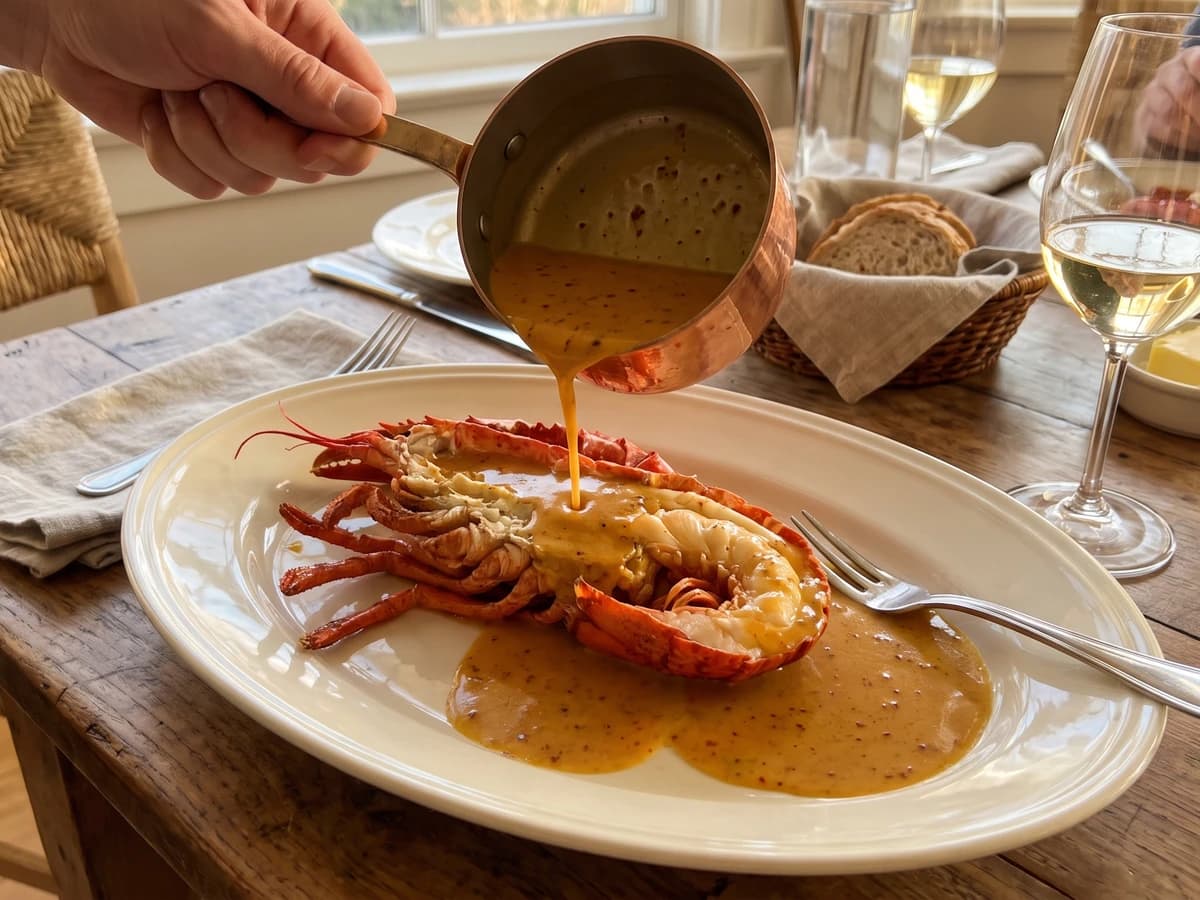
Sauce Orientale concentrates lobster-rich American Sauce with curry, then folds in cream away from the fire: a glossy, gently spiced derivative made for lobster, crayfish, and firm fish.
Chef Juliette
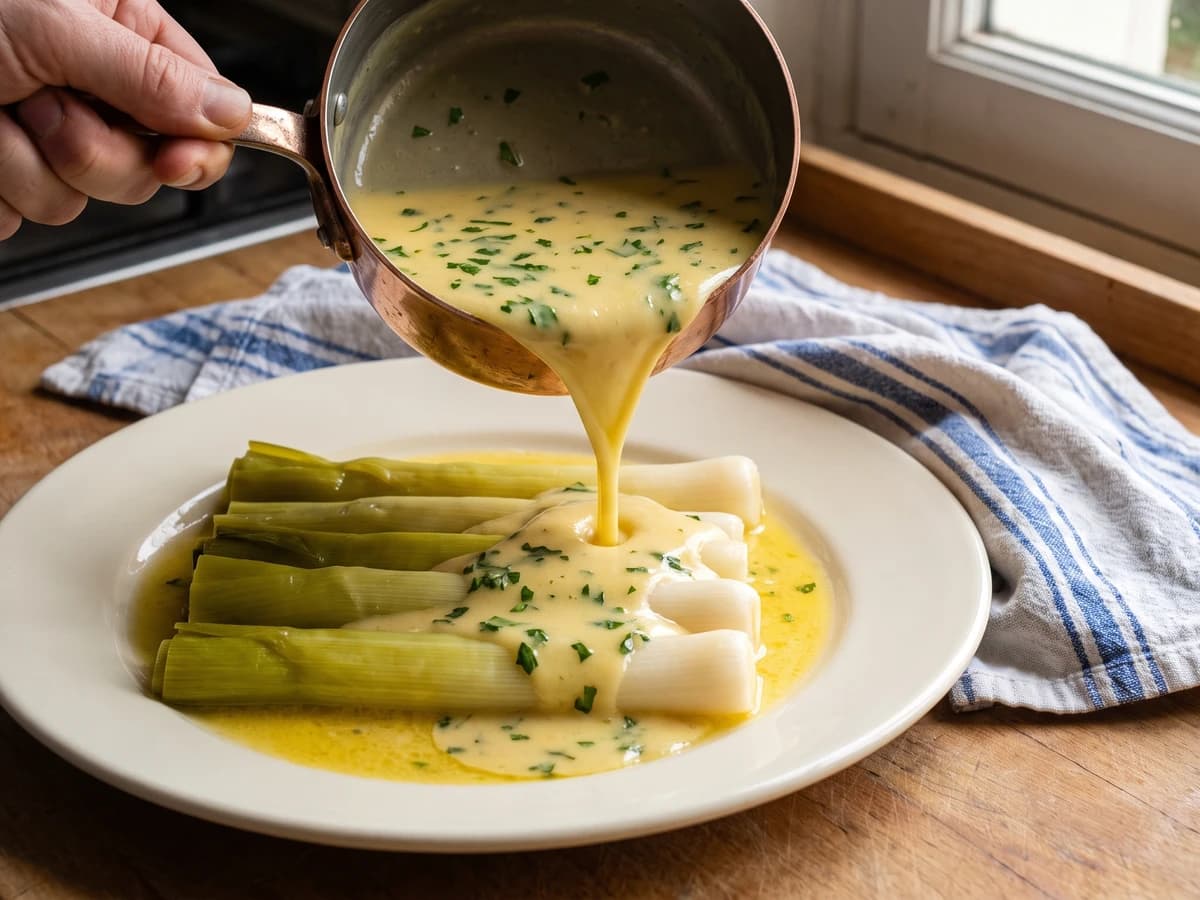
An old lesson in sauce families: Sauce Allemande takes mushroom liquor, then butter, lemon, and parsley, becoming a glossy Poulette for sheep's trotters, leeks, cauliflower, and anything needing gentle richness with a bright edge.