Chef Juliette
Ordinary or White Consommé
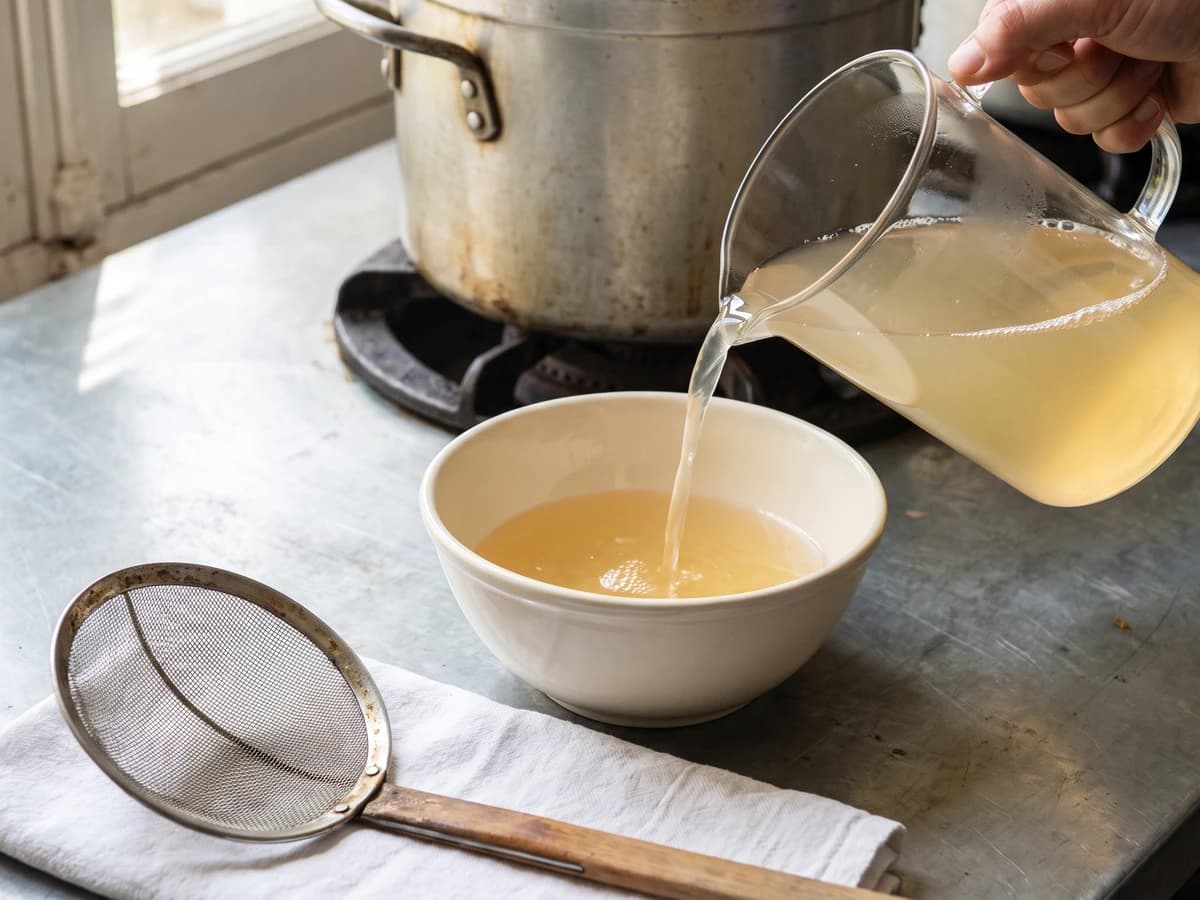
Beef shin, lean beef, and fowl begin in cold water and rise slowly toward a tremble. Skim before the boil, and you learn the quiet discipline that gives every clear French broth its backbone.
A cooking platform built around craft, culture, and the stories behind what we eat.
Created by Chef Juliette
Based on No. 12, Fish Stock with Red Wine, from Le Guide Culinaire (1907) by Auguste Escoffier
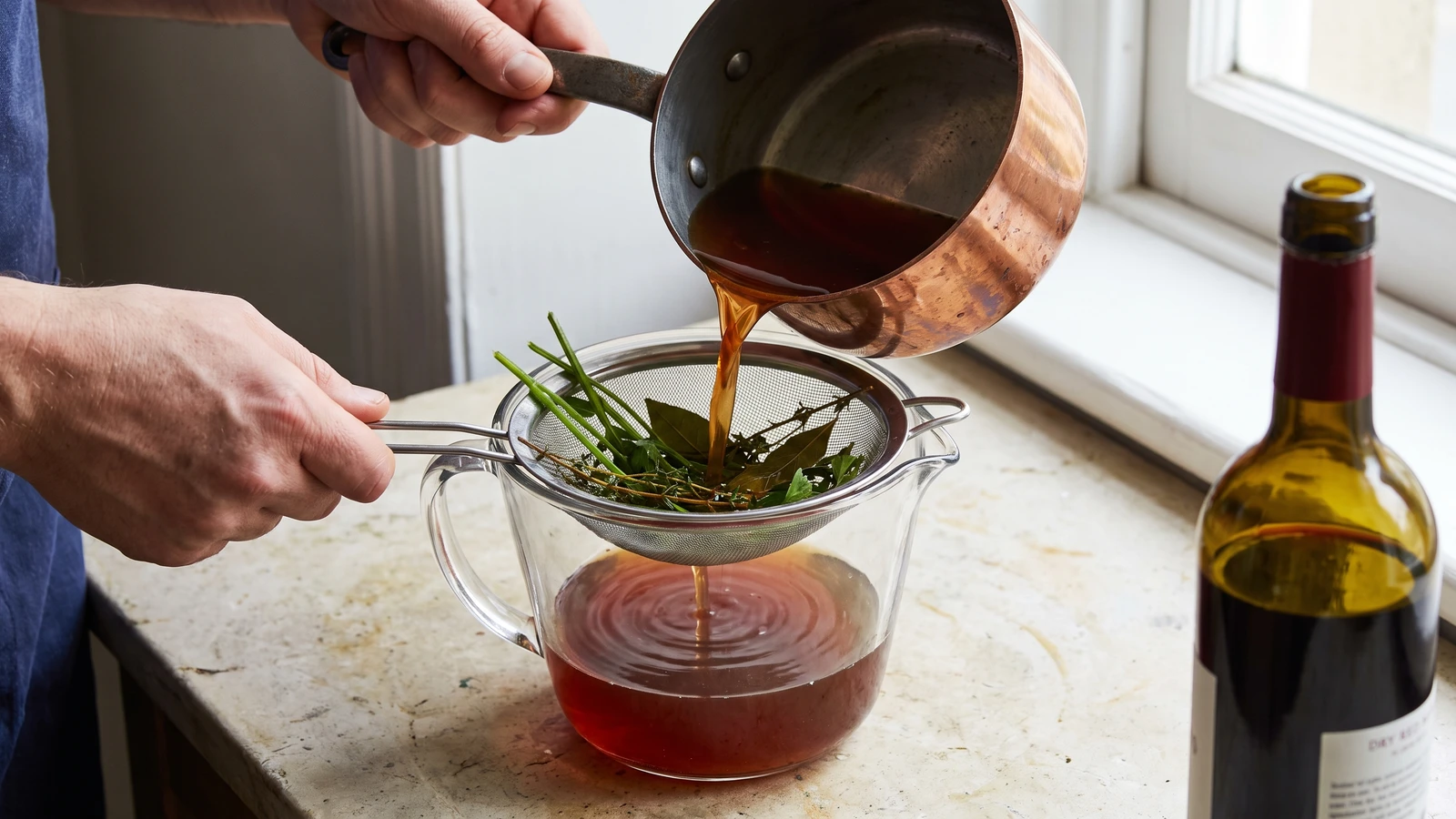
Fumet de poisson au vin rouge draws matching fish bones, onion, garlic, thyme, and a bottle of red for half an hour, yielding the wine-dark foundation that gives matelotes their depth.
Fumet de poisson au vin rouge (fish stock with red wine) teaches that a stock should belong to the fish it serves. Use the bones and trimmings of the sole for sole, the young turbot for turbot, the river fish for a matelote of river fish. A generic frame can make a usable stock, but matching bones give the finished sauce one clear voice. The word fumet means an essence drawn from the ingredient, and that is precisely the intention here.
The original formula assumed a saucier available to skim, a stockpot never far from the fire, and a need for four quarts at once. Here the quantities are cut exactly in half: two pounds of fish remains, one bottle of wine, and about two quarts of fumet. A heavy home stockpot and a fine-mesh sieve replace the professional setup. The brigade volume is scaffolding and can go; the matching bones, careful skim, brief extraction, and refusal to reduce prematurely are the dish itself. One cook, one stove, one evening.
The finished fumet should be translucent garnet-brown, fluid rather than syrupy, with the fish and wine joined instead of fighting for the first word. Skim carefully when the first boil rises, then stop the cooking within half an hour. That is the step that protects both its clarity and its clean, concentrated taste.
Fumet de poisson au vin rouge belongs to the matelote tradition of river tables along the Seine, Marne, and Burgundy's waterways, where freshwater fish cooked in wine and their cooking liquor became the sauce. It was rarely prepared separately because a bone-in matelote produced its own fumet; grand kitchens made a distinct stock when boned fillets needed the same depth without bones reaching the plate. It is not an all-purpose fish stock, and matching the bones to the fish being served preserves its particular character.
Quantity
2 lb (900 g; volume varies with the frames)
gills and dark blood removed
Quantity
About 1 cup (240 ml / 6 oz / 170 g)
minced
Quantity
About 1½ packed cups (360 ml / 1½ oz / 45 g)
Quantity
1
Quantity
2 small sprigs
Quantity
2 cloves
lightly crushed
Quantity
1 bottle (3¼ cups / 750 ml / about 745 g)
Quantity
4¾ cups (1.14 liters / 1.14 kg)
Quantity
Up to 1 packed cup (240 ml / 2½ oz / 70 g)
| Ingredient | Quantity |
|---|---|
| bones, heads, and trimmings from the fish to be servedgills and dark blood removed | 2 lb (900 g; volume varies with the frames) |
| white onionsminced | About 1 cup (240 ml / 6 oz / 170 g) |
| parsley stalks | About 1½ packed cups (360 ml / 1½ oz / 45 g) |
| bay leaf | 1 |
| fresh thyme | 2 small sprigs |
| garliclightly crushed | 2 cloves |
| dry red wine | 1 bottle (3¼ cups / 750 ml / about 745 g) |
| cold water | 4¾ cups (1.14 liters / 1.14 kg) |
| clean mushroom parings (optional) | Up to 1 packed cup (240 ml / 2½ oz / 70 g) |
Remove every gill and scrape away any dark blood clinging along the backbone, since both can make the fumet bitter and muddy. Rinse the frames briefly under cold water, drain them well, and cut large heads or backbones into pieces that sit below the rim of the pot. Keep the rinsing brief. You want clean bones, not fish soaked until its flavour runs down the drain.
Put the fish remains, minced onions, parsley stalks, bay leaf, thyme, garlic, red wine, cold water, and optional mushroom parings into a heavy, tall stockpot. All the ingredients enter together, exactly as the fumet requires; there is no sweating, browning, or roasting first. Arrange the frames so the liquid reaches through them rather than adding extra water.
Bring the pot to a full boil over medium-high heat without stirring. As the grey foam gathers across the surface and around the rim, skim it carefully with a fine skimmer or shallow spoon. If the pot rolls hard and churns the scum back into the liquid, turn off the heat for two minutes, let the foam gather again, and skim before continuing. Ça se rattrape. This first skim is what keeps the flavour clean and the finished fumet clear.
Lower the heat to a moderate simmer, with bubbles breaking regularly but never tossing the bones, and cook for 20 to 30 minutes. Skim any fresh foam as it appears. Stop at 30 minutes. Fish bones give up their essence quickly; longer cooking pulls harshness from the bones, garlic, and herbs. Do not reduce the fumet deliberately now, even though it tolerates reduction better than a white fish fumet. Its strength belongs in the finished sauce.
Strain the fumet at once through a fine-mesh sieve into a large heatproof bowl, letting the liquid fall through under its own weight. Do not press or mash the solids, which drives fine particles into the stock and makes it cloudy. If it is already clouded, pass it once more through a sieve lined with damp cheesecloth. It may not become crystal clear, but it will still make a fine sauce. Never discard good flavour for wounded vanity.
Use the fumet immediately, or set the bowl into an ice bath and stir occasionally until cool. Divide it among shallow containers and refrigerate within two hours. Keep it chilled for up to two days, or freeze it in measured portions for up to three months. Leave it unsalted and label the quantity clearly; the matelote or sauce that receives it will decide the seasoning.
1 serving (about 240g)
Culinary guides, cultural storytelling, and the editorial depth that makes cooking meaningful.
Discover Culinary ExplorerChef Juliette
Beef shin, lean beef, and fowl begin in cold water and rise slowly toward a tremble. Skim before the boil, and you learn the quiet discipline that gives every clear French broth its backbone.
Chef Juliette
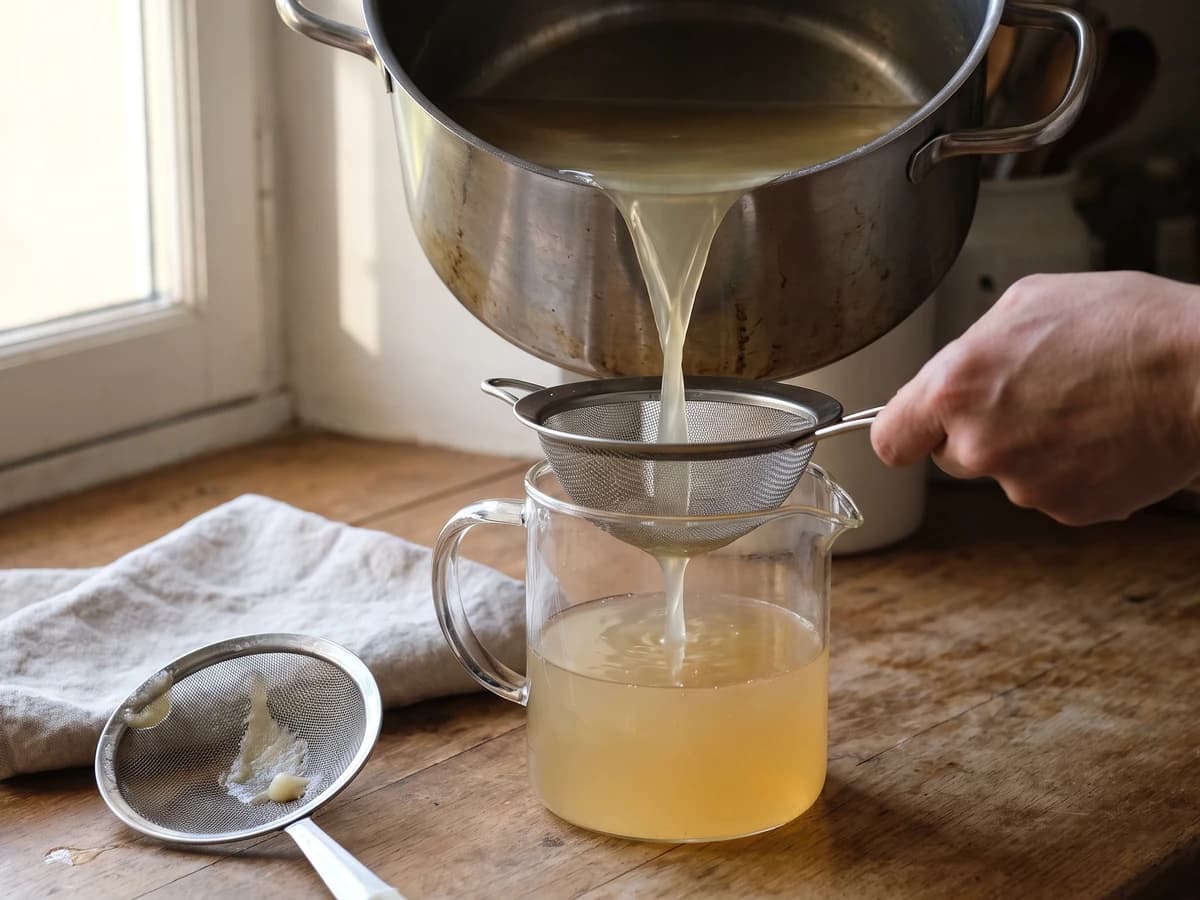
Break the veal bones small, then give them eight hours at a bare tremble. This pale, gelatinous fond becomes the quiet foundation beneath velouté, blanquette, and every sauce that must stay light.
Chef Juliette
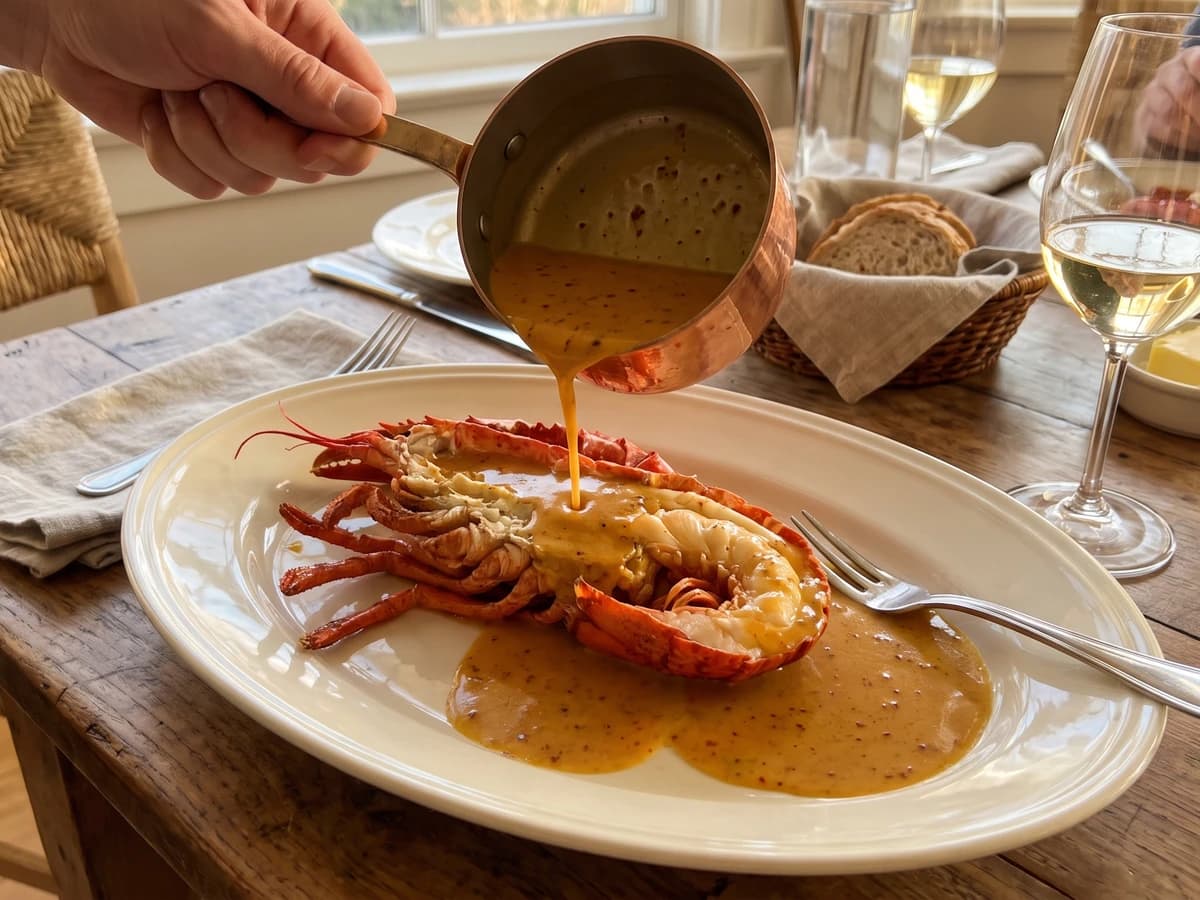
Sauce Orientale concentrates lobster-rich American Sauce with curry, then folds in cream away from the fire: a glossy, gently spiced derivative made for lobster, crayfish, and firm fish.
Chef Juliette
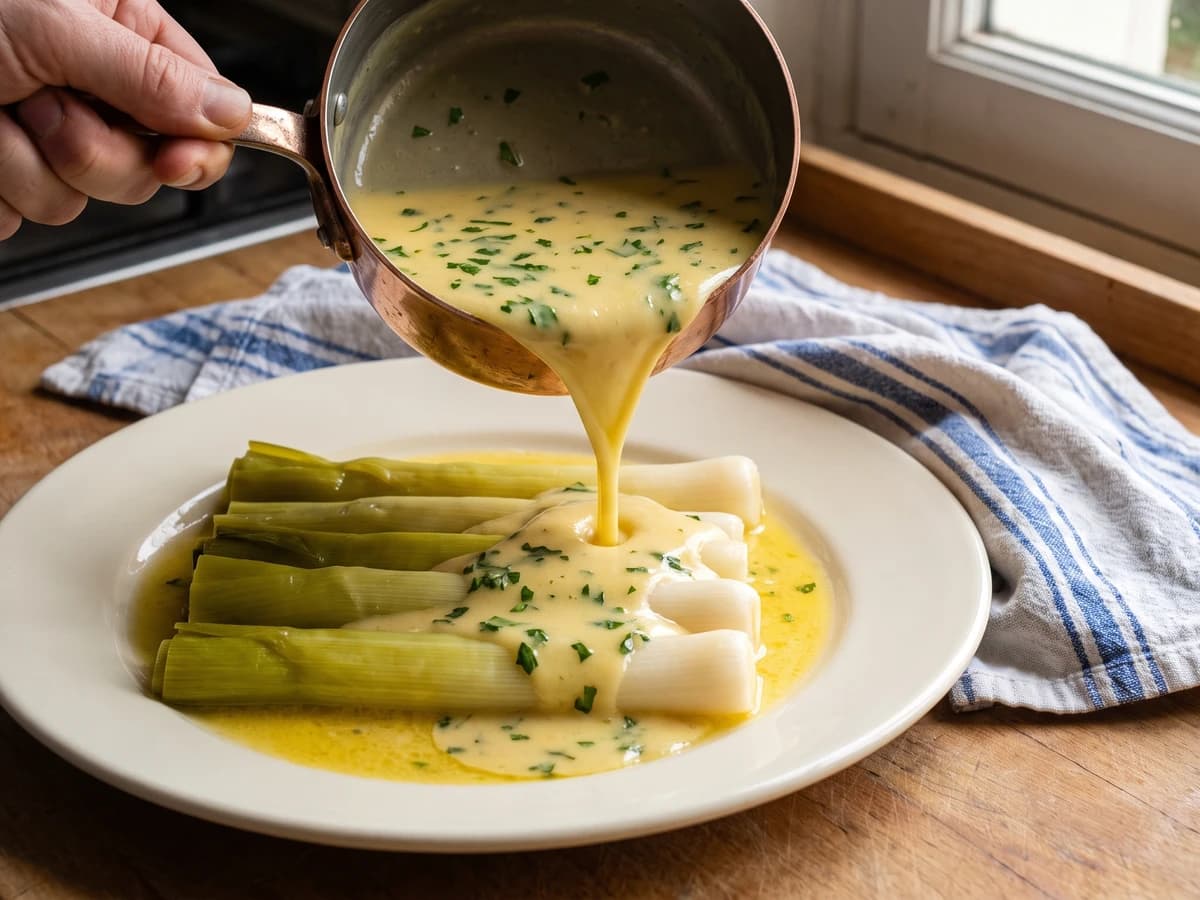
An old lesson in sauce families: Sauce Allemande takes mushroom liquor, then butter, lemon, and parsley, becoming a glossy Poulette for sheep's trotters, leeks, cauliflower, and anything needing gentle richness with a bright edge.