
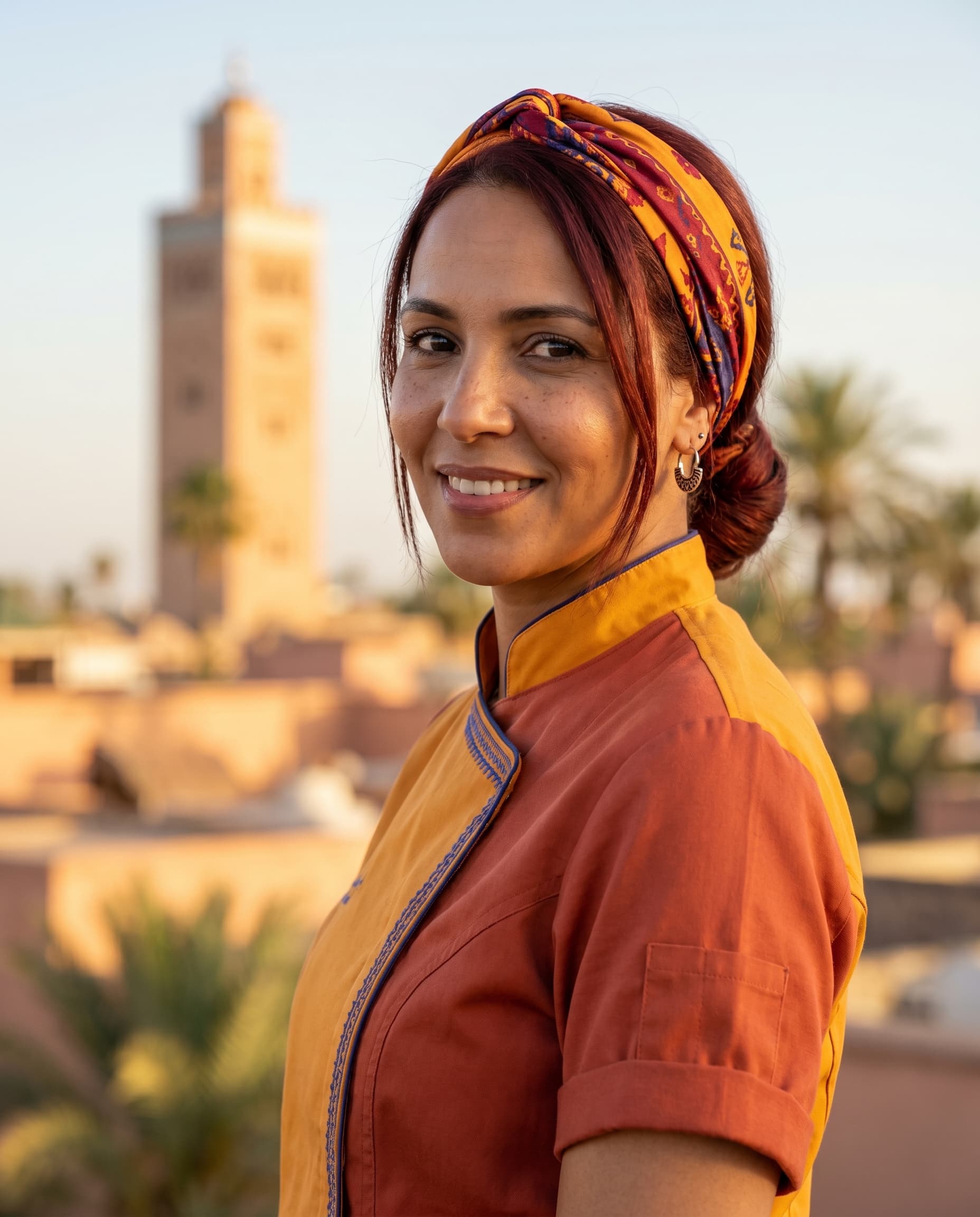
Chef Zohra
Bouchiar (بوشيار)
A Chaouia griddle bread halfway between loaf and light beignet, made from a loose semolina dough spread by hand, fried gold, and eaten warm with butter, honey, or olive oil.
Updated June 10, 2026
The fast hot-plate breads of breakfast and tea time, cooked on a skillet or saj instead of the oven: the laminated msemen and meloui pulled apart in oiled layers, the crumbly Middle Atlas harcha, the lacy thousand-hole baghrir that drinks honey, the puffed Amazigh batbout, and the soft Chaouia bouchiar. Everything turns on how you rub the semolina and read the plate by hand.
A cooking platform built around craft, culture, and the stories behind what we eat.
Chef Zohra
A Chaouia griddle bread halfway between loaf and light beignet, made from a loose semolina dough spread by hand, fried gold, and eaten warm with butter, honey, or olive oil.

Chef Zohra
Msemen is the square bread of the griddle and the tea table: thin dough stretched by hand, folded with oil and semolina, then cooked until golden and layered.

Chef Zohra
The round cousin of msemen, stretched thin, buttered, coiled, and pressed flat so the bread opens in warm rings at the table.

Chef Zohra
A pan-cooked semolina galette, golden at the edges and tenderly crumbly inside, called harcha in much of Morocco and mbesses in the Oujda east.

Chef Zohra
Small rounds of Moroccan bread puffed on a hot pan, tender inside with a pocket ready for sauce, olives, honey, or whatever the table has made room for.

Chef Zohra
The lacy Moroccan pancake of fine semolina, cooked on one side only so every little hole stays open for warm butter and honey.
Culinary guides, cultural storytelling, and the editorial depth that makes cooking meaningful.
Discover Culinary ExplorerChef Zohra is a fictional culinary guide to Moroccan Regional Cuisine, written with the assistance of AI.