
Chef Lupita
Ate de Tejocote Michoacano
Michoacán's highland tejocote cooked in a copper cazo with piloncillo until the fruit becomes a firm amber ate, sliced thick and set on the table with fresh queso.
Updated June 1, 2026
The P'urhépecha sweet pantry tied to the Meseta and the Lago de Pátzcuaro. Pátzcuaro's 1905 garrafa nevería tradition (nurite, leche quemada, membrillo, mamey, elote tierno sabores from La Pacanda and her sisters), the Michoacán decembrina dulcerías (cabadas, rollo de guayaba, ate de tejocote y zarzamora, jamoncillo de leche en cazo de cobre, Quiroga dulce de leche con piloncillo), the Uruapan miel de tejocote and Christmas buñuelos uruapenses, the Zitácuaro Feria de la Conserva and mermelada de zarzamora, the Cuaresma capirotada built on pan de Tancítaro, and the prehispanic atoles dulces espesos (chaqueta, zarzamora) plated as dessert. El dulce p'urhépecha es leche, piloncillo y fruta del huerto michoacano, cocinado en cazo de cobre.
A cooking platform built around craft, culture, and the stories behind what we eat.
Chef Lupita
Michoacán's highland tejocote cooked in a copper cazo with piloncillo until the fruit becomes a firm amber ate, sliced thick and set on the table with fresh queso.

Chef Lupita
Michoacán's Pátzcuaro nieve de pasta, reduced in cazo de cobre until the milk tastes like jamoncillo, then hand-churned in a garrafa with nurite from the Meseta Purépecha.
Chef Lupita
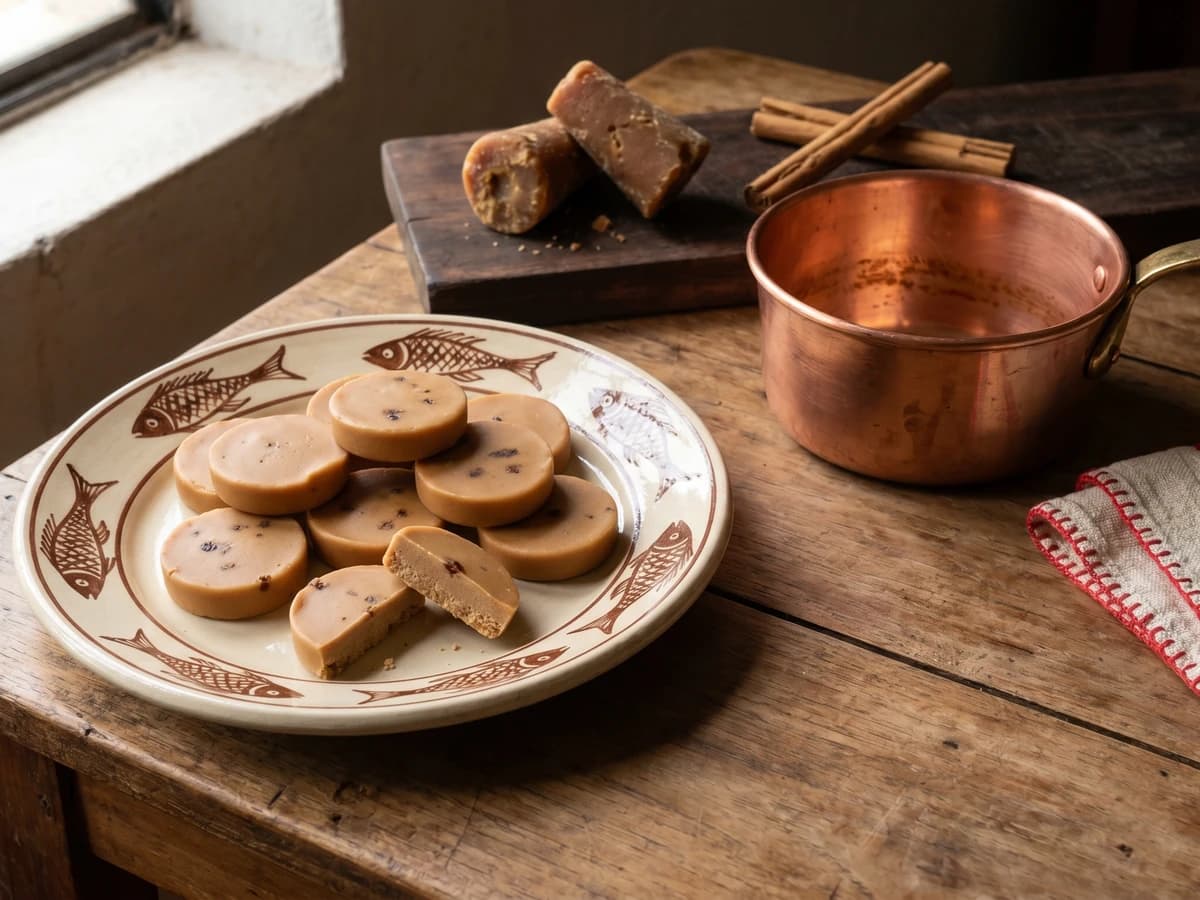
Michoacán's P'urhépecha milk fudge, cooked slowly in a Santa Clara copper cazo with whole milk, piloncillo, and canela until it turns tawny, thick, and firm enough to cut.

Chef Lupita
Uruapan's Christmas miel, built from orchard tejocotes, ripe guayabas, canela, and piloncillo, cooked until the syrup turns amber and clings properly to a stack of buñuelos.
Chef Lupita
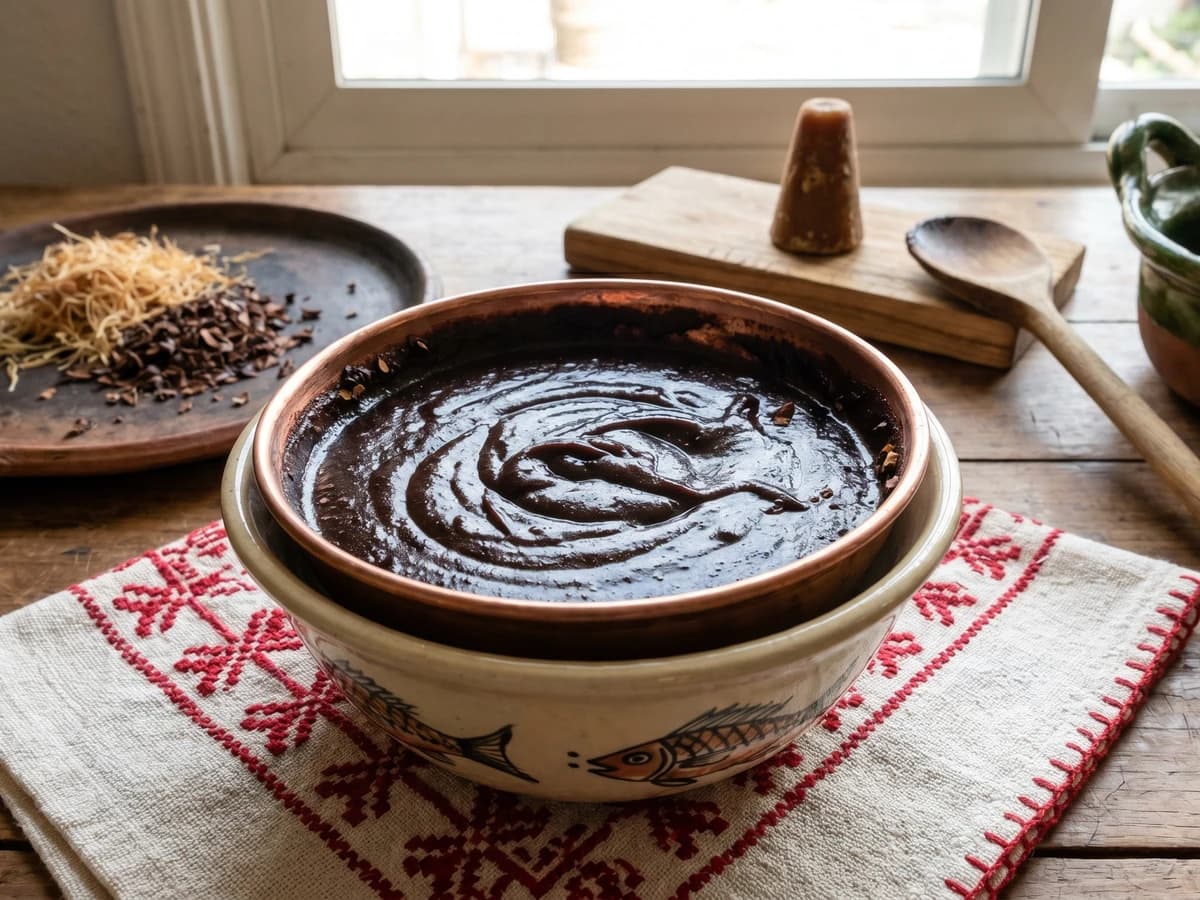
Michoacán's black atole from Uruapan and Lake Pátzcuaro, thick enough to plate, built from tatemada cacao husk, toasted corn silk, fresh nixtamal masa, and piloncillo.
Chef Lupita
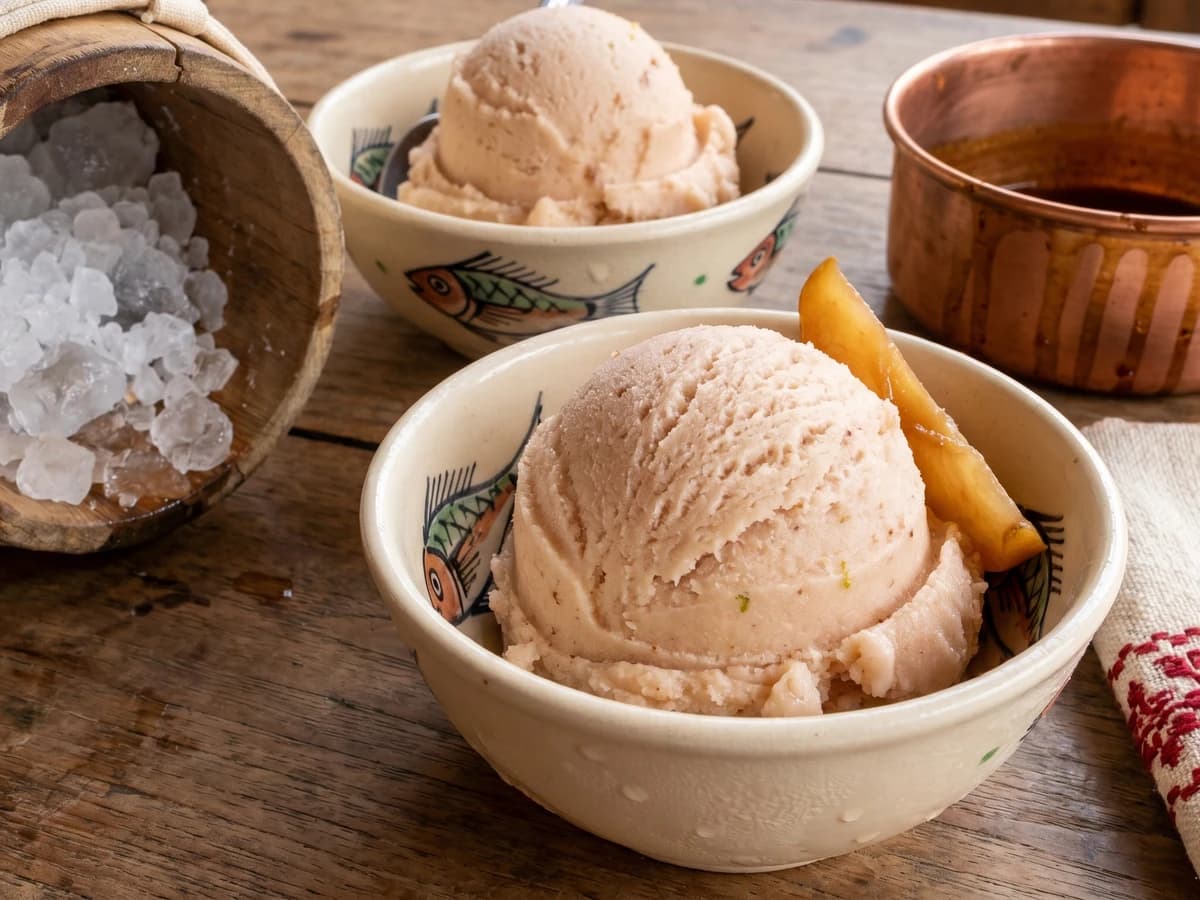
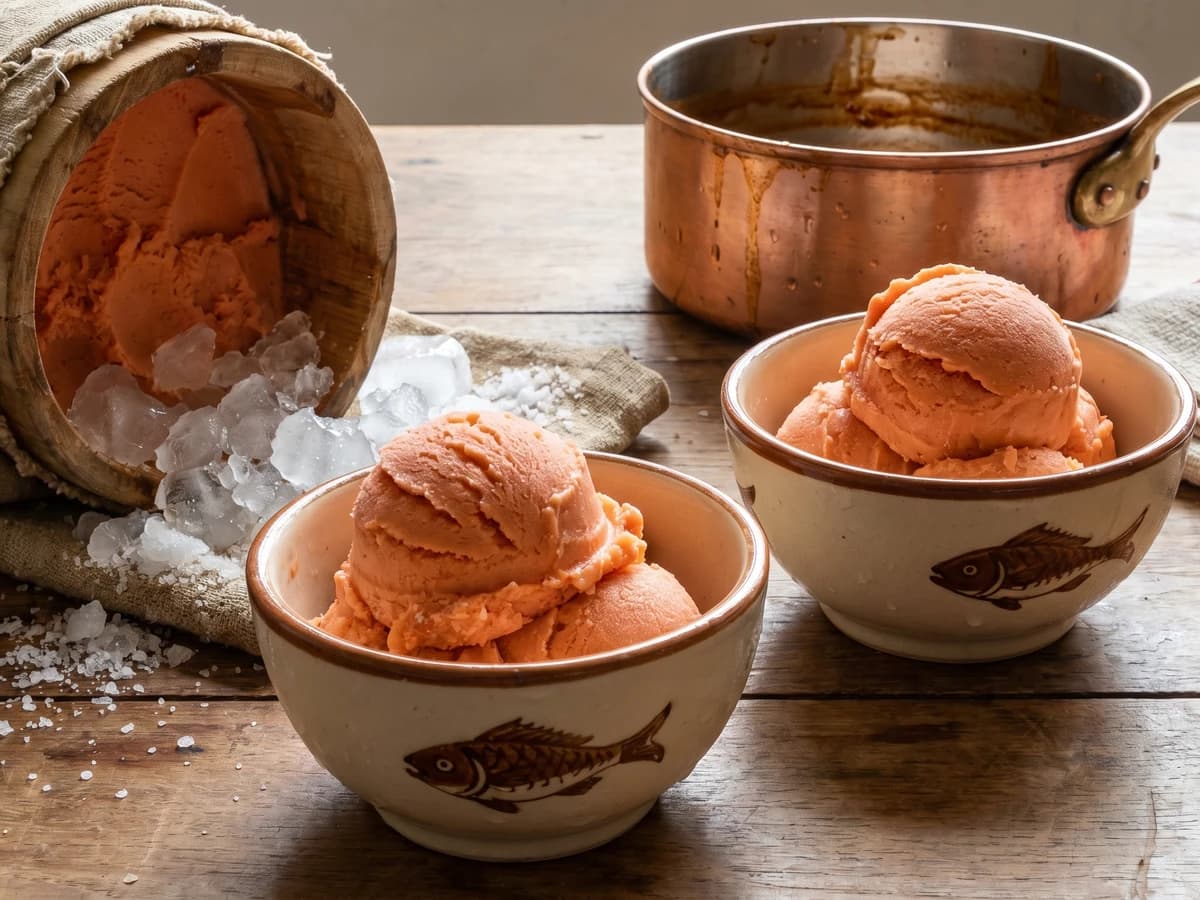
Michoacán's Lago de Pátzcuaro winter fruit, cooked in a copper cazo with piloncillo and churned by hand in a garrafa packed with rock salt and ice.

Chef Lupita
Morelia's ate de zarzamora turns Michoacán blackberries and piloncillo into a dark, sliceable fruit paste, cooked slowly in a copper cazo and served with queso fresco.

Chef Lupita
Zitácuaro's Semana Santa preserve, orchard fruit firmed with cal and cooked slowly in piloncillo, canela, and clavo until the almíbar turns dark, heavy, and ready for Lent.

Chef Lupita
Michoacán's Pátzcuaro lake-country corn snow, made from tender milpa elote, milk, and piloncillo, cooked in copper, chilled properly, then hand-cranked in a garrafa packed with ice and rock salt.

Chef Lupita
Michoacán's Uruapan buñuelos are crisp fried-dough wheels served at Christmas with a dark miel de tejocote y guayaba, the kind of dulce that closes a Posada in the Meseta.
Chef Lupita
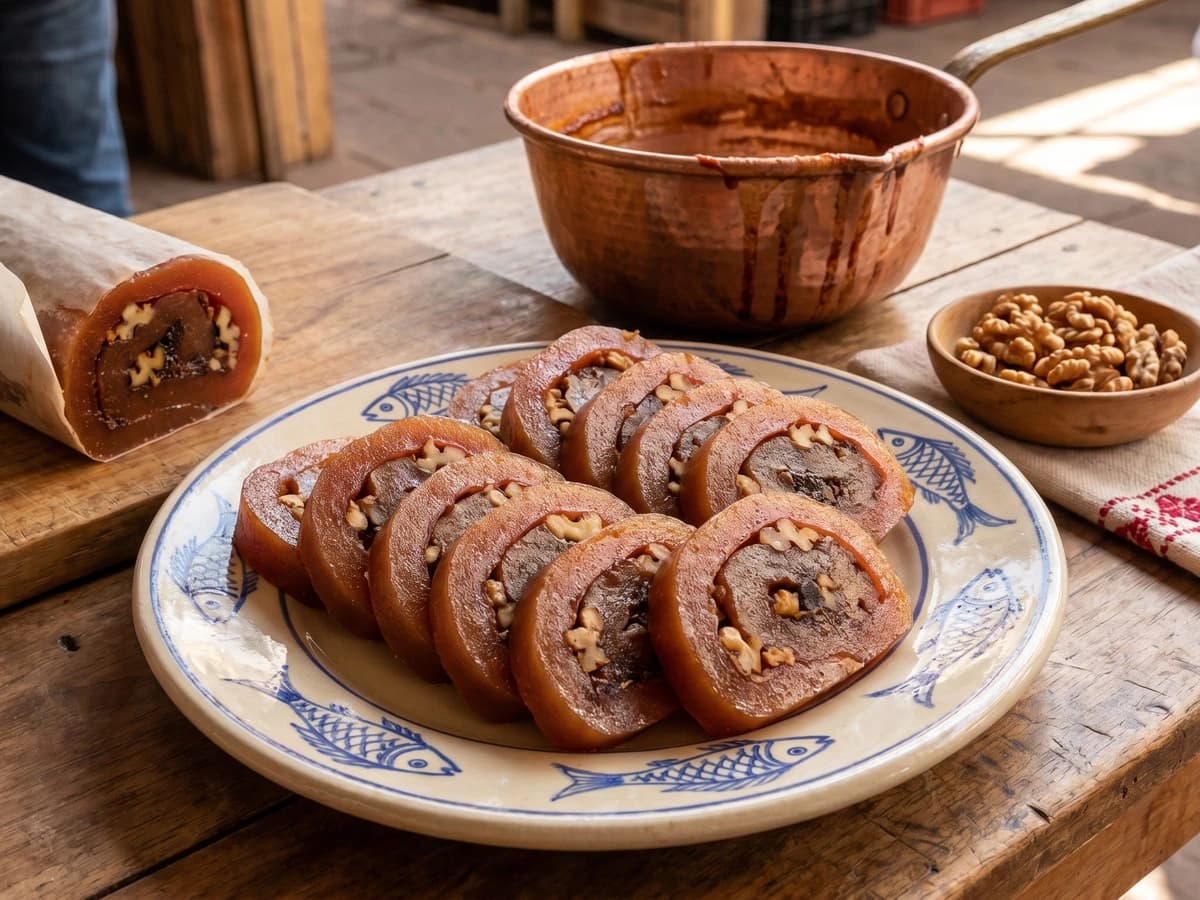
Michoacán's December dulce from Pátzcuaro and Morelia, guava paste cooked down in a copper cazo, rolled around walnut and piloncillo, then sliced into neat rounds for the holiday table.
Chef Lupita
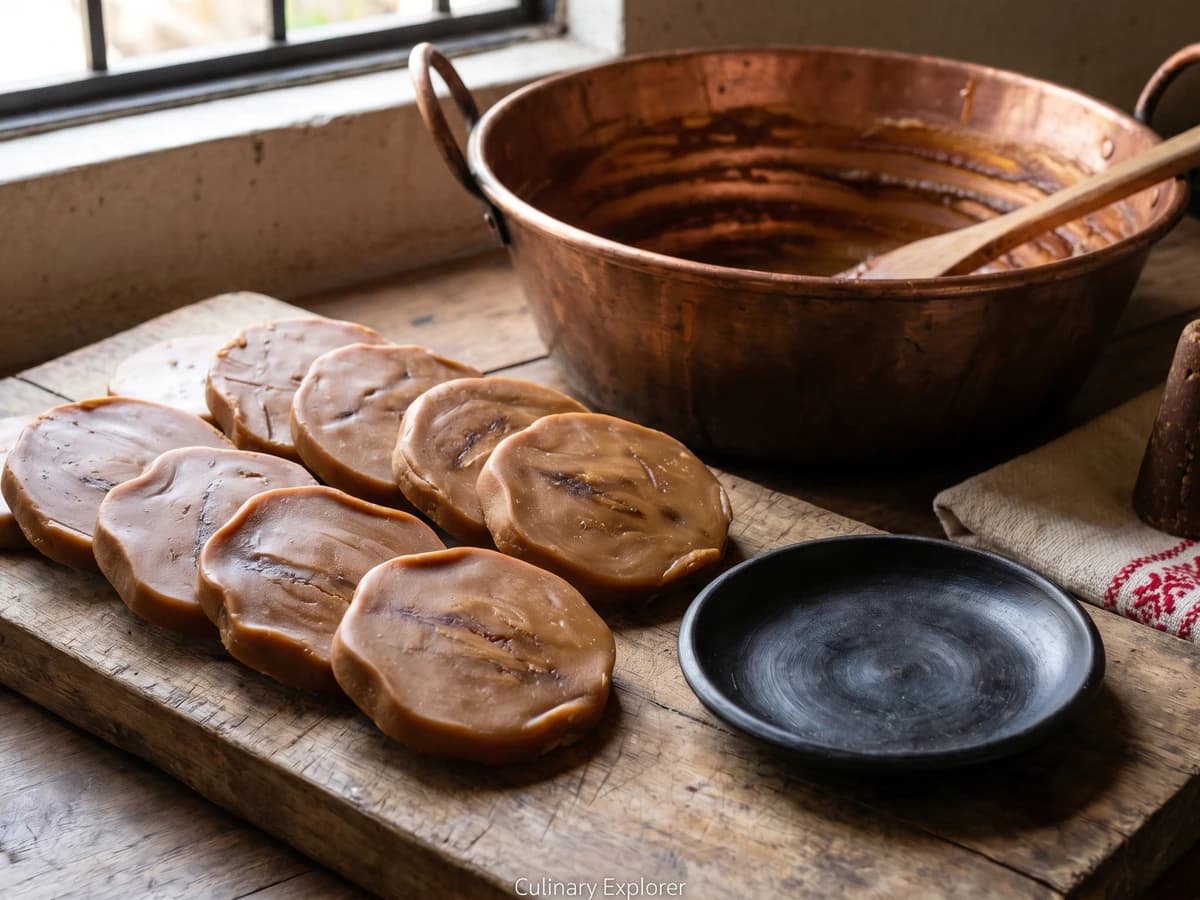
Quiroga's milk candy is Michoacan's market patience: whole milk, dark piloncillo, and a copper cazo worked with a wooden paddle until the pot gives back firm caramel-brown discs.

Chef Lupita
Michoacán's Cuaresma bread pudding, layered with dense pan de Tancítaro, piloncillo miel, raisins, peanuts, queso de rancho, and one bay leaf that keeps it from tasting flat.

Chef Lupita
Michoacán's Christmas cabadas are copper-cooked milk and piloncillo candies, beaten until matte, folded with toasted almond, and sold from canastas in Pátzcuaro and Morelia when December starts asking for sweets.
Chef Lupita
Michoacán's plaza nieve, ripe mamey folded into a copper-cooked jamoncillo de leche base, then turned by hand in a garrafa packed with ice and sal de grano.
Chef Lupita
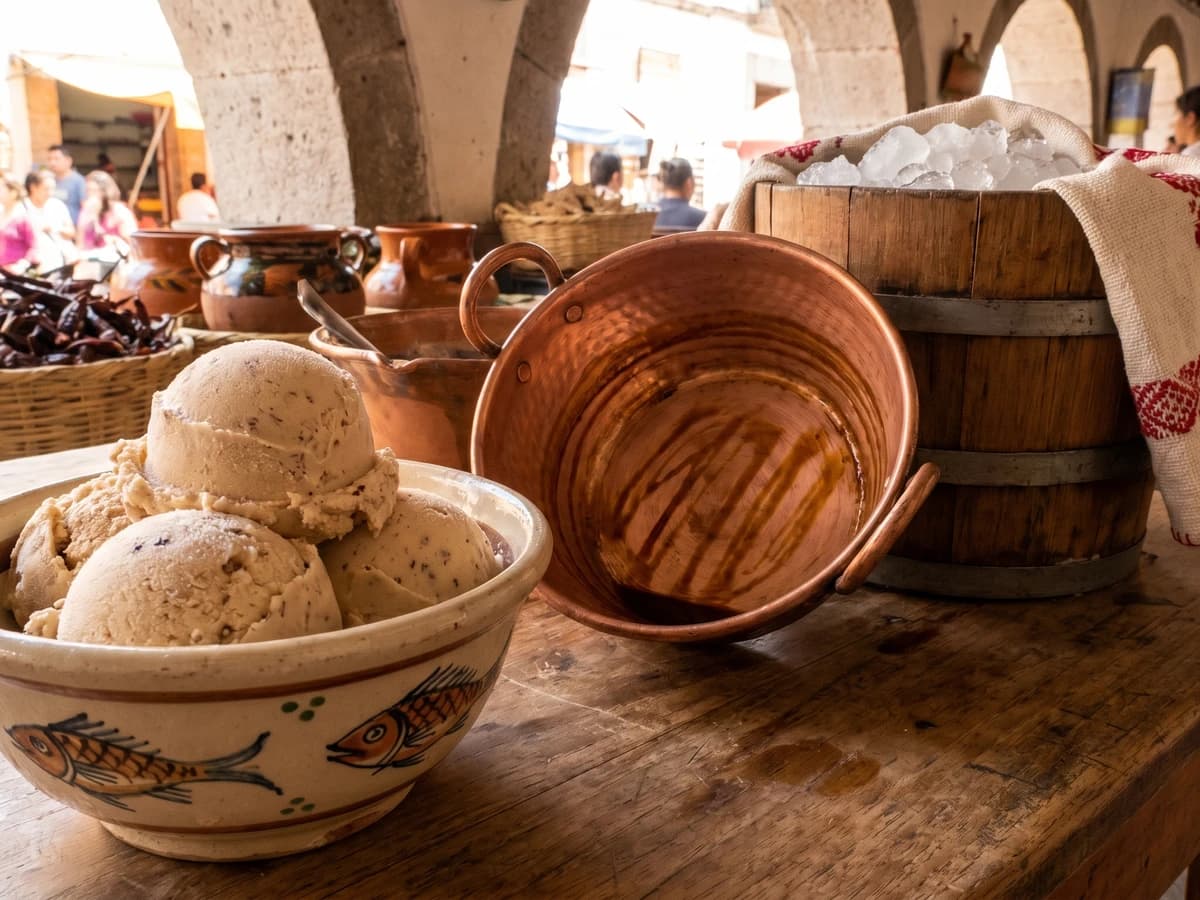
Michoacán's Pátzcuaro nieve de pasta is milk cooked down in copper with piloncillo and canela, then frozen by hand in a garrafa packed with ice and grain salt.

Chef Lupita
Michoacan's Meseta P'urhepecha gives this thick blackberry atole its body: masa from the milpa, zarzamoras from the highland orchards, and piloncillo cooked until the fruit turns dark and glossy.
Chef Lupita
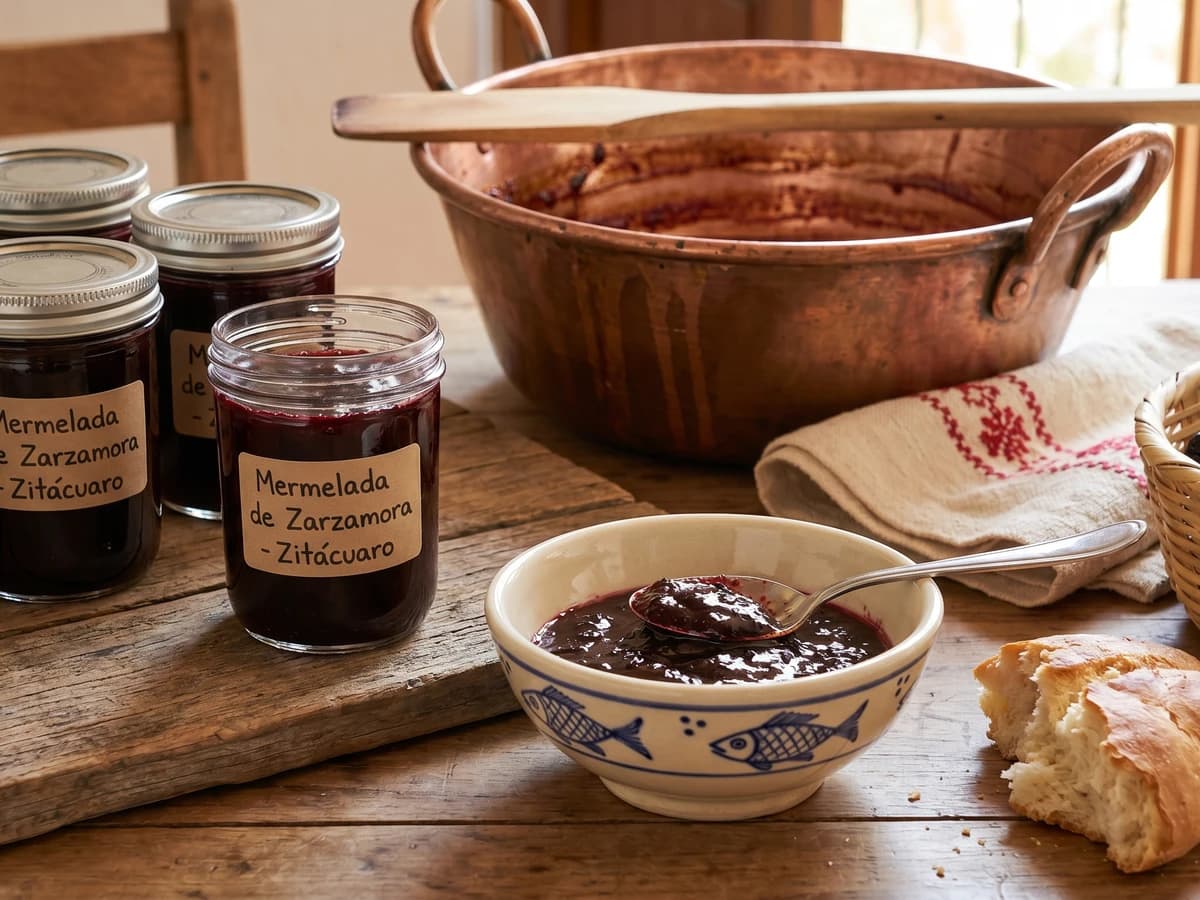
Michoacán's eastern highland jam, dark with zarzamora and piloncillo, cooked in a copper cazo until the berries collapse into a preserve built for Semana Santa and the pantry shelf.
Culinary guides, cultural storytelling, and the editorial depth that makes cooking meaningful.
Discover Culinary ExplorerChef Lupita is a fictional culinary guide to Regional Mexican Cuisine, written with the assistance of AI.