
Chef Takumi
Abura Soba (油そば, brothless ramen)
Abura soba is ramen without the hiding place of soup: hot noodles, strong shōyu tare, fragrant oil, and the discipline to mix while every strand is still hot.
A cooking platform built around craft, culture, and the stories behind what we eat.
Created by
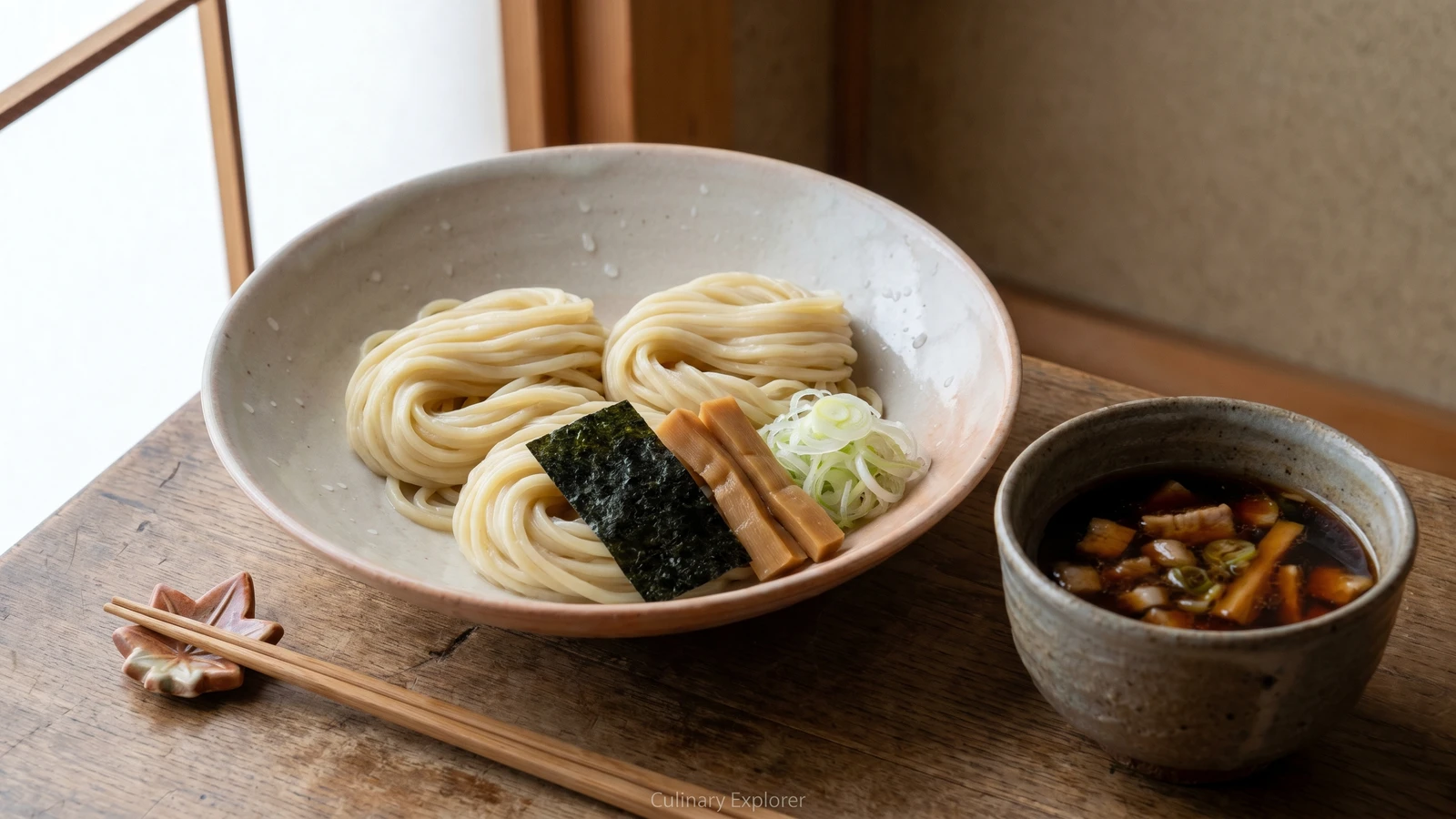
Tsukemen looks like ramen taken apart, and that is the point. Cold springy noodles meet a hot broth so strong you dip, not drink, until soup-wari softens the last mouthful.
Tsukemen looks like ramen that changed its mind: noodles in one bowl, broth in another, and everyone suddenly solemn about dipping. Don't be impressed by the separation. The split is the method, not decoration. Cold noodles keep their spring, while hot tsukejiru, the dipping broth, can be richer and saltier than any soup you would drink by the bowlful.
The detail that decides it is washing the noodles. Boil thick ramen until just cooked through, then rinse them hard under cold water, rubbing away the surface starch, and chill them briefly. If the starch stays, the noodles clump and the broth turns dull. If you drain them poorly, they water down the dip. There it is: wash well, drain harder.
The broth is built in two voices. Pork gives body, and dashi of konbu and katsuobushi gives the clean fish depth that keeps the richness from growing heavy. Season it with shōyu, mirin, a little vinegar, and enough restraint to stop before it tastes like sauce. It should be too strong to drink straight. That isn't a mistake; the noodle only carries a thin coat.
At the end, we add hot stock to the remaining dip for soup-wari, turning the concentrate back into soup. This is a very practical mercy. Dip, eat, dip again, then drink what is left once it has learned some manners.
Modern tsukemen is generally credited to Kazuo Yamagishi of Taishōken in Tokyo, who developed the idea from a staff meal of cold noodles dipped in leftover soup and put it on the menu in 1961 as tokusei morisoba. The name tsukemen, literally 'dipping noodles,' became common later as ramen shops across Japan built thicker pork-and-fish broths for noodles served separately. Soup-wari, diluting the remaining dip with hot stock at the end, shows the dish's logic: the broth begins too concentrated to drink and finishes as soup.
Quantity
800g
Quantity
8 cups
Quantity
1 thumb-size piece
sliced
Quantity
4
lightly crushed
Quantity
1
Quantity
1 piece (about 10g)
Quantity
4 cups
Quantity
30g
Quantity
1/2 cup
Quantity
1/4 cup
Quantity
2 tablespoons
Quantity
1 tablespoon
Quantity
2 teaspoons
Quantity
1/2 teaspoon
Quantity
600g
Quantity
100g
drained
Quantity
2
thinly sliced
Quantity
4
cut in half
Quantity
1 teaspoon
Quantity
to taste
Quantity
about 2 cups
for soup-wari
| Ingredient | Quantity |
|---|---|
| meaty pork neck bones or country-style pork ribs | 800g |
| cold water for pork stock | 8 cups |
| gingersliced | 1 thumb-size piece |
| garlic cloveslightly crushed | 4 |
| Tokyo negi green top, or leek green top | 1 |
| konbu (dried kelp) | 1 piece (about 10g) |
| cold water for dashi | 4 cups |
| katsuobushi (bonito flakes) | 30g |
| koikuchi shōyu (Japanese dark soy sauce) | 1/2 cup |
| mirin | 1/4 cup |
| sake | 2 tablespoons |
| rice vinegar | 1 tablespoon |
| sugar | 2 teaspoons |
| fine sea salt (optional) | 1/2 teaspoon |
| fresh thick ramen noodles | 600g |
| menma (seasoned bamboo shoots)drained | 100g |
| scallionsthinly sliced | 2 |
| nori sheetscut in half | 4 |
| toasted sesame oil | 1 teaspoon |
| shichimi tōgarashi (optional) | to taste |
| hot reserved pork stock or dashifor soup-wari | about 2 cups |
Put the pork and 8 cups cold water in a heavy pot and bring it up over medium heat. Skim the gray foam as it gathers, then add the ginger, garlic, and negi. Keep the surface at a quiet tremble for 75 to 90 minutes, until the liquid tastes porky and the meat loosens. Starting cold draws soluble proteins out slowly so you can skim them; a hard boil pounds them back into the stock and gives you muddy heaviness.
Strain the pork stock through a fine strainer. Pull any good meat from the bones, or cut the country-style ribs into bite-size pieces, and keep it covered. If you have more than 4 cups stock, boil it down to 4 cups. If you have less, add water to reach 4 cups. Concentration matters here because the dipping broth depends on body, not a blanket of soy.
Wipe the konbu with a damp cloth, but don't wash it. Put it in 4 cups cold water and bring it up slowly over low heat. Lift the konbu out just before the water boils, when small bubbles climb the sides. Add the katsuobushi all at once, take the pot off the heat, and leave it alone for 2 to 3 minutes. Strain through a cloth or fine strainer and let it drip on its own. Don't squeeze; squeezing presses strong, oily flavors into the clean stock.
Combine the shōyu, mirin, sake, rice vinegar, and sugar in a small pan. Bring just to a simmer for 2 minutes, until the sake's raw edge fades, then turn off the heat. This is tare, the seasoning base. Keeping it separate lets you season the broth strongly without boiling the dashi to death.
Put the reserved pork in a small pan with 1/2 cup pork stock and 2 tablespoons of the tare. Simmer gently for 5 minutes, then turn off the heat and let it sit. The pork is already cooked; now you're giving it a seasoned surface without drying it into rope.
In a clean pot, combine 3 cups pork stock, 2 cups dashi, and the remaining tare. Simmer gently for 5 minutes, then stir in the sesame oil. Taste it. It should be too strong to drink by itself, salty enough to wake up one mouthful of cold noodles, with fish aroma above pork body. If it tastes harsh, add a little dashi. If it tastes flat, reduce it a few minutes before reaching for salt. Keep it hot over the lowest heat.
Drain the menma, slice the scallions, cut the nori, and keep the seasoned pork ready. This is not ceremony, just order. Once the noodles are rinsed, they should not wait around while you hunt for a bowl.
Bring a large pot of unsalted water to a rolling boil. Add the fresh ramen noodles and stir once so they separate. Cook until fully tender but still springy, usually 3 to 5 minutes, tasting a strand near the end. Don't undercook them. The cold rinse will tighten the noodles, so a strand that feels barely done in the pot will eat too firm at the table.
Drain the noodles and rinse them under cold running water, rubbing them with your hands until the surface slickness is gone. Plunge them into ice water for 30 to 60 seconds, then drain hard in a zaru or colander and shake off the water. Surface starch makes the noodles cling and dulls the broth. Water left on the noodles thins the dip. The noodles should feel cool, firm, separate, and slightly elastic.
Coil the noodles into four shallow bowls with a little height. Ladle the hot tsukejiru into small deep bowls and add the pork, menma, scallion, and nori. Dip a bite-size bundle of noodles halfway into the broth and eat at once; don't soak the whole bowl, or the noodles lose their spring and the broth loses its purpose. At the end, pour hot reserved pork stock or dashi into the remaining dip for soup-wari, taste, and drink. The broth began as concentrate, and now it returns to soup.
1 serving (about 610g)
Culinary guides, cultural storytelling, and the editorial depth that makes cooking meaningful.
Discover Culinary ExplorerChef Takumi
Abura soba is ramen without the hiding place of soup: hot noodles, strong shōyu tare, fragrant oil, and the discipline to mix while every strand is still hot.
Chef Takumi
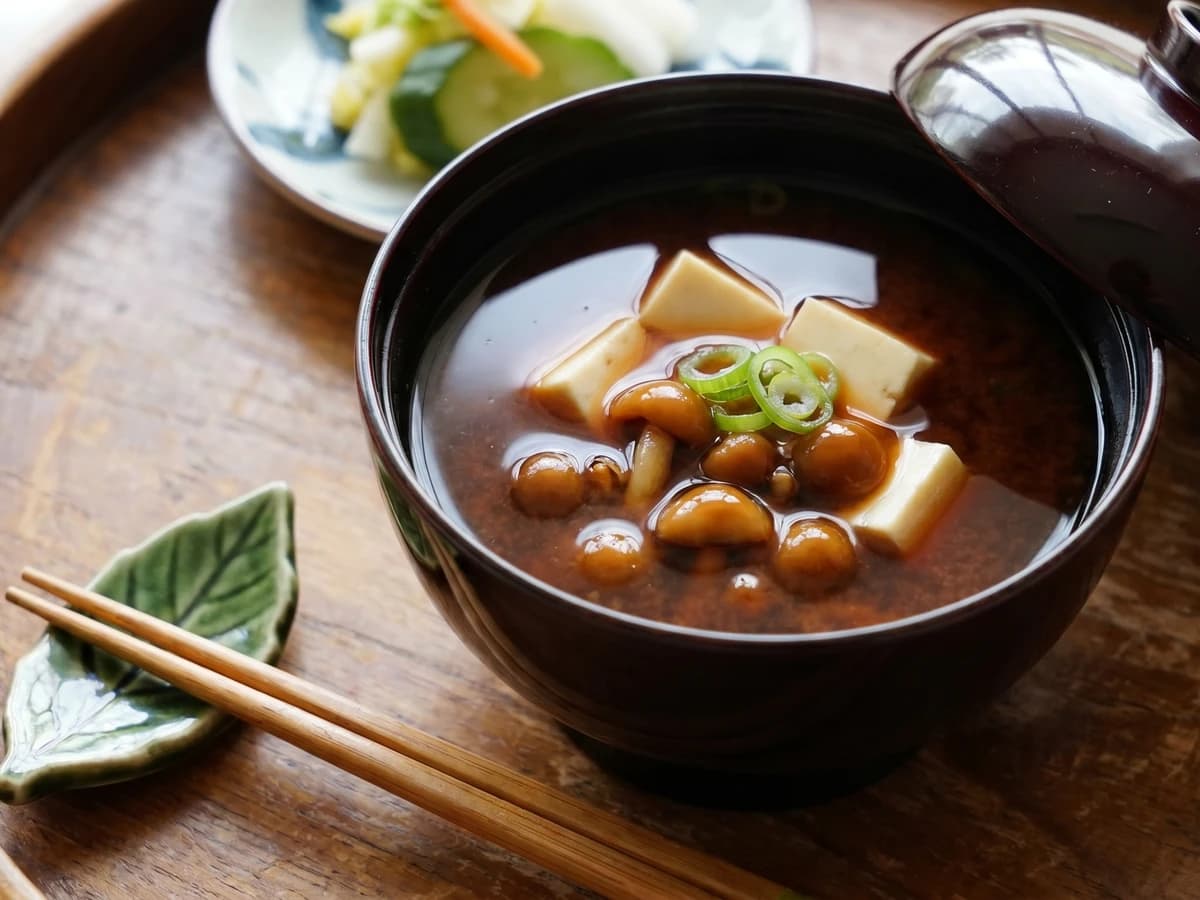
Akadashi asks you to trust the dark miso. Build a clear dashi, loosen the Hatchō mame-miso gently, and the soup turns coffee-dark, savory, and clean.

Chef Takumi
Toast the rice until its skin is firm, then let it meet chicken broth, burdock, maitake, and seri. The pot looks grand, but the work is rice, broth, and patience.
Chef Takumi
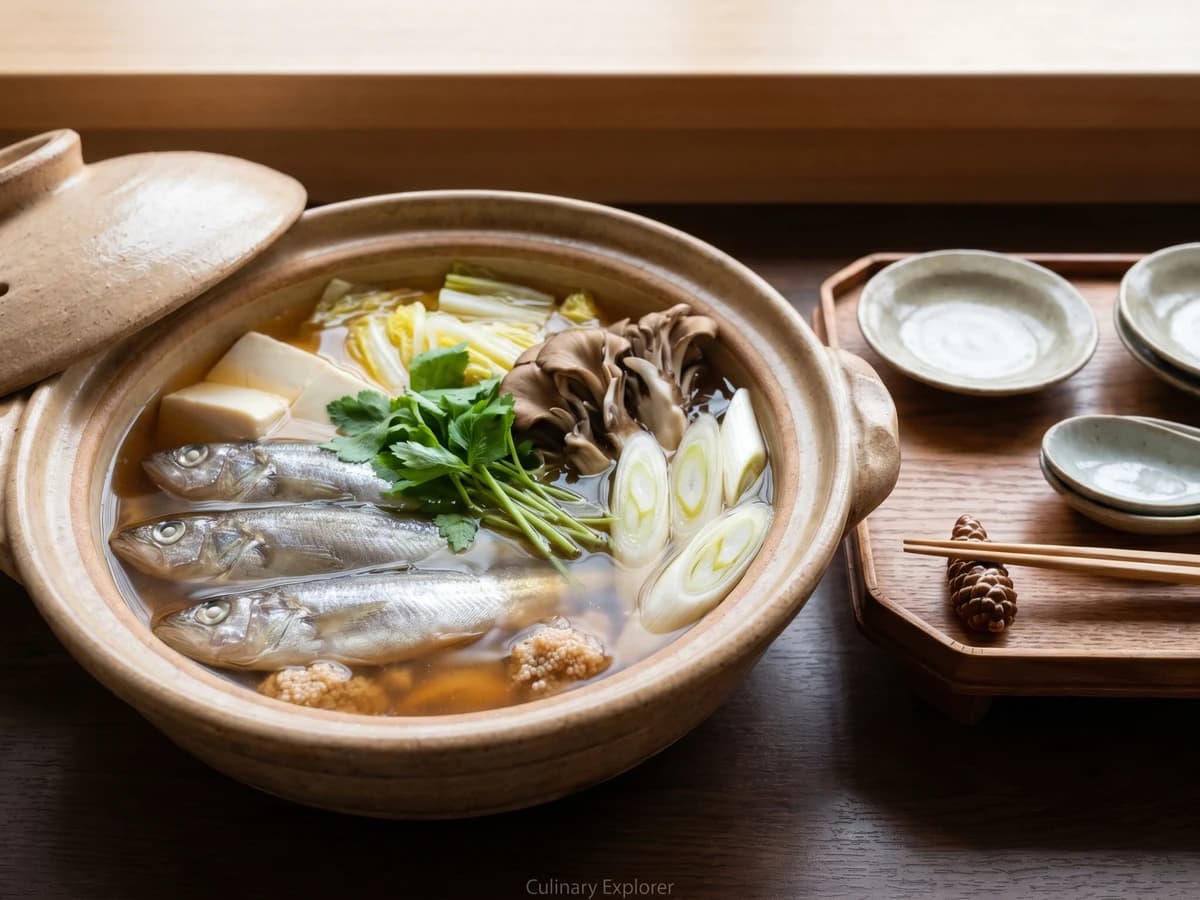
Shottsuru nabe is Akita winter in one pot: clean dashi, hatahata at shun, tofu and napa cabbage carrying a salt-deep broth without anything heavy enough to hide the fish.