
Chef Takumi
Abura Soba (油そば, brothless ramen)
Abura soba is ramen without the hiding place of soup: hot noodles, strong shōyu tare, fragrant oil, and the discipline to mix while every strand is still hot.
A cooking platform built around craft, culture, and the stories behind what we eat.

Created by
The famous white broth is not magic. Clean the bones, then boil them hard enough to emulsify marrow and fat, and the thin noodles carry Hakata's fast, honest bowl.
The white broth is what frightens people. A pot full of pork bones, boiled for half a day, sounds like the sort of kitchen project that grows horns if you look away. It doesn't. Hakata tonkotsu ramen is demanding in time, not in cleverness. Get fresh bones, clean them well, then keep the pot at a hard boil until the broth turns ivory and sticky on your lips.
This is the rare Japanese soup where clarity is not the virtue. In dashi, we protect stillness. Here we need agitation. A quiet simmer gives you pork stock, brown and thin. A rolling boil breaks fat, marrow, and gelatin into tiny pieces and holds them in the broth, which is why the soup becomes cloudy white instead of clear. Different pot, different truth.
The one detail that decides it is the first cleaning. Soak the bones, blanch them, then scrub away the dark clots before the long boil. That isn't fussiness. It removes the rough smell before the broth concentrates for hours, so the final bowl tastes rich but clean. Nothing hidden under sauce. The tare, the concentrated seasoning, only gives the soup its salt and edge.
Hakata ramen is built for speed at the table: thin straight noodles cooked firm, chāshū sliced thin, scallion, kikurage, and a small bite of red pickled ginger. When the noodles are gone and the broth is still good, you ask for kaedama, another handful of noodles for the same bowl. Very sensible. Waste the soup after twelve hours of work and even Bach would sound annoyed.
Tonkotsu ramen is usually traced to Kurume, Fukuoka Prefecture, where Nankin Senryo began serving pork-bone ramen from a yatai street stall in 1937. The cloudy white style associated with Hakata and nearby Nagahama grew after the war, with very thin straight noodles suited to fast cooking for market workers. Kaedama, an extra portion of noodles added to the same broth, is closely tied to Nagahama stalls, where speed mattered and a second full bowl would have wasted the good soup.
Quantity
2.5kg
sawed or cracked if possible
Quantity
1kg
Quantity
enough for soaking, blanching, and 5 to 6 liters for the broth
Quantity
1 large
halved
Quantity
1 head
halved crosswise
Quantity
50g
sliced
Quantity
1/2 cup
Quantity
1/4 cup
Quantity
1/4 cup
Quantity
1/4 cup
Quantity
2 tablespoons
Quantity
10g
Quantity
15g
Quantity
900g
rolled and tied if using belly
Quantity
1 cup
Quantity
1 cup
Quantity
1/2 cup
Quantity
2 tablespoons
Quantity
2 cups
Quantity
3
Quantity
30g
sliced
Quantity
900g
Quantity
300g
Quantity
20g
soaked and shredded
Quantity
6
thinly sliced
Quantity
for serving
Quantity
for serving
Quantity
for serving
| Ingredient | Quantity |
|---|---|
| pork back, neck, or femur bonessawed or cracked if possible | 2.5kg |
| split pork trotters or pig's feet | 1kg |
| cold water | enough for soaking, blanching, and 5 to 6 liters for the broth |
| onion (optional)halved | 1 large |
| garlic (optional)halved crosswise | 1 head |
| fresh ginger (optional)sliced | 50g |
| usukuchi shōyu (light soy sauce) | 1/2 cup |
| koikuchi shōyu (dark soy sauce) | 1/4 cup |
| sake | 1/4 cup |
| mirin | 1/4 cup |
| sea salt | 2 tablespoons |
| konbu (dried kelp) | 10g |
| katsuobushi (bonito flakes) | 15g |
| skinless pork belly or pork shoulderrolled and tied if using belly | 900g |
| shōyu, for chāshū | 1 cup |
| sake, for chāshū | 1 cup |
| mirin, for chāshū | 1/2 cup |
| sugar, for chāshū | 2 tablespoons |
| water, for chāshū | 2 cups |
| scallion greens, for chāshū | 3 |
| fresh ginger, for chāshūsliced | 30g |
| fresh thin straight ramen noodles | 900g |
| extra fresh thin straight ramen noodles for kaedama (optional) | 300g |
| dried kikurage mushroomssoaked and shredded | 20g |
| scallionsthinly sliced | 6 |
| beni shōga (red pickled ginger) (optional) | for serving |
| toasted sesame seeds (optional) | for serving |
| karashi takana (spicy pickled mustard greens) (optional) | for serving |
Put the pork bones and trotters in a large stockpot or basin and cover them with cold water. Soak for 1 hour, changing the water once if it turns very red. This draws out loose blood before the heat sets it onto the bones, which keeps the finished broth rich without that stale iron smell.
Drain the bones, return them to the pot, cover with fresh water, and bring to a strong boil for 15 minutes. The water will turn gray and foamy. Drain everything, rinse the bones under running water, and scrub off any dark clots with your fingers or a small spoon. Wash the pot too. This is the unpretty work that gives you a clean-tasting white broth later.
Return the cleaned bones and trotters to the clean pot and add 5 to 6 liters of fresh water, enough to cover them well. Bring to a hard rolling boil and keep it there, uncovered or partly covered, for 8 hours. Add boiling water as needed to keep the bones mostly submerged. A quiet simmer will not do the job here. The rolling boil breaks fat and gelatin into the liquid, turning the broth from thin and tan to cloudy ivory.
If using onion, garlic, and ginger, add them for the last 2 hours of boiling. They round the pork smell without taking over the bowl. Add them too early and they collapse into sweetness and mud; late is enough. Stir the pot now and then, and press softened trotters gently against the side so their gelatin joins the broth.
When the broth is opaque, ivory-white, and slightly sticky on your lips, strain it through a coarse strainer, then through a fine strainer. Don't force bone grit through. You should have about 2.5 to 3 liters. Bring the strained broth back to a strong boil for 10 minutes before serving or chilling. This pulls the emulsion together again, which is why a reheated tonkotsu pot should look alive before it reaches the bowl.
While the broth cooks, make the tare, the concentrated seasoning base. Boil the sake and mirin for 1 minute to soften the alcohol edge. Add the usukuchi shōyu, koikuchi shōyu, sea salt, and konbu, then warm gently until small bubbles gather at the edge. Pull out the konbu before the liquid boils. Add the katsuobushi off the heat and let it settle for 5 minutes, then strain without squeezing. The tare should taste too salty by itself because it is meant to season a whole bowl of unsalted broth.
Tie the pork belly into a roll, or tie the shoulder into a compact shape. Put it in a pot with the shōyu, sake, mirin, sugar, water, scallion greens, and ginger. Simmer gently for 2 to 2 1/2 hours, turning every 30 minutes, until a skewer slides in with little resistance. Chill the pork in its braising liquid until firm. Cold chāshū slices cleanly and thinly; warm pork tears, and the knife has done no seasoning at all.
Soak the kikurage until pliable, then shred it into thin strips. Slice the scallions finely and cut the chilled chāshū into thin rounds. Set out beni shōga, sesame, and karashi takana if using. Keep the toppings modest. Hakata ramen is not a mountain of decoration; the broth and noodles must still speak.
Bring a large pot of unsalted water to a rolling boil. Warm each ramen bowl, then add 1 1/2 to 2 tablespoons tare to each bowl. Boil the thin noodles for 45 to 60 seconds, aiming for katamen, firm noodles. Drain hard and immediately put the noodles into the seasoned bowls. Thin Hakata noodles keep cooking in the broth, so pull them before they feel soft in the pot.
Ladle about 350ml of boiling-hot tonkotsu broth into each bowl over the tare and stir once. Add the drained noodles and lift them lightly with chopsticks so they lie straight, not clumped. Lay on three thin slices of chāshū, a small tuft of kikurage, scallions, sesame, and a little beni shōga. Serve at once. Ramen waits for no one, which is one of its less negotiable manners.
For kaedama, boil a small extra portion of noodles for 30 to 45 seconds, drain hard, and add it to the remaining broth in the bowl. Add a spoonful of tare if the soup tastes weak after the refill. The idea is plain and good: the broth still has work to do, so give it more noodles.
1 serving (about 700g)
Culinary guides, cultural storytelling, and the editorial depth that makes cooking meaningful.
Discover Culinary ExplorerChef Takumi
Abura soba is ramen without the hiding place of soup: hot noodles, strong shōyu tare, fragrant oil, and the discipline to mix while every strand is still hot.
Chef Takumi
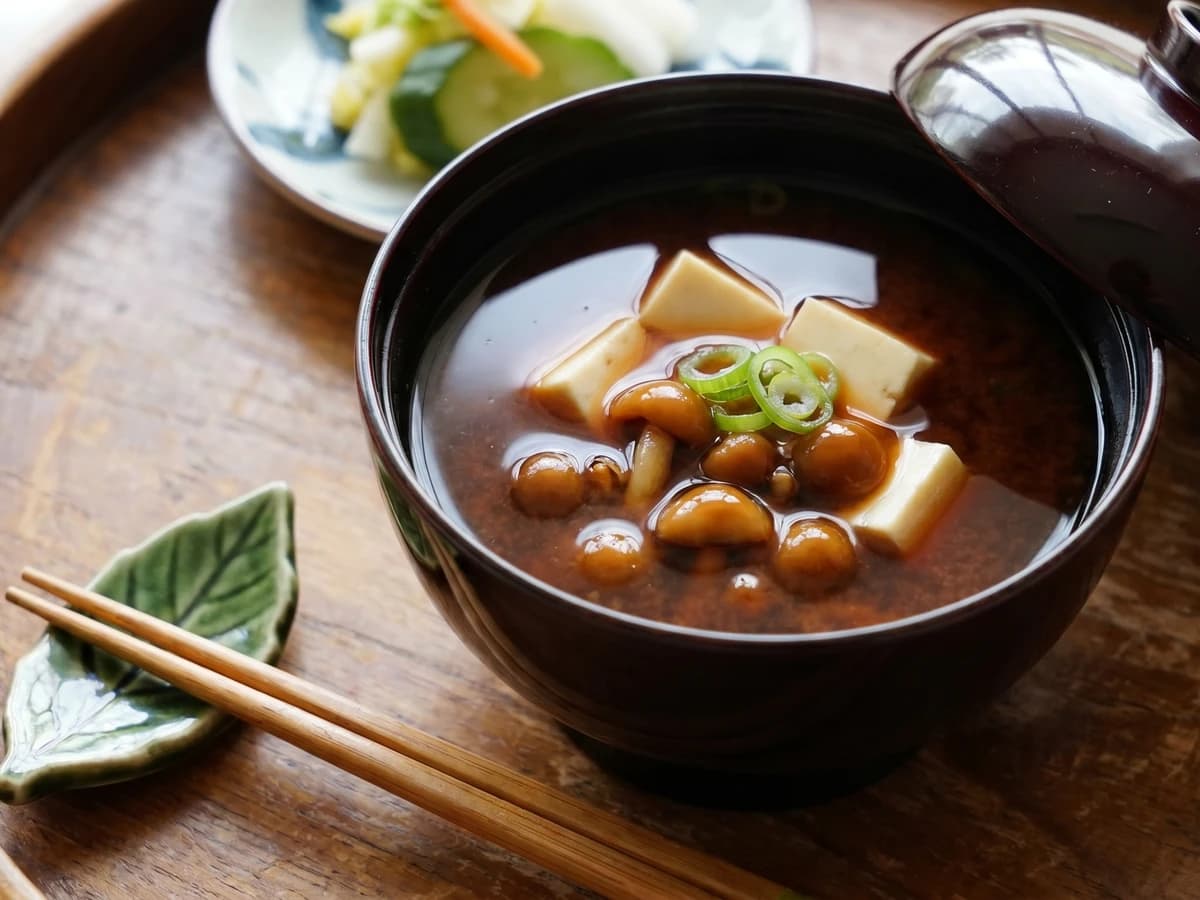
Akadashi asks you to trust the dark miso. Build a clear dashi, loosen the Hatchō mame-miso gently, and the soup turns coffee-dark, savory, and clean.

Chef Takumi
Toast the rice until its skin is firm, then let it meet chicken broth, burdock, maitake, and seri. The pot looks grand, but the work is rice, broth, and patience.
Chef Takumi
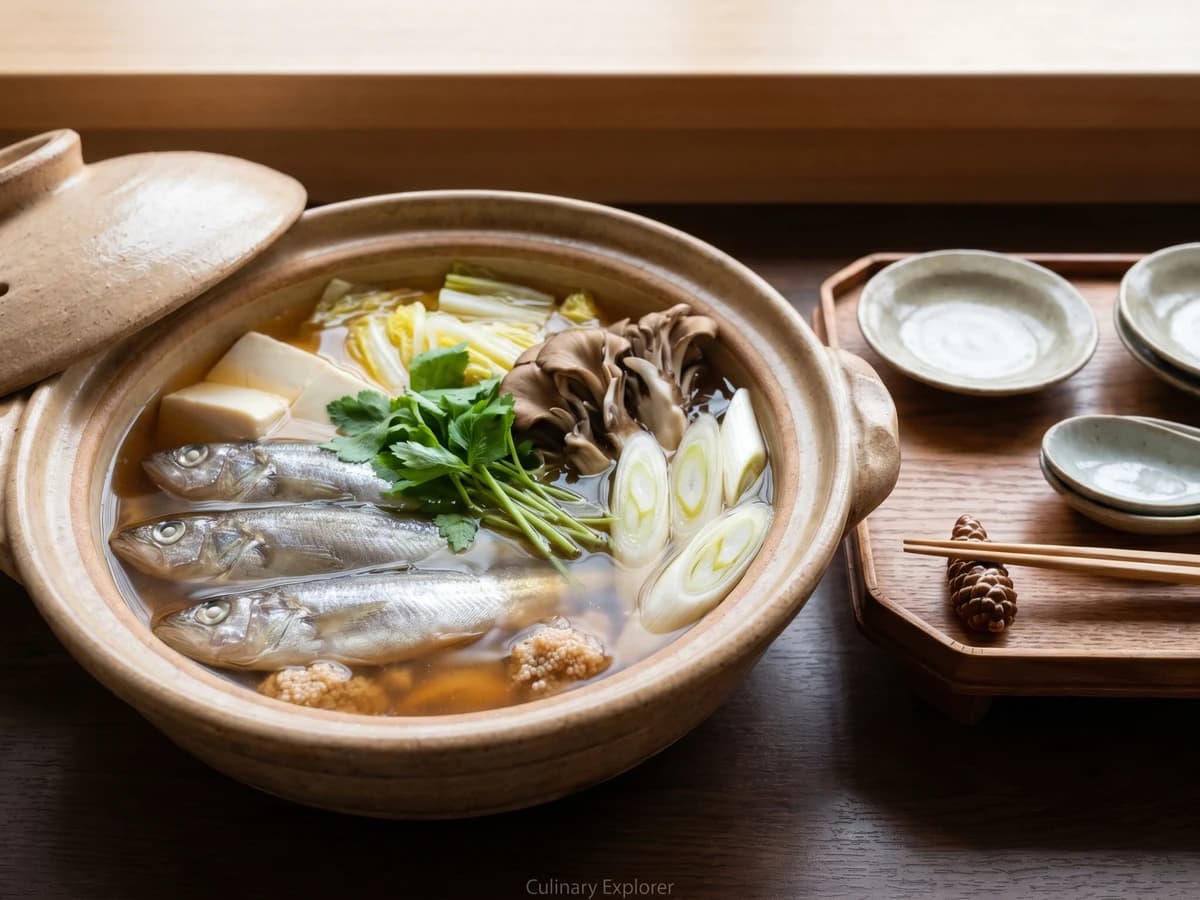
Shottsuru nabe is Akita winter in one pot: clean dashi, hatahata at shun, tofu and napa cabbage carrying a salt-deep broth without anything heavy enough to hide the fish.