
Chef Takumi
Abura Soba (油そば, brothless ramen)
Abura soba is ramen without the hiding place of soup: hot noodles, strong shōyu tare, fragrant oil, and the discipline to mix while every strand is still hot.
A cooking platform built around craft, culture, and the stories behind what we eat.

Created by
Hakodate shio ramen is a clear bowl, not a cloudy one: pork bones simmered quietly, konbu kept sweet, salt tare restrained, and straight thin noodles carrying the broth without getting in its way.
Hakodate shio ramen is judged by the light in the bowl. You should be able to see through the soup enough to know the cook behaved. Ramen has a loud reputation, all long lists and secret shop formulas, but this one is quieter: bones simmered gently, konbu treated politely, salt tare kept honest.
The detail that decides it is not the salt. It's the boil. A rolling boil makes a proud cloudy tonkotsu, but Hakodate's shio bowl asks for a clear soup, so we blanch the bones, wash away the gray foam, and simmer below a bounce. The fat stays in tiny clean beads, the broth stays pale, and the pork gives body without shouting.
Konbu and katsuobushi give the sea its say, but they are not bullied into it. Pull the kelp before the water boils, because sweetness turns bitter if you push it too hard. Let the bonito flakes sink and strain them without squeezing, because clear stock is made as much by what you don't force as by what you add.
Then the tare enters first in the bowl: sea salt dissolved in dashi, sake, and mirin. Put it in the pot and you'll chase the seasoning around all afternoon; put it in each bowl and every serving lands clean. Keep the toppings modest, straight thin noodles, two slices of chashu, menma, scallion, a square of nori. Leave it room. The first sip should tell you everything.
Hakodate was one of the treaty ports opened to foreign trade in 1859, and its noodle history grew from the traffic of Chinese merchants, cooks, and ingredients. Local food historians cite an 1884 Hakodate newspaper advertisement for Nankin soba at Yōwaken as one of the earliest printed traces of ramen in Japan. The city's shio style became the quiet Hokkaido counterpart to Sapporo miso ramen and Asahikawa shōyu ramen: a clear salt-seasoned soup, straight noodles, and restraint as its local grammar.
Quantity
1kg
rinsed
Quantity
500g
Quantity
2.5L
plus more for blanching
Quantity
1
halved
Quantity
1 leek or 2 scallions
green tops only
Quantity
4 thin slices
Quantity
1L
Quantity
12g
Quantity
20g
Quantity
20g
about 1 tablespoon plus 1 teaspoon
Quantity
2 tablespoons
Quantity
1 tablespoon
Quantity
1/2 teaspoon
Quantity
450g
in one piece
Quantity
1/2 cup
Quantity
1/2 cup
Quantity
1/2 cup
Quantity
2 tablespoons
Quantity
1 tablespoon
Quantity
3 thin slices
Quantity
1
Quantity
4 portions
about 120g each
Quantity
1 cup
seasoned bamboo shoots
Quantity
2
thinly sliced
Quantity
1 sheet
cut into 4 squares
Quantity
4 teaspoons
| Ingredient | Quantity |
|---|---|
| pork neck bones or back bonesrinsed | 1kg |
| chicken wings | 500g |
| cold water for animal brothplus more for blanching | 2.5L |
| small onionhalved | 1 |
| leek or scallion greensgreen tops only | 1 leek or 2 scallions |
| fresh ginger | 4 thin slices |
| cold water for dashi | 1L |
| konbu | 12g |
| katsuobushi | 20g |
| fine sea saltabout 1 tablespoon plus 1 teaspoon | 20g |
| sake for tare | 2 tablespoons |
| mirin for tare | 1 tablespoon |
| sugar for tare | 1/2 teaspoon |
| pork shoulder or pork belly for chashuin one piece | 450g |
| soy sauce for chashu | 1/2 cup |
| sake for chashu | 1/2 cup |
| water for chashu | 1/2 cup |
| mirin for chashu | 2 tablespoons |
| sugar for chashu | 1 tablespoon |
| fresh ginger for chashu | 3 thin slices |
| scallion green for chashu | 1 |
| fresh straight thin ramen noodlesabout 120g each | 4 portions |
| menmaseasoned bamboo shoots | 1 cup |
| scallionsthinly sliced | 2 |
| noricut into 4 squares | 1 sheet |
| reserved clear pork or chicken fat (optional) | 4 teaspoons |
Put the pork bones in a large pot, cover with cold water, and bring to a lively boil for 5 minutes. Drain, rinse the bones under warm water, and rub away any gray clots or dark patches. Wash the pot before the bones go back in. This is not fussiness. Those clots break into grit and cloud the broth, and a Hakodate shio bowl has nowhere to hide them.
Return the cleaned bones to the clean pot with the chicken wings and 2.5L cold water. Bring it up slowly, then hold it at a bare simmer for 20 minutes, skimming foam as it gathers. Add the onion, leek or scallion greens, and ginger, then simmer quietly for 2 1/2 to 3 hours. The surface should tremble, not roll. A hard boil beats fat and fine particles into the water and makes a cloudy soup, which is right for tonkotsu but not for Hakodate shio ramen.
While the soup simmers, wipe the konbu with a damp cloth, but don't wash it. Put it in 1L cold water and warm it slowly over low heat. Pull the konbu when small bubbles climb the sides, just before the water boils. Bring the water to a gentle boil, add the katsuobushi all at once, turn off the heat, and leave it alone for 2 minutes. Strain through a cloth or fine-mesh strainer and let it drip naturally.
Measure 1/2 cup of the fresh dashi into a small pan with the sake, mirin, and sugar. Bring it just to a simmer, then stir in the salt until dissolved. This is shio-dare, salt seasoning sauce. It should taste far too salty to sip, because it will season a whole bowl of broth and noodles. Judge it in the bowl, not on the spoon.
While the soup continues, put the pork shoulder or belly in a small pot with the soy sauce, sake, water, mirin, sugar, ginger, and scallion green. Bring to a gentle simmer, set a wooden drop-lid, otoshibuta, directly on the pork, and cook 75 to 90 minutes, turning every 20 minutes. No drop-lid? A circle of parchment with a small hole in the center does the same work. Let the pork cool in its liquid before slicing. Hot chashu tears; cooled chashu cuts cleanly.
Strain the animal soup into a clean pot without pressing on the bones or aromatics. Pressing sends sediment into the broth after you've spent hours keeping it clear. Add the remaining konbu and katsuobushi dashi, then warm the blended soup gently. You want about 2L clear broth. If it tastes thin, simmer it a little longer. If it tastes heavy, add a splash of hot water. It should have body before salt ever enters.
Warm the ramen bowls with hot water, then empty them. Slice the cooled chashu, loosen the menma, cut the nori, and set the scallions within reach. Warm bowls buy you the few seconds ramen needs, because thin noodles keep cooking after they meet the broth. This is the method, not the menu: bowl, tare, soup, noodles, toppings, each in order.
Bring a large pot of unsalted water to a strong boil. Cook the fresh straight noodles until firm, usually 60 to 90 seconds, or a little less than the package says. Stir once as they enter so they don't clump. Drain hard and shake off the water. Extra water thins the tare, and overcooked noodles soften again in the bowl before you've lifted the chopsticks.
For each serving, add 2 tablespoons shio-dare and 1 teaspoon reserved clear fat, if using, to a warm bowl. Ladle in 350 to 400ml hot broth and stir once. Add the noodles, lift them lightly with chopsticks so they sit in a neat fold, then set on 2 slices chashu, a small cluster of menma, scallion, and one square of nori. Serve immediately. Leave the surface of the soup visible, because that clear face is the whole promise of the dish.
1 serving (about 1000g)
Culinary guides, cultural storytelling, and the editorial depth that makes cooking meaningful.
Discover Culinary ExplorerChef Takumi
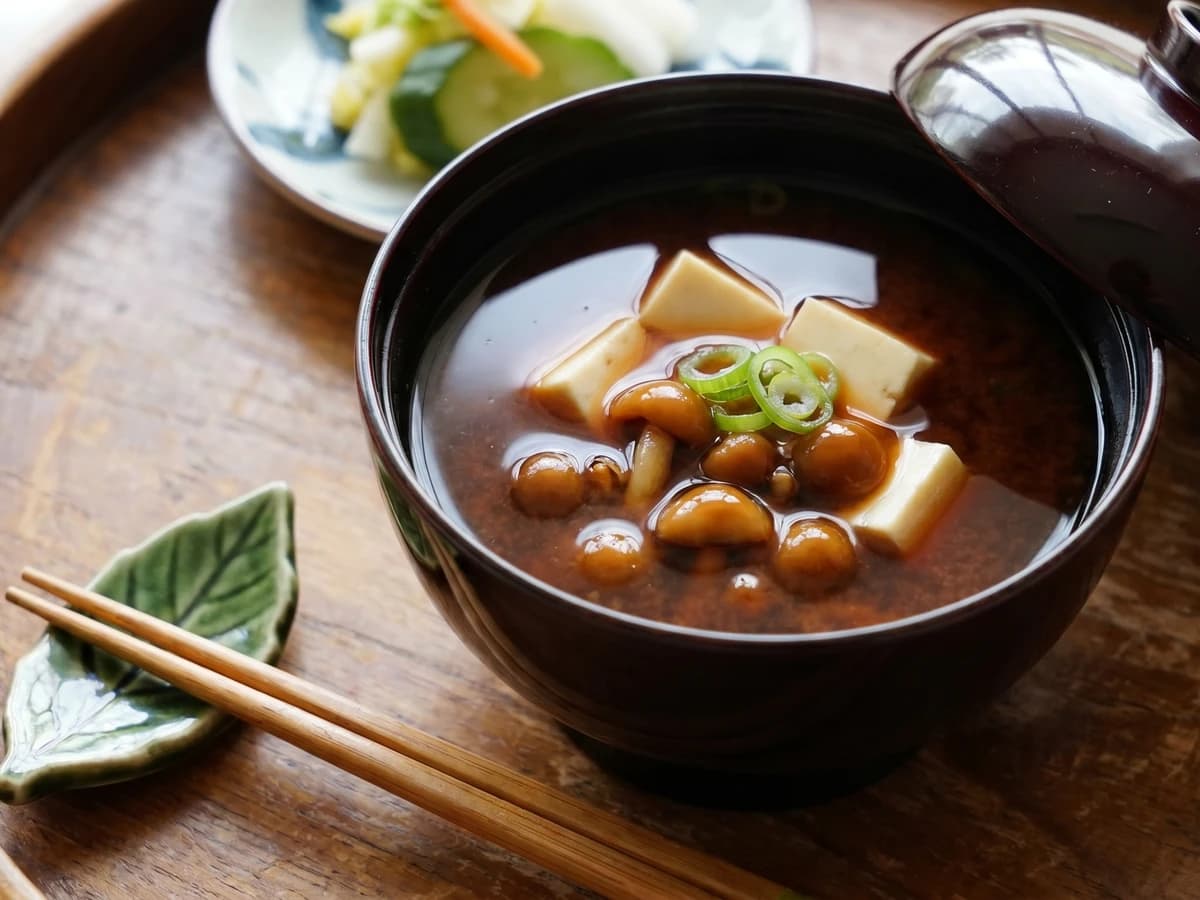
Abura soba is ramen without the hiding place of soup: hot noodles, strong shōyu tare, fragrant oil, and the discipline to mix while every strand is still hot.
Chef Takumi
Akadashi asks you to trust the dark miso. Build a clear dashi, loosen the Hatchō mame-miso gently, and the soup turns coffee-dark, savory, and clean.

Chef Takumi
Toast the rice until its skin is firm, then let it meet chicken broth, burdock, maitake, and seri. The pot looks grand, but the work is rice, broth, and patience.
Chef Takumi
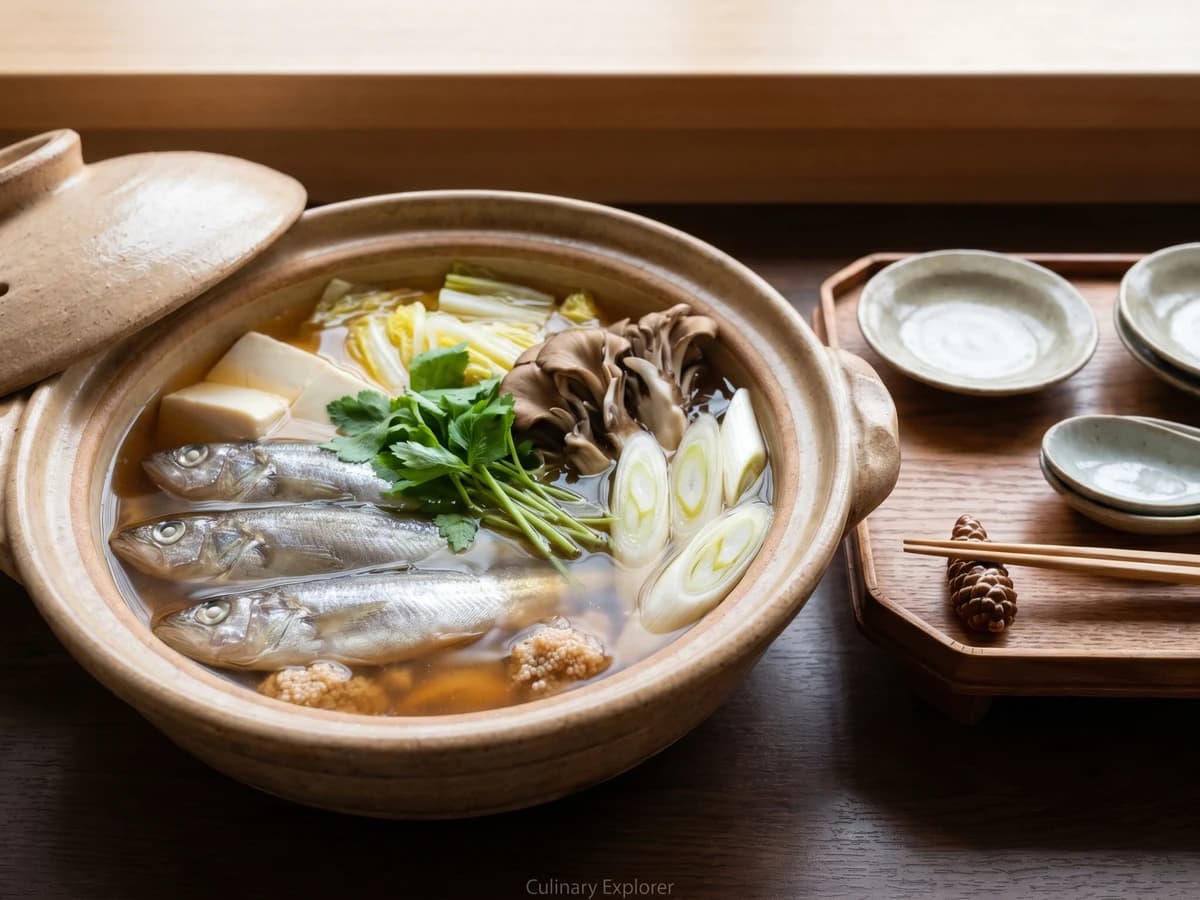
Shottsuru nabe is Akita winter in one pot: clean dashi, hatahata at shun, tofu and napa cabbage carrying a salt-deep broth without anything heavy enough to hide the fish.