Chef Isabel
Abanico Ibérico a la Plancha
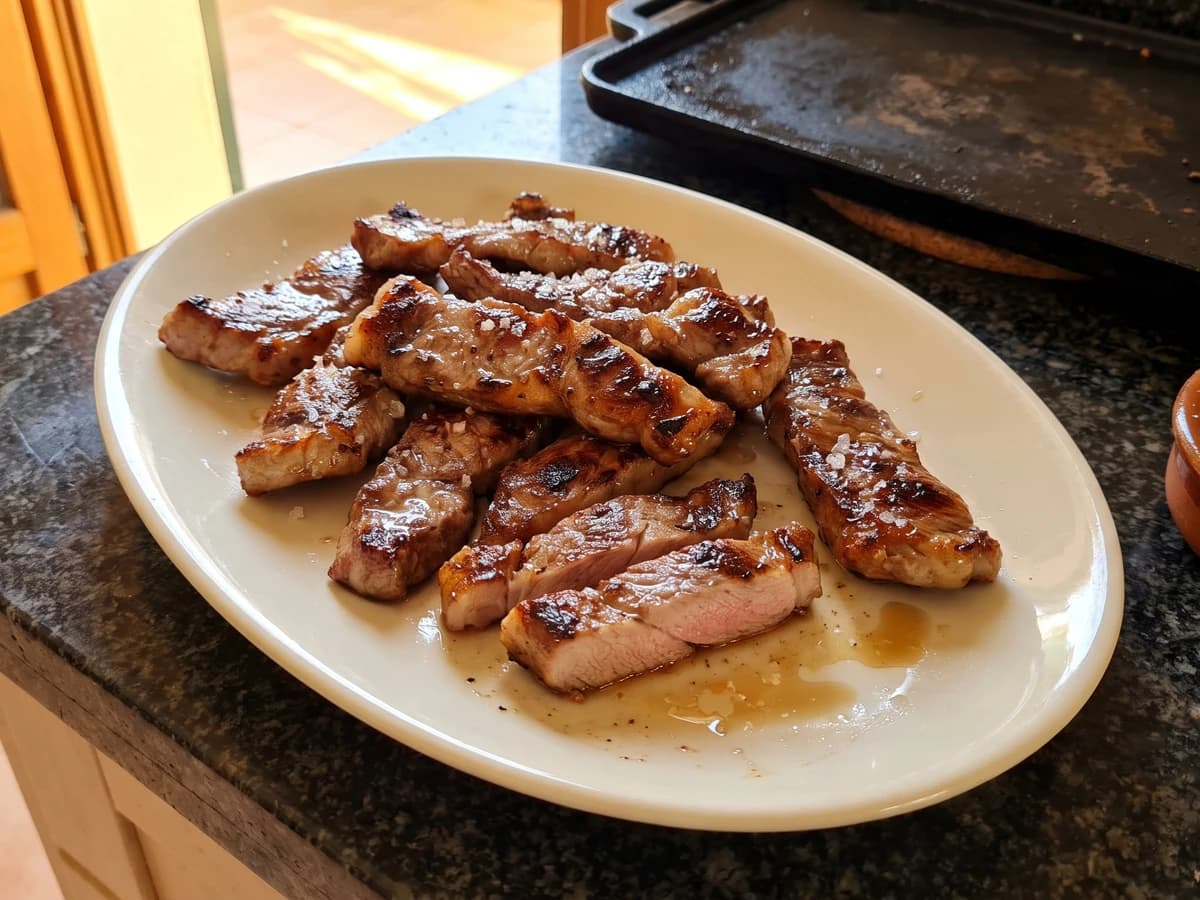
Extremadura's dehesa gives us this fan-shaped, marbled rib cut: salt it at the last moment, lay it on a fierce plancha, and count in seconds so the centre stays juicy.
A cooking platform built around craft, culture, and the stories behind what we eat.
Created by
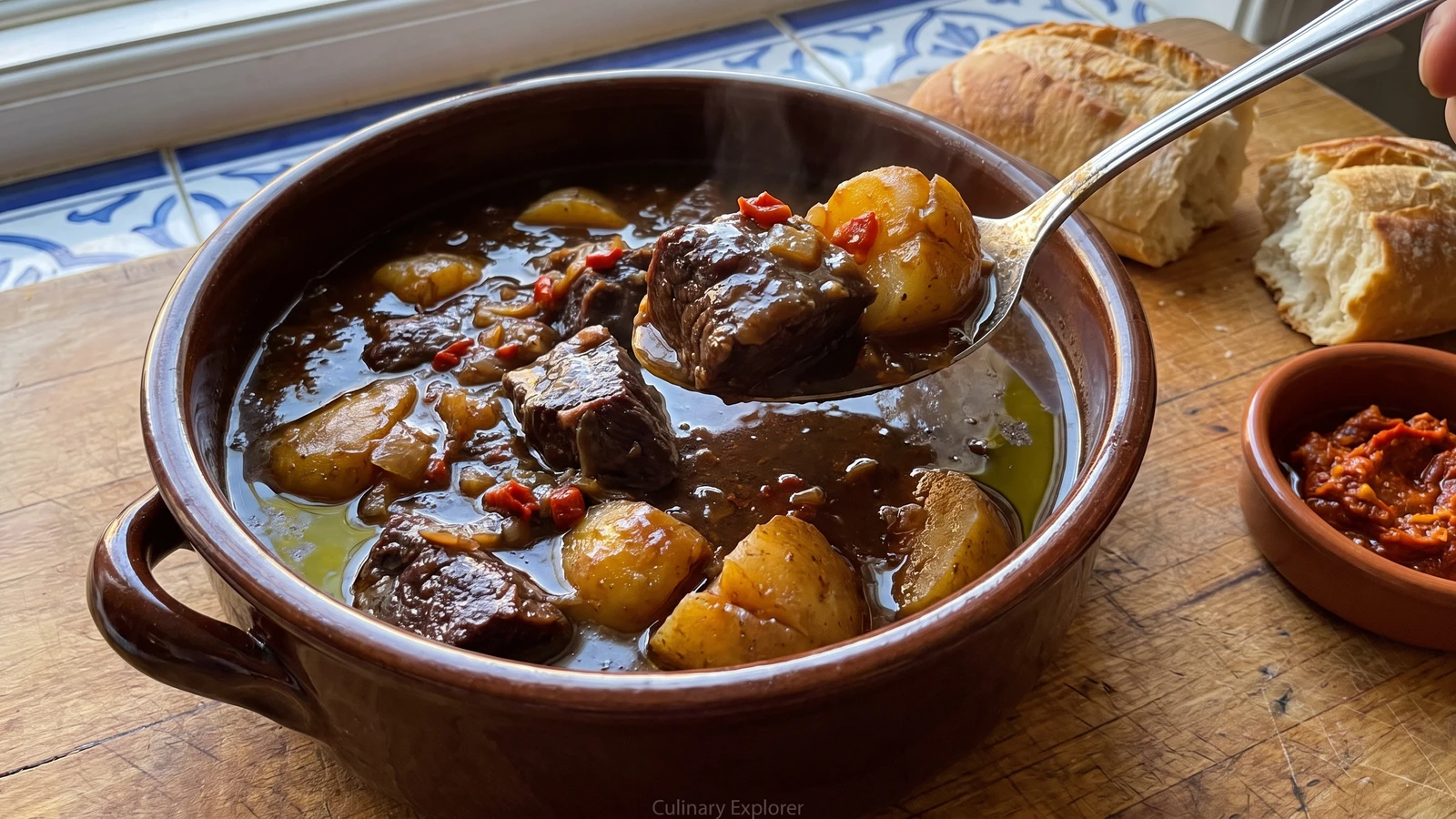
Sukalki is Vizcaya's beef and potato stew, built on zancarrón, red wine cooked down hard, choricero pepper, and potatoes cracked in late so the broth thickens without turning heavy.
Sukalki is Basque, and in Vizcaya it belongs to the serious stews: beef shin, potatoes, onion cooked down dark, choricero pepper, and wine reduced until it stops tasting sharp. This is cocina de cuchara, spoon food, but not a lazy pot. What makes it sukalki and not just any beef stew is the zancarrón, the gelatin-rich shin, and the potatoes added late, cracked instead of neatly cut so they give starch to the sauce.
The method that decides it is the wine and the onion. Cook the vegetables slowly until they turn sweet, then add the wine and reduce it by half before the meat settles in for its long braise. If you rush that part, the sauce tastes raw and thin, and no amount of simmering later quite fixes it. Once the beef is tender, the potatoes go in for the last half hour. They should hold their shape at the edges and soften enough to thicken the gravy.
If you can't find zancarrón where you are, use beef shin, shank, or well-marbled chuck cut large. Shin gives more body; chuck gives less gelatin and a looser sauce, so uncover the pot near the end if you need to tighten it. Choricero pepper pulp is worth finding, but ñora pulp or a spoon of sweet pimentón with roasted red pepper will get you close enough for a home kitchen far from Euskadi. Siempre sale, si lo sigues.
Sukalki belongs especially to Vizcaya, where beef, potatoes, onion, and choricero pepper became a festive stew for cuadrillas, families, and gastronomic societies cooking together. It is closely tied to Basque cooking competitions at local fiestas, where small differences in wine, tomato, pepper pulp, and the cut of beef are defended with feeling. The name comes from the Basque world of the kitchen and the cooked pot, and the dish sits beside marmitako as another hearty stew shaped by work, weather, and a good appetite.
Quantity
1.2kg
cut into 5cm pieces
Quantity
800g
peeled and cracked into large chunks
Quantity
2
finely chopped
Quantity
2
diced
Quantity
1
finely chopped
Quantity
4 cloves
minced
Quantity
3 tablespoons
Quantity
200g
grated
Quantity
500ml
Quantity
600ml
hot
Quantity
60ml
Quantity
2
Quantity
1 teaspoon
Quantity
12g, plus more to taste
Quantity
to taste
| Ingredient | Quantity |
|---|---|
| beef shin or shankcut into 5cm pieces | 1.2kg |
| waxy potatoespeeled and cracked into large chunks | 800g |
| large onionsfinely chopped | 2 |
| carrotsdiced | 2 |
| green pepperfinely chopped | 1 |
| garlicminced | 4 cloves |
| choricero pepper pulp | 3 tablespoons |
| ripe tomatograted | 200g |
| dry red wine | 500ml |
| beef stock or waterhot | 600ml |
| extra virgin olive oil | 60ml |
| bay leaves | 2 |
| sweet pimentón (optional) | 1 teaspoon |
| fine salt | 12g, plus more to taste |
| black pepper | to taste |
Season the beef with the salt and a little black pepper. Heat the olive oil in a wide heavy pot and brown the meat in batches until it has a deep brown crust on two or three sides. Do not crowd the pot, or the beef steams in its own juices and gives you a pale sauce. Lift the browned beef to a plate.
Lower the heat and add the onions, carrots, and green pepper to the same oil. Cook slowly for 20 to 25 minutes, scraping the browned bits from the bottom, until the onion is dark gold and soft. Add the garlic and cook 1 minute. This slow base is the sweetness of the stew, so give it the time. Pésalo, no lo adivines, and do not rush the pot either.
Stir in the grated tomato and cook until it thickens and the oil starts to show again, about 8 minutes. Add the choricero pepper pulp and the pimentón, if using, and stir for 30 seconds. Pour in the red wine, bring it to a strong simmer, and reduce it by half, about 10 to 15 minutes. The wine must cook down now, before the long braise, or the sauce keeps a raw edge.
Return the beef and any juices to the pot. Add the bay leaves and enough hot stock or water to come just level with the meat, not to drown it. Bring to a gentle simmer, cover partly, and cook for 2 hours to 2 hours 30 minutes, turning the pieces now and then, until a fork slides into the beef with little resistance. Keep the bubble low and steady.
While the beef cooks, crack the potatoes: cut halfway into each piece with a knife, then twist so the potato breaks with a rough edge. Add the potatoes when the beef is tender, pressing them into the sauce. Cook uncovered 25 to 35 minutes, until the potatoes are soft at the centre and their rough edges have thickened the gravy.
Taste for salt and remove the bay leaves. Let the sukalki rest off the heat for 10 minutes so the sauce settles around the beef and potatoes. Serve in deep bowls with bread for the sauce. Tal como se hace allí, the stew should be glossy, dark red-brown, and thick enough to coat the spoon.
1 serving (about 550g)
Culinary guides, cultural storytelling, and the editorial depth that makes cooking meaningful.
Discover Culinary ExplorerChef Isabel
Extremadura's dehesa gives us this fan-shaped, marbled rib cut: salt it at the last moment, lay it on a fierce plancha, and count in seconds so the centre stays juicy.
Chef Isabel
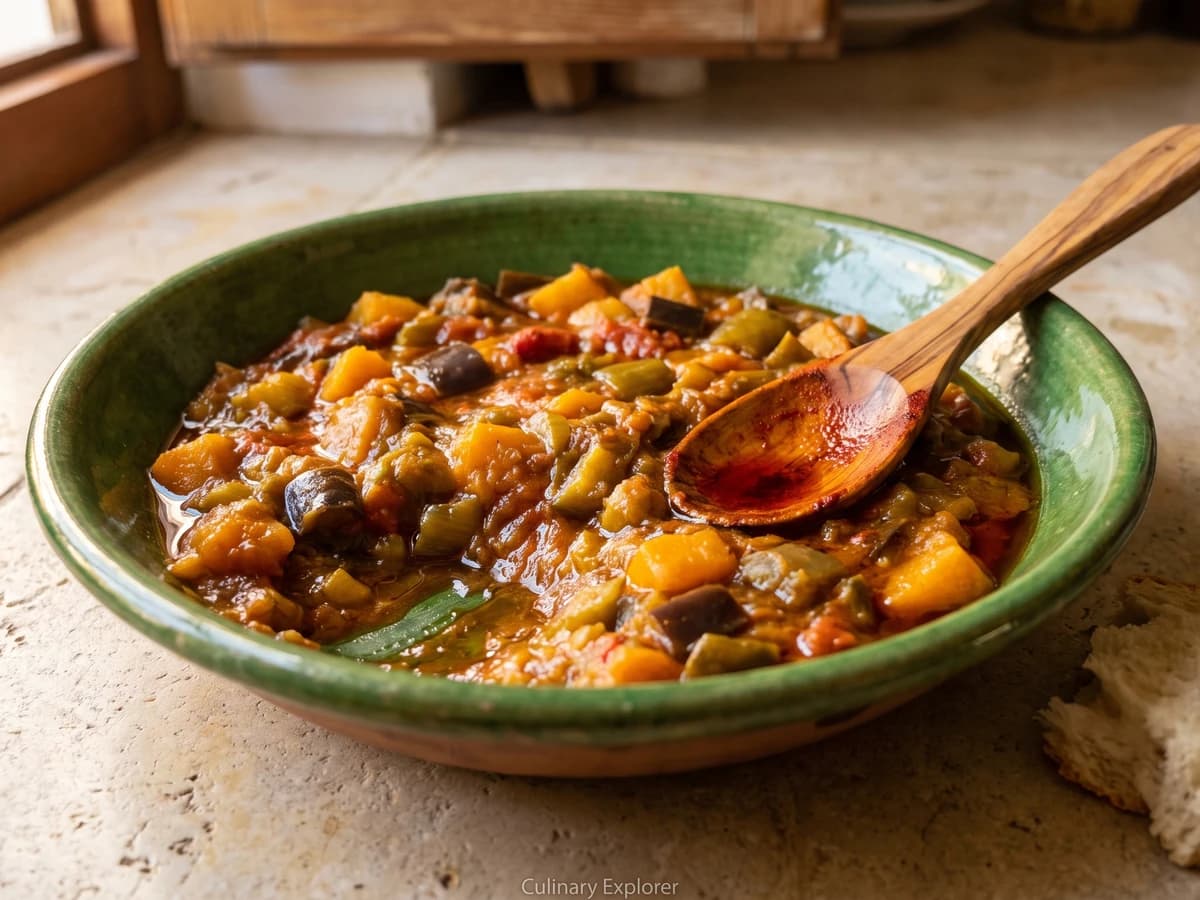
Alboronía is Andalucía's old pumpkin and aubergine stew, deepened with tomato, pimentón, and cumin, then cooked without hurry until the vegetables settle into a glossy, sweet, spoon-soft whole.

Chef Isabel
Aletría Murciana is Murcia's humble noodle guiso: fine fideos, pork ribs, potato, saffron, and a dark sweet sofrito. Get that base right and the pot knows where it's going.
Chef Isabel
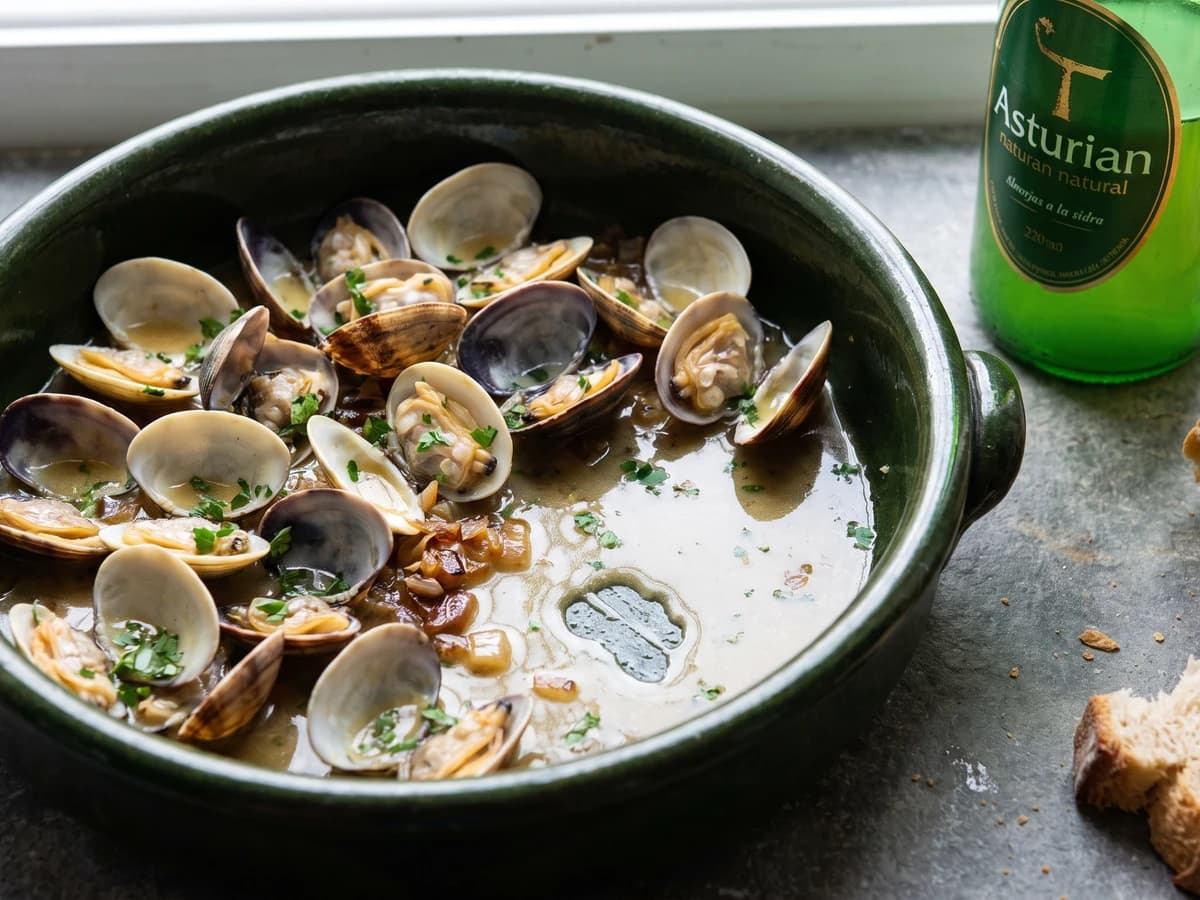
Asturias opens clams in tart natural cider over a slow onion and garlic sofrito, making a bright, briny sauce that asks for bread and rewards one rule: lift each clam as it opens.