Chef Isabel
Abanico Ibérico a la Plancha
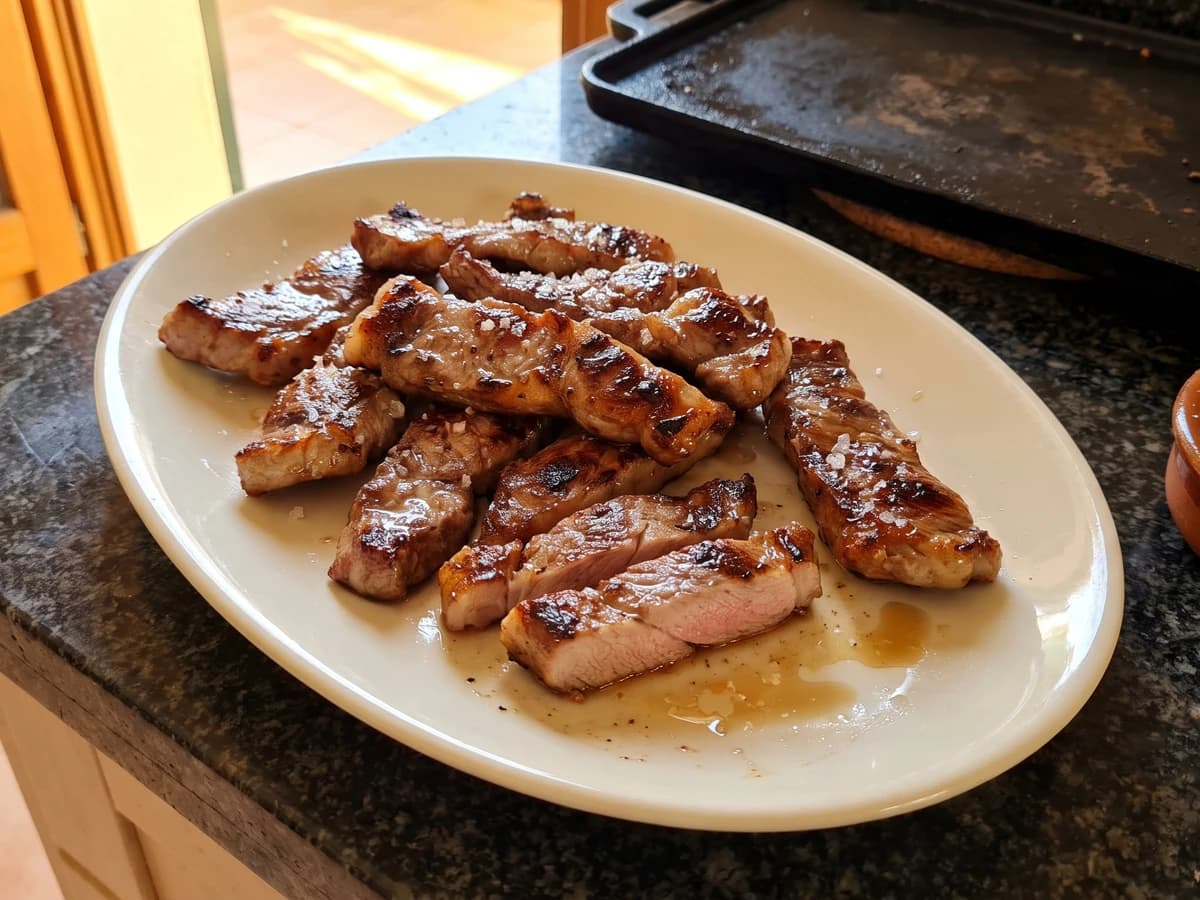
Extremadura's dehesa gives us this fan-shaped, marbled rib cut: salt it at the last moment, lay it on a fierce plancha, and count in seconds so the centre stays juicy.
A cooking platform built around craft, culture, and the stories behind what we eat.
Created by
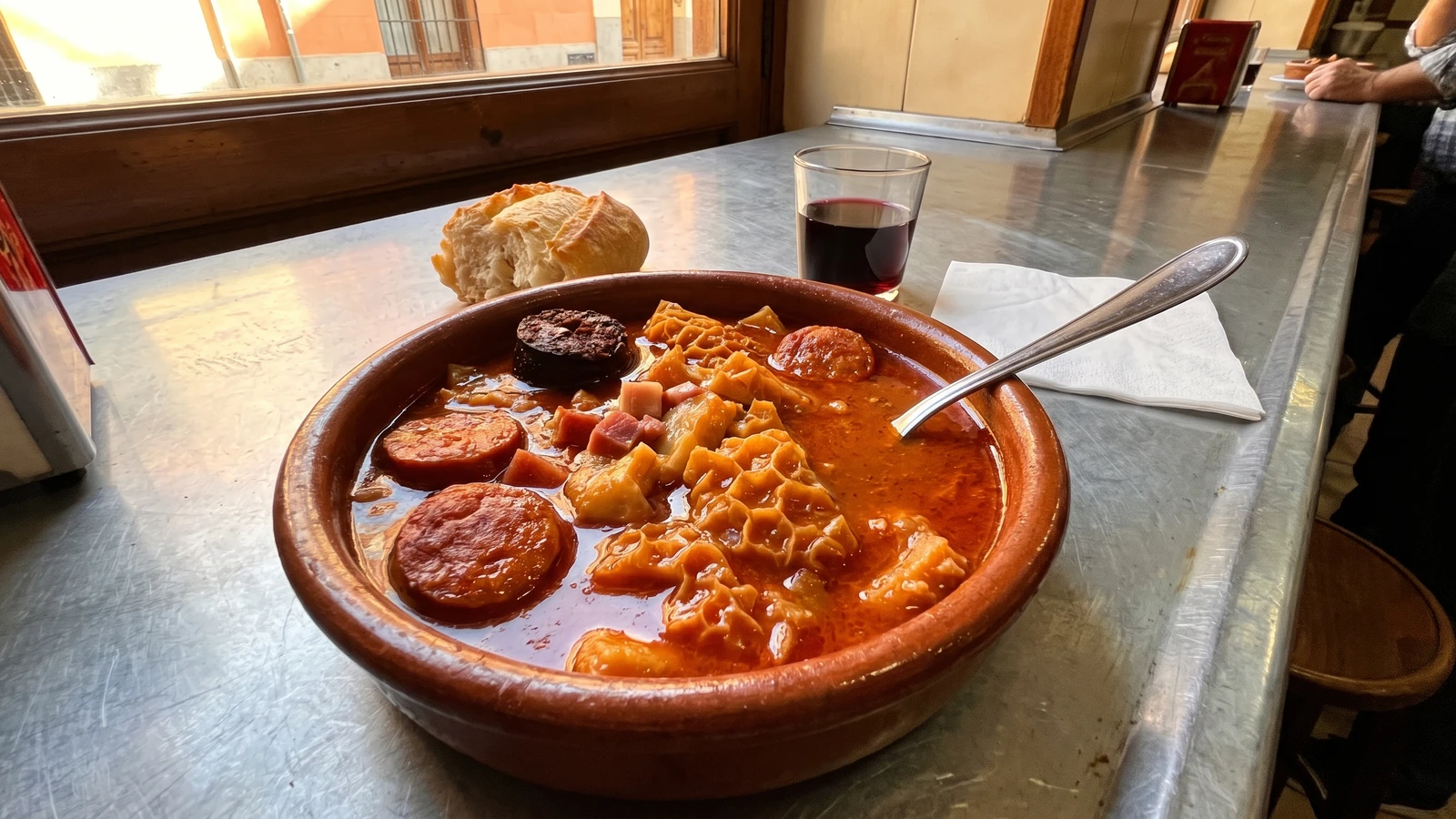
Callos a la Madrileña is Madrid's spoon dish for cold days: beef tripe, snout, and foot cooked slow until the sauce turns brick-red, glossy, and almost sticky.
Callos a la Madrileña belongs to Madrid, and it is not shy food: beef tripe, morro, pata, chorizo, morcilla, and pimentón cooked until the sauce clings to the spoon. What makes it Madrid's is that mix of offal and cured pork, the brick-red sauce, and the gelatin from the foot that gives the stew its body. This is cocina de cuchara, spoon food, made for bread and a cold day.
The method that decides it is tenderness before sauce. Boil the callos, morro, and pata gently with aromatics until a knife goes in without a fight, then build the sofrito, the slow onion base, dark and sweet before the pimentón touches it. If you rush the first pot, the tripe stays bouncy. If you scorch the pimentón, the whole dish tastes bitter. Neither is clever. Low heat does the work.
If you're far from Madrid, buy well-cleaned honeycomb tripe from a butcher, and use a split calf's foot or a pig's trotter if pata de ternera is what you can get. No morro? Add more tripe and keep the foot, because the gelatin matters. Spanish cooking chorizo and morcilla are worth finding; fresh Mexican chorizo is a different thing and will not give you this stew. Siempre sale, si lo sigues. It turns out if you follow it.
My Margin beside this one says only: better tomorrow. It is true. Make it, cool it, lift off any hard cap of fat if you like, and reheat it slowly until the sauce shines again.
Callos a la Madrileña comes from Madrid's fondas, taverns, and home kitchens, where the cheaper cuts of the slaughterhouse became serious cold-weather food through long cooking and a good hand with pimentón. The dish belongs to the city's castizo table, alongside cocido madrileño, and it uses the preserving larder of chorizo, morcilla, and jamón to season what would otherwise be plain offal. Its strength is not luxury but thrift handled well: gelatin, spice, and time turning humble parts into a stew Madrid recognizes as its own.
Quantity
1.2kg
cut into 4cm pieces
Quantity
400g
cleaned and cut into large pieces
Quantity
1, about 600g
Quantity
2 tablespoons
for rinsing
Quantity
1
halved
Quantity
1
halved
Quantity
1
cleaned and halved
Quantity
1
halved crosswise
Quantity
2
Quantity
10
Quantity
250g
sliced thickly
Quantity
200g
left whole until the end
Quantity
100g
diced
Quantity
4 tablespoons
Quantity
250g
finely chopped
Quantity
4
minced
Quantity
150g
grated
Quantity
1 tablespoon
Quantity
2 teaspoons
Quantity
1/2 teaspoon or 1 small
Quantity
150ml
Quantity
to taste
| Ingredient | Quantity |
|---|---|
| cleaned beef honeycomb tripecut into 4cm pieces | 1.2kg |
| beef snout or muzzlecleaned and cut into large pieces | 400g |
| split calf's foot or beef foot | 1, about 600g |
| white wine vinegarfor rinsing | 2 tablespoons |
| large onionhalved | 1 |
| carrothalved | 1 |
| leekcleaned and halved | 1 |
| garlic headhalved crosswise | 1 |
| bay leaves | 2 |
| black peppercorns | 10 |
| Spanish cooking chorizosliced thickly | 250g |
| Spanish morcillaleft whole until the end | 200g |
| jamón serranodiced | 100g |
| olive oil | 4 tablespoons |
| onionfinely chopped | 250g |
| garlic clovesminced | 4 |
| ripe tomatograted | 150g |
| plain flour | 1 tablespoon |
| sweet pimentón de la Vera | 2 teaspoons |
| hot pimentón or dried guindilla (optional) | 1/2 teaspoon or 1 small |
| dry white wine | 150ml |
| salt | to taste |
Rinse the tripe, snout, and foot under cold water, then rub the tripe with the vinegar and rinse again. Put everything in a large pot, cover with cold water, bring to a boil, and boil for 5 minutes. Drain and rinse the pot. This first boil is not fussing; it gives you a cleaner broth and a cleaner smell.
Return the tripe, snout, and foot to the clean pot with the halved onion, carrot, leek, garlic head, bay leaves, and peppercorns. Cover with fresh cold water by 3cm and bring up gently. Lower the heat and simmer, barely bubbling, for 2 to 2 1/2 hours, until the tripe gives easily when pierced and the foot has given its gelatin to the broth.
Lift out the meats. Strain and keep 900ml of the cooking broth. Discard the vegetables and bay. Cut the snout into bite-size pieces. Pick any usable soft meat and skin from the foot, discard the bones, and add that meat back with the tripe. If the broth feels sticky between your fingers when cool enough to touch, you have done it right.
In a wide heavy casserole, warm the olive oil and cook the chopped onion with a pinch of salt over low heat for 18 to 22 minutes, until dark gold, soft, and sweet. Add the minced garlic and cook 2 minutes more. This slow onion base is the floor of the dish; rush it and the stew tastes thinner.
Stir in the grated tomato and cook until thick and darker, about 8 minutes. Add the flour and cook for 1 minute. Take the pan off the heat, stir in the sweet pimentón and the hot pimentón or guindilla, then return it to low heat. Pimentón burns fast, and burnt pimentón is bitter. No heroics here.
Pour in the white wine and let it bubble for 2 minutes, scraping the base of the casserole. Add the reserved tripe, snout, foot meat, chorizo, jamón, and 750ml of the reserved broth. Simmer gently, uncovered, for 45 minutes, stirring now and then so the sauce thickens and clings. Add a little more broth only if it catches before the tripe is fully tender.
Add the morcilla whole for the last 15 minutes so it warms through without breaking into the sauce. Taste before salting; the chorizo, morcilla, and jamón bring their own salt. The finished sauce should be brick-red, glossy, and sticky enough to coat a spoon.
Rest the stew off the heat for at least 20 minutes, or cool it and keep it overnight. Slice the morcilla just before serving and put a piece in each bowl with the callos, chorizo, and thick sauce. Serve very hot with plain bread. Callos are better the next day, full stop.
1 serving (about 480g)
Culinary guides, cultural storytelling, and the editorial depth that makes cooking meaningful.
Discover Culinary ExplorerChef Isabel
Extremadura's dehesa gives us this fan-shaped, marbled rib cut: salt it at the last moment, lay it on a fierce plancha, and count in seconds so the centre stays juicy.
Chef Isabel
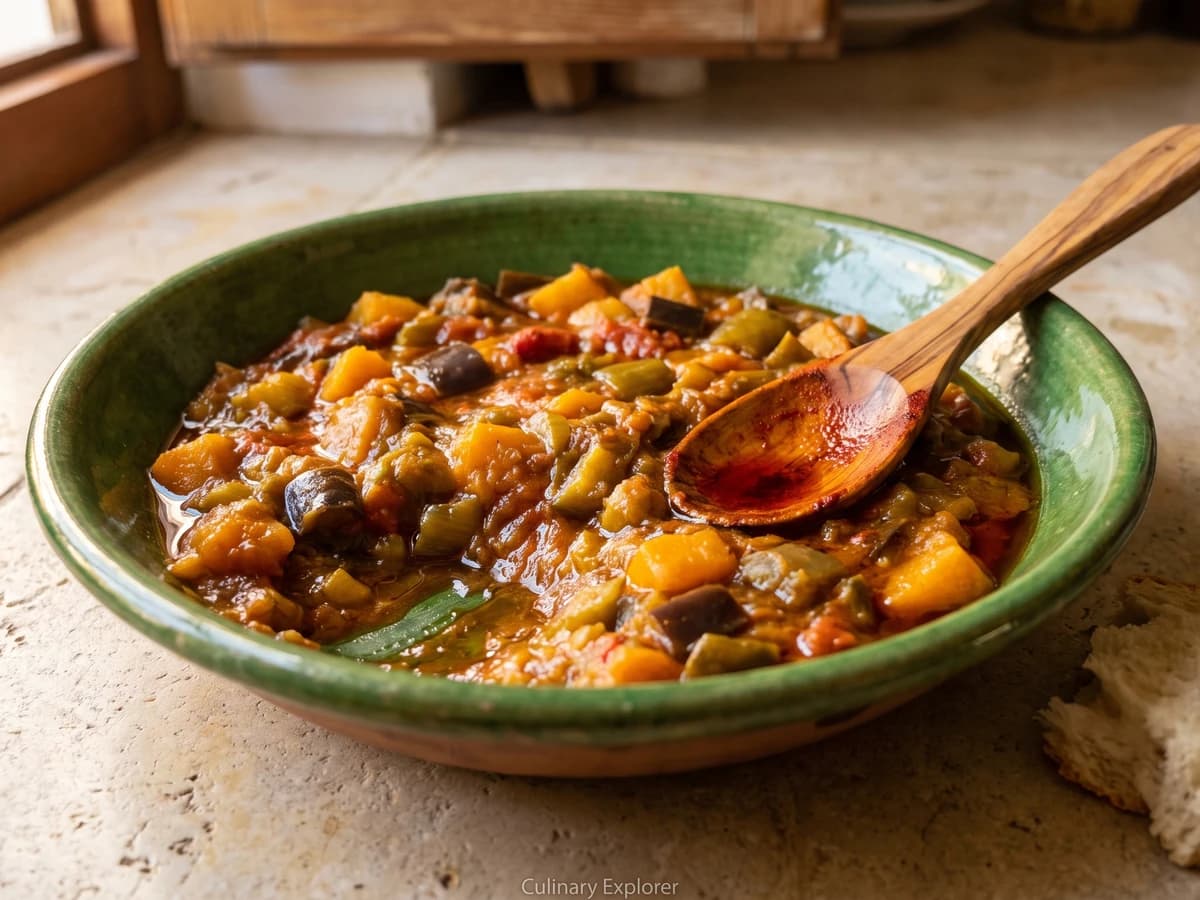
Alboronía is Andalucía's old pumpkin and aubergine stew, deepened with tomato, pimentón, and cumin, then cooked without hurry until the vegetables settle into a glossy, sweet, spoon-soft whole.

Chef Isabel
Aletría Murciana is Murcia's humble noodle guiso: fine fideos, pork ribs, potato, saffron, and a dark sweet sofrito. Get that base right and the pot knows where it's going.
Chef Isabel
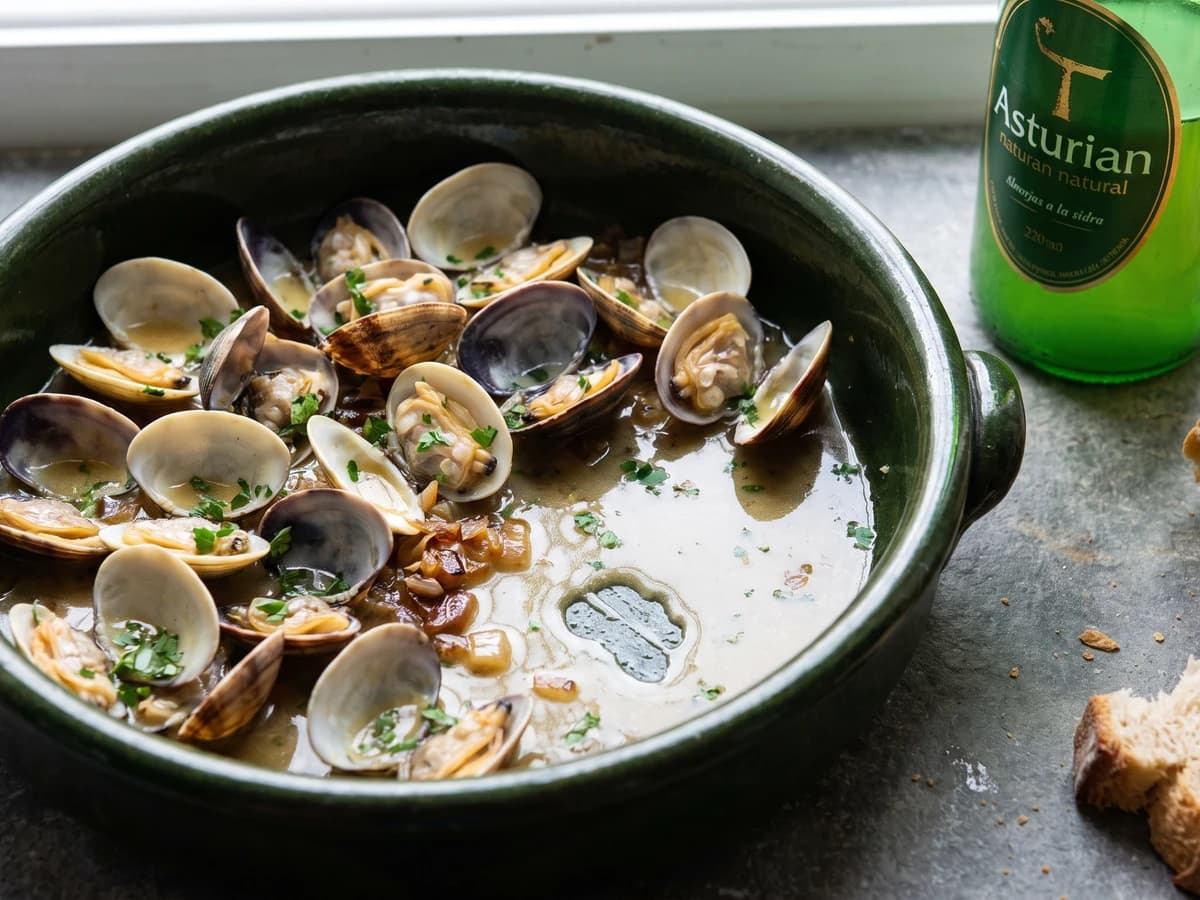
Asturias opens clams in tart natural cider over a slow onion and garlic sofrito, making a bright, briny sauce that asks for bread and rewards one rule: lift each clam as it opens.