Chef Isabel
Abanico Ibérico a la Plancha
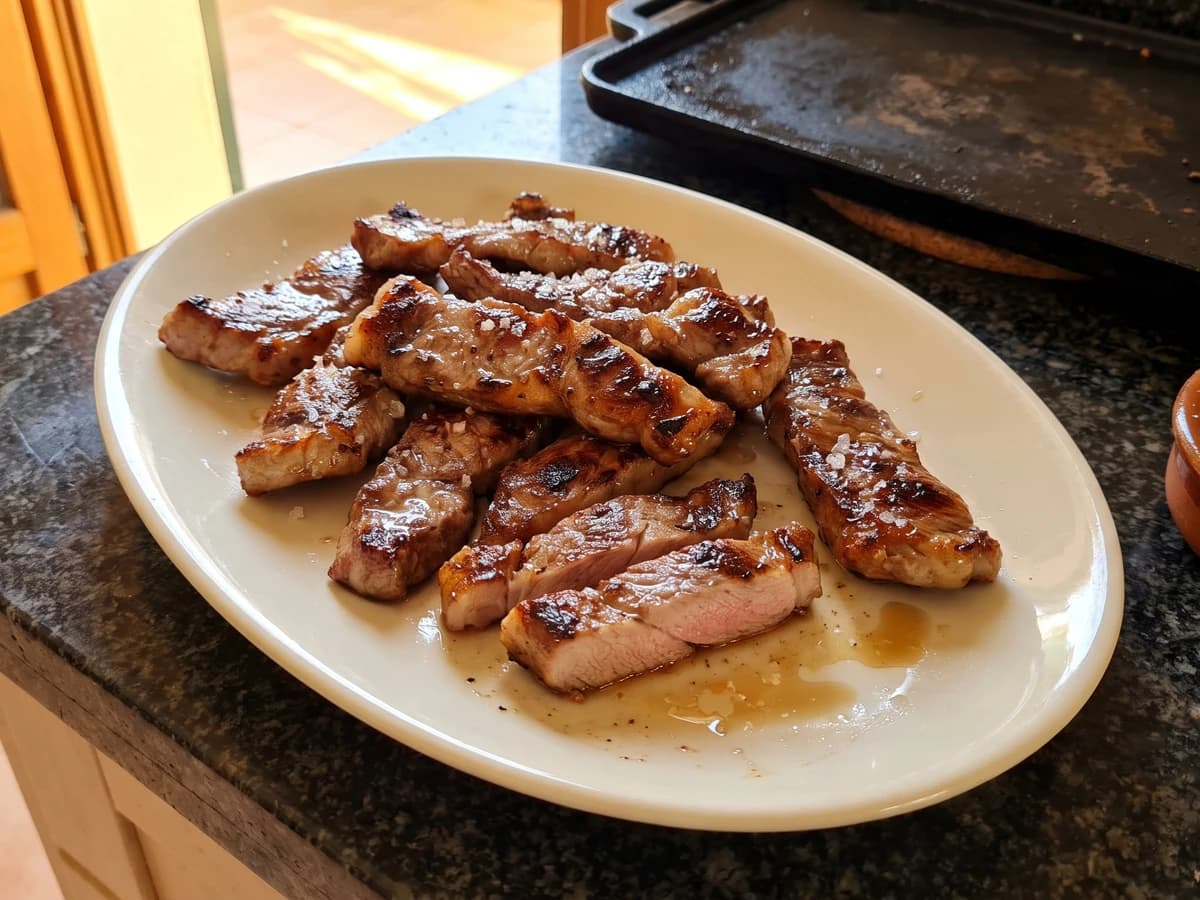
Extremadura's dehesa gives us this fan-shaped, marbled rib cut: salt it at the last moment, lay it on a fierce plancha, and count in seconds so the centre stays juicy.
A cooking platform built around craft, culture, and the stories behind what we eat.
Created by
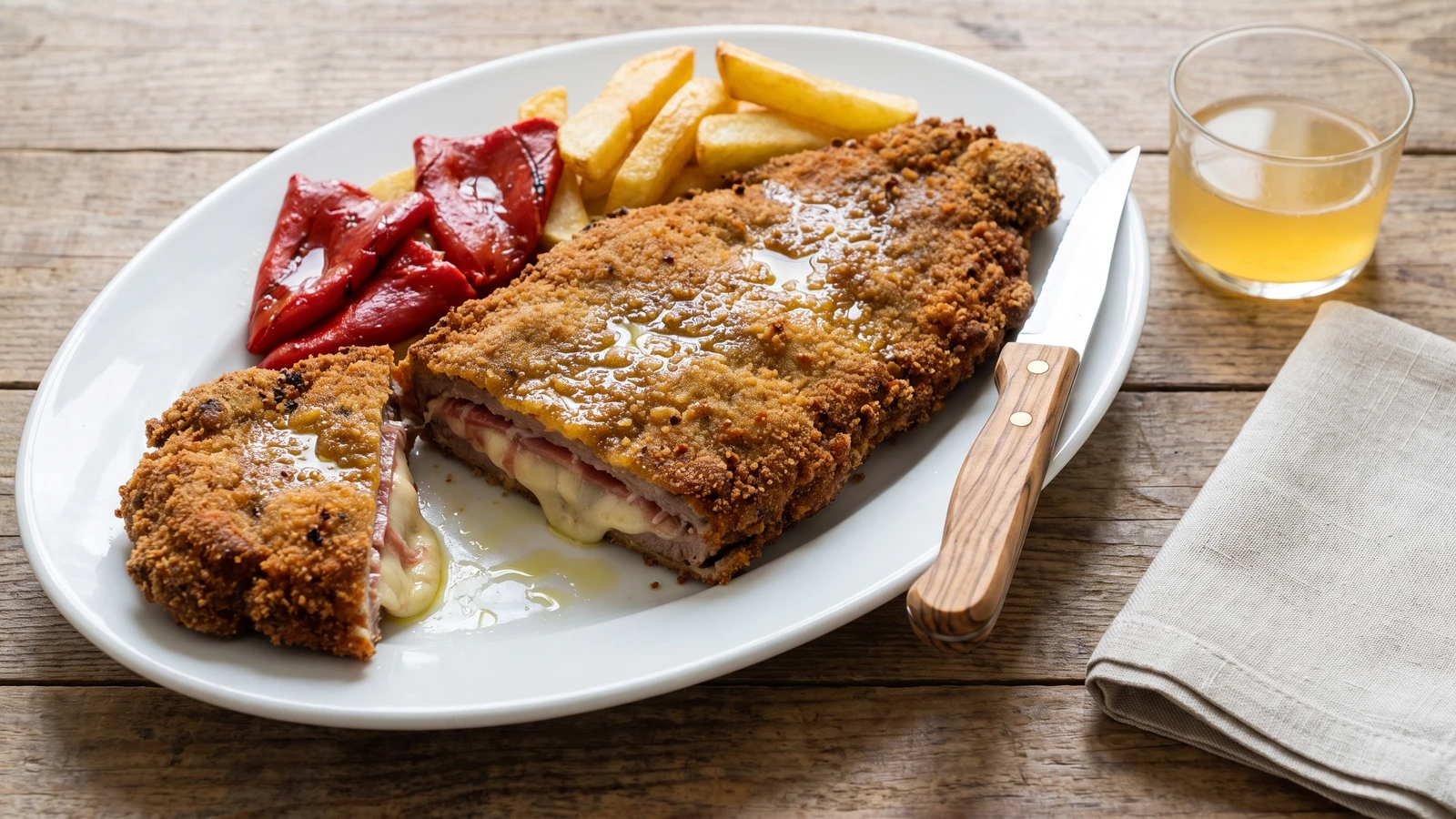
Cachopo is Asturian comfort food with no mystery: two thin veal fillets, jamon, melting cheese, a firm seal, and enough oil to fry it golden without leaking.
Cachopo is Asturian, from the cattle country of the green north: two thin veal fillets folded around jamon and cheese, breaded, and fried until the crust turns deep gold. It is generous food, the kind set down in the middle of the table with fried potatoes and peppers, not a delicate little cutlet pretending to be something else.
The method that decides it is the seal. Pound the veal thin but don't tear it, leave a clean border around the filling, press the edges hard, and chill the parcel before breading. If the cheese escapes, it isn't bad luck. The edges were not sealed, or the oil was too shallow and too cool. Deep oil protects the crust and sets it fast.
If you can't find Asturian veal where you are, use tender young veal scaloppine, or thin beef top round at a pinch. It will taste a little stronger and need a more careful pounding, but the dish still works. For the cheese, choose one that melts without flooding the pan: queso de nata, mild Manchego, or a young cow's milk cheese. Cabrales is Asturian too, but use it only if you want that sharp blue bite, and use less.
Pésalo, no lo adivines. Weigh the filling and keep it inside the meat where it belongs. Fry it calmly, rest it a minute, then cut through the crust and let the cheese show itself. Siempre sale, si lo sigues.
Cachopo belongs to Asturias, where good veal, cured ham, and cow's milk cheeses sit naturally in the same kitchen. The name is tied to the Asturian word for a hollowed tree trunk or split piece of wood, a plain image for two pieces holding something inside. It grew from home and chigre cooking into one of Asturias's great shared plates, served large, breaded, and usually flanked by fried potatoes and roasted peppers.
Quantity
4 fillets, 150g each
pounded thin, about 600g total
Quantity
120g
thinly sliced
Quantity
160g
thinly sliced
Quantity
8g
Quantity
2g
Quantity
60g
Quantity
2
beaten
Quantity
150g
Quantity
700ml
for frying
Quantity
600g
peeled and cut for frying
Quantity
200g
drained
| Ingredient | Quantity |
|---|---|
| thin veal filletspounded thin, about 600g total | 4 fillets, 150g each |
| jamon serranothinly sliced | 120g |
| melting cow's milk cheesethinly sliced | 160g |
| fine salt | 8g |
| freshly ground black pepper | 2g |
| plain flour | 60g |
| large eggsbeaten | 2 |
| fine dry breadcrumbs | 150g |
| olive oil or mild olive oilfor frying | 700ml |
| potatoespeeled and cut for frying | 600g |
| roasted piquillo peppersdrained | 200g |
Lay the veal fillets between two sheets of baking paper and pound them gently to about 4mm thick. Work from the centre outward and stop before the meat tears. Season both sides with the salt and pepper. Thin meat cooks before the crust darkens too far; torn meat leaks cheese, and then the pan tells on you.
Set two fillets on the board. Cover each with half the jamon and half the cheese, leaving a clean 1.5cm border all the way around. Lay the remaining fillets on top and press the edges firmly with your fingers, then with the flat side of a knife. The seal is the whole trick here: a clean border grips, a stuffed edge opens.
Put the sealed cachopos on a tray and chill them for 20 minutes. This little rest costs you almost nothing and helps the meat hold its shape through flour, egg, and breadcrumbs.
Set out three shallow dishes: flour, beaten eggs, and breadcrumbs. Coat each cachopo lightly in flour and shake off the excess, dip it fully in egg, then press it into the breadcrumbs until the whole surface and edges are covered. Press the crumbs on with your palms. A bare patch is where the cheese will try to escape.
Heat the oil in a wide heavy pan to 175C. It should be deep enough to come at least halfway up the cachopo, better if it nearly covers it. Fry one at a time for 3 to 4 minutes per side, turning carefully, until the crust is deep gold and firm. Keep the heat steady; cool oil soaks the crumbs, fierce oil burns them before the cheese melts.
Lift the cachopo to a rack or paper towels and rest it for 2 minutes. Cut each one in half only after that short rest, so the cheese settles instead of running across the board. Serve with fried potatoes and roasted piquillo peppers. Tal como se hace alli, plain and generous.
1 serving (about 440g)
Culinary guides, cultural storytelling, and the editorial depth that makes cooking meaningful.
Discover Culinary ExplorerChef Isabel
Extremadura's dehesa gives us this fan-shaped, marbled rib cut: salt it at the last moment, lay it on a fierce plancha, and count in seconds so the centre stays juicy.
Chef Isabel
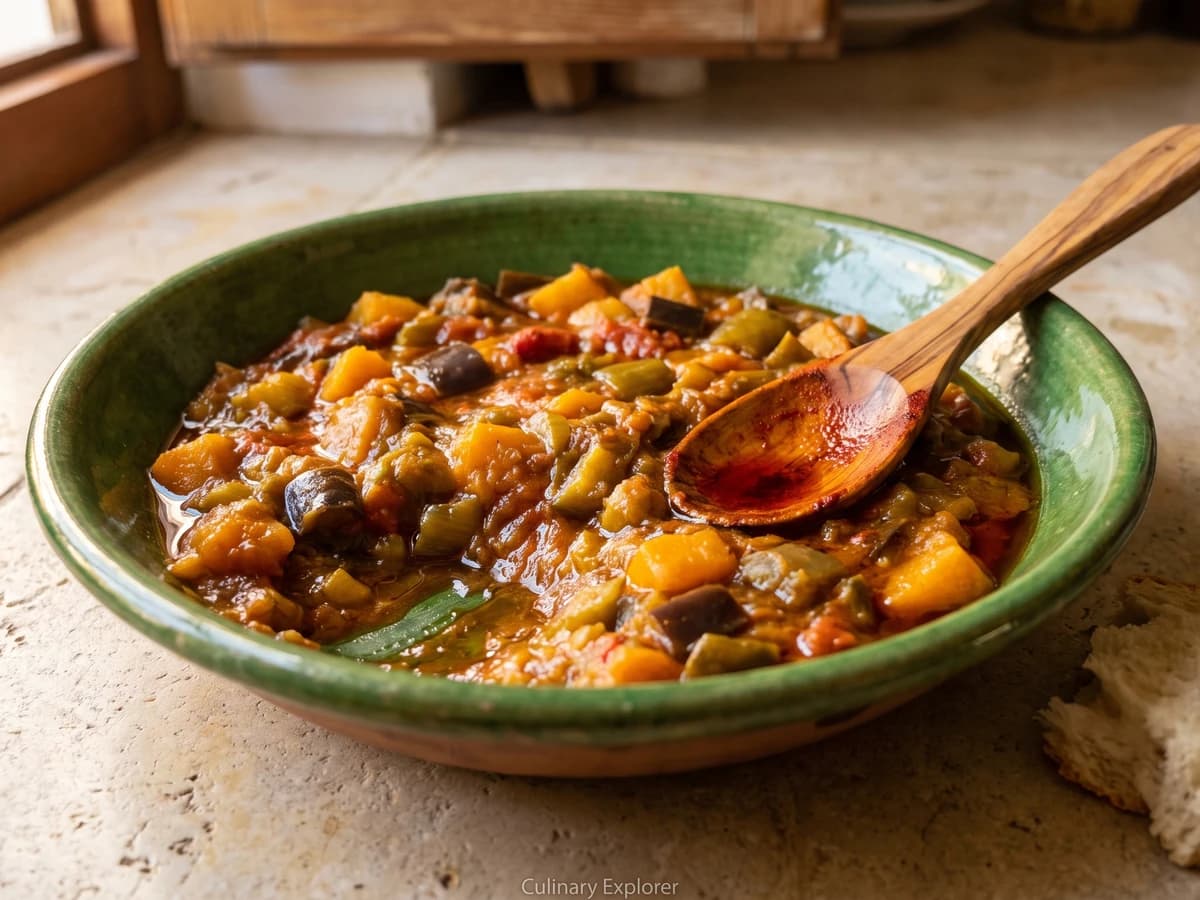
Alboronía is Andalucía's old pumpkin and aubergine stew, deepened with tomato, pimentón, and cumin, then cooked without hurry until the vegetables settle into a glossy, sweet, spoon-soft whole.

Chef Isabel
Aletría Murciana is Murcia's humble noodle guiso: fine fideos, pork ribs, potato, saffron, and a dark sweet sofrito. Get that base right and the pot knows where it's going.
Chef Isabel
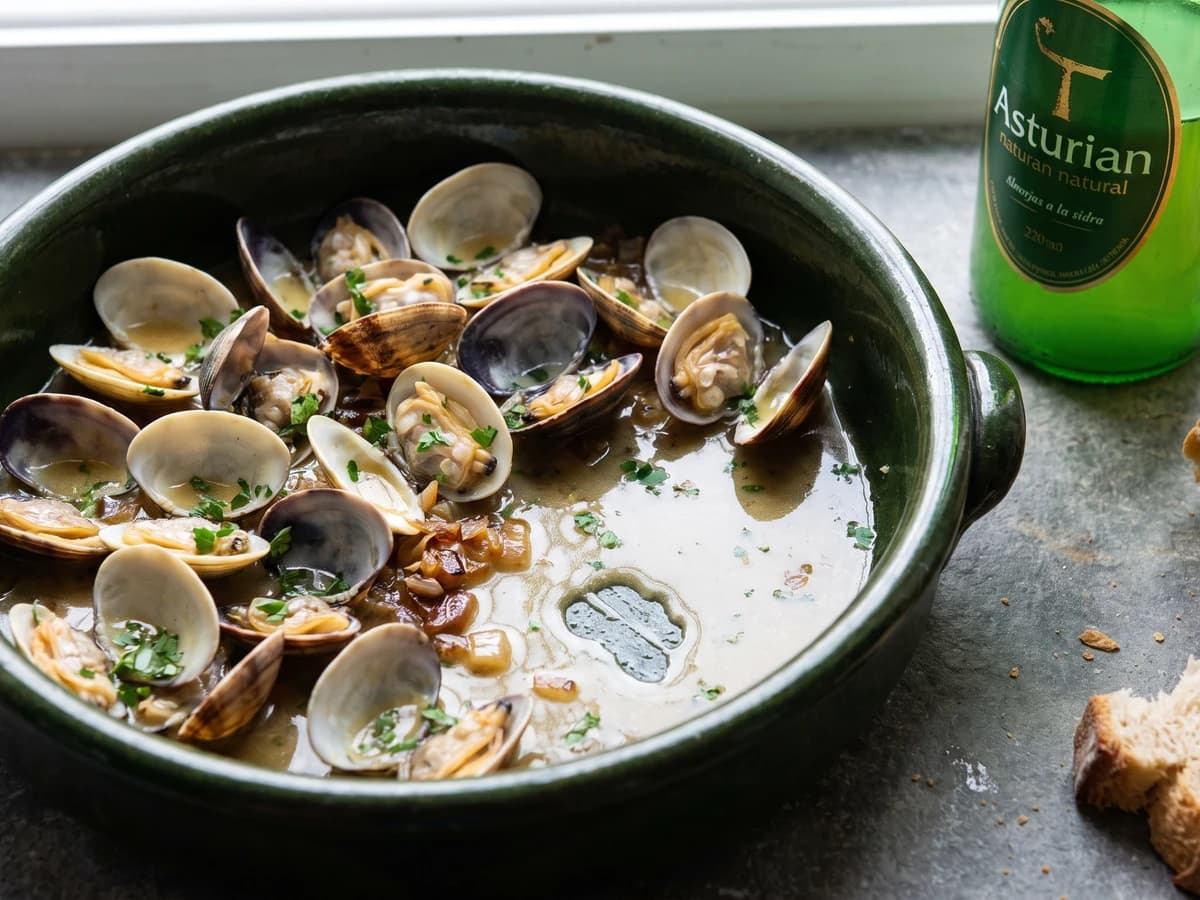
Asturias opens clams in tart natural cider over a slow onion and garlic sofrito, making a bright, briny sauce that asks for bread and rewards one rule: lift each clam as it opens.