
Chef Takumi
Abura Soba (油そば, brothless ramen)
Abura soba is ramen without the hiding place of soup: hot noodles, strong shōyu tare, fragrant oil, and the discipline to mix while every strand is still hot.
A cooking platform built around craft, culture, and the stories behind what we eat.
Created by
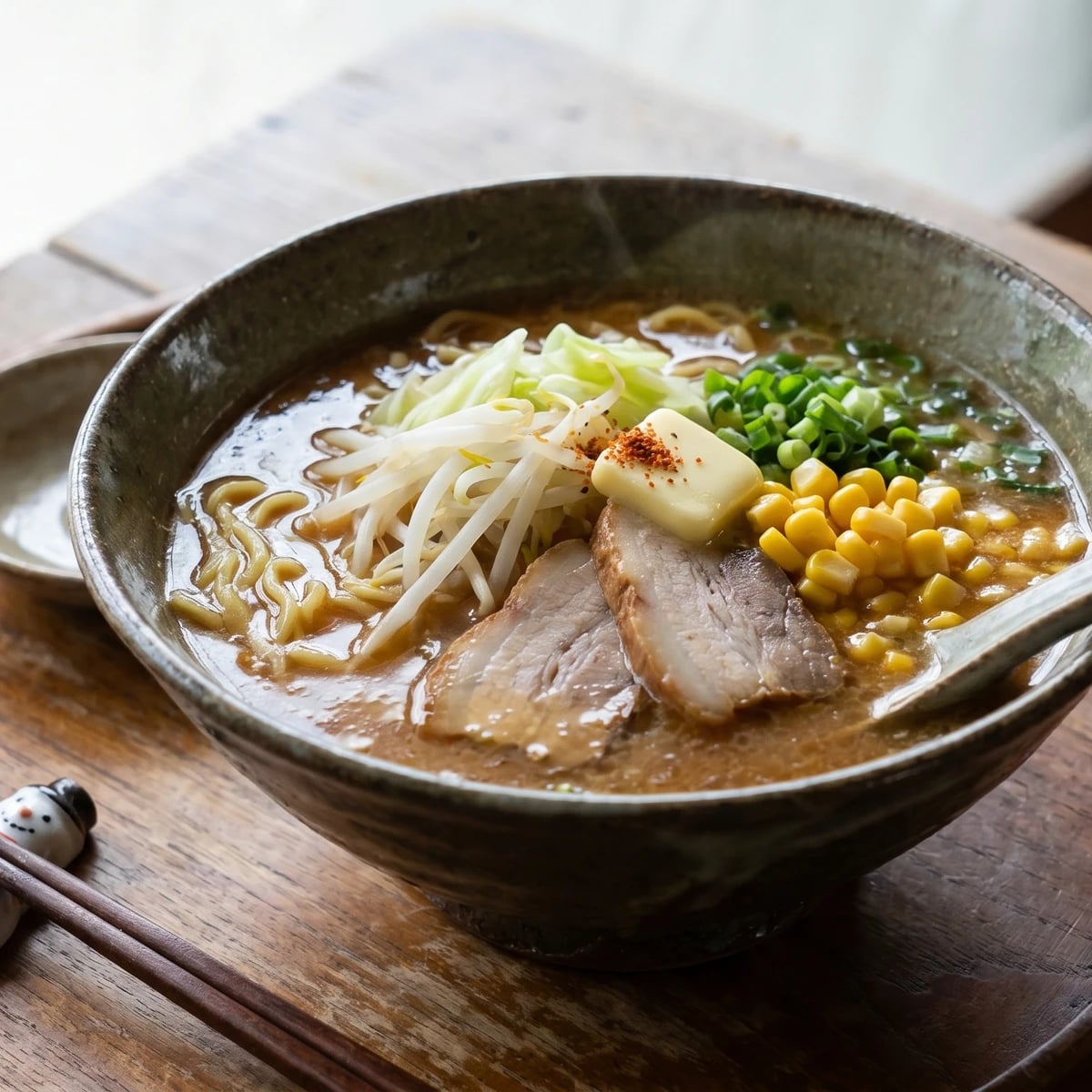
Sapporo miso ramen is a winter bowl, not a mystery: stir-fry pork and vegetables hard, wake the miso tare in fat, then let hot broth pull everything together.
Cold made this bowl sensible. Sapporo miso ramen belongs to Hokkaido winter, where a thin film of lard on the broth is not heaviness for its own sake, but a lid that keeps heat in while the snow outside behaves badly.
People see ramen and think the work must be heroic. This one is more direct than that. Make a good broth, prepare a miso tare, and stir-fry the pork, ginger, garlic, and vegetables just before serving. The first secret is the order: miso meets hot fat before broth touches it. That wakes its aroma and removes the raw edge, the way we coax fragrance from ginger before a simmered dish begins.
Use fresh, curly chūkamen, the yellow ramen noodles that hold their spring in a hot bowl. Bean sprouts should be crisp, cabbage sweet, scallion clean and green. Nothing hidden. The soup is strong because the season asks for strength, but it should still taste of each thing in it: pork, miso, ginger, stock, noodle.
Serve it quickly and leave it room. A ramen bowl may be generous, but it isn't a bucket. Build the toppings with a little height, set the butter and corn plainly if you use them, and let the glossy surface tell the cook the bowl is ready.
Sapporo miso ramen is generally traced to Aji no Sanpei, a Sapporo shop where owner Morito Omiya developed a miso-based ramen in the mid-1950s. The style became one of Hokkaido's signature bowls, known for stir-fried vegetables, a pork-rich soup, yellow curly noodles, and a surface sheen of lard that suited the northern climate. Butter and corn became famous Sapporo toppings later, tied to Hokkaido's dairy and corn production rather than to older ramen practice.
Quantity
1 piece (about 10g)
Quantity
6 cups
Quantity
700g
Quantity
300g
Quantity
1 small
halved
Quantity
1 knob (about 30g)
sliced
Quantity
2
lightly crushed
Quantity
20g
Quantity
4 tablespoons
Quantity
2 tablespoons
Quantity
2 tablespoons
Quantity
1 tablespoon
Quantity
1 tablespoon
Quantity
1 teaspoon
Quantity
1 teaspoon
Quantity
2 tablespoons, plus more for finishing
Quantity
200g
Quantity
2
grated
Quantity
1 tablespoon
grated
Quantity
1 small
thinly sliced
Quantity
2 cups
rinsed and well drained
Quantity
2 cups
cut into bite-size pieces
Quantity
4 portions
Quantity
1/2 cup
Quantity
4
thinly sliced
Quantity
4 small pats
Quantity
to taste
| Ingredient | Quantity |
|---|---|
| konbu (dried kelp) | 1 piece (about 10g) |
| cold water | 6 cups |
| chicken wings or backs | 700g |
| pork neck bones or pork ribs | 300g |
| onionhalved | 1 small |
| gingersliced | 1 knob (about 30g) |
| garlic cloveslightly crushed | 2 |
| katsuobushi (bonito flakes) | 20g |
| red miso | 4 tablespoons |
| white miso | 2 tablespoons |
| soy sauce | 2 tablespoons |
| sake | 1 tablespoon |
| mirin | 1 tablespoon |
| sugar | 1 teaspoon |
| toasted sesame oil | 1 teaspoon |
| lard | 2 tablespoons, plus more for finishing |
| thinly sliced pork belly | 200g |
| garlic clovesgrated | 2 |
| gingergrated | 1 tablespoon |
| onionthinly sliced | 1 small |
| bean sproutsrinsed and well drained | 2 cups |
| cabbagecut into bite-size pieces | 2 cups |
| fresh curly ramen noodles | 4 portions |
| sweet corn kernels | 1/2 cup |
| scallionsthinly sliced | 4 |
| unsalted butter (optional) | 4 small pats |
| shichimi tōgarashi (optional) | to taste |
Wipe the konbu with a damp cloth, but don't wash it. Put it in the cold water with the chicken, pork bones, onion, sliced ginger, and crushed garlic. Bring the pot up slowly over low heat. Pull the konbu when the water trembles and small bubbles climb the sides, before it boils.
Let the broth simmer quietly for about 1 hour, skimming the gray foam from the surface. Keep it below a hard boil so the fat and minerals don't churn into a muddy soup. Add the katsuobushi, turn off the heat, and leave it for 3 minutes. Strain through a cloth-lined sieve and don't press the solids.
Stir together the red miso, white miso, soy sauce, sake, mirin, sugar, and sesame oil until smooth. This is the tare, the concentrated seasoning that decides the bowl. It should taste too strong by itself because the broth and noodles will soften it.
Warm four ramen bowls with hot water, then empty and dry them. A cold bowl steals heat from the soup before the noodles reach the table, and Sapporo ramen is built to stay hot.
Heat the lard in a wok or wide heavy pan over high heat. Add the pork belly and cook until the edges lose their raw pink and begin to gloss. Add the grated garlic and ginger and stir until fragrant, about 20 seconds. Don't let them brown hard, or the soup will taste scorched instead of warm.
Add the tare to the hot fat and pork, stirring for 30 seconds until it smells rounded and deep. This is the detail that decides the bowl. Miso stirred cold into broth tastes flat; miso warmed in fat opens up and gives the soup its Sapporo character.
Add the sliced onion, bean sprouts, and cabbage. Toss hard for 1 minute, just until the sprouts shine and the cabbage edges soften. They should stay crisp because they finish in the bowl, and limp vegetables make a tired ramen.
Pour in the strained broth and bring it just to a lively simmer, scraping the pan so the miso and pork fat join the liquid. Taste once. If it needs salt, add a little soy sauce; if it feels thin, simmer one minute longer, not ten. Ramen broth should arrive strong, not cooked to death.
Boil the ramen noodles in plenty of water according to the package timing, usually 2 to 3 minutes for fresh noodles. Stir as they go in so they don't clump. Drain hard with a few sharp shakes, because extra cooking water dulls the broth.
Divide the noodles among the warmed bowls. Ladle the hot soup, pork, and vegetables over them, lifting the toppings into a small mound. Finish with corn, scallions, a small pat of butter if using, and a thin dot of lard on the surface. Serve immediately, while the noodles still have their spring.
1 serving (about 730g)
Culinary guides, cultural storytelling, and the editorial depth that makes cooking meaningful.
Discover Culinary Explorer
Chef Takumi
Abura soba is ramen without the hiding place of soup: hot noodles, strong shōyu tare, fragrant oil, and the discipline to mix while every strand is still hot.

Chef Takumi
The famous white broth is not magic. Clean the bones, then boil them hard enough to emulsify marrow and fat, and the thin noodles carry Hakata's fast, honest bowl.

Chef Takumi
Hakodate shio ramen is a clear bowl, not a cloudy one: pork bones simmered quietly, konbu kept sweet, salt tare restrained, and straight thin noodles carrying the broth without getting in its way.

Chef Takumi
The high-summer bowl is mostly cutting and rinsing: cold ramen noodles, crisp vegetables, thin omelet, ham, tomato, and a tart soy-vinegar tare that keeps everything awake.