Chef Isabel
Abanico Ibérico a la Plancha
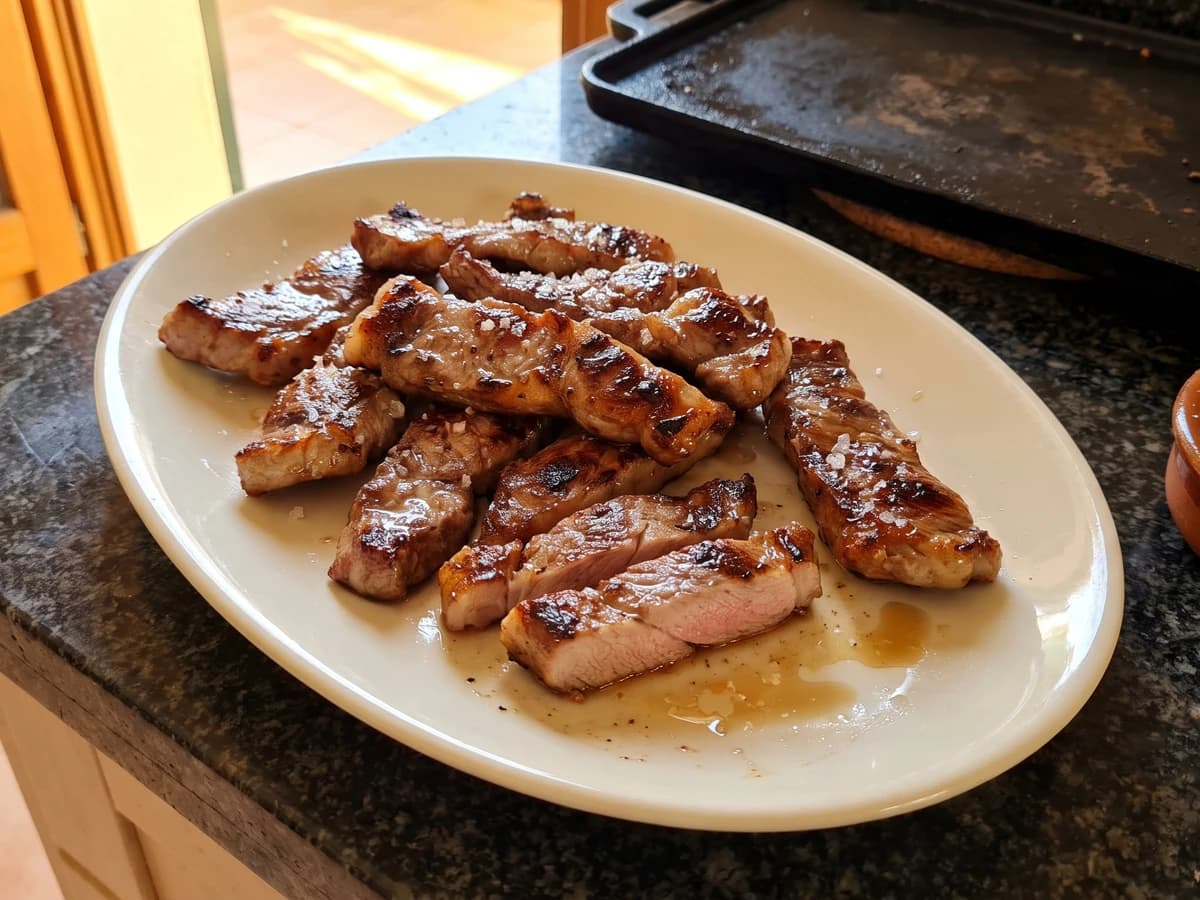
Extremadura's dehesa gives us this fan-shaped, marbled rib cut: salt it at the last moment, lay it on a fierce plancha, and count in seconds so the centre stays juicy.
A cooking platform built around craft, culture, and the stories behind what we eat.
Created by
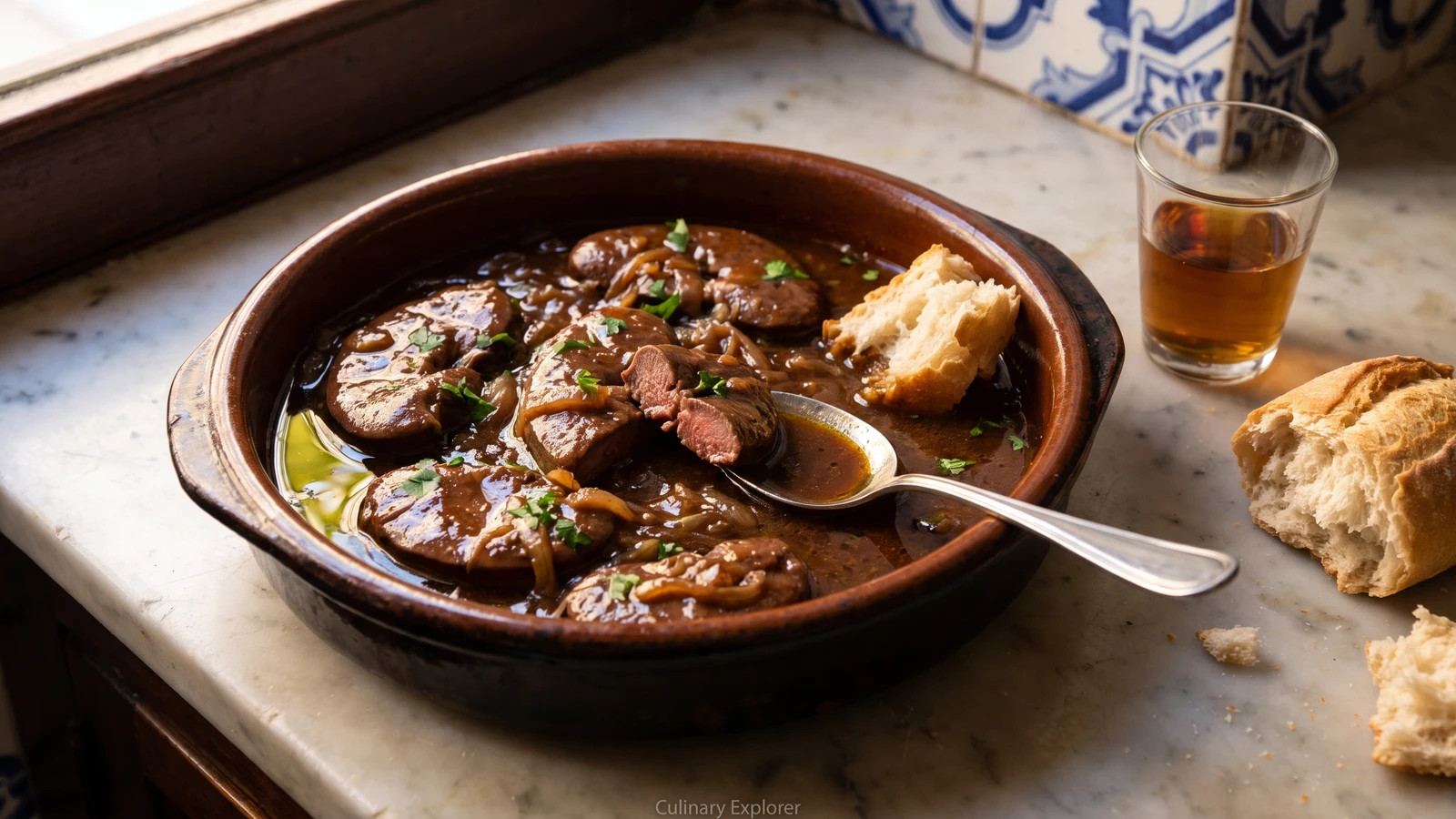
Riñones al Jerez belong to Andalucía's sherry country: clean veal kidneys, a dark onion base, dry Jerez wine, and a short simmer. Blanch them first, then do not bully them in the pan.
Riñones al Jerez are Andaluz, from the country around Jerez de la Frontera in Cádiz, where dry sherry does the work of both wine and seasoning. This is not just kidneys in any wine sauce. It wants Jerez: fino for a sharper, lighter sauce, or oloroso for a darker, rounder one.
The step that decides the dish is the cleaning. Veal kidneys are sweet when they're trimmed well, soaked briefly, blanched, and dried before they ever meet the pan. Skip that and the sauce tastes harsh, no matter how good your sherry is. Cook them fast after that. Kidneys forgive many things, but not a long simmer.
If you can't find veal kidneys, lamb kidneys are the honest substitute a Spanish kitchen would use; they cook even faster and taste a little stronger. Beef kidney works only if it's very fresh and trimmed with care, and it will be firmer. No hace falta haber pisado España. Get the offal fresh, use real dry sherry, and keep the heat under your hand. Siempre sale, si lo sigues.
Riñones al Jerez belong to the cooking of Andalucía's sherry triangle, especially Jerez de la Frontera, where local wines moved from the glass into the cazuela. Offal dishes like kidneys were part of practical home and tavern cooking, making good use of the animal with strong, clean sauces of onion, garlic, parsley, and wine. The dish is often served as a ración or small plate, but with fried potatoes or rice it becomes a proper home supper.
Quantity
600g
trimmed of white core, sliced 1cm thick
Quantity
1 litre
Quantity
2 tablespoons
Quantity
1 litre
Quantity
1 tablespoon
Quantity
45ml
Quantity
150g
finely chopped
Quantity
3 cloves
finely chopped
Quantity
1
Quantity
12g
Quantity
150ml
fino, amontillado, or oloroso
Quantity
100ml
Quantity
8g
chopped
Quantity
to taste
Quantity
to taste
| Ingredient | Quantity |
|---|---|
| veal kidneystrimmed of white core, sliced 1cm thick | 600g |
| cold water, for soaking | 1 litre |
| sherry vinegar, for soaking | 2 tablespoons |
| water, for blanching | 1 litre |
| sherry vinegar, for blanching | 1 tablespoon |
| olive oil | 45ml |
| onionfinely chopped | 150g |
| garlicfinely chopped | 3 cloves |
| bay leaf | 1 |
| plain flour | 12g |
| dry sherryfino, amontillado, or oloroso | 150ml |
| light meat stock or water | 100ml |
| flat-leaf parsleychopped | 8g |
| salt | to taste |
| black pepper | to taste |
Split the kidneys and cut away every bit of the white core, membrane, and hard fat. Slice the clean meat into pieces about 1cm thick. Pésalo, no lo adivines: start with about 600g before trimming, because the white core is waste, not food.
Put the sliced kidneys in 1 litre cold water with 2 tablespoons sherry vinegar for 15 minutes, then drain. Bring a fresh 1 litre water to a boil with 1 tablespoon sherry vinegar, add the kidneys for 45 seconds, and drain at once. Rinse briefly under cold water and pat very dry. This cleaning is what keeps the dish sweet instead of sharp.
Warm 30ml olive oil in a wide frying pan or cazuela over medium-low heat. Add the onion, a pinch of salt, and the bay leaf, and cook for 12 to 15 minutes until the onion is soft, dark gold, and almost jammy. Add the garlic and cook 1 minute more. This is the slow onion base, not a rush job.
Stir in the flour and cook it for 1 minute so it loses its raw taste. Pour in the dry sherry, scraping the pan, and let it bubble for 2 minutes until the sharp alcohol smell settles. Add the stock or water and simmer 3 to 4 minutes, until the sauce lightly coats a spoon.
In a second pan, heat the remaining 15ml olive oil until hot. Season the dried kidneys lightly with salt and black pepper, then sear them in one layer for 45 to 60 seconds per side, just until browned at the edges. Do this in two batches if the pan is crowded; crowded kidneys stew, and then you have lost the point.
Slide the seared kidneys into the sherry sauce with any juices from the pan. Simmer gently for 2 to 3 minutes, no longer, until the pieces are just cooked through and still tender. Take out the bay leaf, taste for salt, and finish with the chopped parsley. Serve at once, with fried potatoes, rice, or bread for the sauce.
1 serving (about 180g)
Culinary guides, cultural storytelling, and the editorial depth that makes cooking meaningful.
Discover Culinary ExplorerChef Isabel
Extremadura's dehesa gives us this fan-shaped, marbled rib cut: salt it at the last moment, lay it on a fierce plancha, and count in seconds so the centre stays juicy.
Chef Isabel
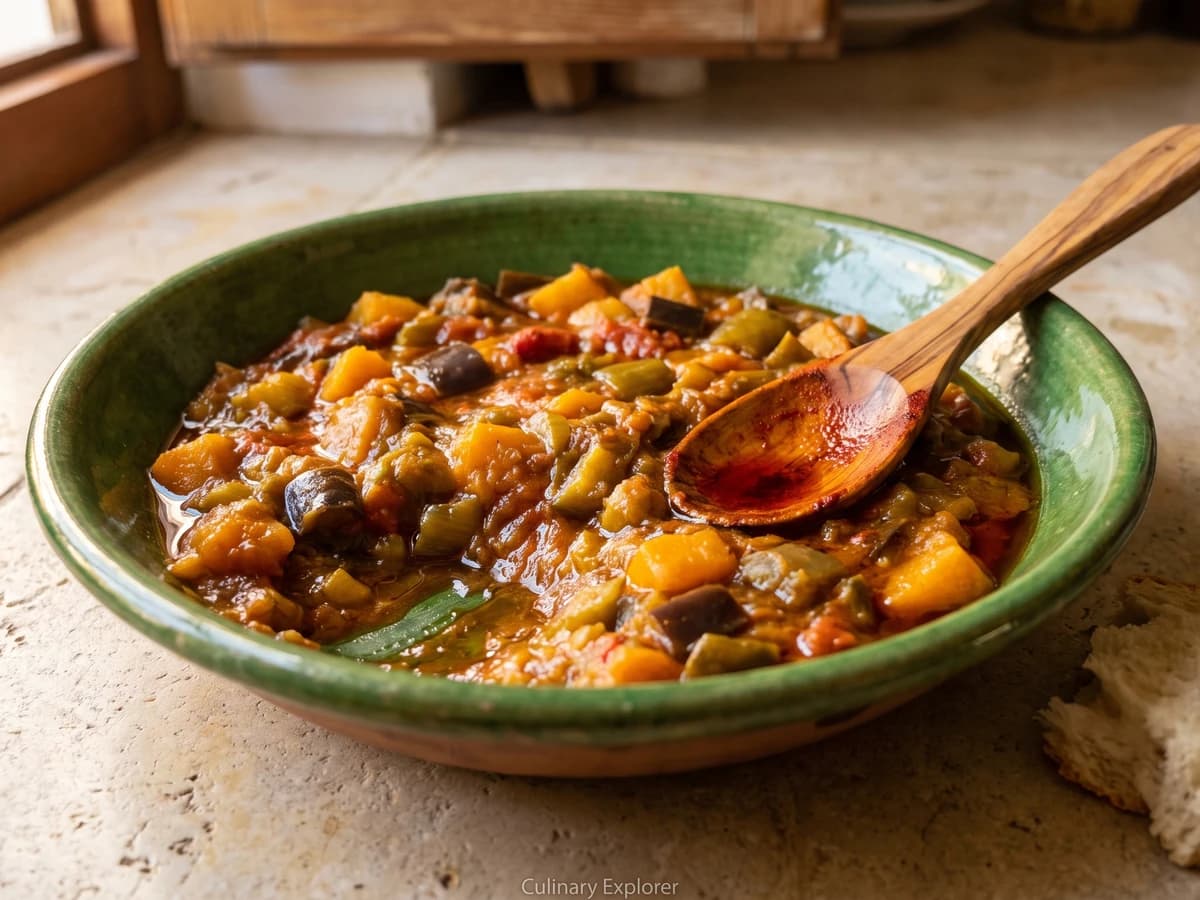
Alboronía is Andalucía's old pumpkin and aubergine stew, deepened with tomato, pimentón, and cumin, then cooked without hurry until the vegetables settle into a glossy, sweet, spoon-soft whole.

Chef Isabel
Aletría Murciana is Murcia's humble noodle guiso: fine fideos, pork ribs, potato, saffron, and a dark sweet sofrito. Get that base right and the pot knows where it's going.
Chef Isabel
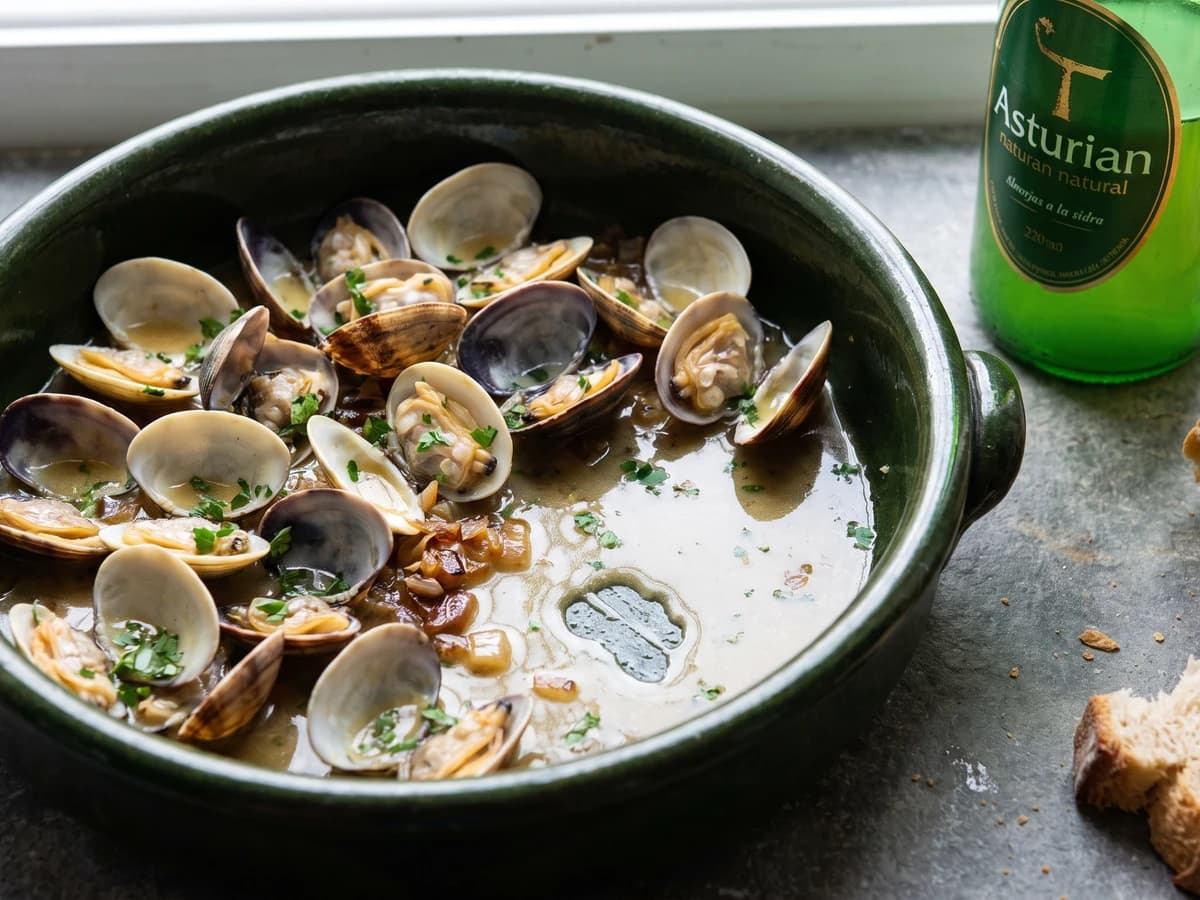
Asturias opens clams in tart natural cider over a slow onion and garlic sofrito, making a bright, briny sauce that asks for bread and rewards one rule: lift each clam as it opens.