Chef Isabel
Abanico Ibérico a la Plancha
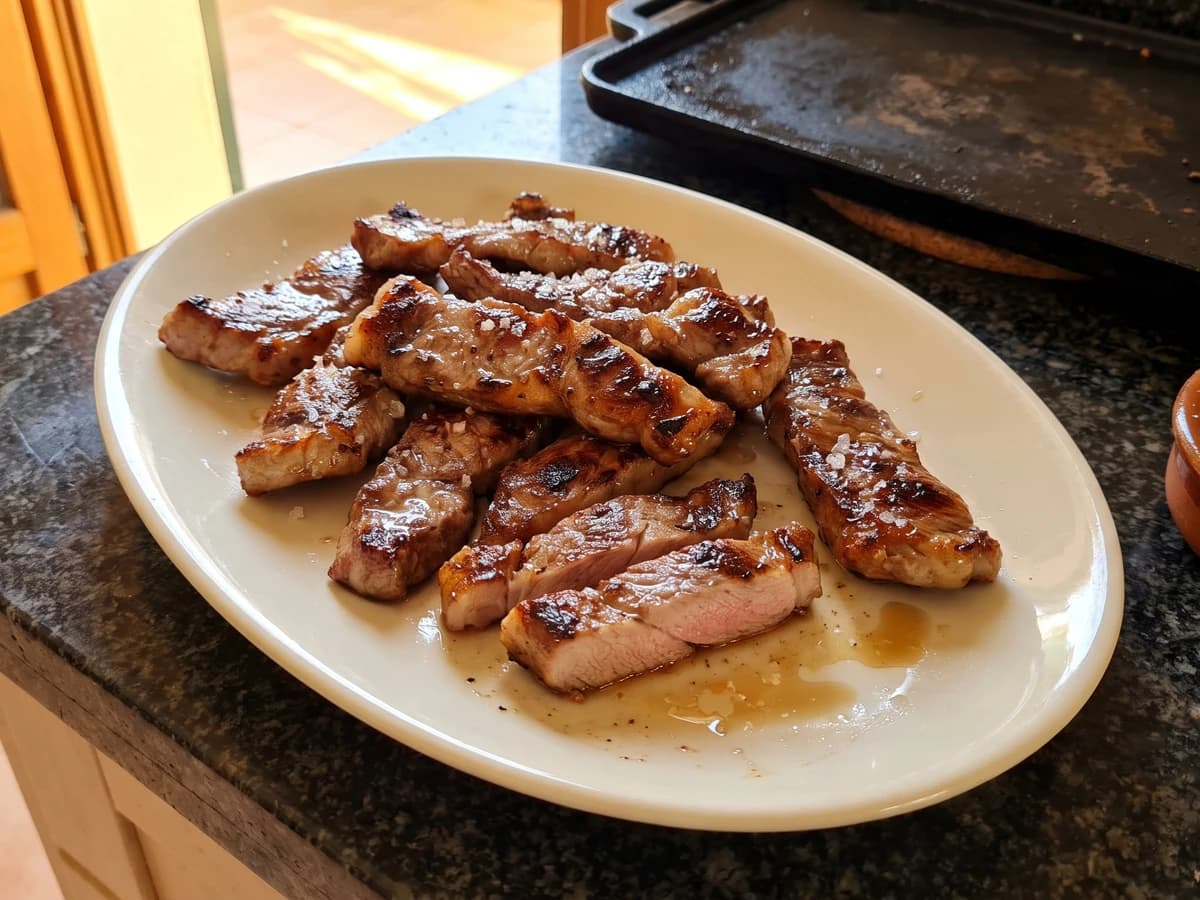
Extremadura's dehesa gives us this fan-shaped, marbled rib cut: salt it at the last moment, lay it on a fierce plancha, and count in seconds so the centre stays juicy.
A cooking platform built around craft, culture, and the stories behind what we eat.
Created by
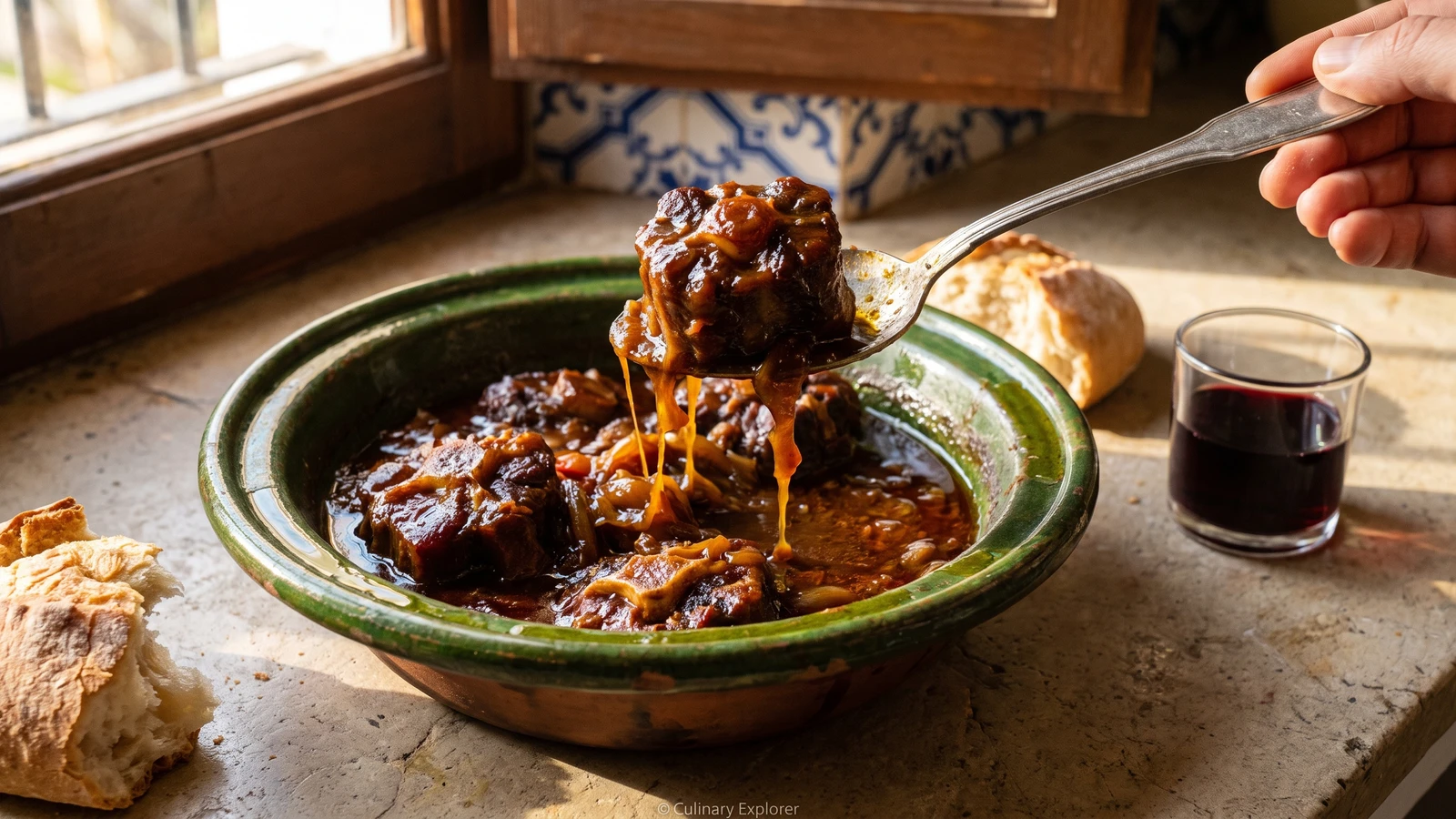
Rabo de Toro Cordobes is Andalucian spoon food with a bullring past: oxtail, red wine, vegetables, and time, cooked until the sauce turns dark and glossy.
Rabo de Toro Cordobes belongs to Cordoba, and what makes it itself is the dark wine braise around the tail: browned pieces of oxtail, a slow sofrito, red wine, bay, and enough patience for the meat to loosen from the bone. This is not a quick beef stew with a Spanish name put on it. It is Andalucian cocina de cuchara, spoon food, made rich by bone, cartilage, wine, and time.
The method that decides it is the beginning. Brown the oxtail properly, then cook the onion, carrot, leek, garlic, and tomato low until they lose their raw edge and turn sweet. That sofrito, the slow vegetable base, is where the sauce gets its depth. If you rush it, the meat may still soften, but the sauce will taste thin. Slow is the only honest way here.
If you are far from Cordoba, no hace falta haber pisado Espana. Use good beef oxtail from a butcher; that is what most home kitchens use now anyway. If there is no oxtail, beef cheek is the closest substitute because it brings the same gelatin and soft, sticky finish, though you lose the flavour the bone gives. Pesa la carne, no la adivines. With good ingredients and patience, siempre sale, si lo sigues.
Rabo de toro is tied to Cordoba and its bullring taverns, where the tail from the corrida was cooked slowly with wine and vegetables after the spectacle ended. The dish belongs to Andalusian tavern and home cooking, but it became especially identified with Cordoba because the city treated the tail as a prize cut, not a scrap. Today it is usually made with beef oxtail rather than fighting bull, but the method remains the same: a long braise that turns bone, wine, and vegetables into a dark sauce.
Quantity
1.8kg
cut into joints
Quantity
10g
Quantity
1 teaspoon
Quantity
40g
for dusting
Quantity
60ml
Quantity
2 large
finely chopped
Quantity
2
finely chopped
Quantity
1
white and pale green part only, finely chopped
Quantity
4
finely chopped
Quantity
250g
grated
Quantity
200g
Quantity
750ml
Quantity
500ml
Quantity
2
Quantity
2
Quantity
1 small sprig
Quantity
to finish
| Ingredient | Quantity |
|---|---|
| beef oxtailcut into joints | 1.8kg |
| fine sea salt | 10g |
| freshly ground black pepper | 1 teaspoon |
| plain flourfor dusting | 40g |
| extra virgin olive oil | 60ml |
| onionsfinely chopped | 2 large |
| carrotsfinely chopped | 2 |
| leekwhite and pale green part only, finely chopped | 1 |
| garlic clovesfinely chopped | 4 |
| ripe tomatoesgrated | 250g |
| canned crushed tomato (optional) | 200g |
| dry red wine | 750ml |
| beef stock or water | 500ml |
| bay leaves | 2 |
| cloves | 2 |
| thyme (optional) | 1 small sprig |
| salt | to finish |
Pat the oxtail very dry. Season it all over with the 10g salt and the black pepper, then dust lightly with the flour and shake off the excess. The flour is not there to make a crust like a cutlet; it helps the sauce catch later, so keep it thin.
Heat the olive oil in a wide heavy casserole over medium-high heat. Brown the oxtail in batches, turning until every side is deep brown, 10 to 12 minutes per batch. Do not crowd the pot or the meat stews in its own juice before the braise has even begun. Lift the browned pieces to a plate.
Lower the heat to medium-low and add the onions, carrots, and leek to the same pot. Cook slowly for 18 to 22 minutes, scraping the browned bits from the base, until the vegetables are soft, sweet, and dark gold at the edges. Add the garlic and cook 2 minutes more. This sofrito, the slow vegetable base, is what gives the sauce its body; rush it and the stew tastes thinner.
Stir in the grated tomato and cook for 8 to 10 minutes, until the liquid has mostly gone and the oil begins to show again around the vegetables. Raw tomato left watery here makes a sharp sauce later. Let it thicken now, while you can see what is happening.
Pour in the red wine, scraping the base of the pot clean, then add the bay leaves, cloves, and thyme if using. Bring it to a lively simmer and cook for 10 minutes so the wine loses its raw edge. Return the oxtail and any juices to the pot.
Add enough stock or water to come about three-quarters of the way up the meat. Cover with the lid slightly ajar and simmer gently for 3 to 3 1/2 hours, turning the pieces now and then. The surface should barely bubble. Hard boiling makes the sauce greasy and the meat stringy. It is done when a fork slides in easily and the meat begins to pull from the bone.
Lift the oxtail pieces carefully to a warm dish. Remove the bay leaves, cloves, and thyme. Blend the vegetables and braising liquid until smooth, then simmer the sauce uncovered for 10 to 15 minutes until it coats a spoon and looks dark and glossy. Taste for salt only now, because the sauce concentrates as it reduces.
Return the oxtail to the sauce and let it rest off the heat for 15 minutes before serving, or cool it and keep it overnight. Serve with fried potatoes, mashed potatoes, or good bread for the sauce. The meat should not need a knife. If it does, put the lid back on and give it more time. Nadie nace sabiendo, but the pot does know when it is ready.
1 serving (about 450g)
Culinary guides, cultural storytelling, and the editorial depth that makes cooking meaningful.
Discover Culinary ExplorerChef Isabel
Extremadura's dehesa gives us this fan-shaped, marbled rib cut: salt it at the last moment, lay it on a fierce plancha, and count in seconds so the centre stays juicy.
Chef Isabel
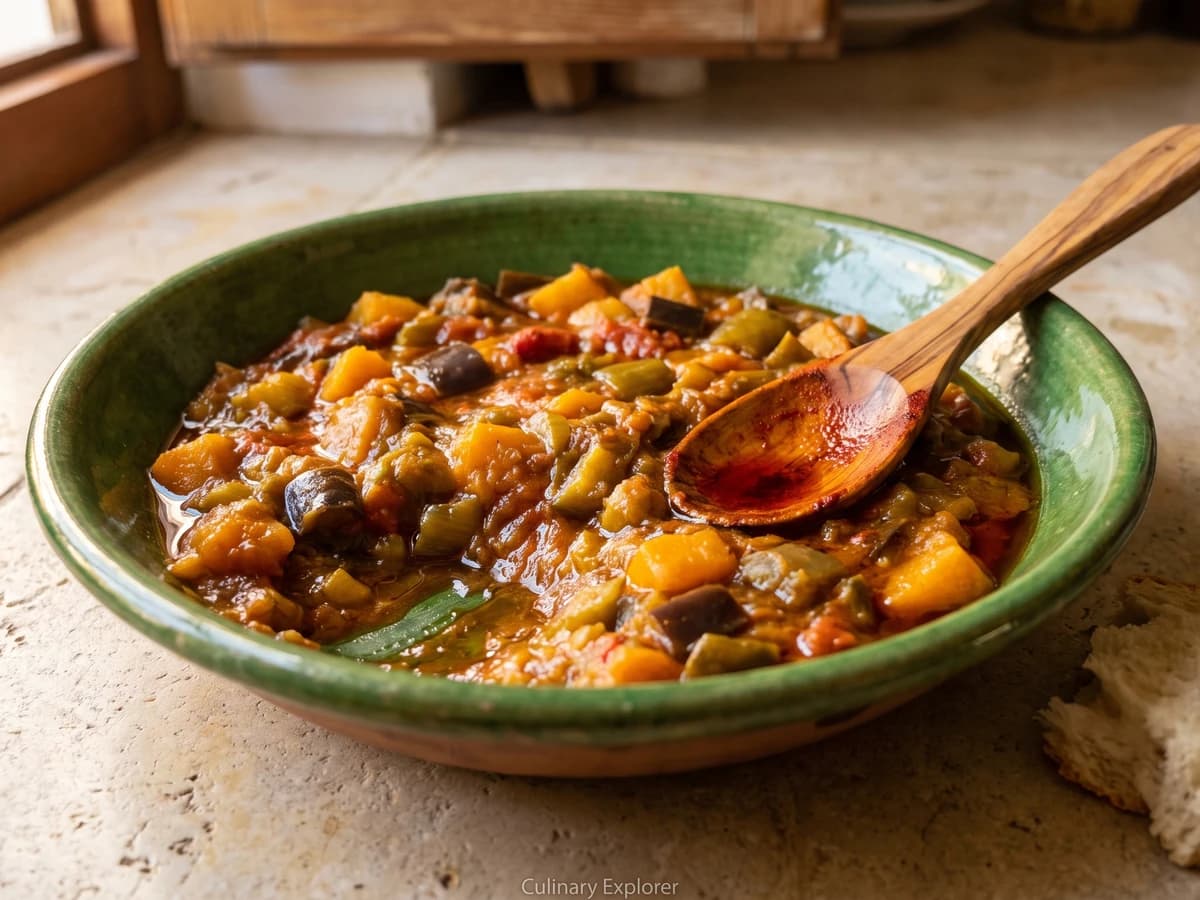
Alboronía is Andalucía's old pumpkin and aubergine stew, deepened with tomato, pimentón, and cumin, then cooked without hurry until the vegetables settle into a glossy, sweet, spoon-soft whole.

Chef Isabel
Aletría Murciana is Murcia's humble noodle guiso: fine fideos, pork ribs, potato, saffron, and a dark sweet sofrito. Get that base right and the pot knows where it's going.
Chef Isabel
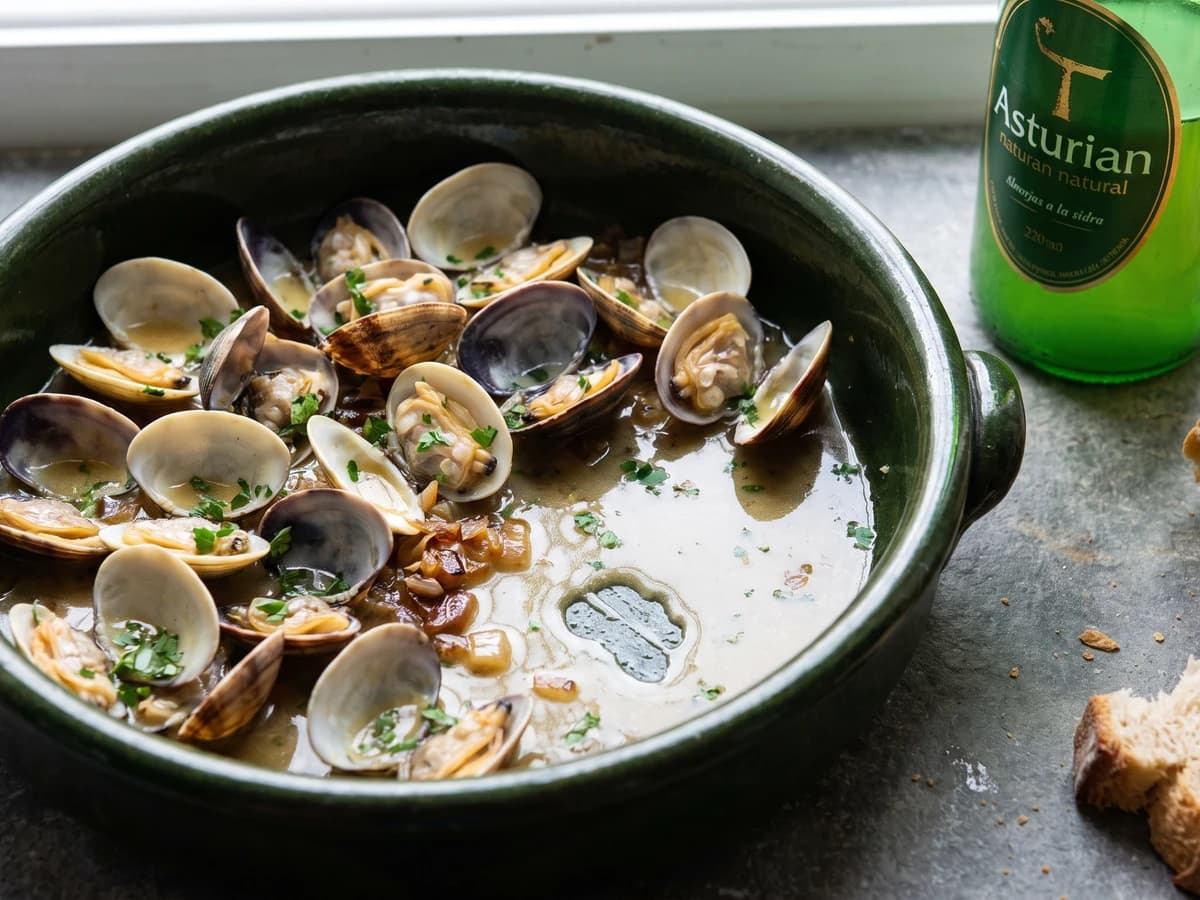
Asturias opens clams in tart natural cider over a slow onion and garlic sofrito, making a bright, briny sauce that asks for bread and rewards one rule: lift each clam as it opens.