Chef Makoa
ʻAʻama (Hawaiian Black Rock Crab with Paʻakai)
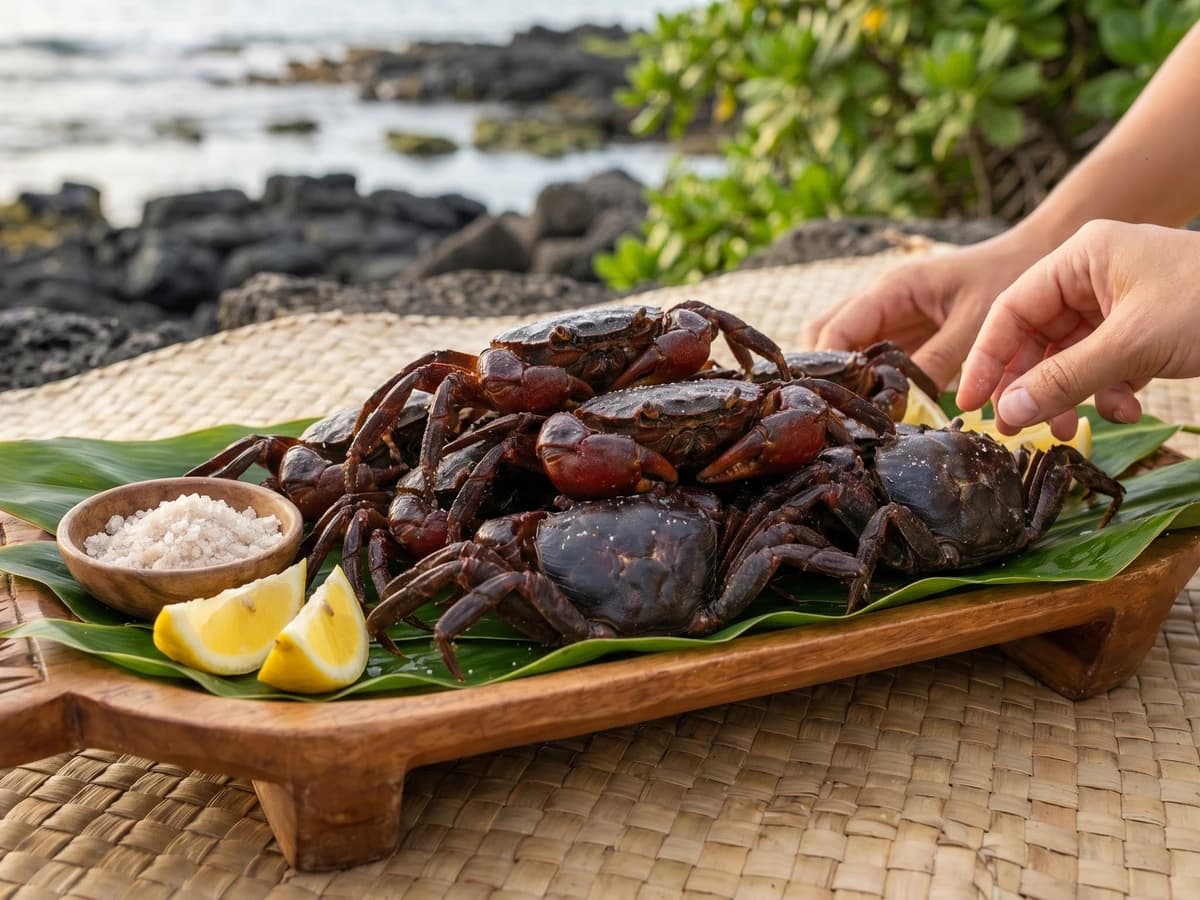
Hawaiʻi's reef-gathered ʻaʻama, the small black rock crab from the shoreline stones, boiled quick in salty water and picked whole at the lūʻau table beside ʻopihi.
A cooking platform built around craft, culture, and the stories behind what we eat.
Created by
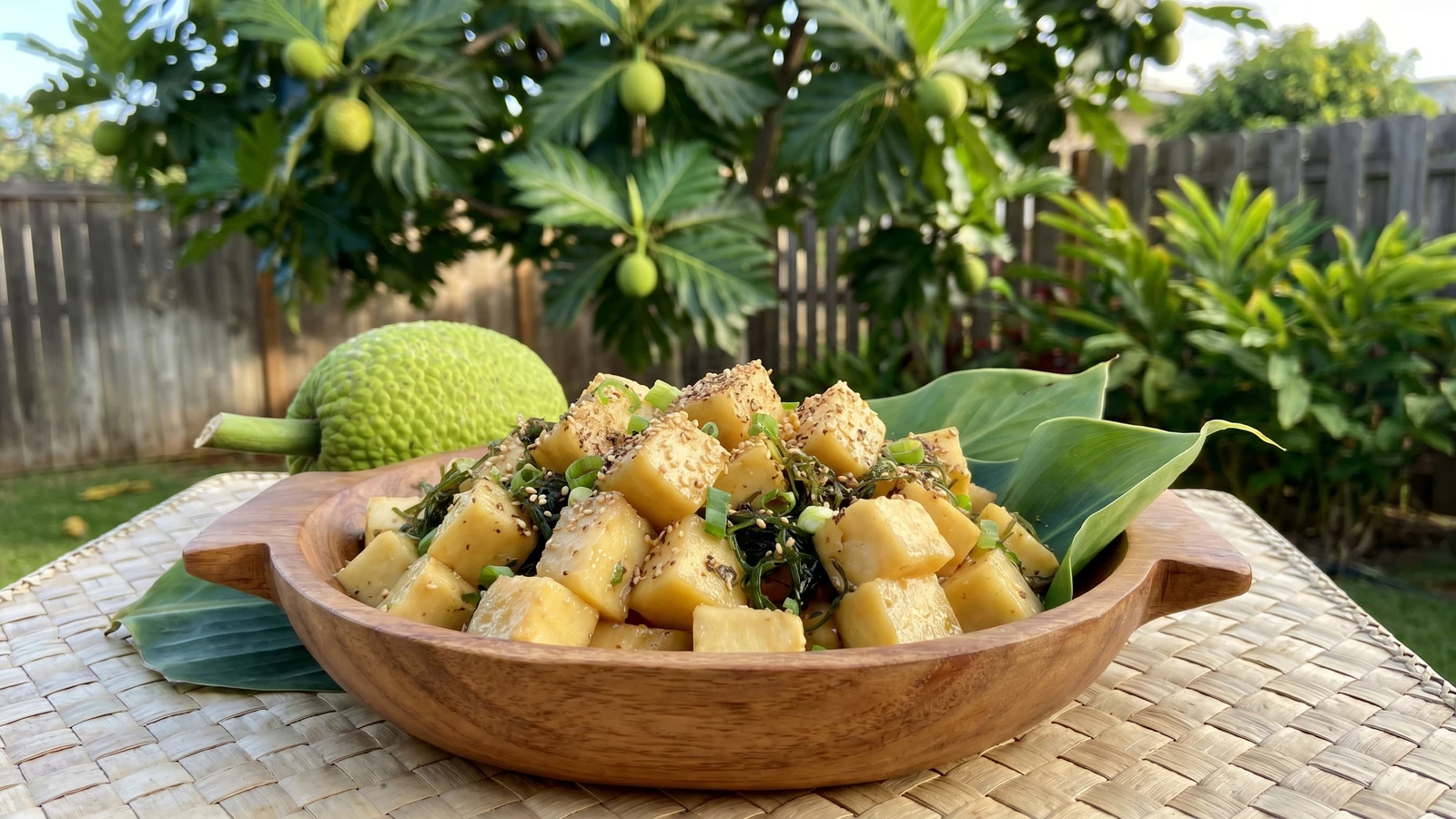
Cooked Hawaiian ʻulu, the breadfruit our canoes carried, cubed and dressed like poke with sweet onion, limu, sesame, and ʻinamona. No fish today. Same bowl, elder food.
The canoe brought more than people. It brought relatives. In Hawaiʻi, ʻulu, the breadfruit, stands with kalo and ʻuala as one of the old foods that fed the body and held the people close to the ʻāina, kānaka, meaʻai, land, people, food. I learned kalo first, yeah, with my hands in the poi. But the old people knew ʻulu too, high in the tree, heavy with starch, waiting for the right hand and the right season.
This is a Hawaiian bowl, poke ʻulu. Poke in our ʻōlelo means to cut crosswise or slice, and back home most people hear it and think fish: ʻahi with limu, ʻinamona, onion, salt, maybe shoyu and sesame the way we eat now. Here the fish steps aside and the canoe crop comes forward. Cooked ʻulu gets cubed while it's still firm and creamy, then dressed with the things that make a poke bowl speak Hawaiian: limu, the seaweed from the reef, ʻinamona, roasted kukui nut relish, sweet onion, sesame, and salt.
The cousins know this breadfruit too. Tahiti has ʻuru, the Marquesas have mei, Sāmoa and Tonga know ʻulu, and across the ocean people bake it, pound it, ferment it, and feed the family from it. One ocean, one canoe, one root, even when the tree fruit hangs over a different yard.
So don't make this precious. Bring it to a potluck in a wide bowl, next to rice, greens, grilled food, Spam musubi if that's the table, no shame. Just cook the ʻulu fully, dress it while it can still drink, and remember you're not using a trend ingredient. You're feeding people from a relative.
Breadfruit was one of the great canoe crops carried by Polynesian voyagers, moving from island to island with kalo, niu, ʻuala, and other plants that made settlement possible across the Triangle. In Hawaiʻi, ʻulu became a staple of older food systems and today sits at the center of food-sovereignty work because one tree can feed many people from its own ʻāina. Poke is Hawaiian in name and method, a cut-and-season preparation once centered on reef fish and sea seasonings, now living honestly in many bowls, including this fresh cooked ʻulu version.
Quantity
1 medium, about 2 1/2 to 3 pounds
Quantity
1 tablespoon
for hands and knife if needed
Quantity
1/2 cup
thinly sliced
Quantity
1/3 cup
rinsed, drained, and chopped
Quantity
3 tablespoons
or toasted chopped macadamia nuts if kukui is unavailable
Quantity
2 tablespoons
Quantity
1 tablespoon
Quantity
1 tablespoon
Quantity
1 teaspoon
plus more to taste
Quantity
2
thinly sliced
Quantity
1 tablespoon
Quantity
1 small
thinly sliced
| Ingredient | Quantity |
|---|---|
| mature firm ʻulu (breadfruit) | 1 medium, about 2 1/2 to 3 pounds |
| neutral oilfor hands and knife if needed | 1 tablespoon |
| Maui or other sweet onionthinly sliced | 1/2 cup |
| limu kohu or ogorinsed, drained, and chopped | 1/3 cup |
| ʻinamona, roasted kukui nut relishor toasted chopped macadamia nuts if kukui is unavailable | 3 tablespoons |
| shoyu | 2 tablespoons |
| toasted sesame oil | 1 tablespoon |
| rice vinegar or fresh lime juice | 1 tablespoon |
| Hawaiian sea saltplus more to taste | 1 teaspoon |
| green onionsthinly sliced | 2 |
| toasted sesame seeds | 1 tablespoon |
| red chile (optional)thinly sliced | 1 small |
Pick a mature firm ʻulu, green to yellow-green, heavy for its size, with just a little give and no sour smell. Too green and it eats dry and stubborn. Too ripe and it turns sweet and soft, good for dessert but not this poke. Eat what you have, but choose the fruit for the job.
Rinse the ʻulu, cut out the stem, and quarter it through the core. Steam the quarters over simmering water for 30 to 35 minutes, until a knife slides through the flesh without a fight but the pieces still hold their shape. The color should turn creamy and even, with no hard pale center left.
Let the ʻulu cool until you can handle it, then peel off the skin and cut away the spongy core. Cube the flesh into bite-size pieces, about 3/4 inch. Warm ʻulu drinks seasoning better than cold ʻulu, so don't wait until it goes stiff.
In a wide bowl, stir together the shoyu, sesame oil, rice vinegar or lime juice, and Hawaiian sea salt. Fold in the warm ʻulu cubes gently, turning them with your hands or a broad spoon so the edges stay whole and glossy, not mashed.
Add the sweet onion, limu, ʻinamona, green onion, sesame seeds, and chile if you're using it. Fold just until everything is scattered through. The limu should taste like the reef, the ʻinamona should bring roast and richness, and the ʻulu should stay creamy at the center.
Let the poke sit 10 minutes, then taste again for salt, shoyu, and acid. Serve at room temperature in a wide bowl, with rice, greens, or whatever the table already has. Deep food is not fancy. It's fed people a long time.
1 serving (about 190g)
Culinary guides, cultural storytelling, and the editorial depth that makes cooking meaningful.
Discover Culinary ExplorerChef Makoa
Hawaiʻi's reef-gathered ʻaʻama, the small black rock crab from the shoreline stones, boiled quick in salty water and picked whole at the lūʻau table beside ʻopihi.

Chef Makoa
Hawaiʻi Local chicken hekka, the plantation-camp cousin of Japanese sukiyaki, with tender chicken, long rice, shiitake, bamboo shoots, and sweet shoyu gravy for rice.
Chef Makoa
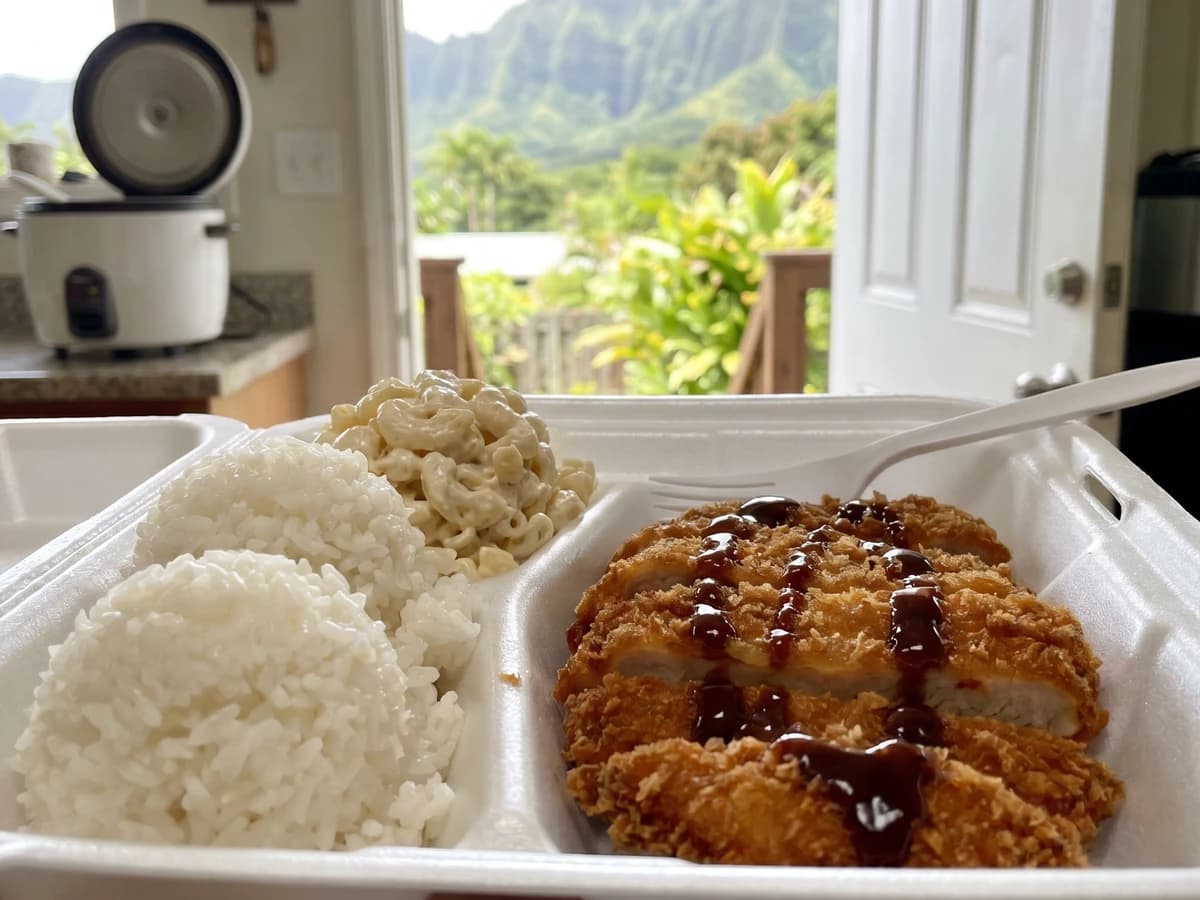
Hawaiʻi's Local plate-lunch comfort: juicy chicken thigh in panko, fried crisp, sliced over white rice with mac salad and katsu sauce, the sugar-camp stove brought home.
Chef Makoa
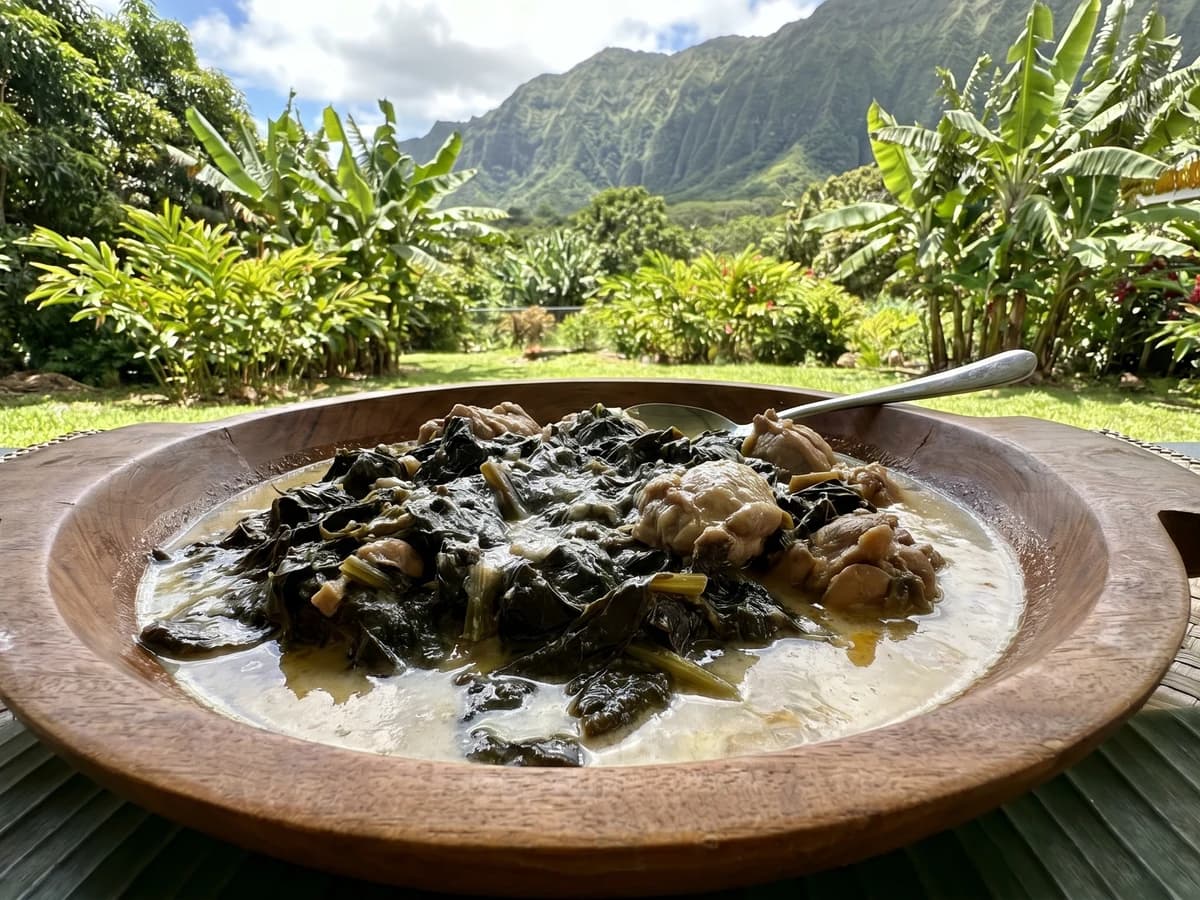
Hawaiian chicken lūʻau is kalo leaf cooked past its bite with tender chicken and coconut milk, a windward Oʻahu comfort pot with cousins in Sāmoa's palusami, Tonga's lū, and Cook Islands rukau.