Chef Isabel
Abanico Ibérico a la Plancha
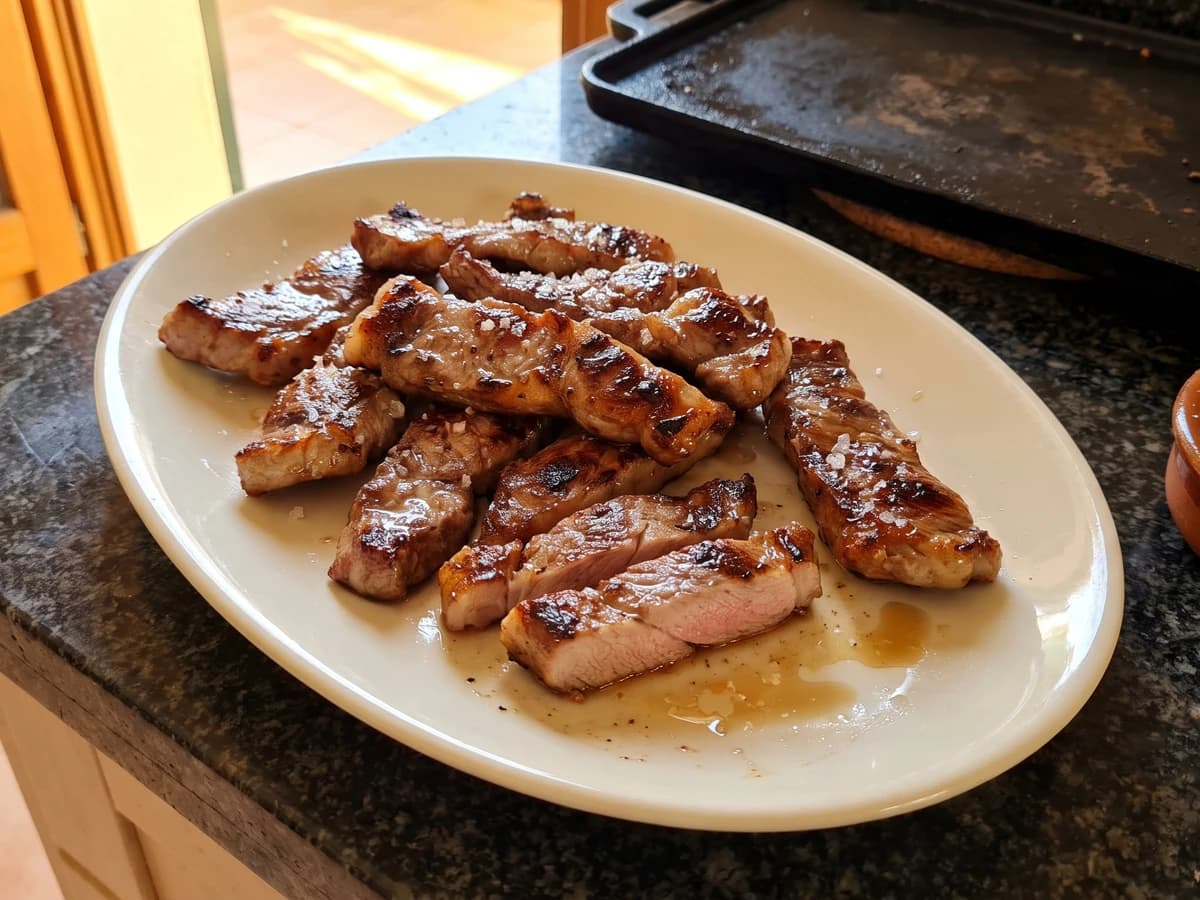
Extremadura's dehesa gives us this fan-shaped, marbled rib cut: salt it at the last moment, lay it on a fierce plancha, and count in seconds so the centre stays juicy.
A cooking platform built around craft, culture, and the stories behind what we eat.
Created by
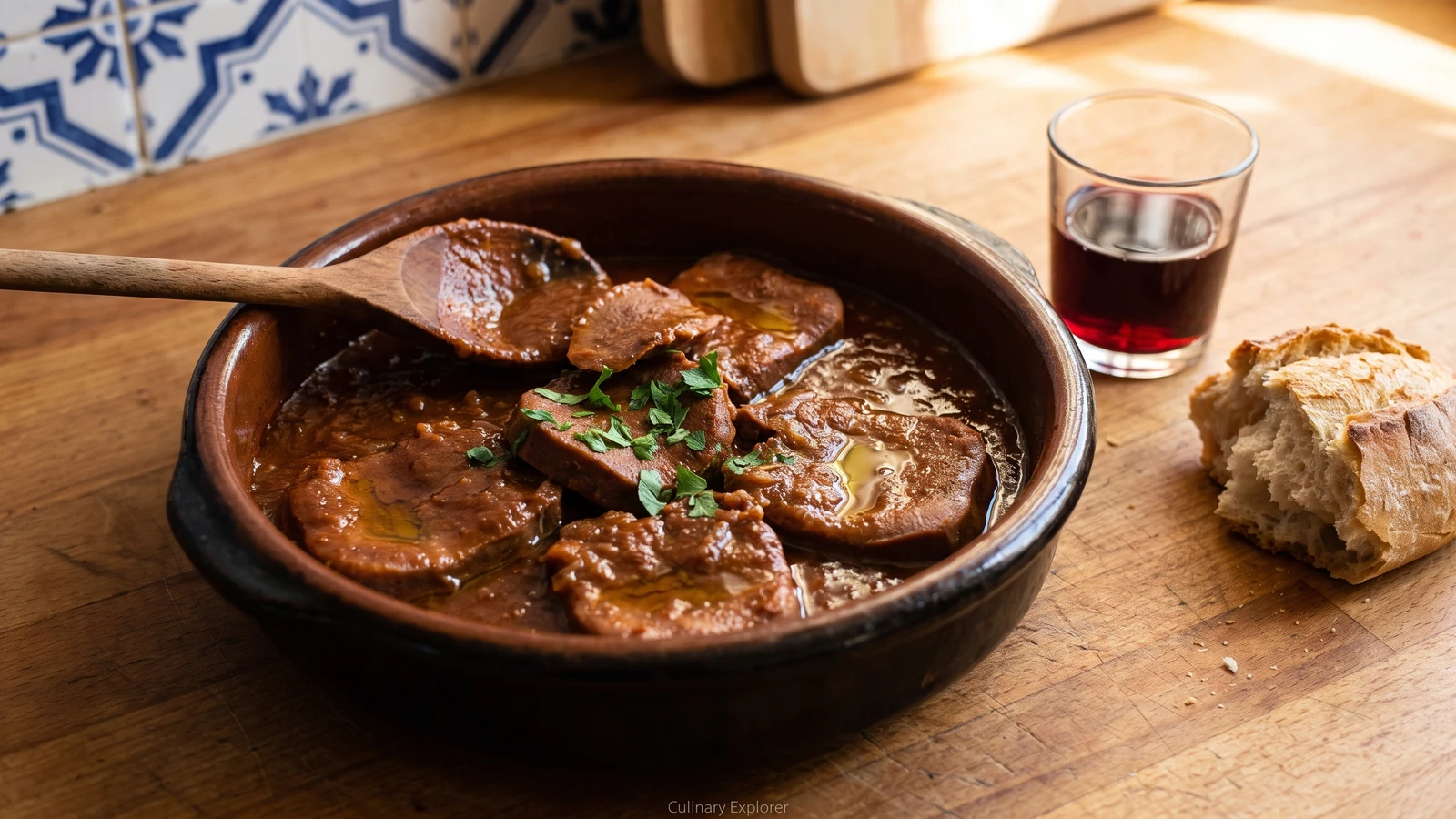
Lengua en salsa is La Rioja's patient way with beef tongue: cook it tender first, peel it while warm, then let the slices settle into a deep onion and wine sauce.
Lengua en salsa Riojana belongs to La Rioja, where the wine is not decoration and the sauce is built slowly: onion, garlic, tomato, pimentón, and red wine cooked down until it tastes round and dark. The tongue is not fried hard, not hidden under tricks. It is boiled tender, peeled clean, sliced thick, and finished in the sauce until it gives under the fork.
The method that decides it is the first cooking. Tongue has a stubborn skin, and it only lifts away easily when the meat is fully tender and still warm. Pull it too soon and you fight it. Let it go cold and you fight it again. Cook it until a skewer slides into the thick end with little resistance, peel it while your hands can bear the heat, and the rest is simple.
If you are far from La Rioja, use a good dry red wine you would drink at the table, not a sweet one and not a cooking bottle that tastes tired. If you cannot find pimiento choricero, use a dried ñora or a little more sweet pimentón de la Vera; the sauce will be less Riojan in its depth, but it will still know where it is going. No hace falta haber pisado España. Pésalo, no lo adivines, and this comes out right.
Lengua en salsa belongs to the old Spanish household habit of using the whole animal well, a habit especially strong in inland regions where beef, wine, and preserved peppers shared the same kitchen. In La Rioja, sauces often lean on local red wine and pimiento choricero, the dried red pepper that gives body and colour without the sharpness of fresh chilli. Tongue was never everyday food for the grand table; it was careful home cooking, made tender through time and served sliced in a sauce that could be stretched with bread.
Quantity
1, about 1.2kg to 1.5kg
rinsed well
Quantity
1
cleaned and halved
Quantity
1
peeled and halved, for the broth
Quantity
1
peeled and halved, for the broth
Quantity
2
Quantity
8
Quantity
1 tablespoon, plus more to taste
Quantity
3 tablespoons
Quantity
2
finely chopped
Quantity
3
finely chopped
Quantity
1
finely diced, for the sauce
Quantity
1 tablespoon
Quantity
150g
Quantity
1 teaspoon
Quantity
1
soaked in hot water for 30 minutes and scraped
Quantity
250ml
Quantity
500ml, plus more if needed
Quantity
1 tablespoon
Quantity
2 tablespoons
chopped
| Ingredient | Quantity |
|---|---|
| beef tonguerinsed well | 1, about 1.2kg to 1.5kg |
| leekcleaned and halved | 1 |
| carrotpeeled and halved, for the broth | 1 |
| small onionpeeled and halved, for the broth | 1 |
| bay leaves | 2 |
| black peppercorns | 8 |
| coarse salt | 1 tablespoon, plus more to taste |
| olive oil | 3 tablespoons |
| large onionsfinely chopped | 2 |
| garlic clovesfinely chopped | 3 |
| carrotfinely diced, for the sauce | 1 |
| tomato paste | 1 tablespoon |
| grated ripe tomato or canned crushed tomato | 150g |
| sweet pimentón de la Vera | 1 teaspoon |
| dried pimiento choricero or dried ñorasoaked in hot water for 30 minutes and scraped | 1 |
| dry Rioja red wine or another dry red wine | 250ml |
| strained tongue cooking broth | 500ml, plus more if needed |
| plain flour | 1 tablespoon |
| flat-leaf parsley (optional)chopped | 2 tablespoons |
Put the tongue in a deep pot with the leek, carrot, onion, bay leaves, peppercorns, and coarse salt. Cover with cold water by 4cm and bring it slowly to a simmer. Skim the grey foam that rises, lower the heat, cover partly, and cook at a gentle simmer for 2 hours 30 minutes to 3 hours, until a skewer slides into the thick end with little resistance.
Lift the tongue to a board and save the broth. When it is cool enough to handle but still warm, slit the thick skin along the underside and peel it away. Trim any rough bits from the root end. This is the step that decides the dish: tender and warm, the skin comes off clean; undercooked or cold, it makes a fool of everyone. Nadie nace sabiendo, but do not make this harder than it is.
Slice the peeled tongue across the grain into 1cm slices. Keep the slices together on a plate and strain 500ml of the cooking broth for the sauce. If the tongue looks a little firm at the centre, do not worry; it will finish gently in the sauce.
Warm the olive oil in a wide cazuela or heavy pan. Add the chopped onions, garlic, and diced carrot with a pinch of salt and cook low and slow for 25 to 30 minutes, stirring now and then, until the onion is dark gold, soft, and almost jammy. This sofrito, the slow onion base, is where the sweetness comes from. Rush it and the sauce tastes thin.
Stir in the tomato paste and cook for 2 minutes. Add the grated tomato and cook until the oil starts to show at the edges. Pull the pan off the heat, stir in the pimentón, then add the scraped flesh of the soaked pimiento choricero. Pimentón burns fast; off the heat it gives colour and smoke without bitterness.
Return the pan to medium heat, sprinkle in the flour, and stir for 1 minute so it loses its raw taste. Pour in the red wine and scrape the bottom of the pan. Let it bubble for 5 to 7 minutes, until the sharp smell of alcohol is gone and the sauce looks glossy and darker.
Add 500ml of the strained broth and bring the sauce to a low simmer. Blend the sauce smooth if you want the Rioja table version, or leave it rustic if that is how your house likes it. Lay in the tongue slices, spoon sauce over them, cover, and simmer gently for 25 to 30 minutes, until the slices are tender and the sauce coats a spoon. Add a splash more broth if it thickens too much.
Taste for salt and let the pan rest off the heat for 10 minutes. Tongue in sauce is better when it settles a little; the slices drink in the wine and pimentón and the sauce rounds itself out. Serve with fried potatoes, boiled potatoes, or good bread for the sauce. Siempre sale, si lo sigues.
1 serving (about 300g)
Culinary guides, cultural storytelling, and the editorial depth that makes cooking meaningful.
Discover Culinary ExplorerChef Isabel
Extremadura's dehesa gives us this fan-shaped, marbled rib cut: salt it at the last moment, lay it on a fierce plancha, and count in seconds so the centre stays juicy.
Chef Isabel
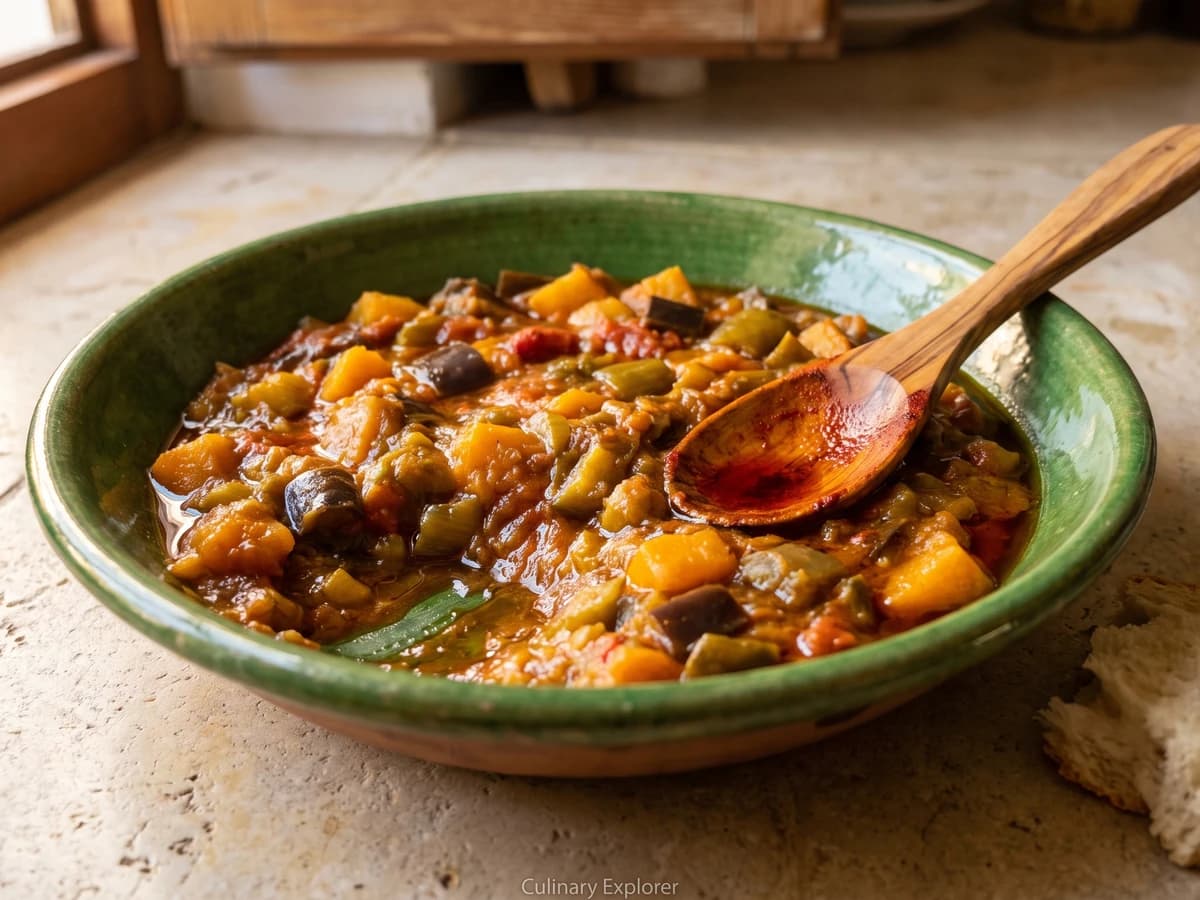
Alboronía is Andalucía's old pumpkin and aubergine stew, deepened with tomato, pimentón, and cumin, then cooked without hurry until the vegetables settle into a glossy, sweet, spoon-soft whole.

Chef Isabel
Aletría Murciana is Murcia's humble noodle guiso: fine fideos, pork ribs, potato, saffron, and a dark sweet sofrito. Get that base right and the pot knows where it's going.
Chef Isabel
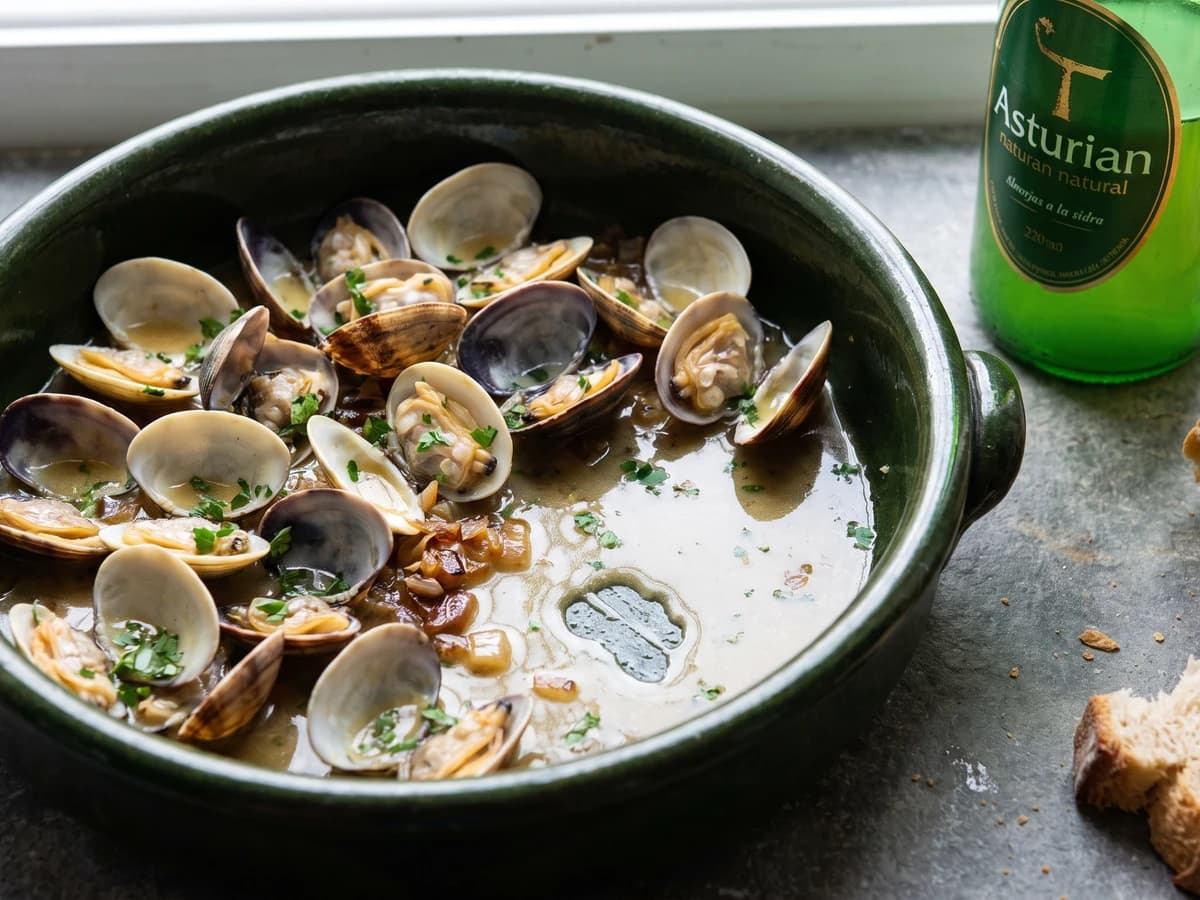
Asturias opens clams in tart natural cider over a slow onion and garlic sofrito, making a bright, briny sauce that asks for bread and rewards one rule: lift each clam as it opens.