Chef Isabel
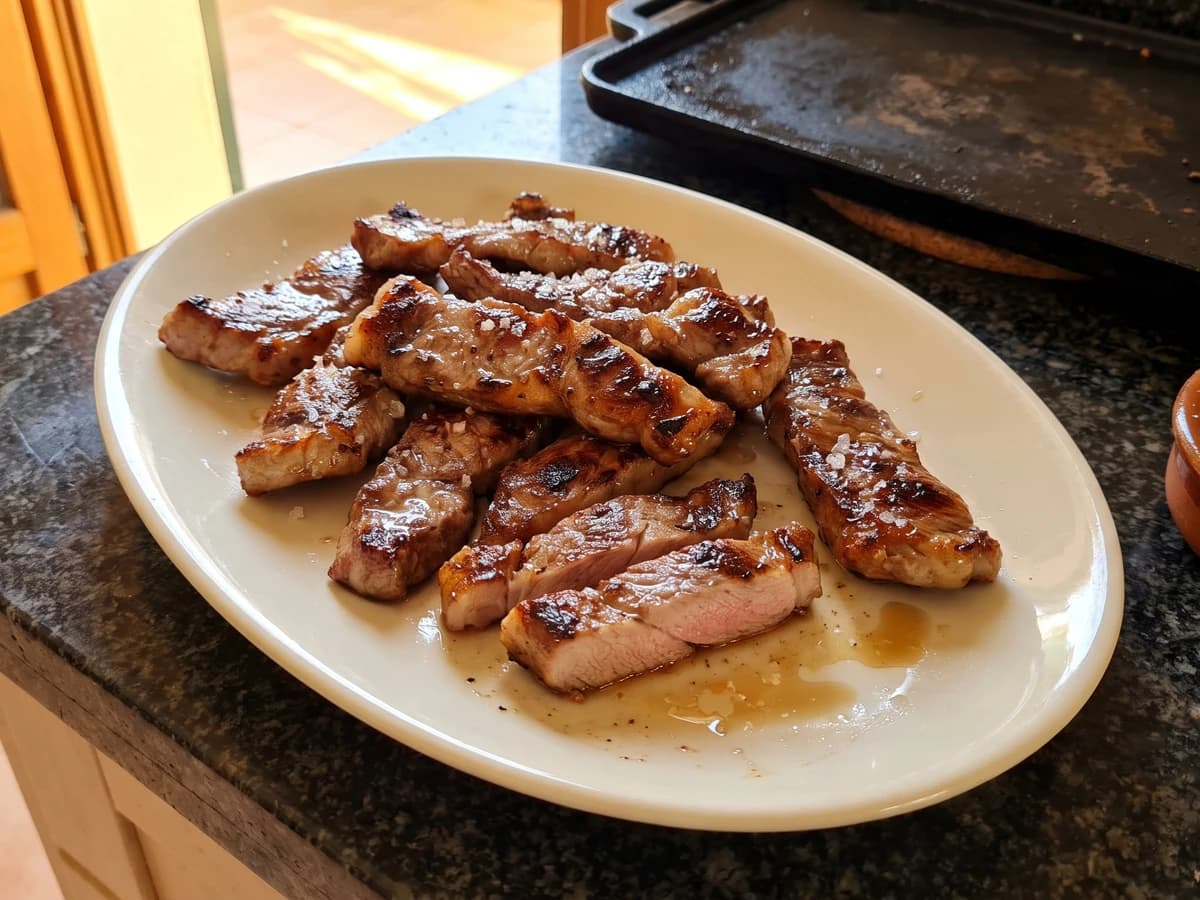
Abanico Ibérico a la Plancha
Extremadura's dehesa gives us this fan-shaped, marbled rib cut: salt it at the last moment, lay it on a fierce plancha, and count in seconds so the centre stays juicy.
A cooking platform built around craft, culture, and the stories behind what we eat.
Created by
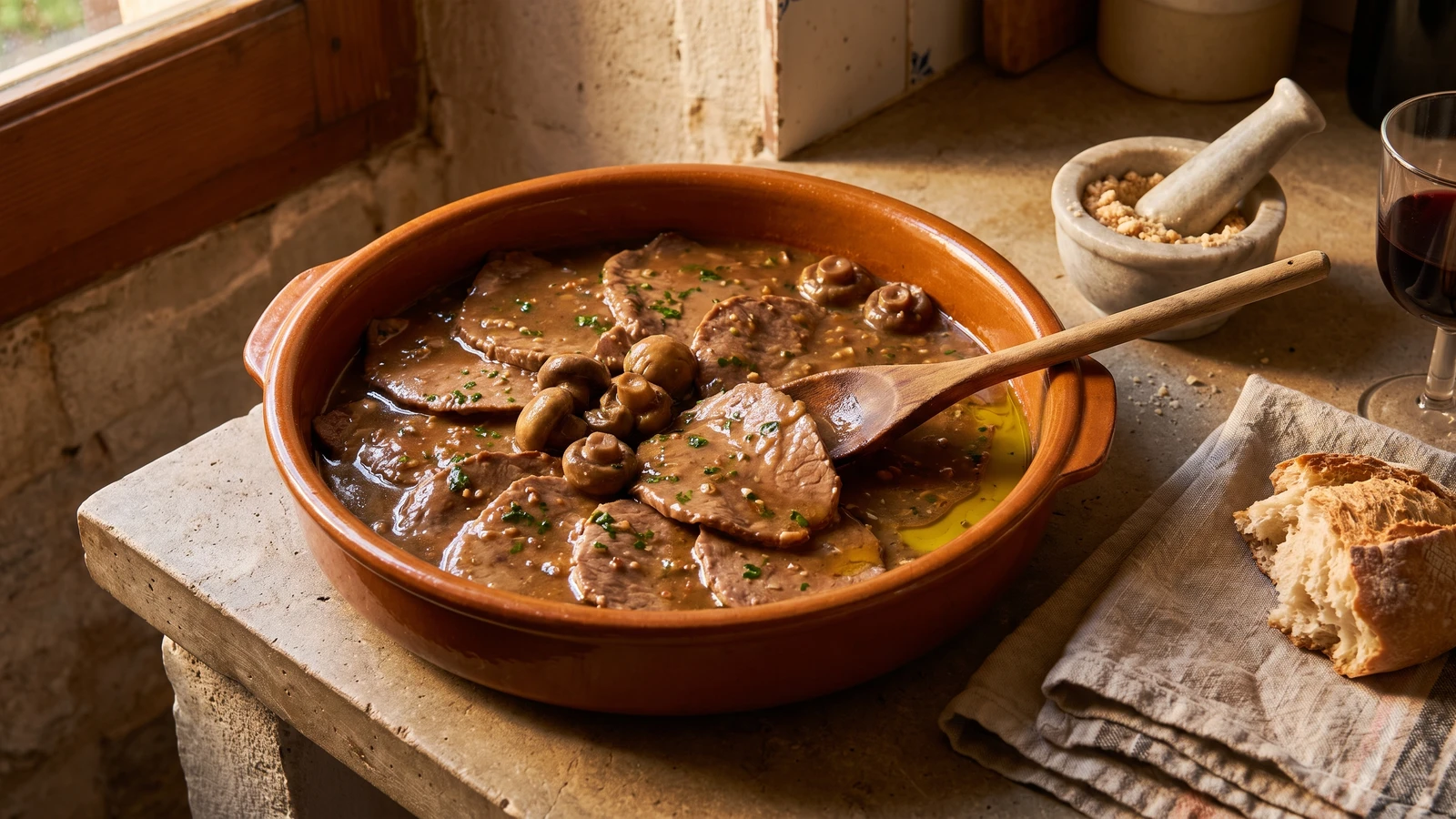
Fricandó is Catalan comfort food: thin veal floured and browned, braised with moixernons, and finished with a picada that tightens the sauce at the end.
Fricandó is Catalan, and it is not just any beef stew wearing a prettier name. It is thin veal, usually llata, floured and browned, then braised with dried moixernons until the sauce turns brown, glossy, and quiet. The late picada of almonds, garlic, bread, and parsley is what makes the dish speak Catalan at the end.
The method that decides it is the sauce. Brown the veal quickly so it keeps its tenderness, then slow the whole kitchen down for the sofrito, the onion and tomato base cooked until dark gold and sweet. After that, the meat can relax in wine, stock, and mushroom liquor. Boil it hard and the veal tightens. Keep it low and it gives in.
If you are far from Catalonia, no hace falta haber pisado España. Ask for veal shoulder or top blade cut thin; if veal is poor where you are, beef top blade works, but it needs a little more time. Moixernons are worth finding dried. If you cannot, dried porcini will do at a pinch, using less because they are stronger and darker. A swap is a compromise, not a tragedy.
Make fricandó the day before if you can. This is one of those dishes that behaves better after a night alone, when the sauce settles around the meat and the mushrooms give up the last of themselves. In my Margin beside this one I wrote only: add the picada late. That is the line that saves it.
Fricandó belongs to Catalonia's written home-cooking tradition, where thin veal and dried mushrooms turn a modest cut into a feast-day dish that waits well. Moixernons, delicate meadow mushrooms gathered in season and dried for the larder, are the old signature; their soaking liquor gives the sauce its quiet depth. The late picada of almonds, garlic, bread, and parsley is what marks the Catalan hand, thickening the sauce without flouring it again.
Quantity
800g
cut 5mm thick
Quantity
8g, plus more to taste
Quantity
1/2 teaspoon
Quantity
60g
for dusting
Quantity
80ml, plus more if needed
Quantity
30g
Quantity
350ml
for soaking the mushrooms
Quantity
300g
finely chopped
Quantity
2 cloves
minced
Quantity
200g
Quantity
150ml
Quantity
300ml
Quantity
1
Quantity
1 small sprig
Quantity
30g
Quantity
15g
Quantity
1 small clove
for the picada
Quantity
10g
Quantity
2 tablespoons
for loosening the picada
| Ingredient | Quantity |
|---|---|
| veal llata steaks, or beef top blade at a pinchcut 5mm thick | 800g |
| fine salt | 8g, plus more to taste |
| freshly ground black pepper | 1/2 teaspoon |
| plain flourfor dusting | 60g |
| olive oil | 80ml, plus more if needed |
| dried moixernons (fairy-ring mushrooms) | 30g |
| warm waterfor soaking the mushrooms | 350ml |
| onionsfinely chopped | 300g |
| garlicminced | 2 cloves |
| grated ripe tomato or canned crushed tomato | 200g |
| vi ranci or dry white wine | 150ml |
| hot veal or beef stock | 300ml |
| bay leaf | 1 |
| thyme | 1 small sprig |
| toasted almonds | 30g |
| fried or toasted country bread | 15g |
| garlicfor the picada | 1 small clove |
| flat-leaf parsley leaves | 10g |
| braising liquidfor loosening the picada | 2 tablespoons |
Put the dried moixernons in a bowl with 350ml warm water and leave them 30 minutes. Lift the mushrooms out with your fingers, because the sand stays at the bottom, then strain the soaking liquid through a fine sieve or coffee filter. Keep 250ml of that liquid for the braise. If it is gritty, don't be proud about it; use stock instead.
Season the veal with the salt and pepper. Dust each slice lightly in flour and shake off the excess; a thick coat gives you paste later, and nobody asked for that. Heat the olive oil in a wide cazuela or Dutch oven over medium-high heat and brown the veal in batches, 45 to 60 seconds per side, just until golden. Remove the slices to a plate. You are browning, not cooking them through.
Lower the heat to medium-low and leave about 3 tablespoons of oil in the pan. Add the onions with a pinch of salt and cook slowly for 25 to 30 minutes, scraping the browned bits from the bottom, until the onion is dark gold, soft, and jammy. Add the minced garlic for 1 minute, then the tomato, and cook 10 to 12 minutes more until the oil begins to show at the edges. This slow sofrito, the onion and tomato base, is where the sweetness of the sauce is made. Rush it and the fricandó tastes thin.
Pour in the vi ranci or white wine and let it bubble until almost dry, 3 to 5 minutes. Add the soaked moixernons, 250ml strained mushroom liquid, the hot stock, bay leaf, and thyme. Return the veal and its juices to the pot, arranging the slices so they are mostly covered. Bring it just to a simmer, then cover slightly ajar and cook low for 45 to 55 minutes, shaking the pot now and then instead of stirring hard. The veal should turn tender enough to cut with a spoon.
Pound the almonds, bread, small garlic clove, parsley, and a pinch of salt in a mortar until you have a rough paste. Loosen it with 2 tablespoons of the braising liquid, then stir it into the pot for the last 10 minutes. The picada is the Catalan hand here: it thickens the sauce late, gives it body, and leaves the almond and parsley fresh enough to taste. Add it at the start and it goes dull.
Take out the bay and thyme. Let the fricandó rest at least 15 minutes before serving, or cool it and keep it overnight, which is even better. Taste for salt after the rest, because the sauce settles and changes. Serve with bread, fried potatoes, or a simple potato purée, and put plenty of sauce on every plate. Siempre sale, si lo sigues.
1 serving (about 285g)
Culinary guides, cultural storytelling, and the editorial depth that makes cooking meaningful.
Discover Culinary ExplorerChef Isabel
Extremadura's dehesa gives us this fan-shaped, marbled rib cut: salt it at the last moment, lay it on a fierce plancha, and count in seconds so the centre stays juicy.
Chef Isabel
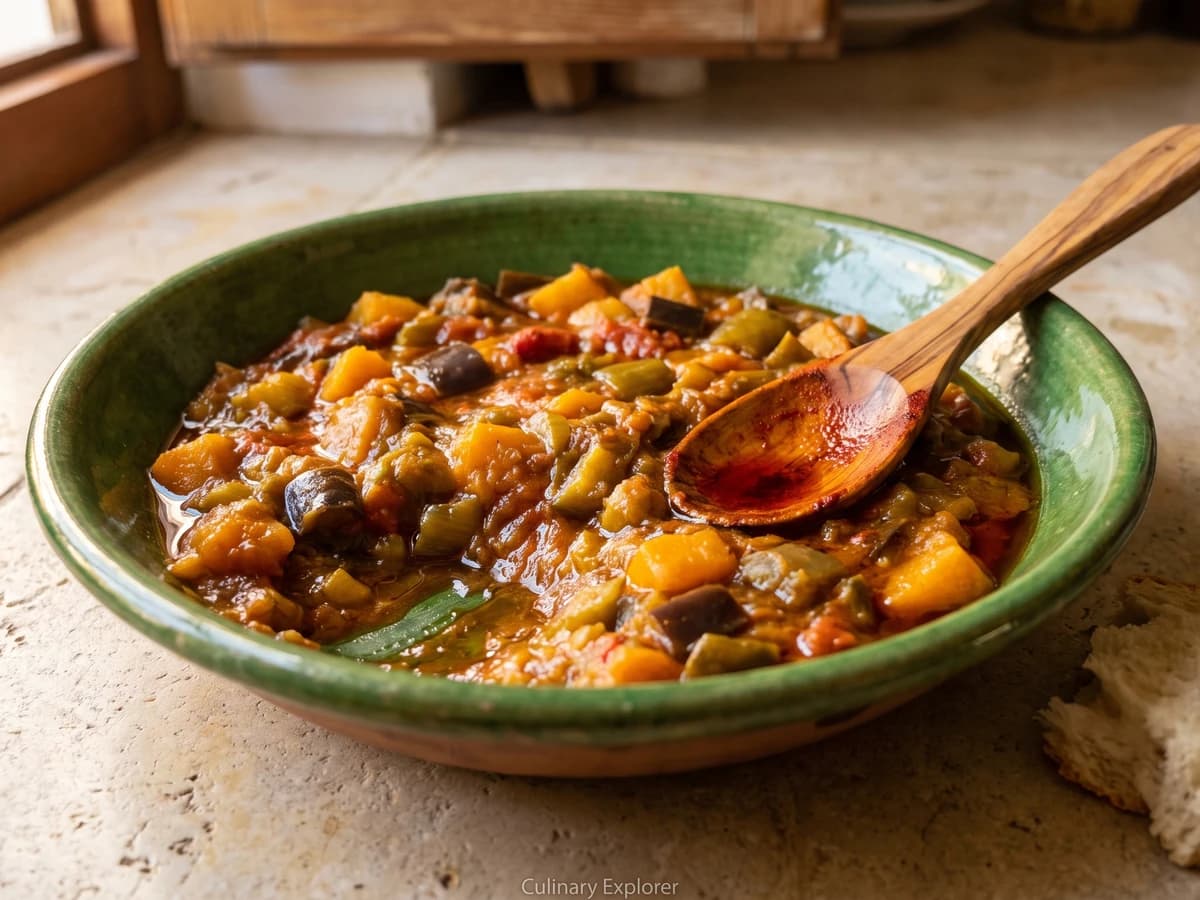
Alboronía is Andalucía's old pumpkin and aubergine stew, deepened with tomato, pimentón, and cumin, then cooked without hurry until the vegetables settle into a glossy, sweet, spoon-soft whole.

Chef Isabel
Aletría Murciana is Murcia's humble noodle guiso: fine fideos, pork ribs, potato, saffron, and a dark sweet sofrito. Get that base right and the pot knows where it's going.
Chef Isabel
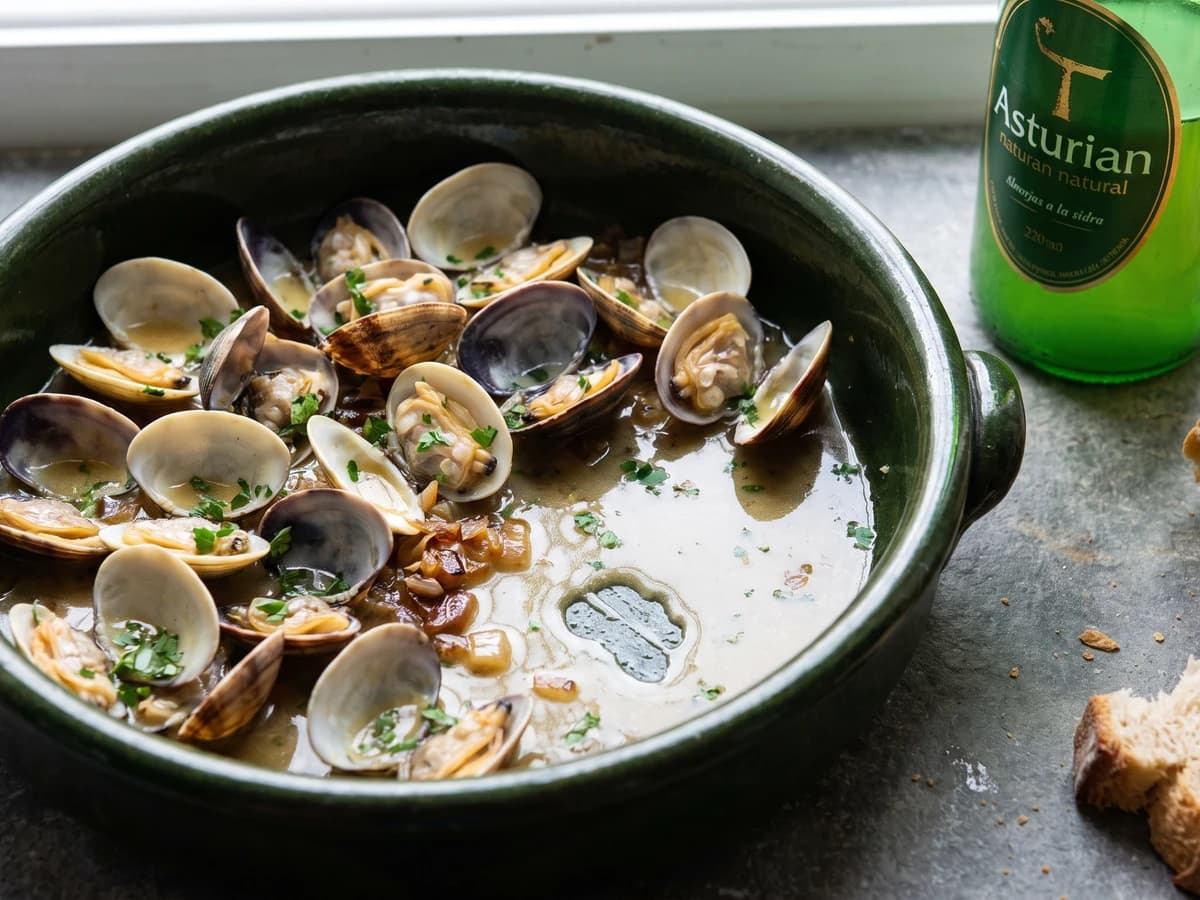
Asturias opens clams in tart natural cider over a slow onion and garlic sofrito, making a bright, briny sauce that asks for bread and rewards one rule: lift each clam as it opens.