Chef Isabel
Abanico Ibérico a la Plancha
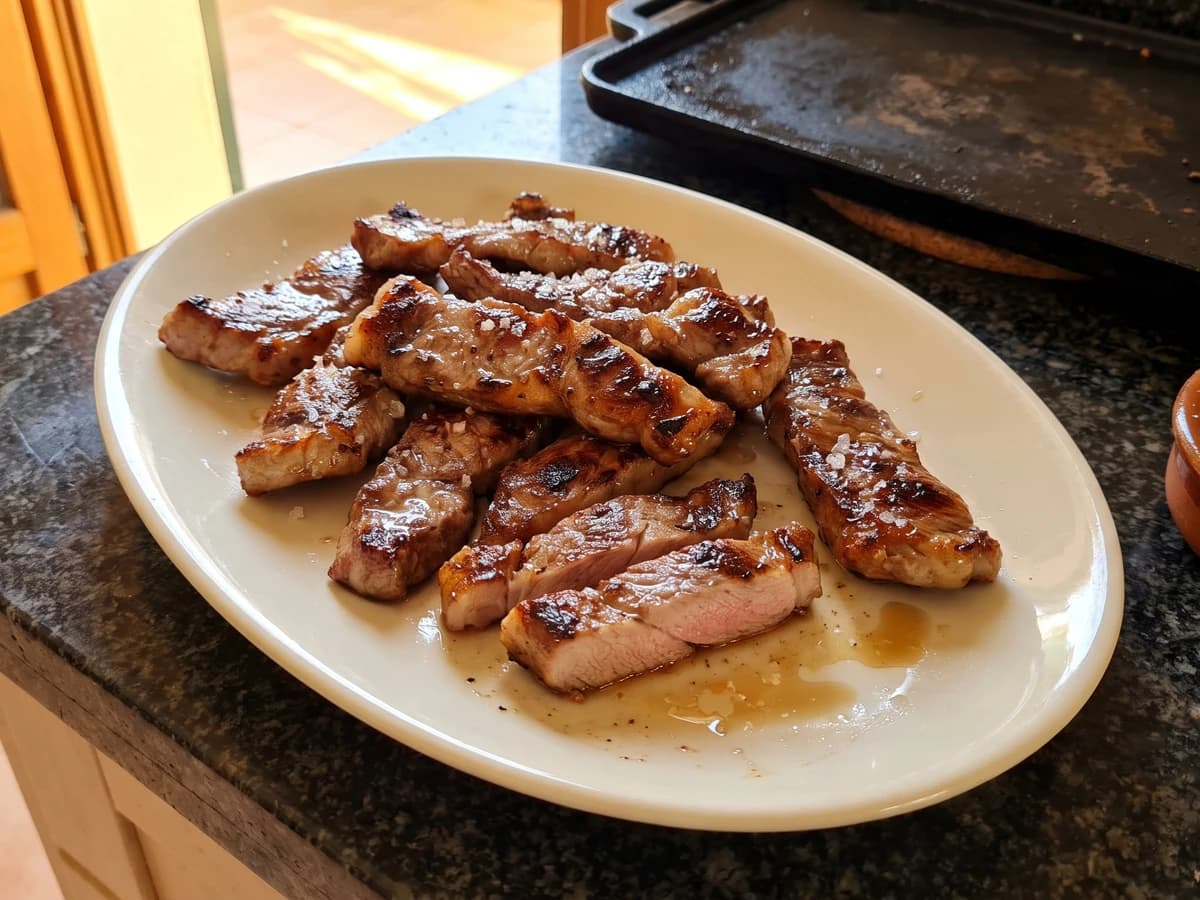
Extremadura's dehesa gives us this fan-shaped, marbled rib cut: salt it at the last moment, lay it on a fierce plancha, and count in seconds so the centre stays juicy.
A cooking platform built around craft, culture, and the stories behind what we eat.
Created by
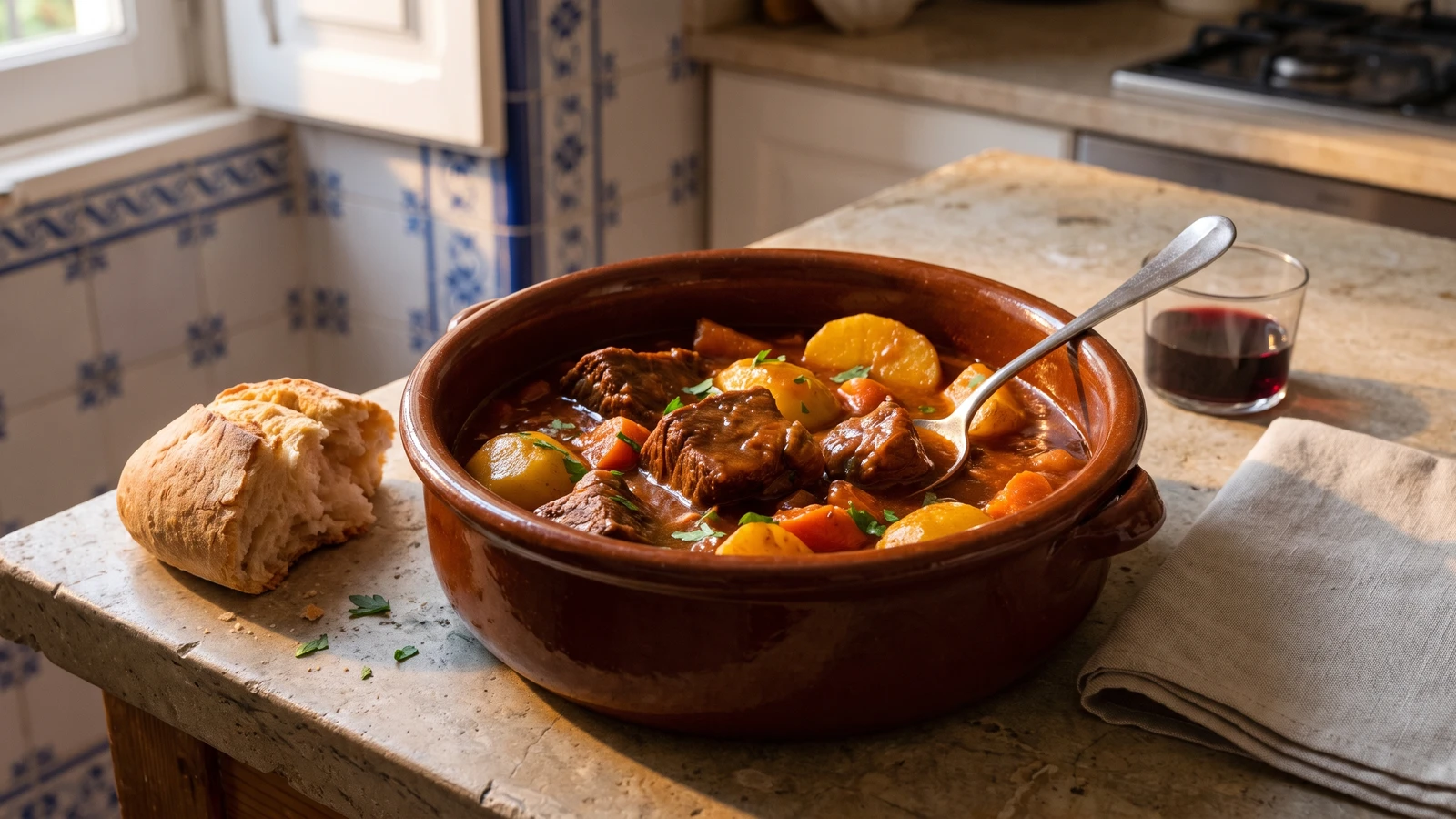
Estofado de ternera castellano is inland spoon food: beef, red wine, onion, carrot, bay, and patience. Brown the floured meat well first, then hold the pot at a bare bubble.
Estofado de ternera castellano belongs to the inland table, where beef, red wine, onion, carrot, bay, and potatoes make a meal that fills the house before it ever reaches the bowl. This is cocina de cuchara, spoon food, not a quick pan sauce. What makes it Castilian is its plainness: wine from the country around it, a slow sofrito, and meat cooked until a spoon can press it apart.
The step that decides the dish is the browning. Flour the beef lightly, shake off the excess, and brown it hard in olive oil before the wine goes in. That dark crust is what gives the sauce body and depth. If you crowd the pot, the meat steams grey and the stew tastes thinner for it. Pésalo, no lo adivines, weigh it, don't guess, and brown in batches.
If you can't find Spanish ternera where you are, use beef chuck, shoulder, or shin cut into large pieces. It will take a little longer than young beef, but the sauce will be richer for the wait. Choose a dry red wine you would drink at the table, not a sweet one, and no cooking wine from the sad shelf. Siempre sale, si lo sigues.
In the Margin beside this one I keep the same warning every time: don't boil it. A stew should murmur. Let the pot sit low and steady, add the potatoes only near the end, and the sauce will turn glossy enough to coat the back of a spoon.
Estofados de carne belong especially to the inland cooking of Castile and León, where cattle, wine, onions, and stored roots made a sturdy household stew without much ornament. The method comes from the old Spanish habit of guisar, cooking meat slowly in a covered pot with wine, aromatics, and whatever the larder could spare. In wine country, especially around Ribera del Duero and Toro, red wine was not a flourish but the everyday liquid that tenderized tougher cuts and gave the sauce its dark colour.
Quantity
1kg
cut into 4cm pieces
Quantity
40g
Quantity
2 teaspoons
divided
Quantity
1 teaspoon
Quantity
60ml
divided
Quantity
250g
finely chopped
Quantity
150g
diced
Quantity
120g
finely chopped
Quantity
4 cloves
minced
Quantity
200g
grated
Quantity
150g
Quantity
1 teaspoon
Quantity
300ml
Quantity
500ml
hot, plus more if needed
Quantity
2
Quantity
1 sprig
Quantity
600g
peeled and cut into large chunks
Quantity
150g
Quantity
2 tablespoons
chopped
| Ingredient | Quantity |
|---|---|
| beef chuck, shoulder, shin, or Spanish terneracut into 4cm pieces | 1kg |
| plain flour | 40g |
| fine saltdivided | 2 teaspoons |
| freshly ground black pepper | 1 teaspoon |
| olive oildivided | 60ml |
| onionfinely chopped | 250g |
| carrotdiced | 150g |
| leek, white and pale green partfinely chopped | 120g |
| garlicminced | 4 cloves |
| ripe tomatograted | 200g |
| canned crushed tomato (optional) | 150g |
| sweet pimentón | 1 teaspoon |
| dry red wine | 300ml |
| beef stock or waterhot, plus more if needed | 500ml |
| bay leaves | 2 |
| thyme (optional) | 1 sprig |
| waxy potatoespeeled and cut into large chunks | 600g |
| peas, fresh or frozen (optional) | 150g |
| parsley (optional)chopped | 2 tablespoons |
Pat the beef dry. Mix the flour with 1 teaspoon of the salt and the black pepper, then toss the beef through it and shake off every loose bit. You want a thin coat, not a paste. The flour helps the meat brown and gives the sauce body later.
Heat 3 tablespoons of the olive oil in a wide heavy pot over medium-high heat. Brown the beef in two or three batches, turning until each piece has dark edges and a good crust, about 6 to 8 minutes per batch. Don't crowd the pot. Lift the browned meat to a plate and keep the browned flour stuck to the bottom; that is flavour, not dirt.
Lower the heat to medium-low and add the remaining oil if the pot looks dry. Add the onion, carrot, leek, and the remaining teaspoon of salt. Cook slowly for 18 to 22 minutes, scraping now and then, until the onion is dark gold and jammy and the vegetables have given up their water. Add the garlic for 1 minute, then the grated tomato, and cook until the tomato thickens and the oil shows at the edges.
Stir in the sweet pimentón for 20 seconds only, off the strongest heat if your pot is fierce. It should smell warm and sweet, never scorched. Burned pimentón turns bitter and follows you all the way to the table.
Pour in the red wine and scrape the bottom of the pot until the browned bits dissolve into it. Let the wine bubble for 3 to 4 minutes so the sharp edge cooks off. Return the beef and its juices to the pot, add the hot stock or water, bay leaves, and thyme if using. The liquid should come just below the top of the meat, not drown it.
Bring the pot just to a simmer, then lower the heat, cover with the lid slightly ajar, and cook at a bare bubble for 1 hour 30 minutes to 1 hour 45 minutes. Stir gently every half hour and add a splash of hot water only if the sauce threatens to catch. Do not boil it. A hard boil tightens the meat and muddies the sauce.
Add the potatoes and nestle them into the sauce. Cook uncovered or half-covered for 25 to 35 minutes more, until the potatoes are tender and the beef yields easily when pressed with a spoon. Add the peas for the last 5 minutes if using. The sauce should be glossy and thick enough to coat the spoon; if it is thin, simmer uncovered a little longer.
Take out the bay leaves and thyme. Rest the stew off the heat for 10 minutes before serving, because the sauce settles and the meat relaxes. Taste for salt. Finish with parsley if you like, and serve in shallow bowls with bread for the sauce. Tal como se hace allí: plain, dark, and worth the wait.
1 serving (about 575g)
Culinary guides, cultural storytelling, and the editorial depth that makes cooking meaningful.
Discover Culinary ExplorerChef Isabel
Extremadura's dehesa gives us this fan-shaped, marbled rib cut: salt it at the last moment, lay it on a fierce plancha, and count in seconds so the centre stays juicy.
Chef Isabel
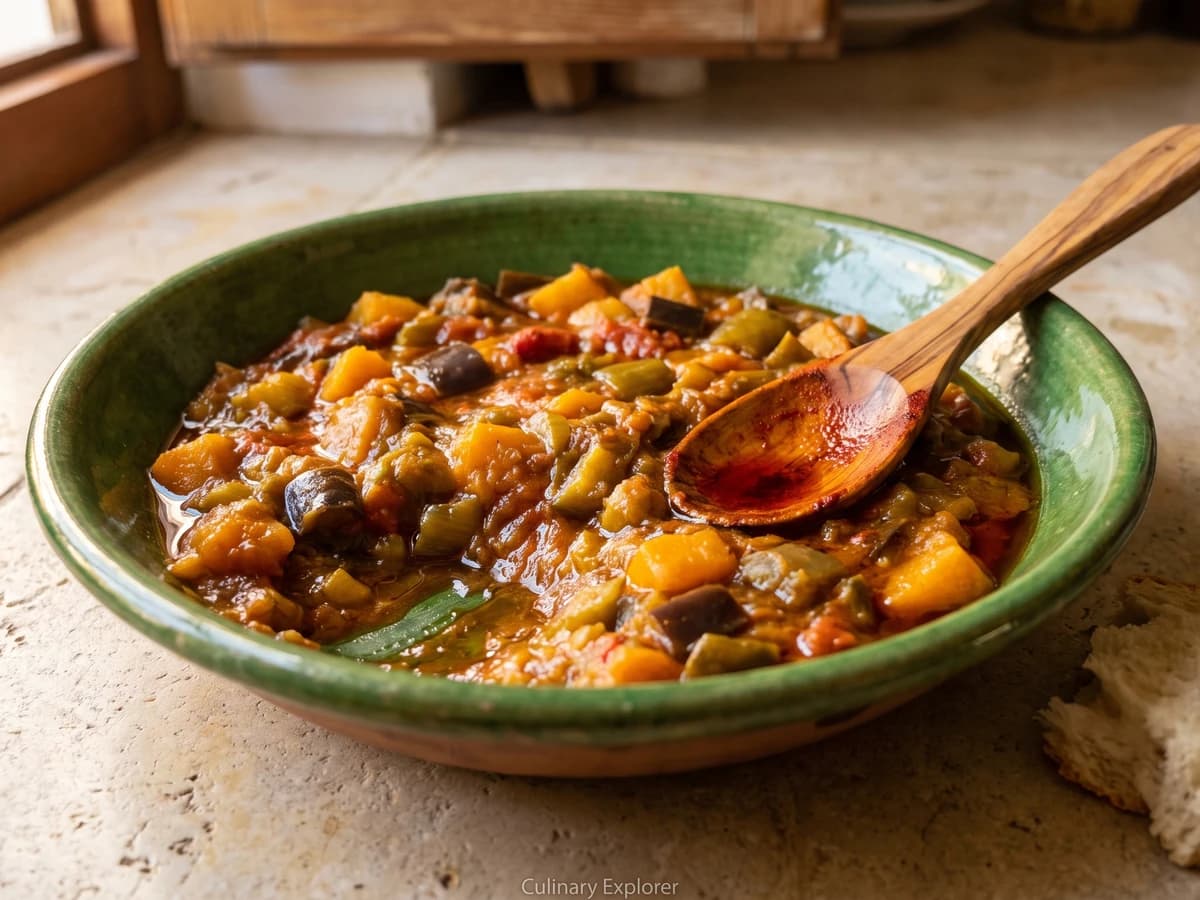
Alboronía is Andalucía's old pumpkin and aubergine stew, deepened with tomato, pimentón, and cumin, then cooked without hurry until the vegetables settle into a glossy, sweet, spoon-soft whole.

Chef Isabel
Aletría Murciana is Murcia's humble noodle guiso: fine fideos, pork ribs, potato, saffron, and a dark sweet sofrito. Get that base right and the pot knows where it's going.
Chef Isabel
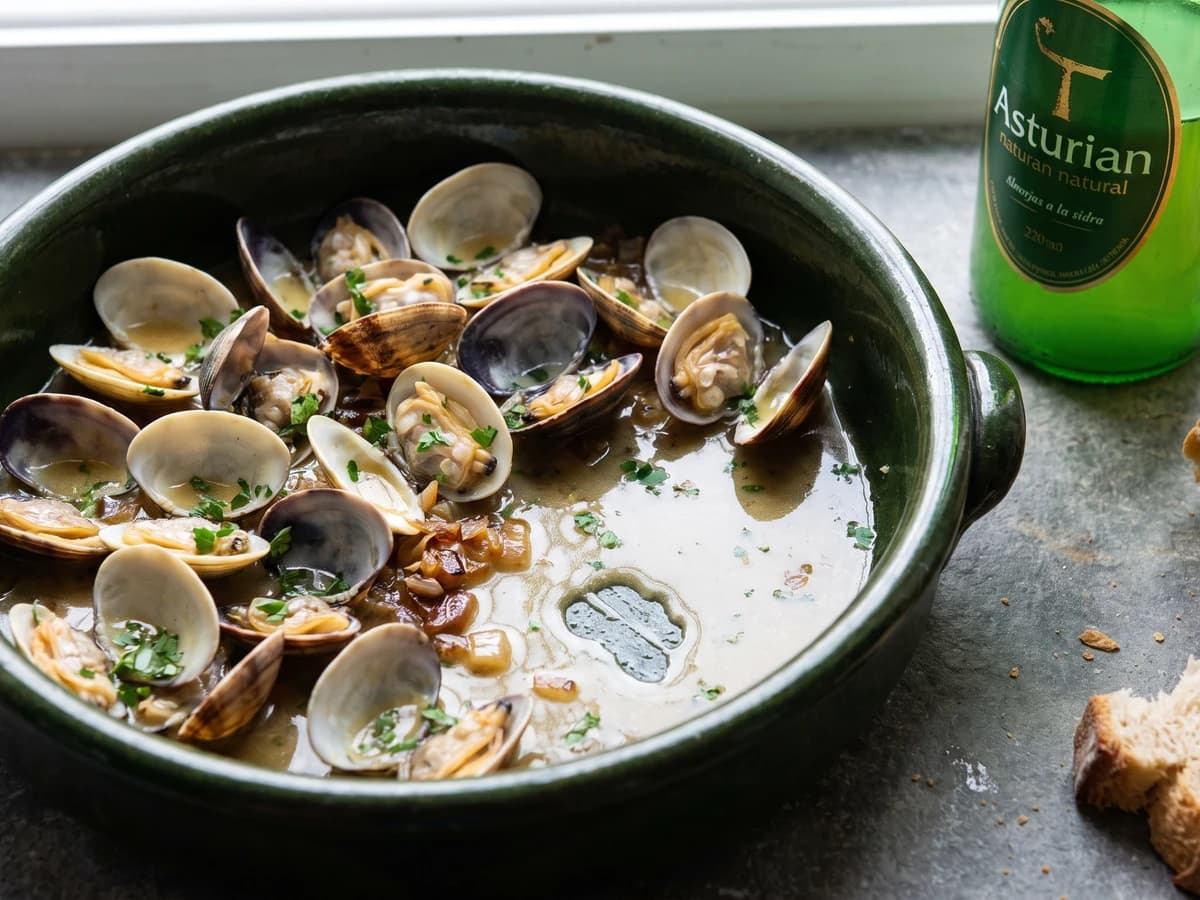
Asturias opens clams in tart natural cider over a slow onion and garlic sofrito, making a bright, briny sauce that asks for bread and rewards one rule: lift each clam as it opens.