Chef Isabel
Abanico Ibérico a la Plancha
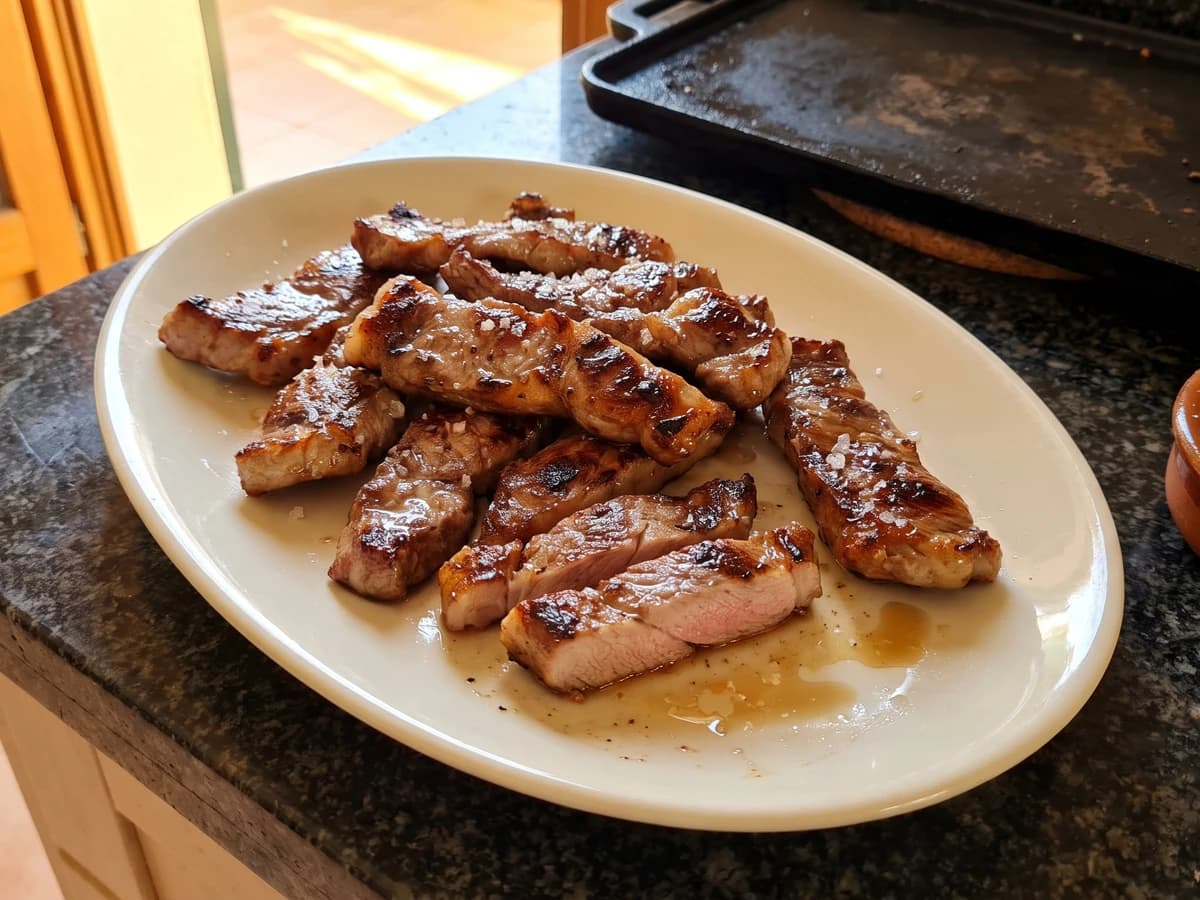
Extremadura's dehesa gives us this fan-shaped, marbled rib cut: salt it at the last moment, lay it on a fierce plancha, and count in seconds so the centre stays juicy.
A cooking platform built around craft, culture, and the stories behind what we eat.
Created by
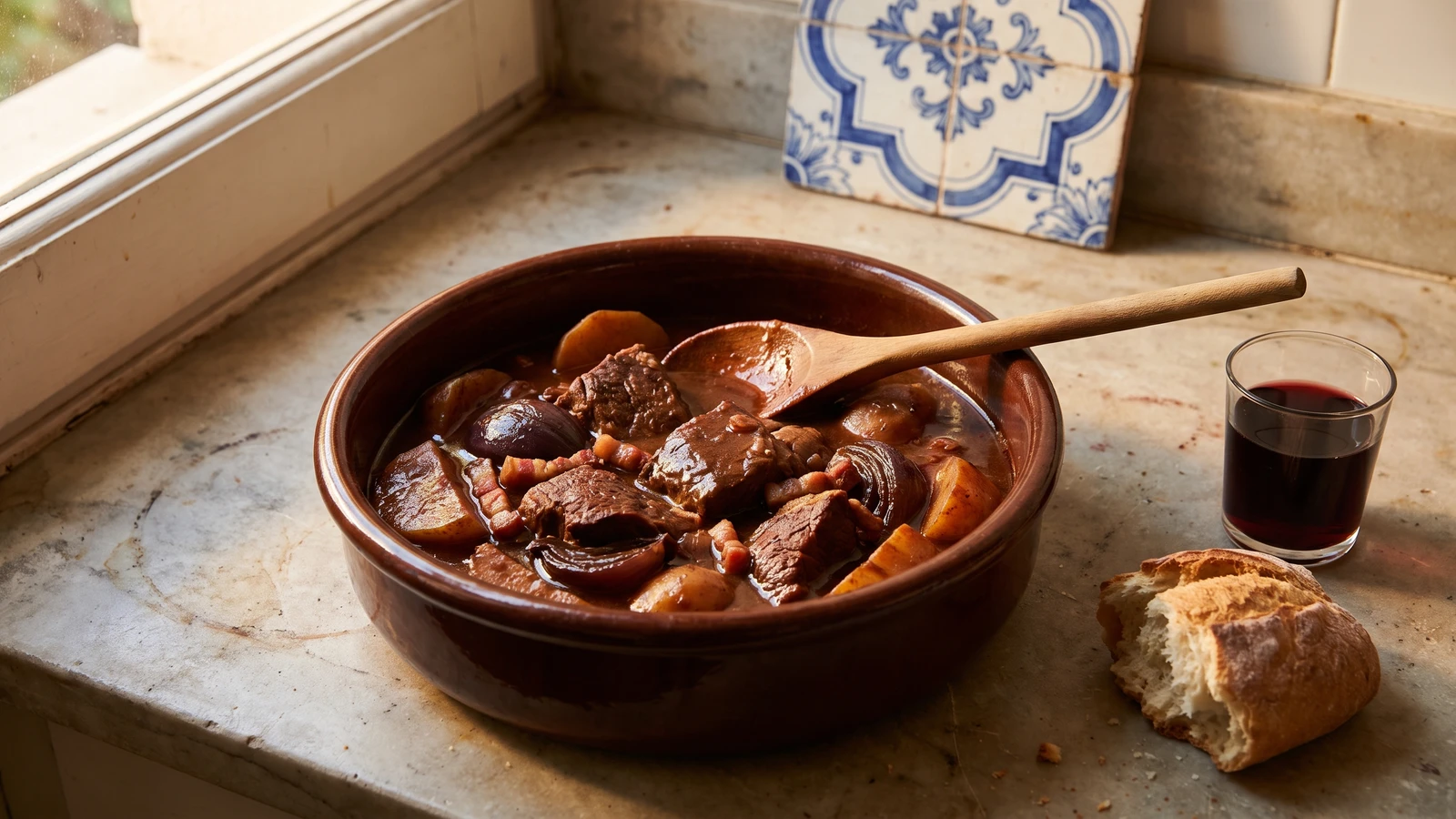
Estofado de Ternera a la Navarra is beef from the Pyrenean edge of Navarra, braised with panceta, red wine, dark onion, and a tiny breath of nutmeg and clove.
Estofado de Ternera a la Navarra belongs to Navarra, where the beef, the cured pork, the wine, and that small old-fashioned touch of spice all sit in the same pot. This isn't just any beef stew with wine thrown at it. The panceta gives it body, the onion gives it sweetness, and the nutmeg and clove should be felt only at the back of the spoon. Too much and you've lost the dish.
The method that decides it is the onion. Cook it low with the panceta fat until it goes dark gold and jammy before the wine goes in. That slow cook is where the warm sweetness comes from. Rush it and the sauce tastes sharp and thin, no matter how good the beef was. Pésalo, no lo adivines, weigh it, don't guess, especially with the spice.
If you can't find ternera de Navarra where you are, use beef chuck, shin, or shoulder, cut thick, the kind that needs time. For panceta, use unsmoked slab bacon or Italian pancetta; if all you have is smoked bacon, use less, because it talks louder than it should. A young Garnacha or Tempranillo stands in well for Navarra red wine. No hace falta haber pisado España. Con buenos ingredientes y paciencia, siempre sale, si lo sigues.
Navarra's cooking sits between the Pyrenean valleys and the Ebro plain, so its home stews draw from both: cattle and preserved pork from the mountain side, vegetables and wine from the river lands. Estofados like this belong to cocina de cuchara, spoon food, the practical household cooking that made tougher cuts of meat tender over a slow fire. The light use of clove and nutmeg reflects an older habit in northern meat stews, where warm spice was used sparingly to round wine and onion, never to make the dish sweet.
Quantity
1.2kg
cut into 4cm pieces
Quantity
8g, plus more to taste
Quantity
1/2 teaspoon
Quantity
30g
Quantity
45ml
Quantity
150g
cut into 1cm lardons
Quantity
350g
finely chopped
Quantity
180g
cut into thick coins
Quantity
3
minced
Quantity
1
Quantity
1
Quantity
1/8 teaspoon
Quantity
250ml
Quantity
500ml
Quantity
500g
peeled and cracked into 4cm chunks
| Ingredient | Quantity |
|---|---|
| beef chuck, shin, or shouldercut into 4cm pieces | 1.2kg |
| fine sea salt | 8g, plus more to taste |
| freshly ground black pepper | 1/2 teaspoon |
| plain flour | 30g |
| olive oil | 45ml |
| panceta or unsmoked slab baconcut into 1cm lardons | 150g |
| onionsfinely chopped | 350g |
| carrotscut into thick coins | 180g |
| garlic clovesminced | 3 |
| bay leaf | 1 |
| whole clove | 1 |
| freshly grated nutmeg | 1/8 teaspoon |
| young red Navarra wine, or young Garnacha or Tempranillo | 250ml |
| hot beef stock or water | 500ml |
| waxy potatoespeeled and cracked into 4cm chunks | 500g |
Pat the beef dry. Toss it with the salt and pepper, then dust it with the flour and shake off the excess. You want the lightest coat, just enough to help the sauce cling later. Too much flour gives you a dull, pasty stew, and nobody asked for that.
Heat the olive oil in a wide heavy pot over medium-high heat. Brown the beef in two or three batches, turning only when the pieces have taken on a deep brown crust in patches, about 6 to 8 minutes per batch. Lift the beef to a plate. Leave the browned bits in the pot; they belong to the sauce.
Lower the heat to medium-low. Add the panceta and cook until its fat runs clear and the edges turn golden, 6 to 8 minutes. Add the onions and carrots with a pinch of salt, then cook slowly for 25 to 30 minutes, stirring often, until the onion is dark gold, soft, and jammy. Add the garlic for the last minute. This is the step that decides the stew.
Add the bay leaf, the single whole clove, and the nutmeg. Pour in the wine and scrape the bottom of the pot with a wooden spoon until the browned bits loosen. Let the wine bubble down for 4 to 5 minutes, until the sharp alcohol smell passes and the liquid looks glossy around the onion.
Return the beef and any juices to the pot. Add enough hot stock or water to barely cover the meat, about 500ml, and bring it to the gentlest bubble. Cover with the lid slightly ajar and cook over low heat for 1 hour 35 minutes, stirring now and then. The sauce should move lazily, not boil hard. Hard boiling tightens the meat before it has time to soften.
Add the cracked potatoes and tuck them into the sauce. Cook uncovered or partly covered for 35 to 45 minutes more, until the potatoes are tender and the beef breaks with a spoon. If the sauce gets too thick before the potatoes are done, add a small splash of hot water. If it is thin at the end, simmer uncovered for a few minutes until it coats the spoon.
Remove the bay leaf and the clove if you can find it. Taste for salt, then let the stew rest off the heat for 15 minutes before serving. The fat settles, the sauce gathers itself, and the spice quiets into the beef. Serve in deep bowls, with bread for the sauce.
1 serving (about 540g)
Culinary guides, cultural storytelling, and the editorial depth that makes cooking meaningful.
Discover Culinary ExplorerChef Isabel
Extremadura's dehesa gives us this fan-shaped, marbled rib cut: salt it at the last moment, lay it on a fierce plancha, and count in seconds so the centre stays juicy.
Chef Isabel
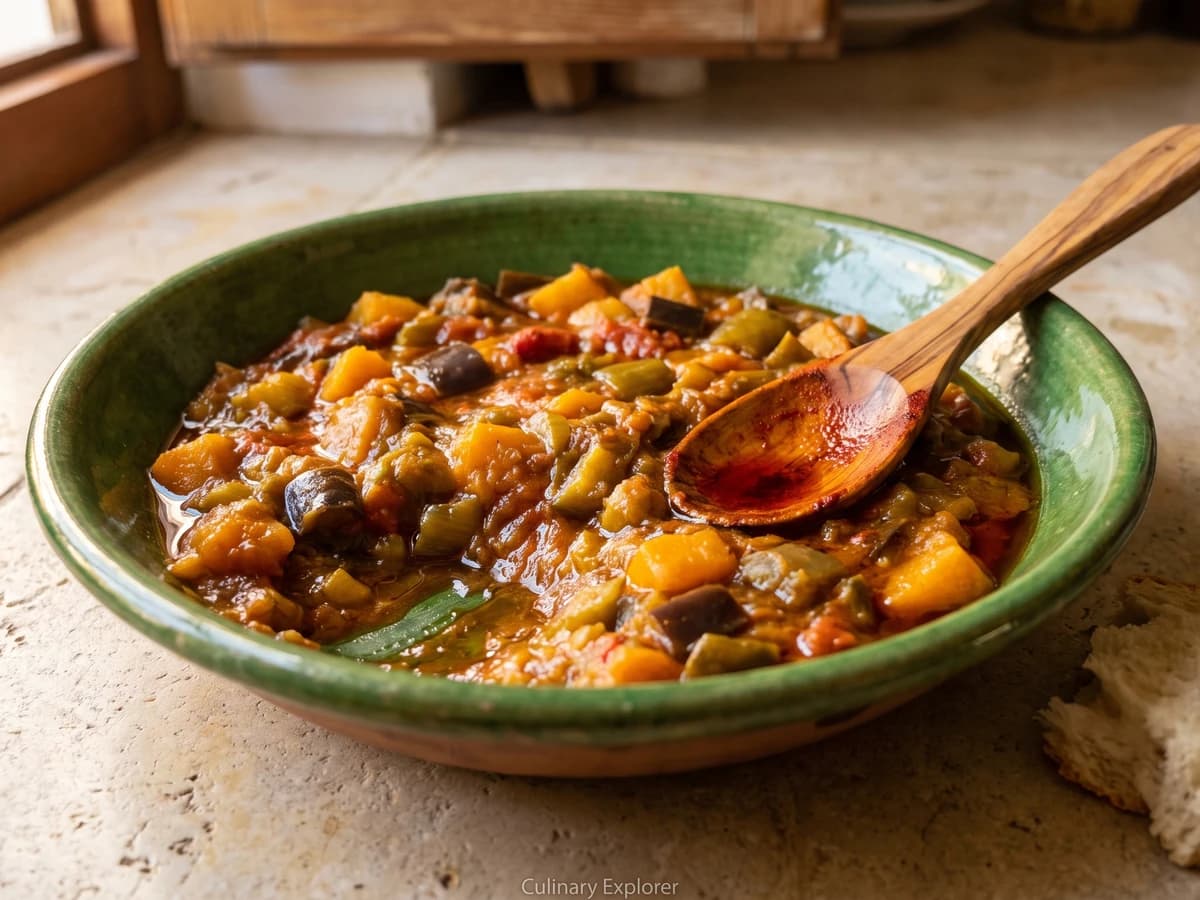
Alboronía is Andalucía's old pumpkin and aubergine stew, deepened with tomato, pimentón, and cumin, then cooked without hurry until the vegetables settle into a glossy, sweet, spoon-soft whole.

Chef Isabel
Aletría Murciana is Murcia's humble noodle guiso: fine fideos, pork ribs, potato, saffron, and a dark sweet sofrito. Get that base right and the pot knows where it's going.
Chef Isabel
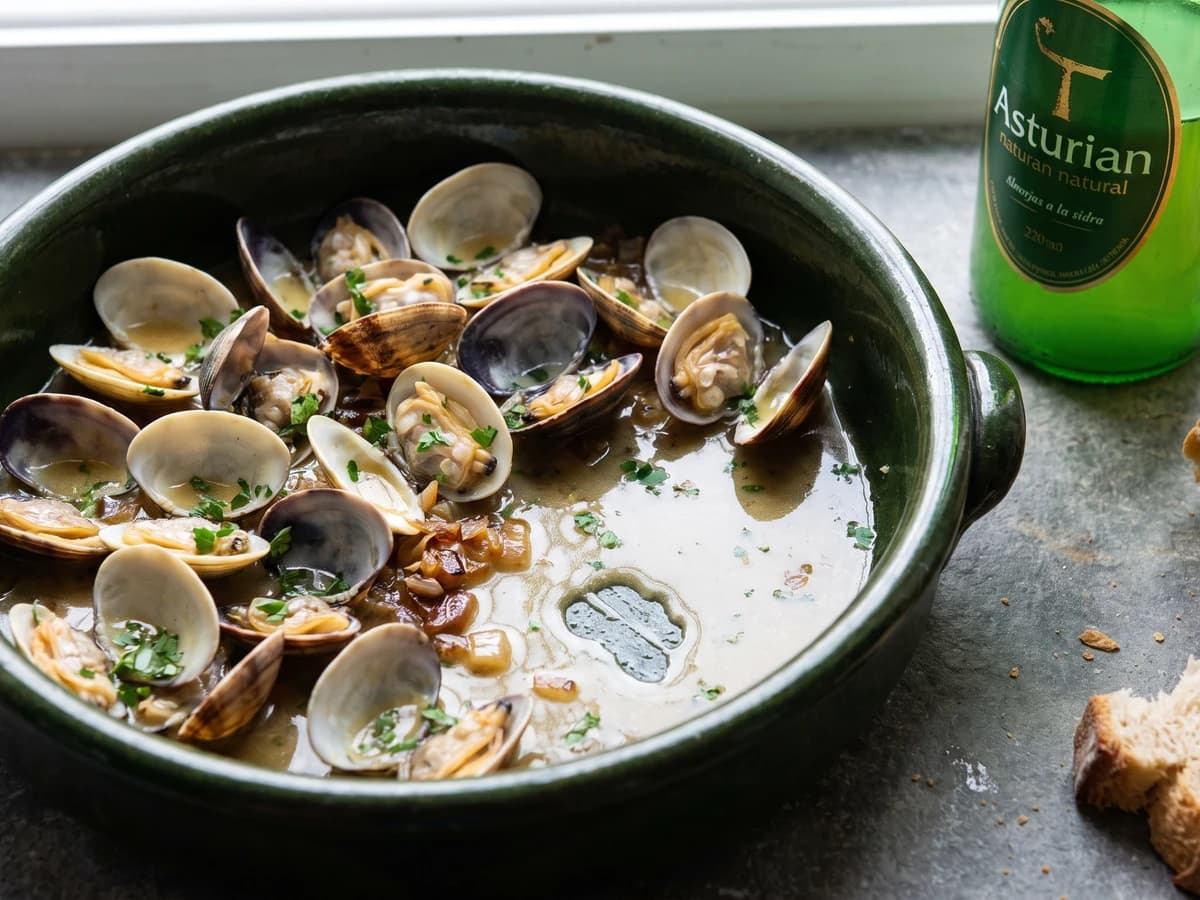
Asturias opens clams in tart natural cider over a slow onion and garlic sofrito, making a bright, briny sauce that asks for bread and rewards one rule: lift each clam as it opens.