Chef Isabel
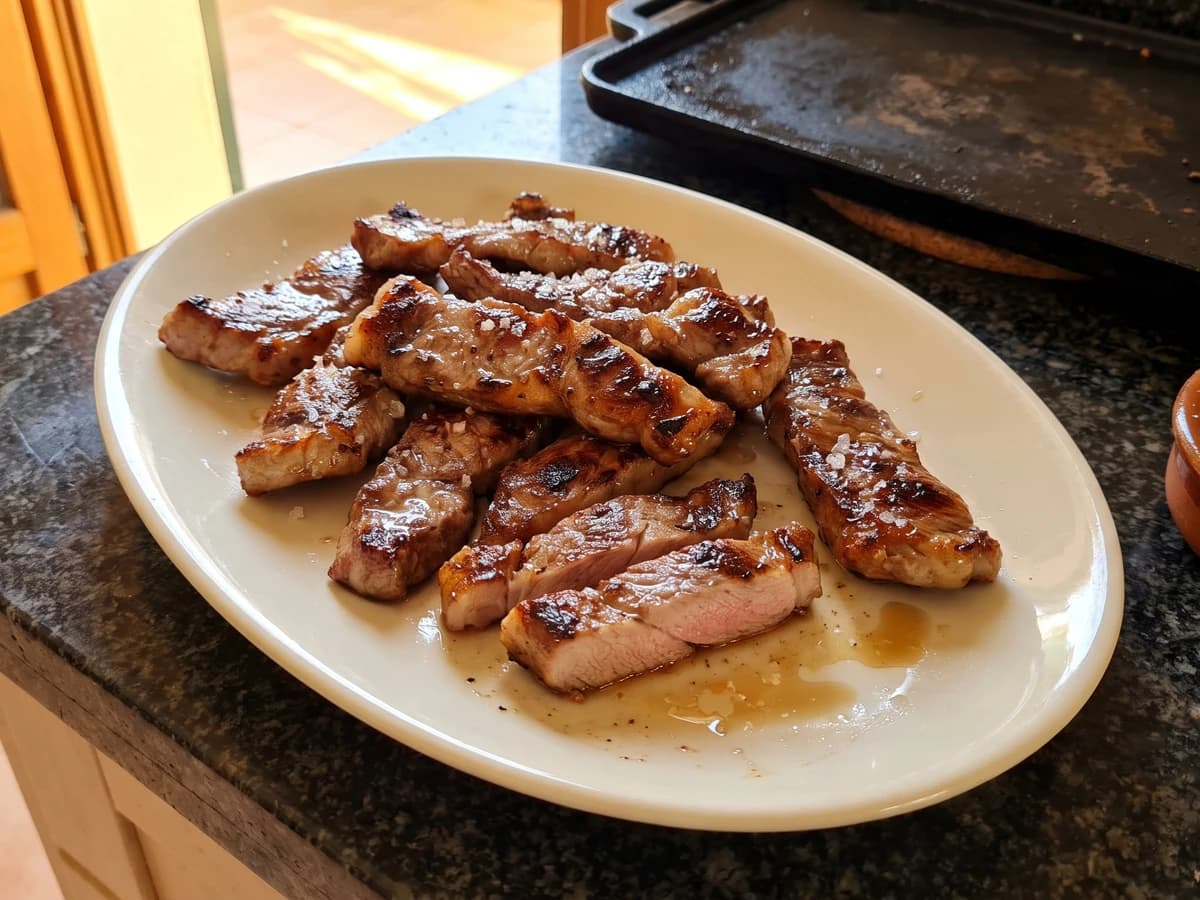
Abanico Ibérico a la Plancha
Extremadura's dehesa gives us this fan-shaped, marbled rib cut: salt it at the last moment, lay it on a fierce plancha, and count in seconds so the centre stays juicy.
A cooking platform built around craft, culture, and the stories behind what we eat.
Created by
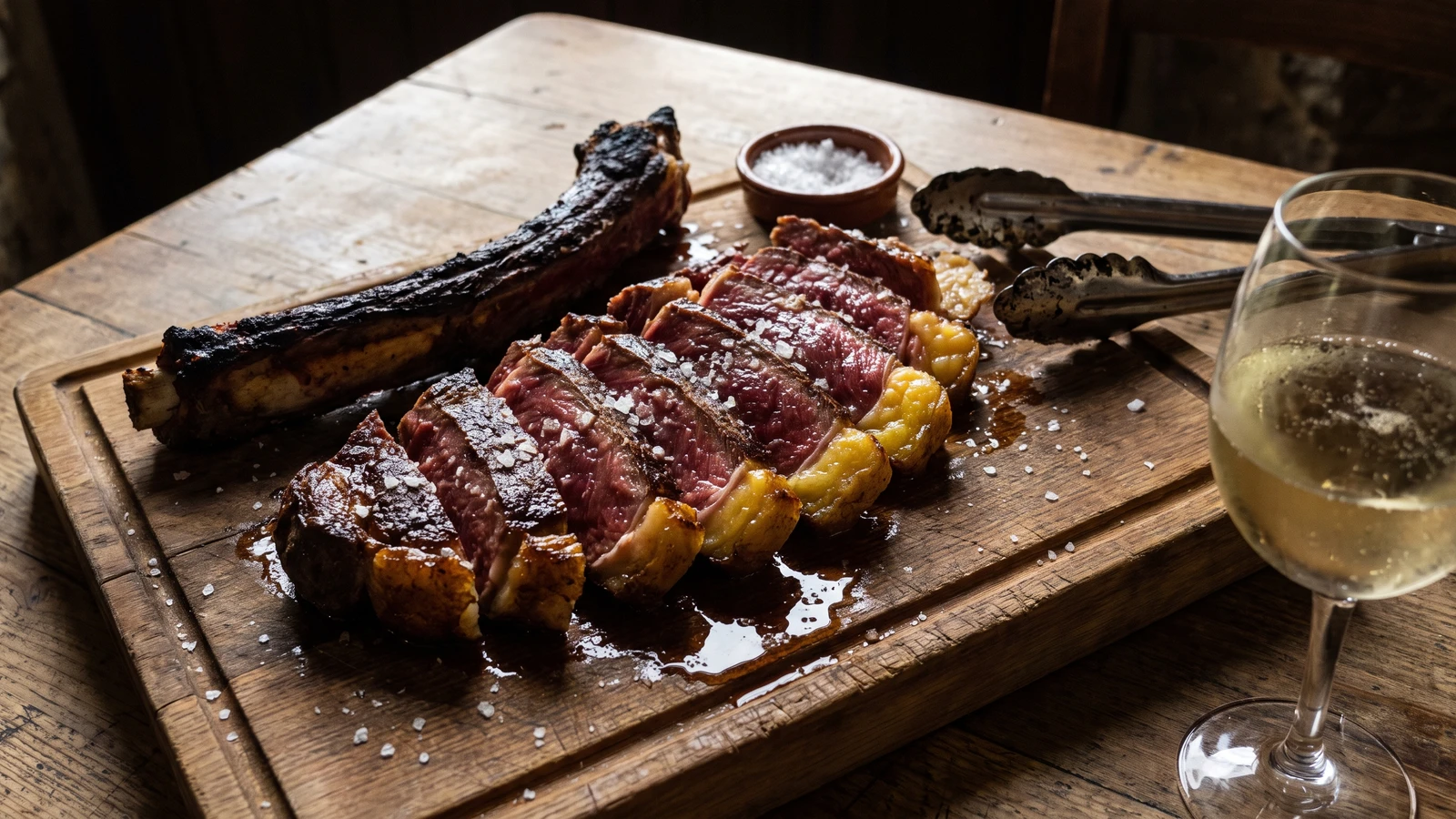
Chuletón de vaca vieja is Basque asador cooking at its plainest: an old-cow rib chop, hard-seared over coals, carved from the bone, and served rare with coarse salt.
Chuletón de vaca vieja is Basque, the great txuleta of the asador: a thick rib chop from an old cow, aged until the meat tastes deep and the fat has gone yellow. This is not a thin steak flashed in a pan and fussed over. It is beef, salt, fire, and nerve.
The method that decides it is the heat. The outside needs a fierce sear, almost black at the edges, while the middle stays rare and warm, not grey. Salt it generously, grill it hard, then rest it before you cut it from the bone and slice it thick across the grain. The fat should glisten and the meat should run red. That is the dish.
If you are far from the Basque Country, ask for a 5 to 6cm thick bone-in ribeye from mature, well-marbled beef, dry-aged if possible. It won't have quite the same dairy-cow depth or that yellow fat, but it will still give you the shape of the dish if the chop is thick and the heat is honest. No sauce. No marinade. The beef has already done the work.
Use a probe if your nerves need one. Nadie nace sabiendo. Pull it at 46 to 48C for rare, let it rest, and slice it on a warm board with more salt at the table. Siempre sale, si lo sigues.
Chuletón, often called txuleta in the Basque Country, belongs to the asadores of Gipuzkoa and Bizkaia, where thick rib chops are cooked over hardwood embers and served simply carved from the bone. The prized meat traditionally comes from vaca vieja, an older cow whose fat and flavour have had time to develop after years in milk or pasture. Basque grill houses made a virtue of restraint: good mature beef, coarse salt, fierce heat, and no sauce to hide the animal.
Quantity
1.1 to 1.3kg
5 to 6cm thick
Quantity
18g, plus more for serving
Quantity
1 teaspoon
only for cast iron cooking
| Ingredient | Quantity |
|---|---|
| bone-in rib chop from mature beef, preferably vaca vieja or dry-aged ribeye5 to 6cm thick | 1.1 to 1.3kg |
| coarse sea salt | 18g, plus more for serving |
| olive oil (optional)only for cast iron cooking | 1 teaspoon |
Take the chuletón out of the refrigerator 30 minutes before cooking, no longer if your kitchen is warm. Pat it dry all over. A dry surface browns; a wet one steams in its own water and wastes the heat you worked to build.
Light hardwood charcoal and wait until the coals are fully lit, glowing, and covered with a light ash. Set the grate close enough that the chop sears hard at once. If you are cooking indoors, heat a heavy cast iron pan until a drop of water jumps and vanishes, then film it with the teaspoon of oil.
Salt the chop generously on both faces, using about 18g coarse salt in all. Lay it over the coals or into the pan and leave it alone for 4 to 5 minutes, until the first side is deeply browned with dark char at the fat edge. Turn it once and cook the second side for another 4 to 5 minutes.
Stand the chop briefly on its fat edge with tongs for 1 to 2 minutes, so the fat softens and browns. Check the thickest part with a probe: pull it at 46 to 48C for rare. If you like it less red, take it to 52C, but don't ask this cut to be well done. That is a waste of a good animal.
Move the chop to a warm board and rest it for 8 to 10 minutes. Cut the meat away from the bone, then slice it across the grain into thick strips, about 1cm wide. Return the slices beside the bone, spoon over any juices from the board, and finish with a little more coarse salt.
Serve immediately, with the meat rare, glossy, and warm in the centre. Put the salt on the table and let each person take from the board. Tal como se hace allí: nothing to distract from the beef.
1 serving (about 300g)
Culinary guides, cultural storytelling, and the editorial depth that makes cooking meaningful.
Discover Culinary ExplorerChef Isabel
Extremadura's dehesa gives us this fan-shaped, marbled rib cut: salt it at the last moment, lay it on a fierce plancha, and count in seconds so the centre stays juicy.
Chef Isabel
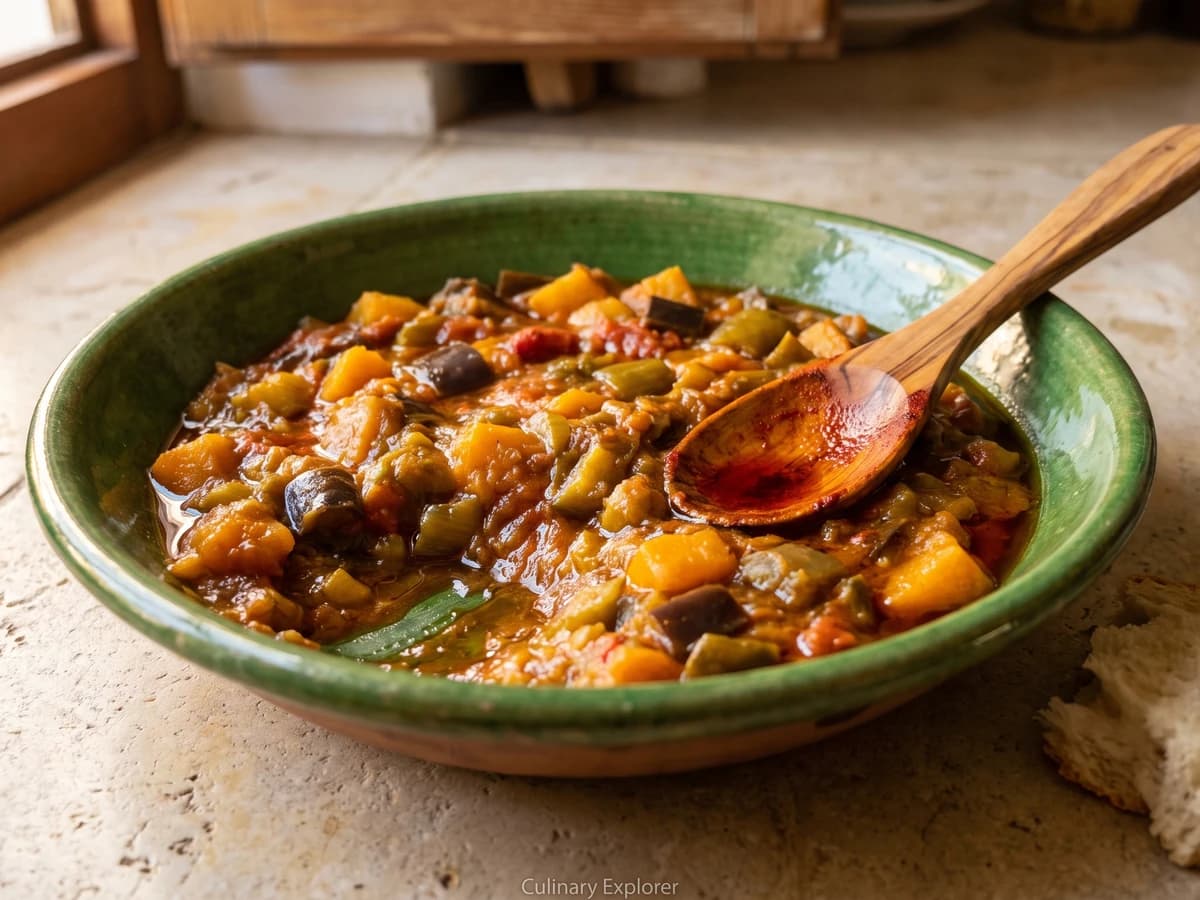
Alboronía is Andalucía's old pumpkin and aubergine stew, deepened with tomato, pimentón, and cumin, then cooked without hurry until the vegetables settle into a glossy, sweet, spoon-soft whole.

Chef Isabel
Aletría Murciana is Murcia's humble noodle guiso: fine fideos, pork ribs, potato, saffron, and a dark sweet sofrito. Get that base right and the pot knows where it's going.
Chef Isabel
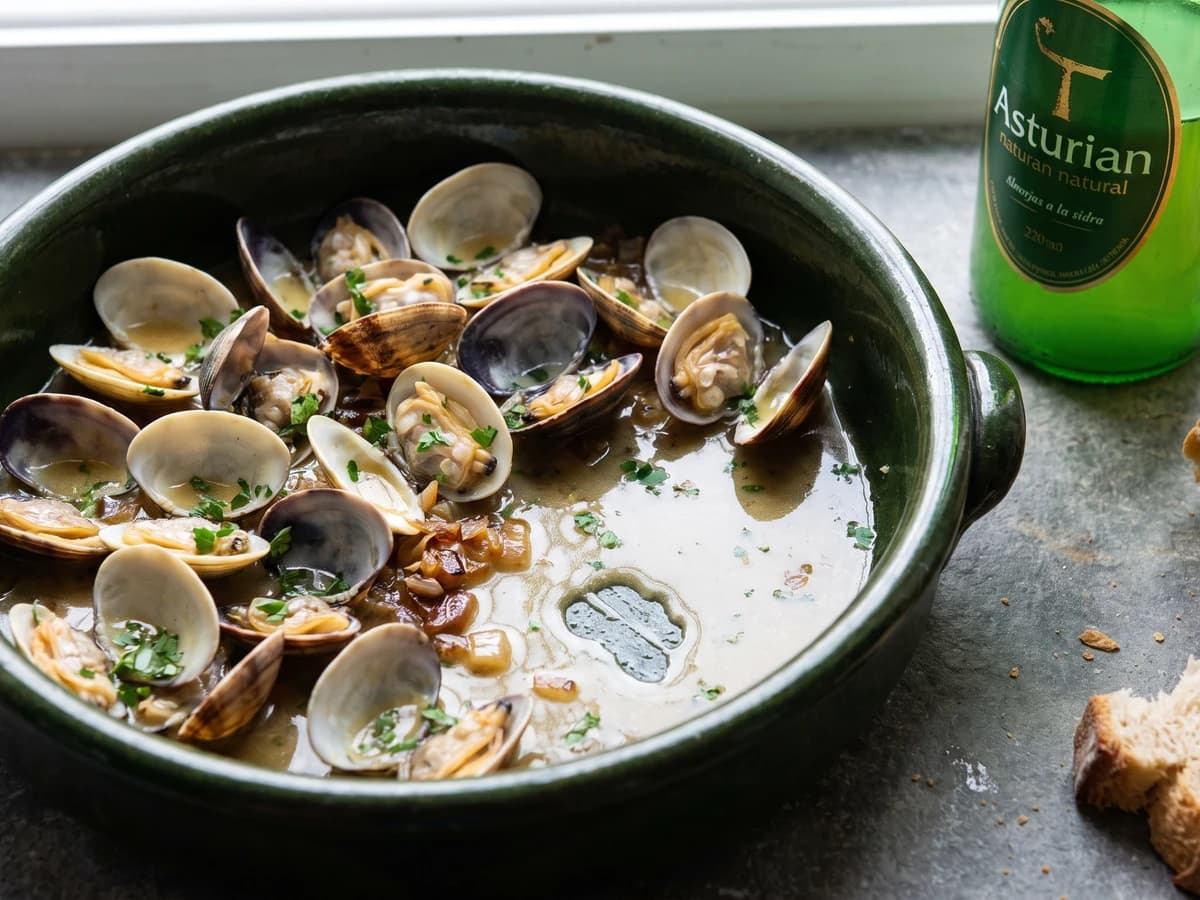
Asturias opens clams in tart natural cider over a slow onion and garlic sofrito, making a bright, briny sauce that asks for bread and rewards one rule: lift each clam as it opens.