Chef Isabel
Abanico Ibérico a la Plancha
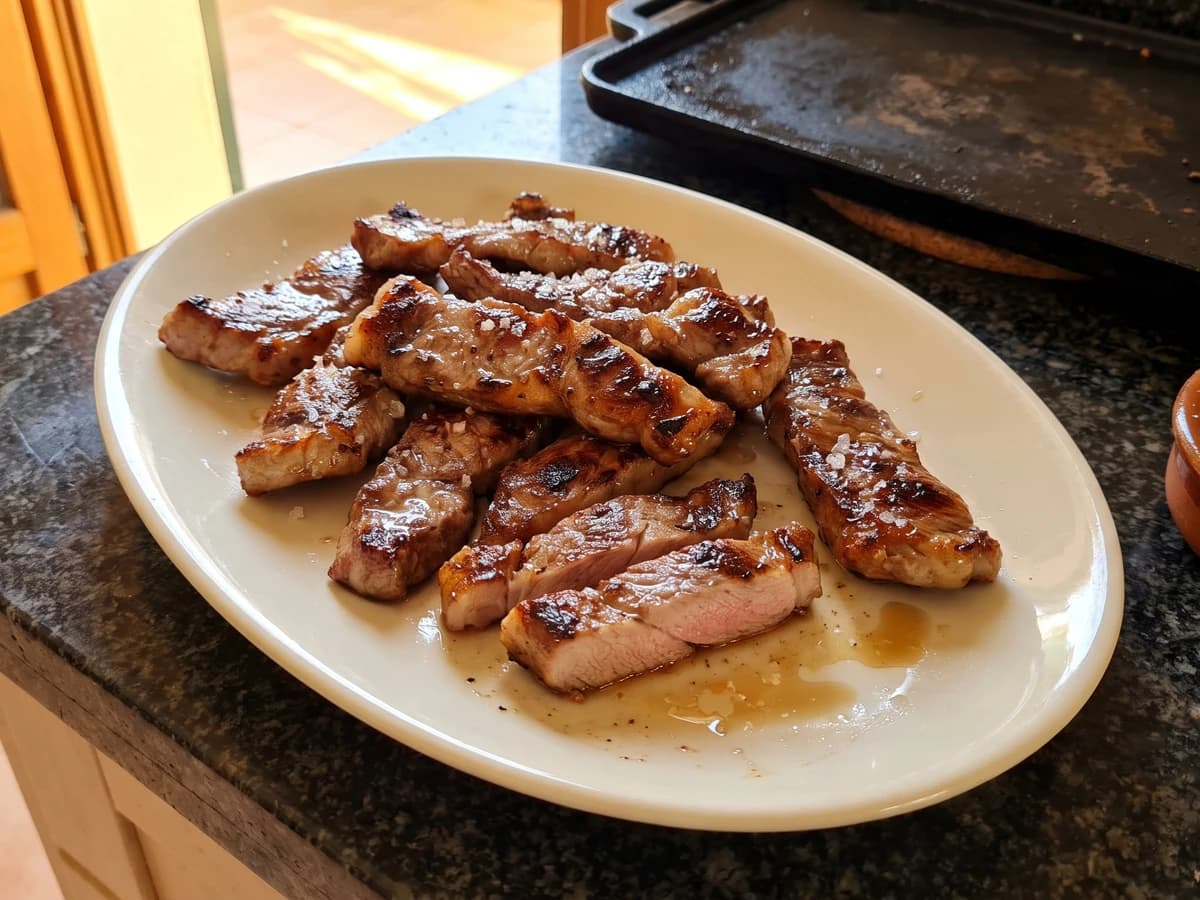
Extremadura's dehesa gives us this fan-shaped, marbled rib cut: salt it at the last moment, lay it on a fierce plancha, and count in seconds so the centre stays juicy.
A cooking platform built around craft, culture, and the stories behind what we eat.
Created by
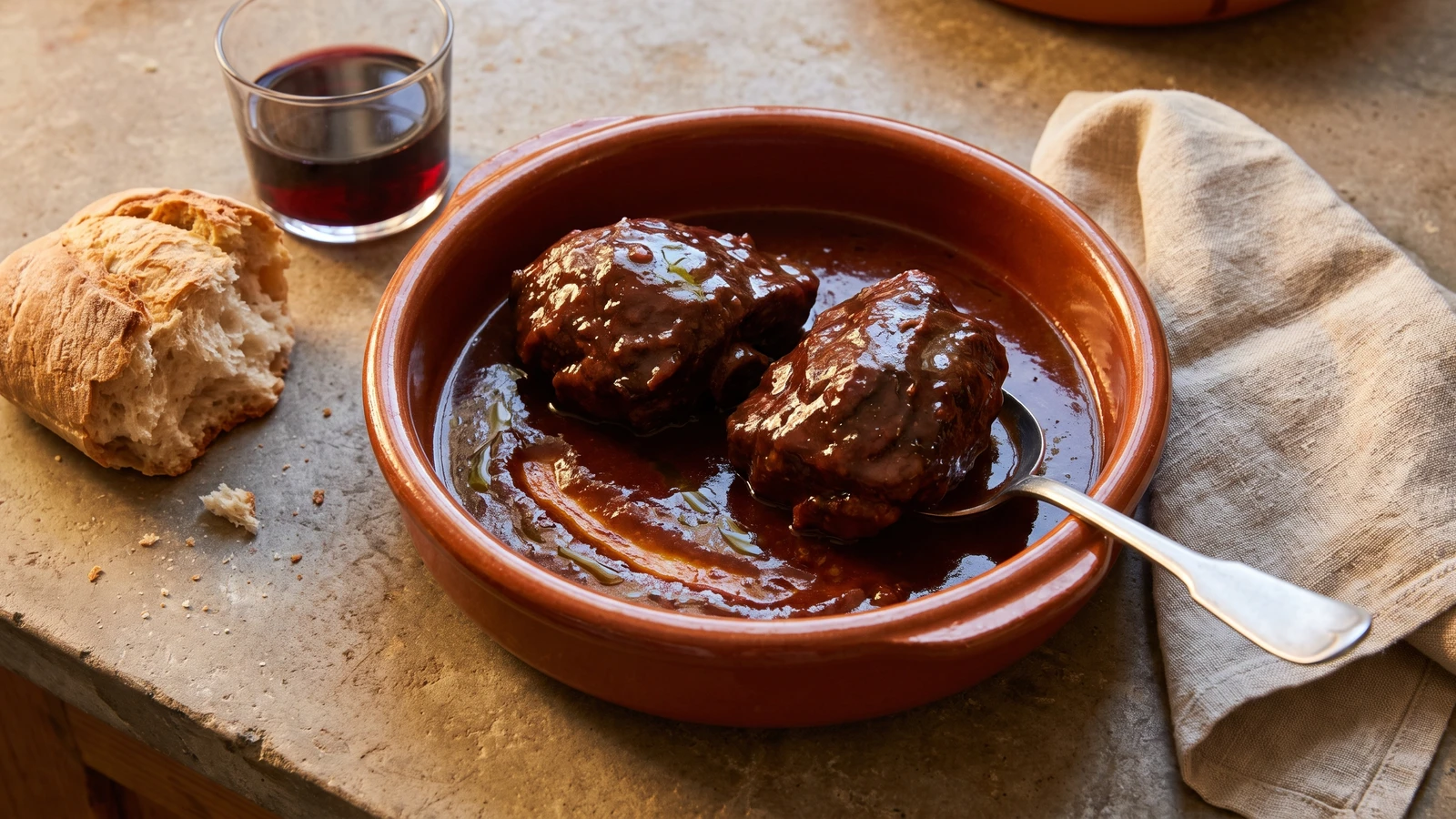
Carrilleras al vino tinto are Castilla y Leon's kind of patience: beef cheeks, red wine, and a slow sofrito cooked down until the sauce turns glossy and the meat gives to a spoon.
Carrilleras al vino tinto are Castilian, the kind of dish Castilla y Leon understands well: a humble cut, good red wine, and enough time to turn toughness into silk. The cheek is not a steak pretending to be tender. It is a working muscle full of collagen, and that is exactly why it gives you such a deep, glossy sauce when you cook it low and long.
The method that decides it is the sofrito, the slow onion base. Cook the onion, carrot, leek, and garlic until they are dark gold and sweet before the wine ever goes in. Rush that part and the sauce tastes sharp and thin, no matter how long the meat braises. Brown the cheeks properly too, but don't confuse color with haste. This dish rewards the cook who lets each step finish.
Use a dry Spanish red if you can, Ribera del Duero, Toro, or Rioja will all do the work. If you're far from Spain, use any honest dry red you would drink at the table, not a sweet bottle and not cooking wine. Beef cheeks are worth asking a butcher for; pork cheeks work too, but they cook faster and taste softer. No hace falta haber pisado España. Follow the heat, follow the timing, and it comes out. Siempre sale, si lo sigues.
In the Margin beside this one I write the same warning every time: do not boil it hard. A gentle braise melts the cheek. A hard boil tightens it before it has a chance to surrender.
Carrilleras belong to the Spanish habit of casqueria, the careful use of cuts once considered modest but prized by cooks who knew how to handle them. In Castilla y Leon, where strong red wines from Ribera del Duero and Toro sit naturally beside beef, lamb, and slow stews, cheek meat found its place in the home pot and the inn kitchen alike. The dish is now cooked across Spain, but the Castilian version keeps its character in the dark wine sauce, the patient sofrito, and the meat cooked until it yields without a knife.
Quantity
1kg
trimmed of silverskin
Quantity
10g
Quantity
2 tablespoons
for dusting
Quantity
4 tablespoons
Quantity
250g
finely chopped
Quantity
150g
finely chopped
Quantity
120g
finely chopped
Quantity
4 cloves
finely chopped
Quantity
1 tablespoon
Quantity
500ml
Quantity
300ml
Quantity
1
Quantity
1 sprig
Quantity
6
Quantity
1 teaspoon
Quantity
to taste
Quantity
to taste
| Ingredient | Quantity |
|---|---|
| beef cheekstrimmed of silverskin | 1kg |
| fine salt | 10g |
| plain flourfor dusting | 2 tablespoons |
| olive oil | 4 tablespoons |
| onionfinely chopped | 250g |
| carrotfinely chopped | 150g |
| leekfinely chopped | 120g |
| garlicfinely chopped | 4 cloves |
| tomato paste | 1 tablespoon |
| dry red wine | 500ml |
| beef stock or water | 300ml |
| bay leaf | 1 |
| thyme | 1 sprig |
| black peppercorns | 6 |
| sweet pimenton de la Vera | 1 teaspoon |
| salt | to taste |
| black pepper | to taste |
Trim away the tough silverskin from the beef cheeks, or ask the butcher to do it. Cut very large cheeks in half so the pieces are roughly even. Salt them with the 10g fine salt and let them sit while you chop the vegetables. Pésalo, no lo adivines; the cheek is thick meat and needs seasoning all the way through.
Pat the cheeks dry, dust them lightly with flour, and shake off the excess. Heat the olive oil in a heavy casserole over medium-high heat and brown the cheeks well on all sides, about 8 to 10 minutes total. Take your time here. The dark bits left in the pot are the beginning of the sauce, not dirt to be washed away.
Lower the heat to medium-low and add the onion, carrot, leek, and garlic to the same pot with a pinch of salt. Cook slowly for 20 to 25 minutes, stirring now and then, until the vegetables collapse, turn dark gold, and smell sweet. This sofrito, the slow onion base, is what gives the sauce its body. Rush it and the wine stays sharp.
Stir in the tomato paste and cook it for 2 minutes until it darkens slightly. Add the pimenton off the hottest part of the heat and stir just until fragrant, then pour in the red wine. Scrape the bottom of the pot clean with a wooden spoon and simmer the wine for 8 to 10 minutes, until the harsh alcohol smell is gone and the liquid has reduced by about a third.
Return the cheeks to the pot with any juices, add the beef stock or water, bay leaf, thyme, and peppercorns, and bring the liquid just to a gentle bubble. Cover with the lid slightly ajar and cook on low heat for 2 to 2 1/2 hours, turning the meat once or twice, until a spoon presses into it with no fight. Do not let it boil hard. A cheek needs patience, not punishment.
Lift the cheeks to a warm plate and discard the bay leaf and thyme stem. Blend the sauce until smooth, then simmer it uncovered for 5 to 10 minutes until it coats the back of a spoon and shines. Taste for salt and black pepper. Return the cheeks to the sauce and let them sit there 10 minutes before serving, so the meat drinks back a little of what it gave.
Serve the carrilleras with the sauce spooned over, alongside mashed potato, fried potatoes, or a simple puree of root vegetables. The meat should pull apart with a spoon and the sauce should be dark, glossy, and thick enough to cling. Tal como se hace alli: no decoration needed, just bread for the plate.
1 serving (about 375g)
Culinary guides, cultural storytelling, and the editorial depth that makes cooking meaningful.
Discover Culinary ExplorerChef Isabel
Extremadura's dehesa gives us this fan-shaped, marbled rib cut: salt it at the last moment, lay it on a fierce plancha, and count in seconds so the centre stays juicy.
Chef Isabel
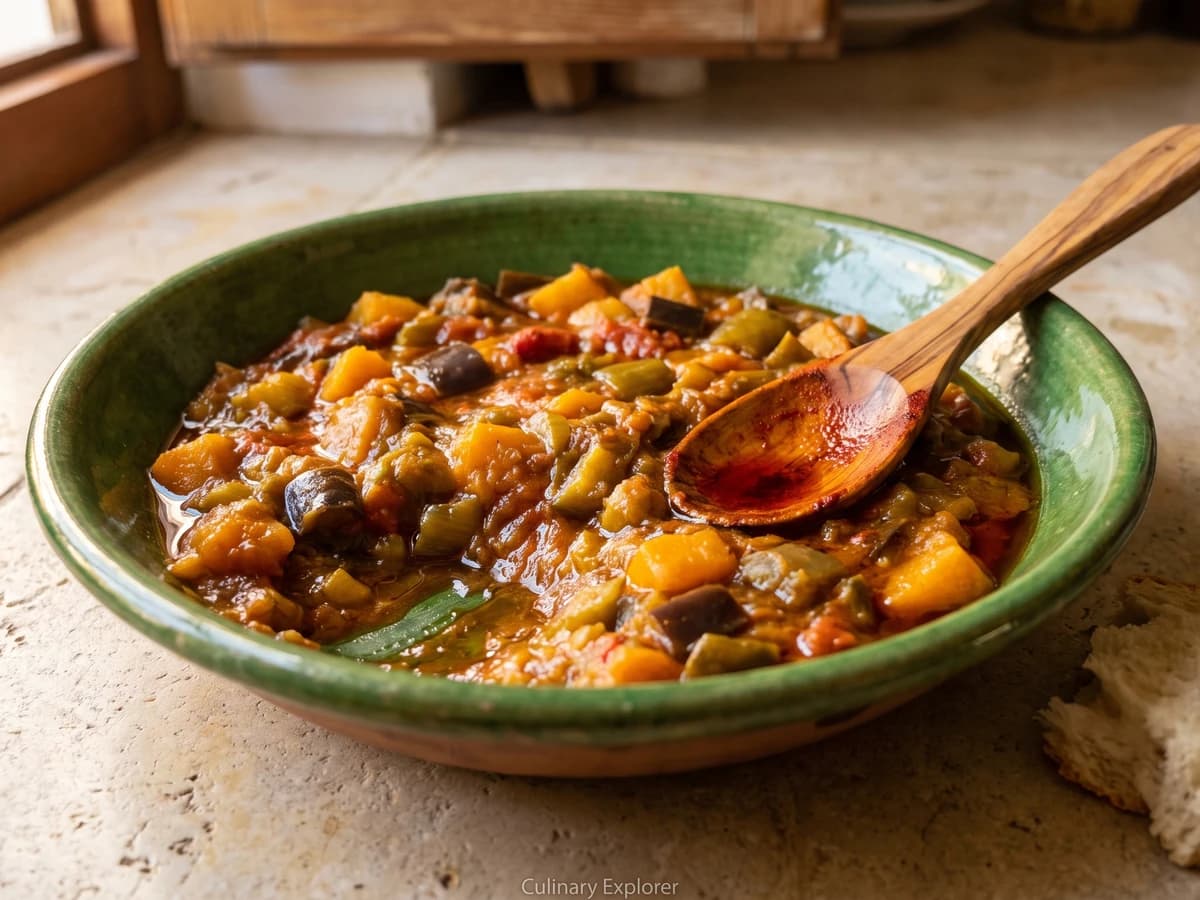
Alboronía is Andalucía's old pumpkin and aubergine stew, deepened with tomato, pimentón, and cumin, then cooked without hurry until the vegetables settle into a glossy, sweet, spoon-soft whole.

Chef Isabel
Aletría Murciana is Murcia's humble noodle guiso: fine fideos, pork ribs, potato, saffron, and a dark sweet sofrito. Get that base right and the pot knows where it's going.
Chef Isabel
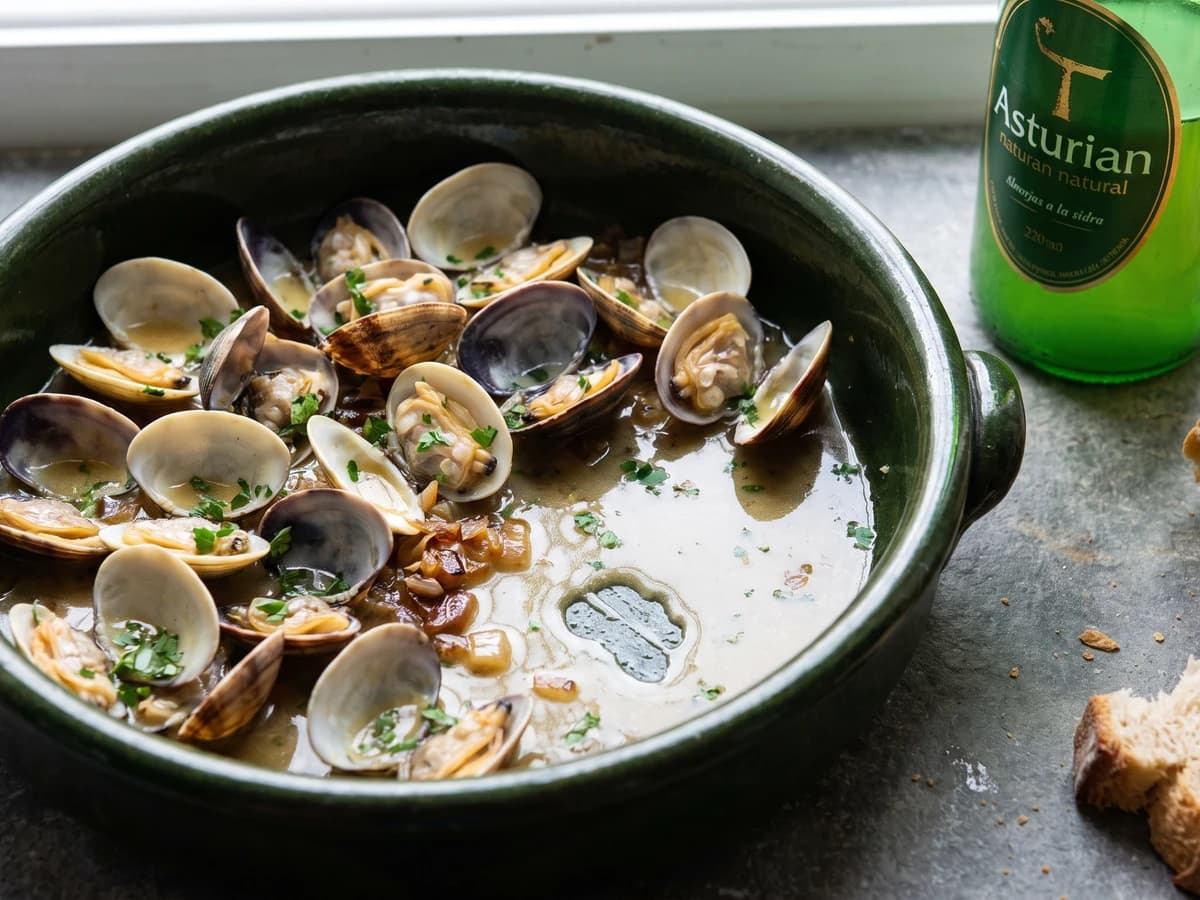
Asturias opens clams in tart natural cider over a slow onion and garlic sofrito, making a bright, briny sauce that asks for bread and rewards one rule: lift each clam as it opens.