Chef Juliette
Ordinary or White Consommé
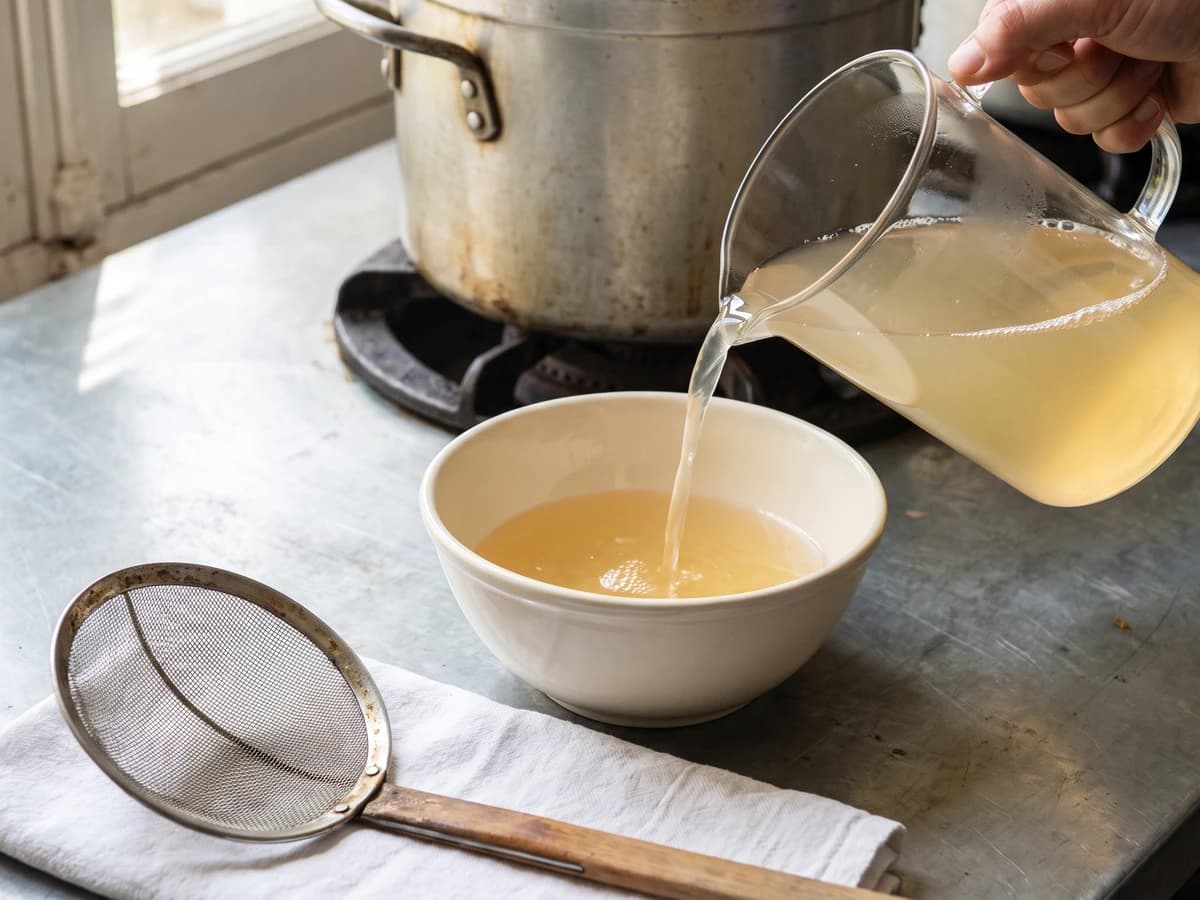
Beef shin, lean beef, and fowl begin in cold water and rise slowly toward a tremble. Skim before the boil, and you learn the quiet discipline that gives every clear French broth its backbone.
A cooking platform built around craft, culture, and the stories behind what we eat.
Created by Chef Juliette
Based on No. 93, Mousseuse Sauce, from Le Guide Culinaire (1907) by Auguste Escoffier
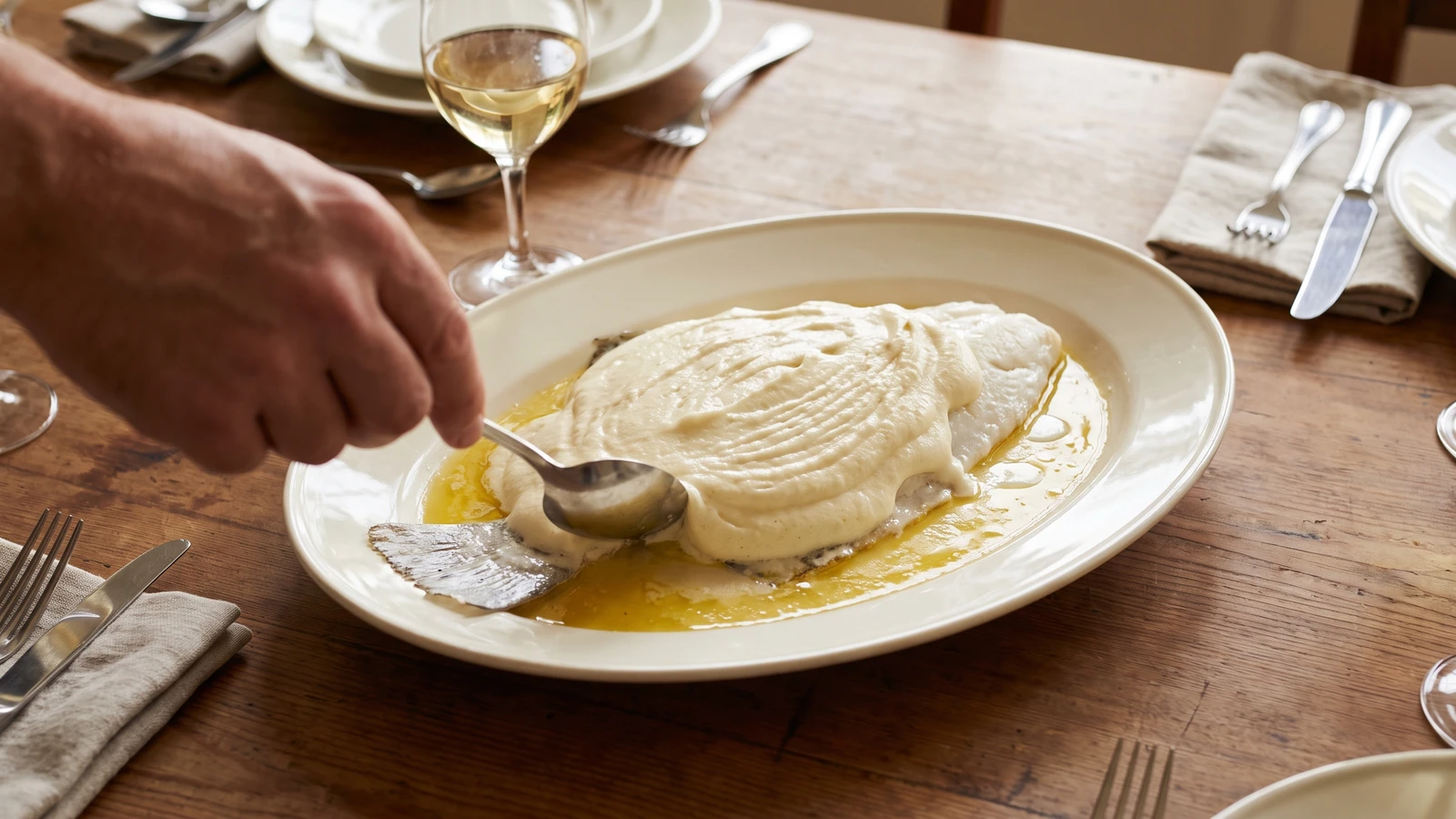
A cool, aerated compound butter that becomes sauce only on the fish: cold water, firm cream, and softened Manied Butter whisked into an ivory mousse, ready for the heat of the platter.
Sauce Mousseuse (foamed butter sauce) teaches one true thing before you touch the pan: temperature is an ingredient. The butter mixture must be soft enough to accept cold water without melting, the cream must hold its air, and the boiled fish must arrive hot enough to turn the finished mousse into sauce at the table.
The original expected a saucier, a scalded vegetable pan, and firm whipped cream already waiting on the station. At home, a small stainless-steel saucepan and a narrow cup do precisely the work required. The book's half-pound base is halved here for four fish portions, while its ratio and sequence remain intact. Ready-whipped cream was brigade scaffolding. The gradual cold-water emulsion and the final fold are the dish, and those stay.
Watch the butter as the water enters. It should become paler and lighter while remaining smooth, never oily and never flooded. If the temperature slips, stop before adding more water and correct it as directed. Ça se rattrape. This quiet emulsion is the step that decides everything.
Sauce Mousseuse belongs to the codified French grand-kitchen repertory rather than to a single regional larder, where it accompanied boiled fish in formal dining-room service. Its great oddity is also its purpose: it is classified as a sauce, but built as a compound butter and sent to the table unmelted, allowing the heat of the fish itself to complete the preparation.
Quantity
1/2 cup (120 ml / 113 g) Manied Butter (No. 151)
freshly made and softened until pliable
Quantity
6 tablespoons plus 1 teaspoon (95 ml / 95 g)
Quantity
1/4 teaspoon (1.25 ml / 1.5 g)
Quantity
5 drops
Quantity
1 tablespoon (15 ml / about 8 g) firmly whipped, from 2 tablespoons (30 ml / 30 g) cold heavy cream
whipped until it holds a firm peak
| Ingredient | Quantity |
|---|---|
| Manied Butterfreshly made and softened until pliable | 1/2 cup (120 ml / 113 g) Manied Butter (No. 151) |
| ice-cold water | 6 tablespoons plus 1 teaspoon (95 ml / 95 g) |
| fine table salt | 1/4 teaspoon (1.25 ml / 1.5 g) |
| fresh lemon juice | 5 drops |
| heavy creamwhipped until it holds a firm peak | 1 tablespoon (15 ml / about 8 g) firmly whipped, from 2 tablespoons (30 ml / 30 g) cold heavy cream |
Chill the measured water thoroughly. Whip the heavy cream in a narrow cup until it holds a short, firm peak, then measure 1 tablespoon of the finished whipped cream and return it to the cold. It must be firm enough to lighten the sauce without watering it.
Fill a small stainless-steel saucepan with boiling water, leave it for 30 seconds, then empty it and wipe it completely dry. The pan should feel gently warm, never hot. Add the properly softened Manied Butter (No. 151) and work it smooth with the whisk. Add the salt and lemon juice, whisking until evenly combined. Use no direct heat.
Whisk in the ice-cold water a teaspoon at a time at first, incorporating each addition completely before adding the next. Once the mixture accepts the water readily, continue in a fine stream. It should grow pale, glossy, and softly aerated while holding its body. If oily beads appear, the pan is too warm; rest its base in cold water for 20 seconds, then whisk gently before continuing. If water pools around stubborn lumps, the mixture is too cold; hold the pan over warm water for two or three seconds and whisk again. Ça se rattrape.
Add the firmly whipped cream and fold it through with broad, gentle turns of the whisk. Stop as soon as the Sauce Mousseuse is even and holds soft ivory ridges. Vigorous whisking now only knocks out the air you have taken the trouble to build. If it loosens, set the pan briefly in cold water and fold once more.
Drain the boiled fish thoroughly and transfer it at once to a warmed platter. Spoon about 1/4 cup of Sauce Mousseuse over each hot portion and serve immediately. Do not melt or heat the sauce separately; the fish alone should soften its ridges into a pale, gleaming pool. À table!
1 serving (about 54g)
Culinary guides, cultural storytelling, and the editorial depth that makes cooking meaningful.
Discover Culinary ExplorerChef Juliette
Beef shin, lean beef, and fowl begin in cold water and rise slowly toward a tremble. Skim before the boil, and you learn the quiet discipline that gives every clear French broth its backbone.
Chef Juliette
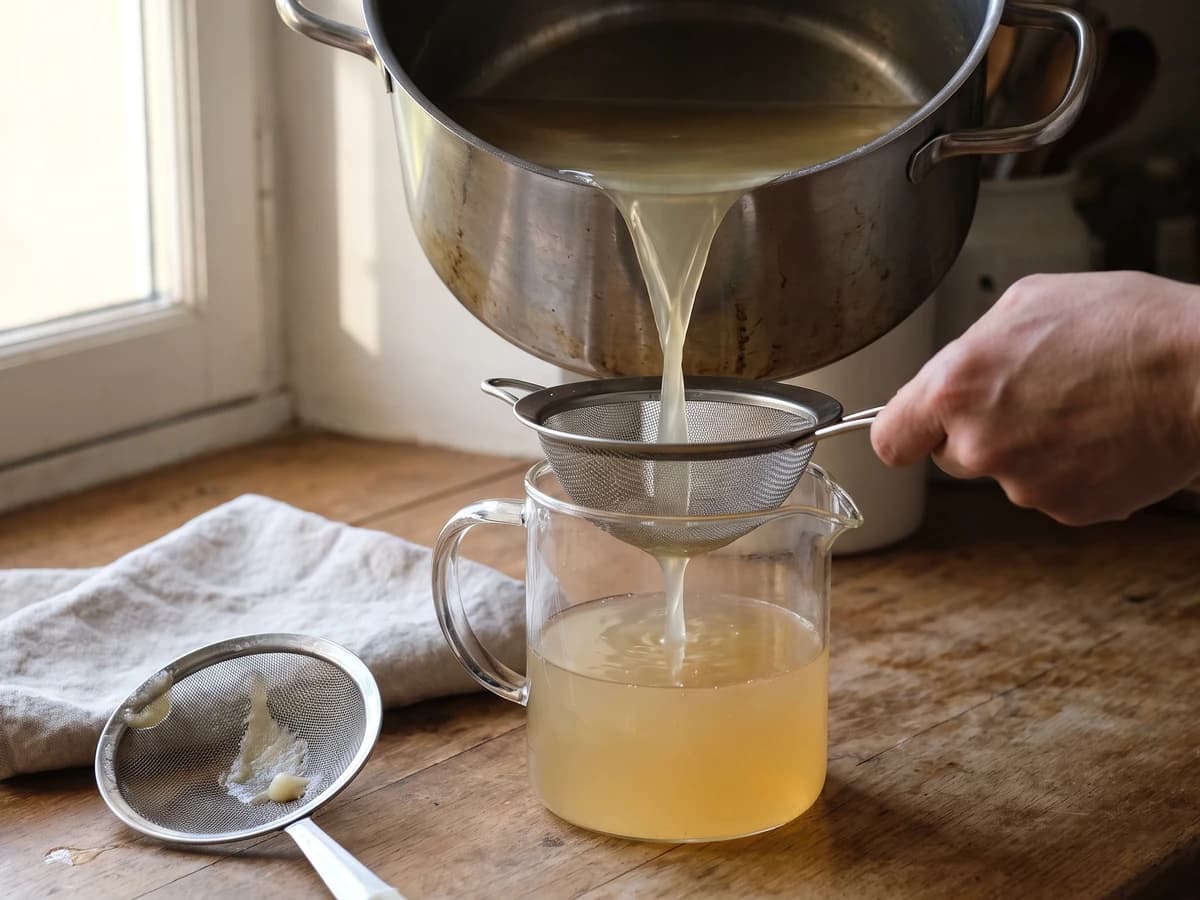
Break the veal bones small, then give them eight hours at a bare tremble. This pale, gelatinous fond becomes the quiet foundation beneath velouté, blanquette, and every sauce that must stay light.
Chef Juliette
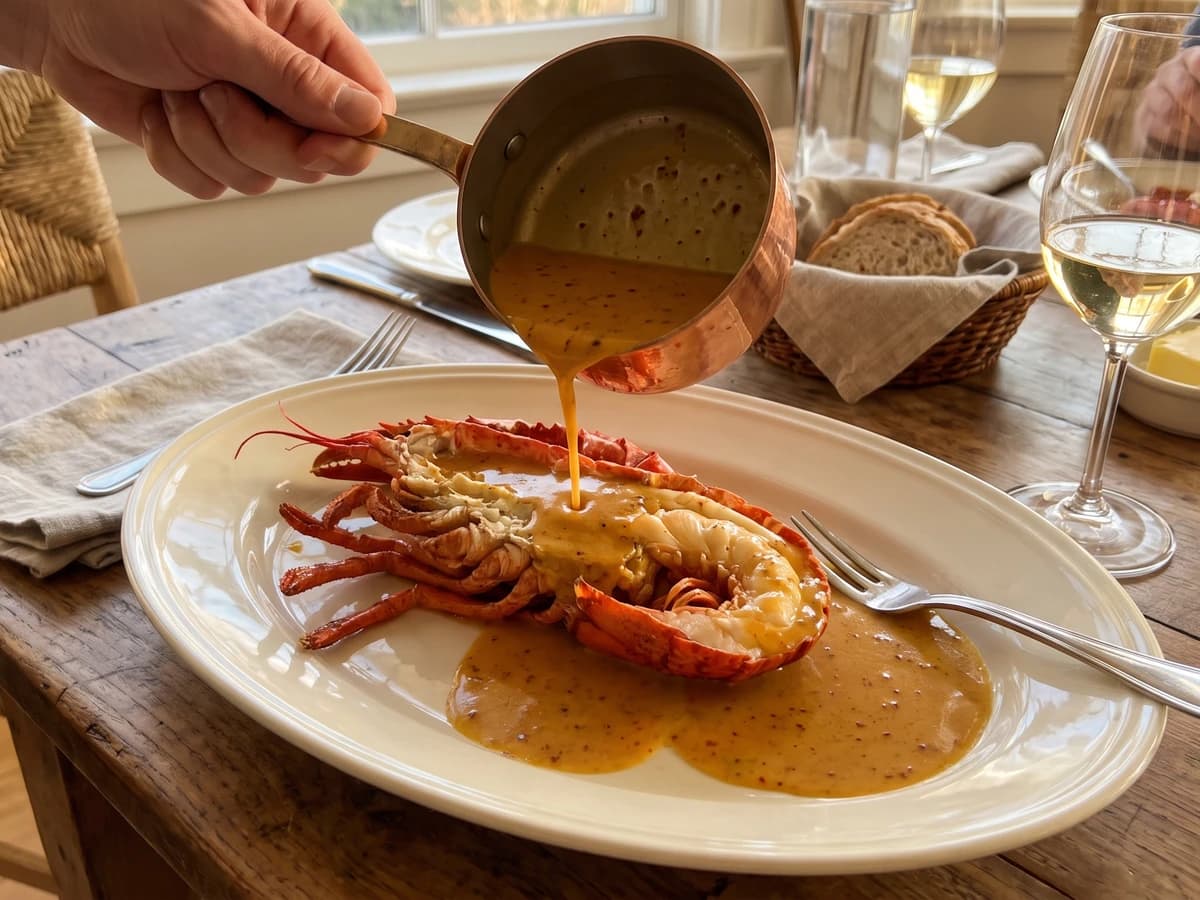
Sauce Orientale concentrates lobster-rich American Sauce with curry, then folds in cream away from the fire: a glossy, gently spiced derivative made for lobster, crayfish, and firm fish.
Chef Juliette
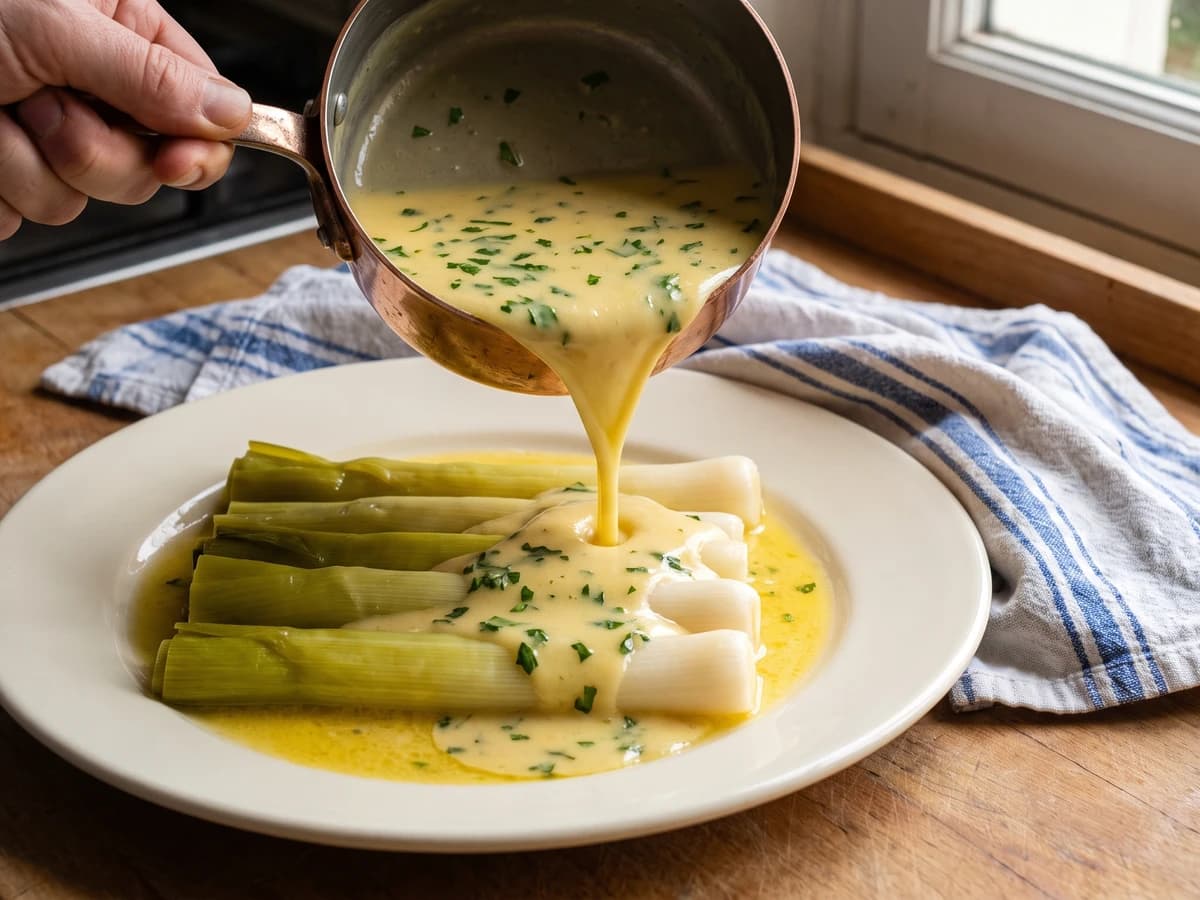
An old lesson in sauce families: Sauce Allemande takes mushroom liquor, then butter, lemon, and parsley, becoming a glossy Poulette for sheep's trotters, leeks, cauliflower, and anything needing gentle richness with a bright edge.