
Chef Takumi
Abura Soba (油そば, brothless ramen)
Abura soba is ramen without the hiding place of soup: hot noodles, strong shōyu tare, fragrant oil, and the discipline to mix while every strand is still hot.
A cooking platform built around craft, culture, and the stories behind what we eat.

Created by
Zaru soba is summer made plain: cold buckwheat noodles, chilled tsuyu, a little nori, and the discipline to rinse the noodles until they feel clean.
Zaru soba looks almost too spare to be a meal. Noodles on a bamboo tray, sauce in a cup, a little wasabi and scallion. Then you taste good soba cold, and the quietness starts to make sense. The buckwheat aroma comes forward because nothing is covering it.
The one detail that decides it is the rinse. Boil the soba until tender but still lively, then wash it under cold running water with your hands until the surface starch is gone. This is not fussing. It stops the cooking, firms the noodles, and leaves each strand clean enough to carry the dipping sauce without turning sticky.
The sauce is tsuyu, built from dashi, soy sauce, and mirin. Make it stronger than a soup because the noodles touch it only briefly. Dip a small bundle, not the whole tangle, and stir the wasabi into the cup if you like it. Put the wasabi on the noodles and it falls off like a bad promise. The way we do it here is simpler: cold noodles, cold sauce, clean hands, nothing hidden.
Soba became closely associated with Edo, present-day Tokyo, where buckwheat noodles were common by the seventeenth century and quick soba shops became part of urban eating. Zaru soba takes its name from the zaru, the bamboo draining basket used to serve the chilled noodles after washing. The distinction between mori soba and zaru soba shifted over time, but in modern use zaru soba is commonly marked by shredded nori on top.
Quantity
200g
Quantity
1 1/2 cups
Quantity
1/4 cup
Quantity
1/4 cup
Quantity
1 teaspoon
Quantity
1 sheet
cut into fine shreds
Quantity
2
thinly sliced
Quantity
1 teaspoon
freshly grated, or prepared wasabi
Quantity
as needed
for chilling
Quantity
as needed
for serving at the end
| Ingredient | Quantity |
|---|---|
| dried soba noodles | 200g |
| dashi | 1 1/2 cups |
| soy sauce | 1/4 cup |
| mirin | 1/4 cup |
| sugar (optional) | 1 teaspoon |
| noricut into fine shreds | 1 sheet |
| scallionsthinly sliced | 2 |
| wasabifreshly grated, or prepared wasabi | 1 teaspoon |
| ice waterfor chilling | as needed |
| reserved soba cooking waterfor serving at the end | as needed |
Combine the dashi, soy sauce, mirin, and sugar if using in a small pot. Bring just to a simmer, then take it off the heat and cool completely. This is dipping sauce, not soup, so it should taste stronger than you expect. The noodles will only meet it for a second.
Bring a large pot of water to a full boil. Add the soba and stir gently so the strands separate. Cook according to the package timing, usually 4 to 6 minutes, tasting early. The noodle should be tender through the center but still have a clean bite.
Before draining, ladle out a cup or two of the cloudy cooking water and keep it warm. This is soba-yu, the water that carries the buckwheat starch. At the end of the meal, you pour it into the leftover tsuyu and drink it as a light closing broth.
Drain the noodles and rinse under cold running water, rubbing them gently between your hands. Keep rinsing until the water runs clear and the noodles feel firm and slippery, not gummy. This washes away surface starch, stops the cooking, and gives zaru soba its clean finish.
Set the rinsed soba in ice water for a minute, then drain very well. Shake the zaru or colander gently so water does not pool beneath the noodles. Cold is good. Watery is not. Extra water thins the tsuyu before the first bite.
Arrange the soba in loose, lifted folds on a bamboo zaru or a flat basket, leaving space around the noodles. Scatter the shredded nori over the top. Pour chilled tsuyu into small cups and set scallion and wasabi beside them. Dip a small bundle at a time, with the wasabi stirred into the cup, not smeared over the noodles.
1 serving (about 510g)
Culinary guides, cultural storytelling, and the editorial depth that makes cooking meaningful.
Discover Culinary ExplorerChef Takumi
Abura soba is ramen without the hiding place of soup: hot noodles, strong shōyu tare, fragrant oil, and the discipline to mix while every strand is still hot.
Chef Takumi
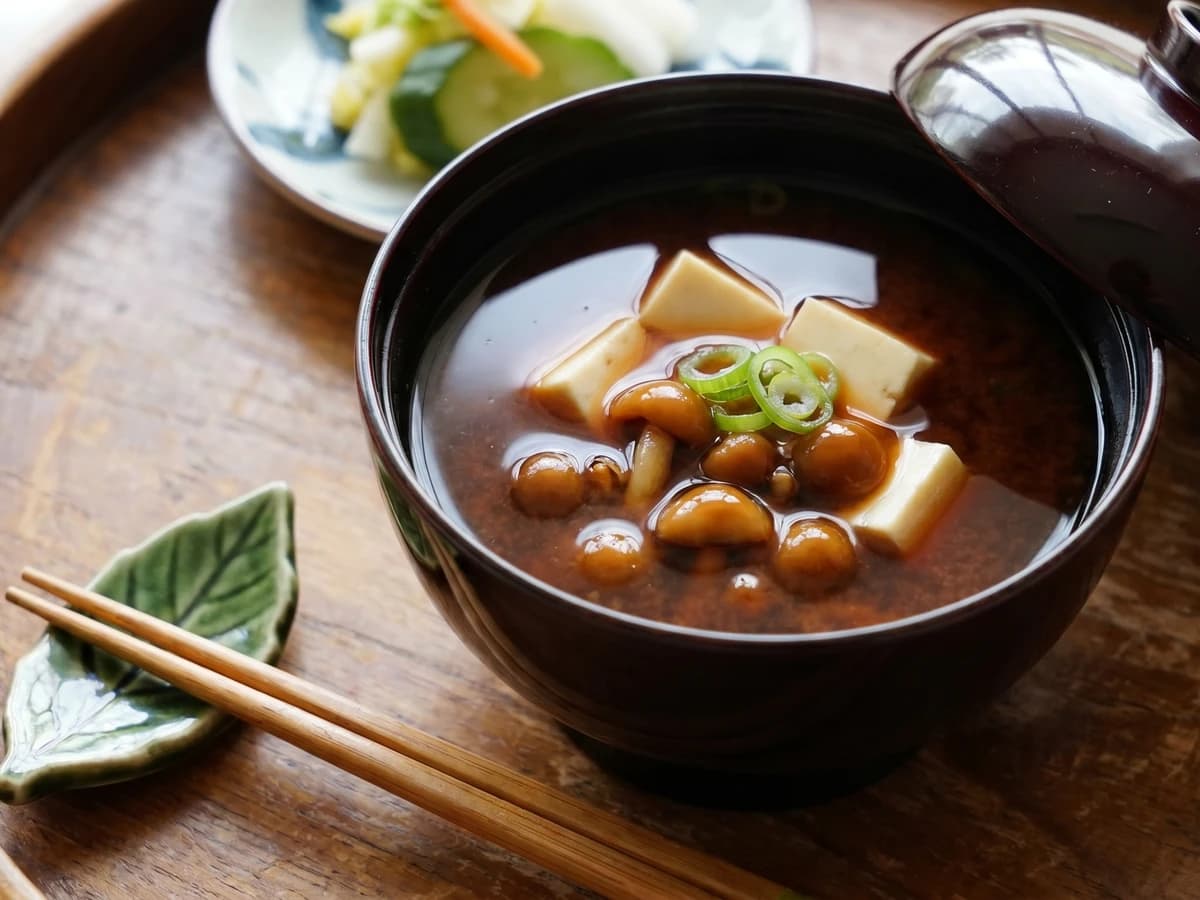
Akadashi asks you to trust the dark miso. Build a clear dashi, loosen the Hatchō mame-miso gently, and the soup turns coffee-dark, savory, and clean.

Chef Takumi
Toast the rice until its skin is firm, then let it meet chicken broth, burdock, maitake, and seri. The pot looks grand, but the work is rice, broth, and patience.
Chef Takumi
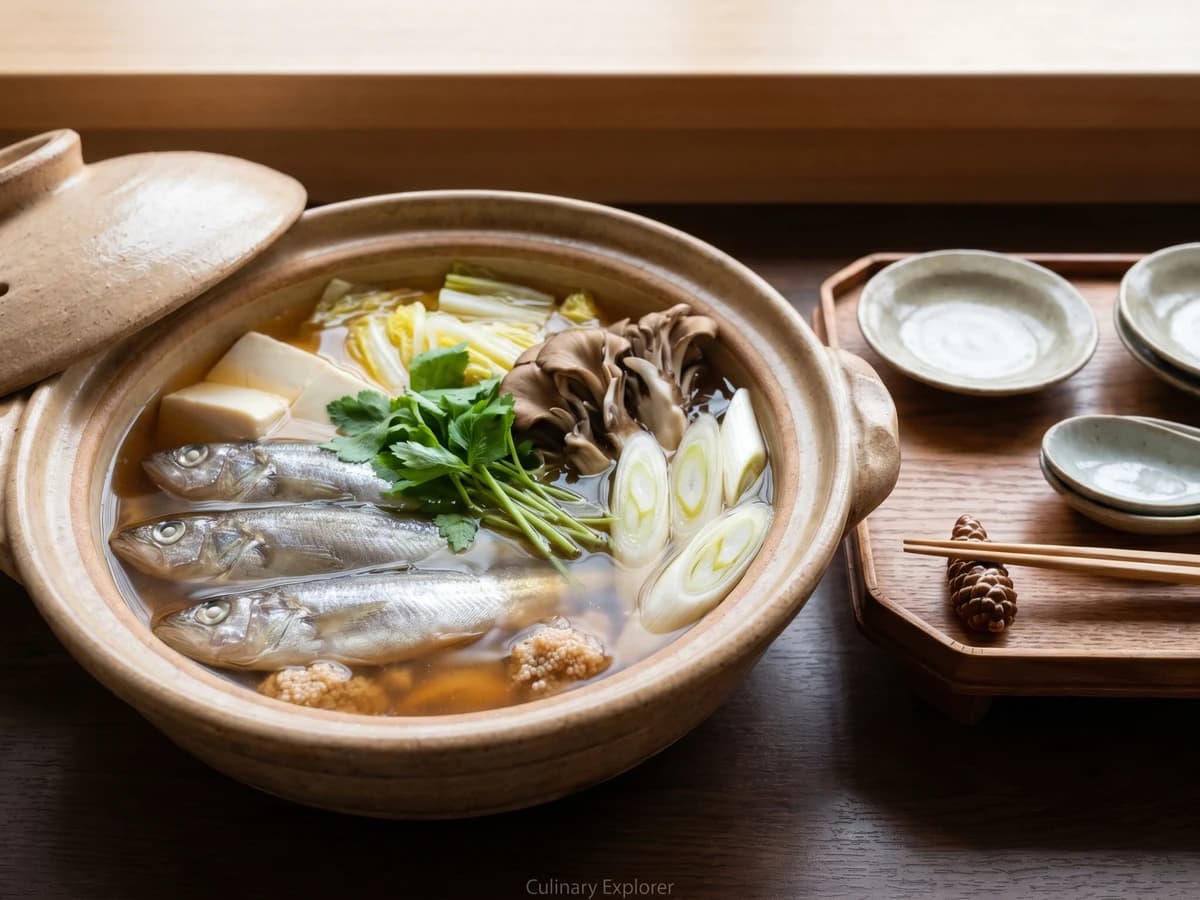
Shottsuru nabe is Akita winter in one pot: clean dashi, hatahata at shun, tofu and napa cabbage carrying a salt-deep broth without anything heavy enough to hide the fish.