
Chef Takumi
Abura Soba (油そば, brothless ramen)
Abura soba is ramen without the hiding place of soup: hot noodles, strong shōyu tare, fragrant oil, and the discipline to mix while every strand is still hot.
A cooking platform built around craft, culture, and the stories behind what we eat.

Created by
Slippery grated mountain yam looks strange until it meets soba. Then it becomes the sauce, coating each noodle with a faint sweetness while clear dashi keeps the bowl clean.
Tororo asks for trust. Grated mountain yam is glossy, pale, and slippery in a way that makes some cooks pause with the spoon halfway to the bowl. Good. Pause, then keep going. This is not difficult food, only unfamiliar, and the yam is doing exactly what it should: clinging to the soba so every noodle carries broth, sweetness, and the faint scent of earth.
The one detail that decides yamakake soba is when you grate the yam. Do it at the end, just before serving. Tororo loses its freshness and begins to dull as it waits, and if you thin it carelessly it stops being a crown and becomes a puddle. Nagaimo is lighter and looser; yamaimo or jinenjo is thicker and more fragrant. Use what is firm, clean, and glistening fresh at the cut face. Sourcing first, always.
We build the bowl from two quiet foundations: clear dashi and clean soba. The noodles are rinsed even for a hot bowl, because surface starch muddies the broth and makes the strands cling for the wrong reason. Rewarm them after rinsing if you're serving it hot, or chill them well if you're serving it cold. Then ladle the broth, set the tororo on top, and leave it room. The dish should feel quick, not hurried.
Yamakake names a method more than a single dish: grated yamaimo poured over noodles, rice, or raw tuna. Soba became strongly associated with Edo by the late seventeenth century, while tororo-jiru, grated yam loosened with stock, was famously served at Mariko-juku on the Tōkaidō and appears in Edo-period travel writing. In many soba shops the same bowl is called tororo soba, while yamakake often points to the yam crown itself.
Quantity
1 piece (about 8g)
Quantity
3 1/2 cups
Quantity
15g
Quantity
3 tablespoons
Quantity
2 tablespoons
Quantity
1 teaspoon
Quantity
200g
Quantity
250g
peeled just before grating
Quantity
2
thinly sliced
Quantity
1 sheet or 2 tablespoons
cut into fine strips
Quantity
as needed
for cold service
| Ingredient | Quantity |
|---|---|
| konbu (dried kelp) | 1 piece (about 8g) |
| cold water | 3 1/2 cups |
| katsuobushi (bonito flakes) | 15g |
| koikuchi shōyu (dark soy sauce) | 3 tablespoons |
| mirin | 2 tablespoons |
| sugar | 1 teaspoon |
| dried soba | 200g |
| nagaimo or yamaimo (Japanese mountain yam)peeled just before grating | 250g |
| scallionsthinly sliced | 2 |
| nori or kizami noricut into fine strips | 1 sheet or 2 tablespoons |
| wasabi (optional)for cold service | as needed |
Wipe the konbu with a damp cloth, but don't wash it. Put it in the cold water and bring it up slowly over low heat, ten to fifteen minutes. Pull the konbu when the water trembles and small bubbles climb the sides of the pot, before it boils.
Bring the water to a gentle boil after the konbu is out. Add the katsuobushi all at once, take the pot off the heat, and leave it alone until the flakes sink, two or three minutes. Strain through a cloth or fine sieve and let it drip naturally. Don't squeeze.
Measure about 3 cups of dashi back into the pot. Add the shōyu, mirin, and sugar, then simmer for one minute so the mirin loses its raw edge. Taste it. The broth should be a little more seasoned than you expect, because soba and tororo will quiet it in the bowl.
Peel only the yam you need and grate it just before serving on an oroshigane, a Japanese grater, or the finest face of a box grater. Stir the tororo until glossy. If using dense yamaimo or jinenjo, loosen it with 1 to 2 tablespoons of the seasoned broth. If using loose nagaimo, leave it nearly as it is.
Boil the soba in plenty of unsalted water, stirring once as the noodles go in. Cook according to the package timing, then taste a strand. It should be tender but still springy. Drain and rinse under cold running water, rubbing gently with your hands until the surface starch is gone and the noodles feel clean.
For hot yamakake soba, dip the rinsed noodles back into hot water for ten seconds, drain well, and divide them between warmed bowls. Ladle the hot broth around the noodles, then crown each bowl with tororo. For cold service, chill the broth, chill the rinsed noodles thoroughly, and use a little less broth in each bowl. Finish with scallion and nori, and add wasabi on the side if serving cold. Slurp without apology; it pulls broth and tororo through the soba together.
1 serving (about 780g)
Culinary guides, cultural storytelling, and the editorial depth that makes cooking meaningful.
Discover Culinary ExplorerChef Takumi
Abura soba is ramen without the hiding place of soup: hot noodles, strong shōyu tare, fragrant oil, and the discipline to mix while every strand is still hot.
Chef Takumi
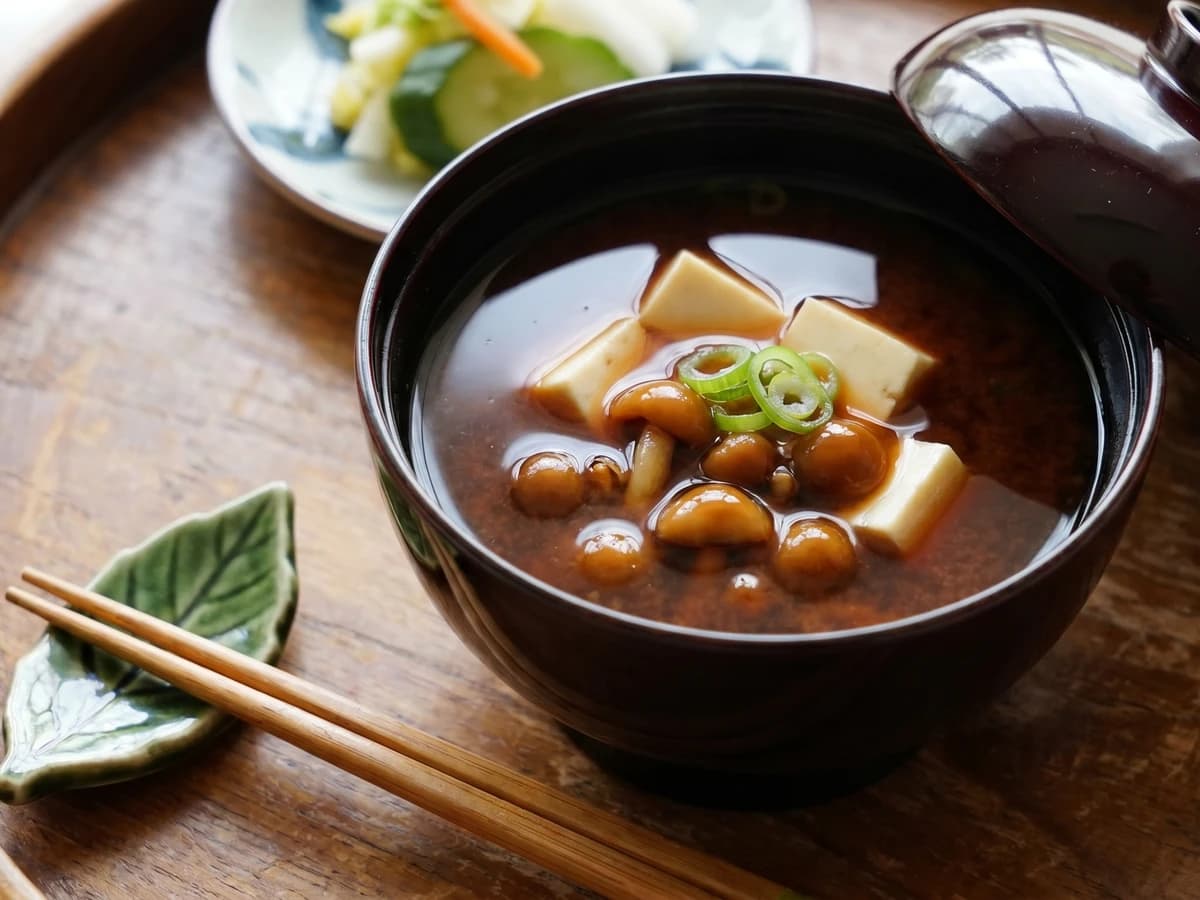
Akadashi asks you to trust the dark miso. Build a clear dashi, loosen the Hatchō mame-miso gently, and the soup turns coffee-dark, savory, and clean.

Chef Takumi
Toast the rice until its skin is firm, then let it meet chicken broth, burdock, maitake, and seri. The pot looks grand, but the work is rice, broth, and patience.
Chef Takumi
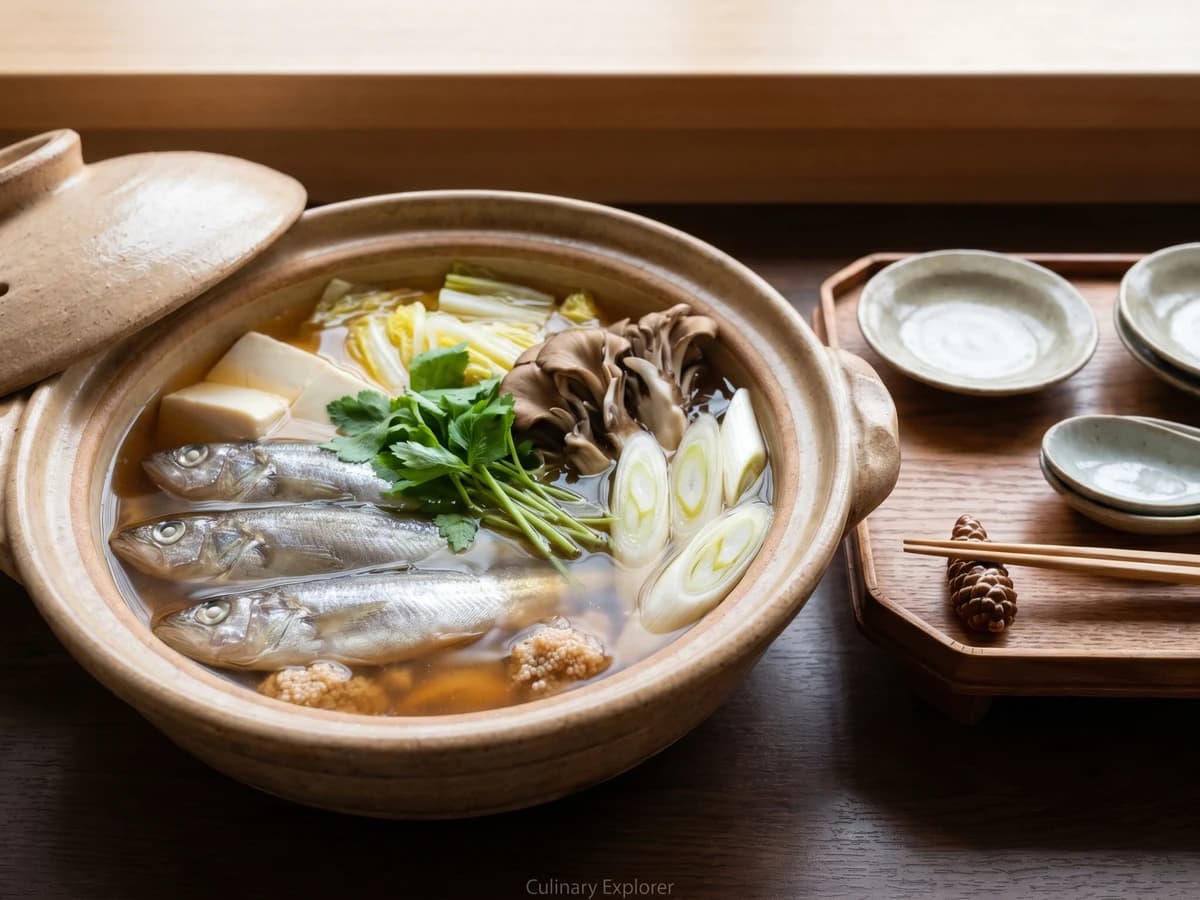
Shottsuru nabe is Akita winter in one pot: clean dashi, hatahata at shun, tofu and napa cabbage carrying a salt-deep broth without anything heavy enough to hide the fish.