Chef Graziella
Braciole alla Napoletana
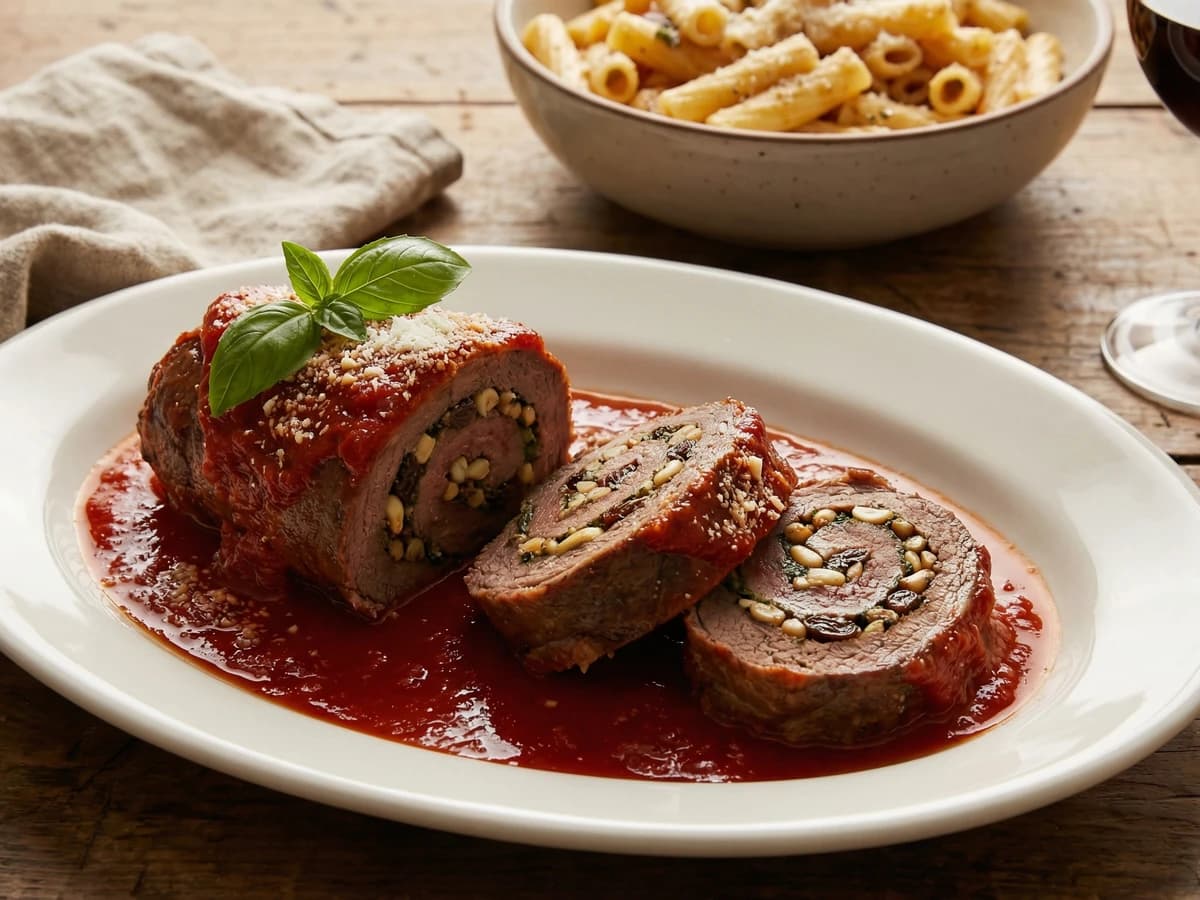
The Sunday ritual of Naples: beef rolls stuffed with pine nuts, raisins, and garlic, braised in tomato sauce until surrendering to tenderness. The sauce goes to the pasta. The meat comes second.
A cooking platform built around craft, culture, and the stories behind what we eat.

Created by
Neapolitan mussels steamed with white wine and garlic, their liquor tossed with vermicelli until the pasta glistens. Four ingredients. Nothing hidden. Everything earned.
The fishermen of Naples did not read cookbooks. They cooked what they caught with what they had: olive oil, garlic, wine, parsley. The mussels provided everything else. Their liquor, briny and sweet, became the sauce. This is cucina povera at its most eloquent, poor cooking that makes expensive preparations seem foolish.
There is no cream here. No butter. No tomato. What you keep out is as significant as what you put in. The mussel liquor must not compete with anything. It must be allowed to speak, and when mussels are truly fresh, pulled from the waters of the Bay of Naples or anywhere the sea is clean and cold, they have much to say.
Americans often drown mussels in garlic. This is a mistake that reveals a fundamental misunderstanding. The garlic here is presence, not protagonist. You slice it thin, let it gild in the oil, and that is enough. More would overwhelm the delicate sweetness of the shellfish. Restraint is not timidity. It is confidence.
Vermicelli con le cozze belongs to the tradition of Neapolitan fishermen who sold their finest catch at market and kept the rest for supper. Mussels, abundant in the Bay of Naples, were considered humble fare until the 19th century, when Neapolitan street vendors began serving them over pasta to workers in the port. The dish rose from dockside to trattoria without ever losing its essential simplicity.
Quantity
2 pounds
Quantity
1 pound
Quantity
1/2 cup
Quantity
4
sliced thin
Quantity
1/2 cup
Quantity
1/4 teaspoon
Quantity
1/3 cup
chopped
Quantity
to taste
Quantity
to taste
freshly ground
| Ingredient | Quantity |
|---|---|
| fresh mussels | 2 pounds |
| vermicelli or spaghetti | 1 pound |
| extra virgin olive oil | 1/2 cup |
| garlic clovessliced thin | 4 |
| dry white wine | 1/2 cup |
| red pepper flakes | 1/4 teaspoon |
| fresh flat-leaf parsleychopped | 1/3 cup |
| kosher salt | to taste |
| black pepperfreshly ground | to taste |
Scrub the mussels under cold running water. Pull off any beards, the fibrous threads protruding from the shells. Discard any mussels that are cracked, broken, or refuse to close when tapped firmly against the counter. An open mussel that will not close is dead. Do not cook dead shellfish.
Bring a large pot of water to a vigorous boil. Salt it generously. The water should taste of the sea. This is your only opportunity to season the pasta itself.
In a large, deep pan or pot with a lid, warm the olive oil over medium heat. Add the sliced garlic and cook, stirring, until it turns pale gold at the edges. This takes two minutes. Watch it constantly. The moment before you think it might brown, stop. The garlic should perfume the oil, not dominate it.
Add the red pepper flakes and stir for ten seconds. Add the white wine and let it bubble for thirty seconds. Add the mussels all at once and cover the pan immediately. Shake the pan occasionally. The mussels will open in three to five minutes. Remove the lid and take the pan off the heat the moment most shells have opened. Overcooking makes mussels rubbery.
While the mussels steam, drop the vermicelli into the boiling water. Cook it one minute less than the package suggests. You want it slightly underdone because it will finish cooking in the pan with the mussels. Reserve one cup of pasta water before draining.
Return the pan with mussels to medium heat. Add the drained pasta directly to the mussels and their liquor. Toss vigorously for one to two minutes, adding splashes of pasta water as needed to create a sauce that clings. The starch from the pasta water binds with the olive oil and mussel liquor to form a glossy coating. Add most of the parsley and toss again. Taste for salt.
Divide among warm bowls, distributing the mussels evenly. Scatter the remaining parsley over each portion. Drizzle with a thread of fresh olive oil if you wish. Serve at once. Once the pasta is sauced, invite your guests and family to put off talking and start eating. Do not, under any circumstances, offer cheese.
1 serving (about 320g)
Culinary guides, cultural storytelling, and the editorial depth that makes cooking meaningful.
Discover Culinary ExplorerChef Graziella
The Sunday ritual of Naples: beef rolls stuffed with pine nuts, raisins, and garlic, braised in tomato sauce until surrendering to tenderness. The sauce goes to the pasta. The meat comes second.

Chef Graziella
Pork rolls stuffed with pine nuts, raisins, and prosciutto, then braised slowly in tomato sauce until fork-tender. In Naples, the sauce dresses pasta for the first course, and the meat follows as the second.
Chef Graziella
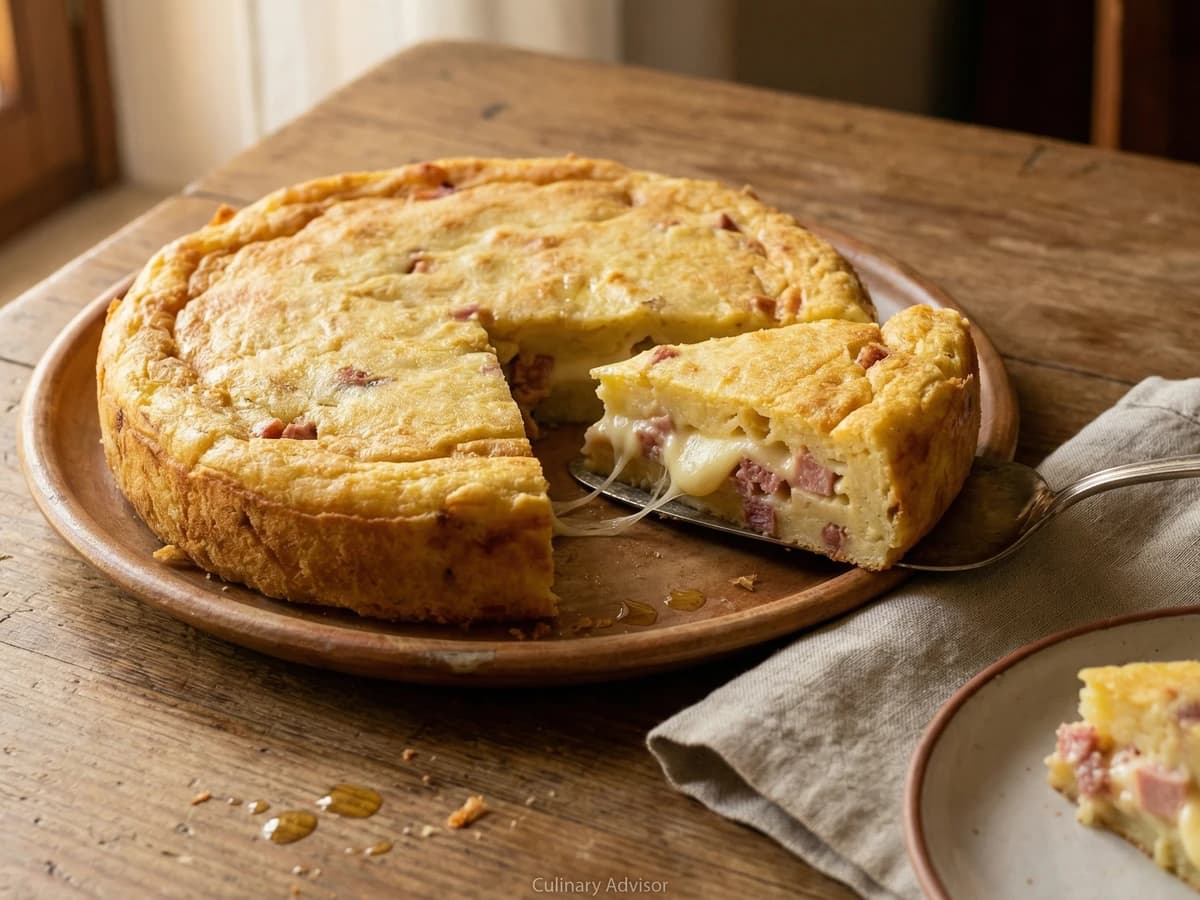
The baroque potato cake of Naples, where silky mashed potatoes enfold a hidden treasure of cheeses and cured meats, then bake until a golden crust gives way to molten richness within.
Chef Graziella
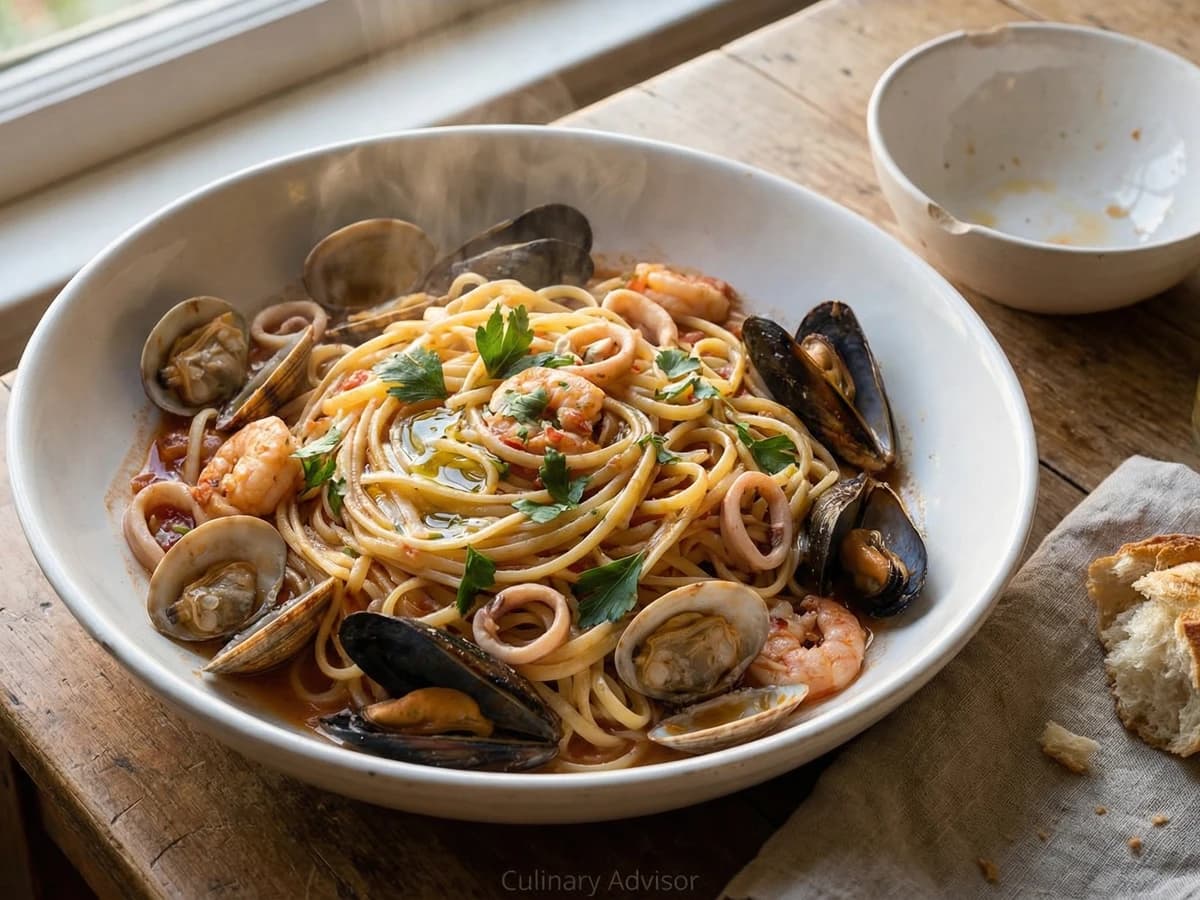
A tumble of clams, mussels, shrimp, and squid over linguine, bright with tomato and white wine. The fishermen's pasta of the Amalfi coast, where the rocks meet the sea.