
Chef Takumi
Abura Soba (油そば, brothless ramen)
Abura soba is ramen without the hiding place of soup: hot noodles, strong shōyu tare, fragrant oil, and the discipline to mix while every strand is still hot.
A cooking platform built around craft, culture, and the stories behind what we eat.

Created by
The moon is only an egg, but the bowl depends on timing: clear dashi, hot noodles, and a yolk set on top so each diner stirs the gold through at the table.
The moon in this bowl is only an egg yolk, which is why people become solemn about it. Let them. Tsukimi soba is hot soba in clear broth, finished at the table by a yolk that loosens into the noodles. It is autumn by image, a Jūgoya bowl for the harvest moon, but it belongs just as honestly to a cold weeknight when you want comfort without ceremony.
Two things decide it. First, the broth must be real dashi, clean enough that nothing needs hiding. Steep konbu below a boil, let katsuobushi fall off the heat, and don't squeeze. These are not sacred gestures. Boiling pulls bitterness from the kelp, squeezing drives heavy flavors from the flakes, and the clear pond you wanted becomes dull.
The second detail is the egg. The noodles and broth go into the bowl hot, the yolk sits on top untouched, and you stir only once you are eating. Break it too soon and the soup clouds before the moon has had its moment. Break it at the table and the yolk coats the soba, softening the soy and mirin into something round and quiet. See? Not difficult. Only a little unfamiliar.
Tsukimi, moon-viewing, was recorded among Heian-period court practices after mid-autumn observances came from China, and later settled into the harvest-season custom called Jūgoya, the fifteenth night. Soba became everyday city food in Edo during the seventeenth and eighteenth centuries, sold from shops and night stalls as hot kake soba. The dish's name is literal: tsukimi means moon viewing, and the egg yolk supplies the round moon on the surface of the broth.
Quantity
1 piece (about 8g)
wiped gently with a damp cloth
Quantity
4 cups
Quantity
20g
Quantity
3 tablespoons
Quantity
3 tablespoons
Quantity
1 teaspoon
Quantity
200g
Quantity
2
yolks separated just before serving; whites reserved for another use
Quantity
2
thinly sliced
Quantity
1/2 sheet
cut into fine strips
Quantity
for serving
| Ingredient | Quantity |
|---|---|
| konbu (dried kelp)wiped gently with a damp cloth | 1 piece (about 8g) |
| cold water | 4 cups |
| katsuobushi | 20g |
| mirin | 3 tablespoons |
| koikuchi shōyu (standard Japanese soy sauce) | 3 tablespoons |
| sugar | 1 teaspoon |
| dried soba noodles | 200g |
| very fresh large eggsyolks separated just before serving; whites reserved for another use | 2 |
| scallions (negi)thinly sliced | 2 |
| noricut into fine strips | 1/2 sheet |
| shichimi tōgarashi (optional) | for serving |
Wipe the konbu with a damp cloth, but don't wash it. Put it in the cold water and bring it up slowly over low heat. Pull the konbu out when the water trembles and small bubbles climb the sides of the pot, before it boils. That pale bloom on the kelp is not dirt, it's flavor, and boiling the kelp leaves the stock faintly bitter and slick.
Bring the konbu water to a gentle boil, add the katsuobushi all at once, and take the pot off the heat. Leave it alone for two or three minutes, until the flakes sink. Strain through a fine-mesh strainer lined with cloth and let it drip naturally. Don't squeeze. Squeezing presses strong, oily flavors into the dashi, and this bowl needs a clean broth.
Measure 3 cups of the dashi into a saucepan. If you have extra, save it; if you are a little short, add water. Add the mirin and sugar, bring just to a simmer for thirty seconds, then stir in the shōyu. This is kakejiru, the hot soba broth. Taste it now. It should be a little stronger than you would drink plain, because the noodles and egg will soften it.
Bring a large pot of unsalted water to a rolling boil. Add the soba and stir once with chopsticks so the strands don't clump. Cook according to the package, usually four to six minutes, tasting early. The noodles should be tender but still carrying their buckwheat bite.
Drain the soba and rinse under cold running water, rubbing the noodles gently with your hands until the surface starch is gone and the strands feel clean. This feels strange for a hot bowl, I know, but it keeps the broth clear instead of cloudy. To rewarm, put the rinsed noodles in a sieve and pour a kettle of boiling water over them, or dip them for twenty seconds in clean boiling water.
Fill two deep bowls with hot water, let them stand for a minute, then empty and dry them. A warm bowl keeps the broth hot enough to loosen the yolk at the table. Separate the egg yolks into two small cups just before serving, so you don't risk shell or a tired egg in the finished bowl.
Divide the hot soba between the warmed bowls and ladle the hot broth around the noodles. Make a shallow hollow in the center of each mound and slide in one yolk. Scatter the scallion and nori to one side, leaving open broth around the yolk so the moon reads clearly. Don't stir yet.
Carry the bowls to the table at once. Each person pierces the yolk and draws the soba through it while eating. Stirring at the table lets the yolk glaze the noodles; stirring before serving only clouds the broth and hides the point of the dish. Add a pinch of shichimi tōgarashi if you want a little heat.
1 serving (about 740g)
Culinary guides, cultural storytelling, and the editorial depth that makes cooking meaningful.
Discover Culinary ExplorerChef Takumi
Abura soba is ramen without the hiding place of soup: hot noodles, strong shōyu tare, fragrant oil, and the discipline to mix while every strand is still hot.
Chef Takumi
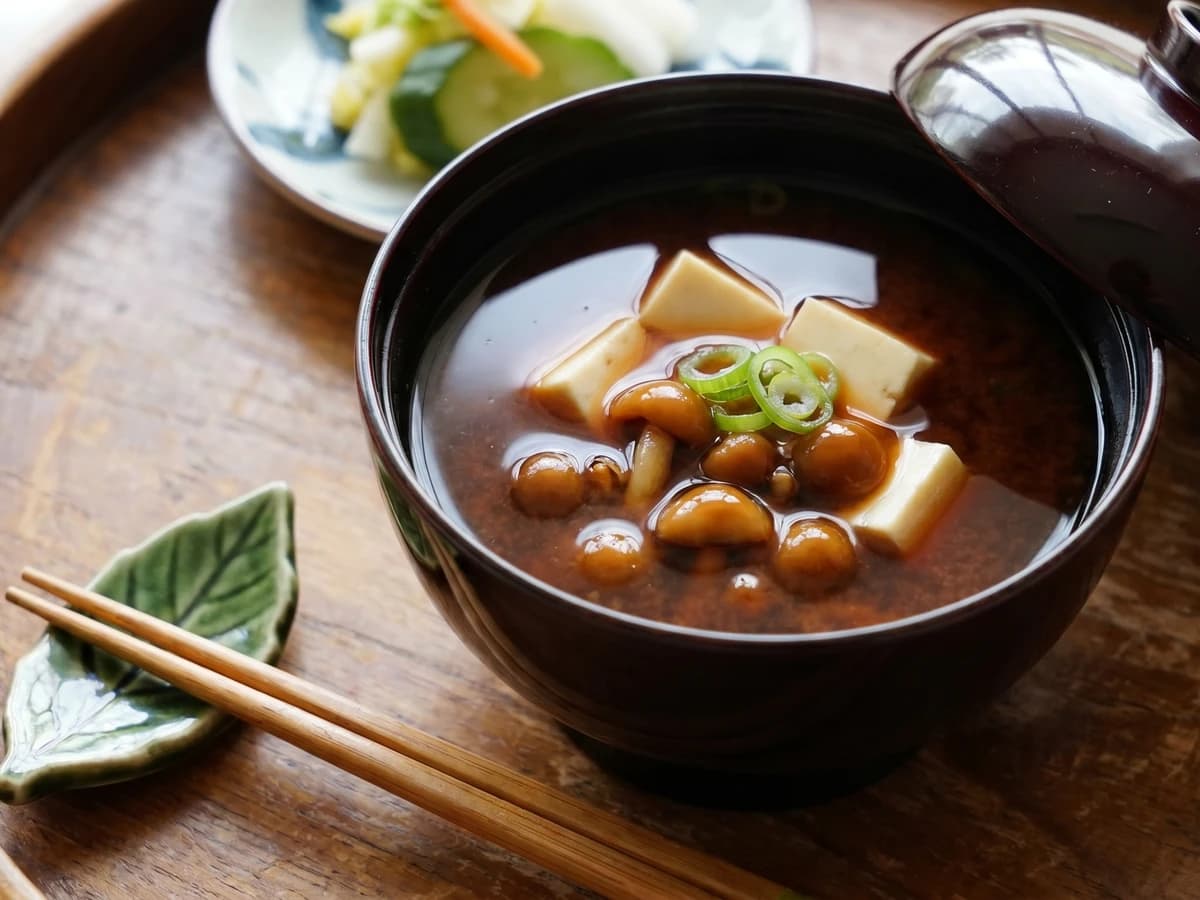
Akadashi asks you to trust the dark miso. Build a clear dashi, loosen the Hatchō mame-miso gently, and the soup turns coffee-dark, savory, and clean.

Chef Takumi
Toast the rice until its skin is firm, then let it meet chicken broth, burdock, maitake, and seri. The pot looks grand, but the work is rice, broth, and patience.
Chef Takumi
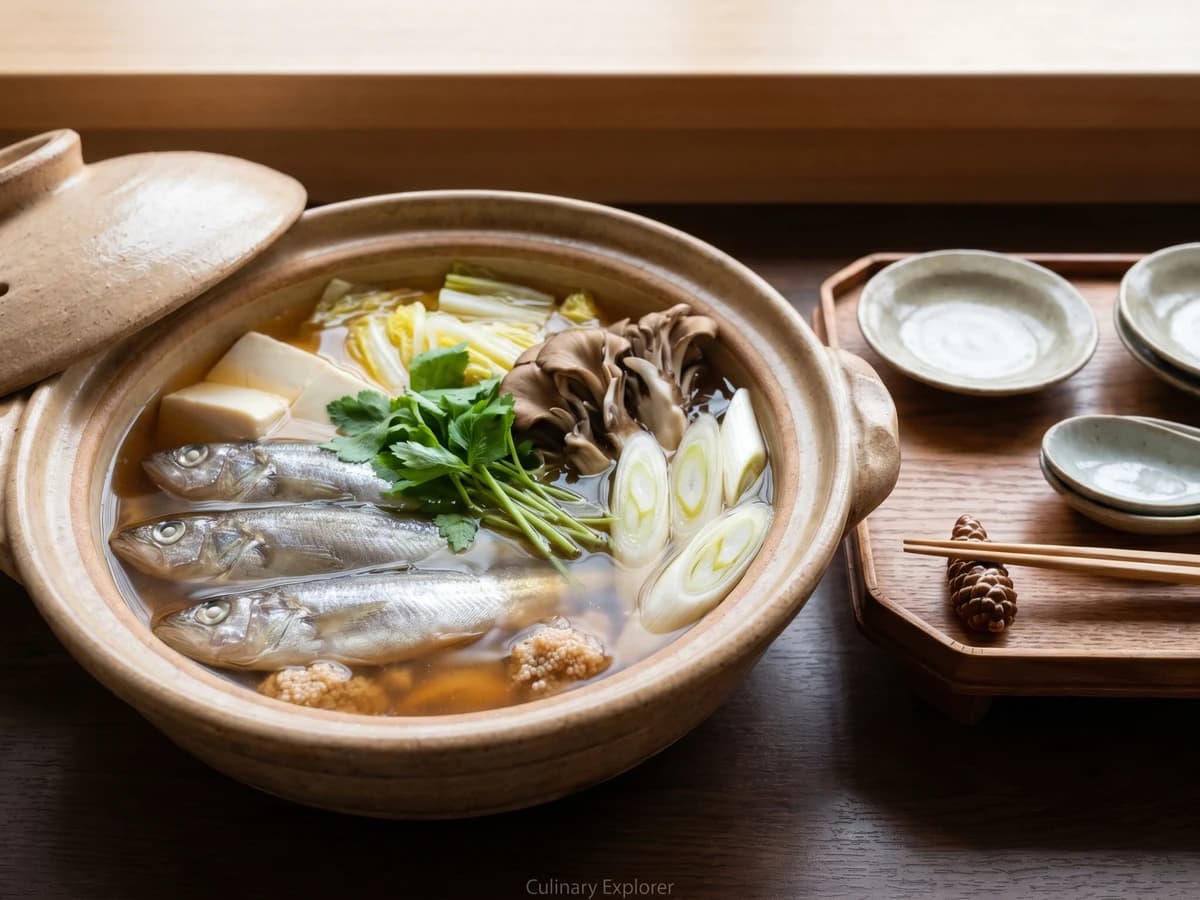
Shottsuru nabe is Akita winter in one pot: clean dashi, hatahata at shun, tofu and napa cabbage carrying a salt-deep broth without anything heavy enough to hide the fish.