Chef Graziella
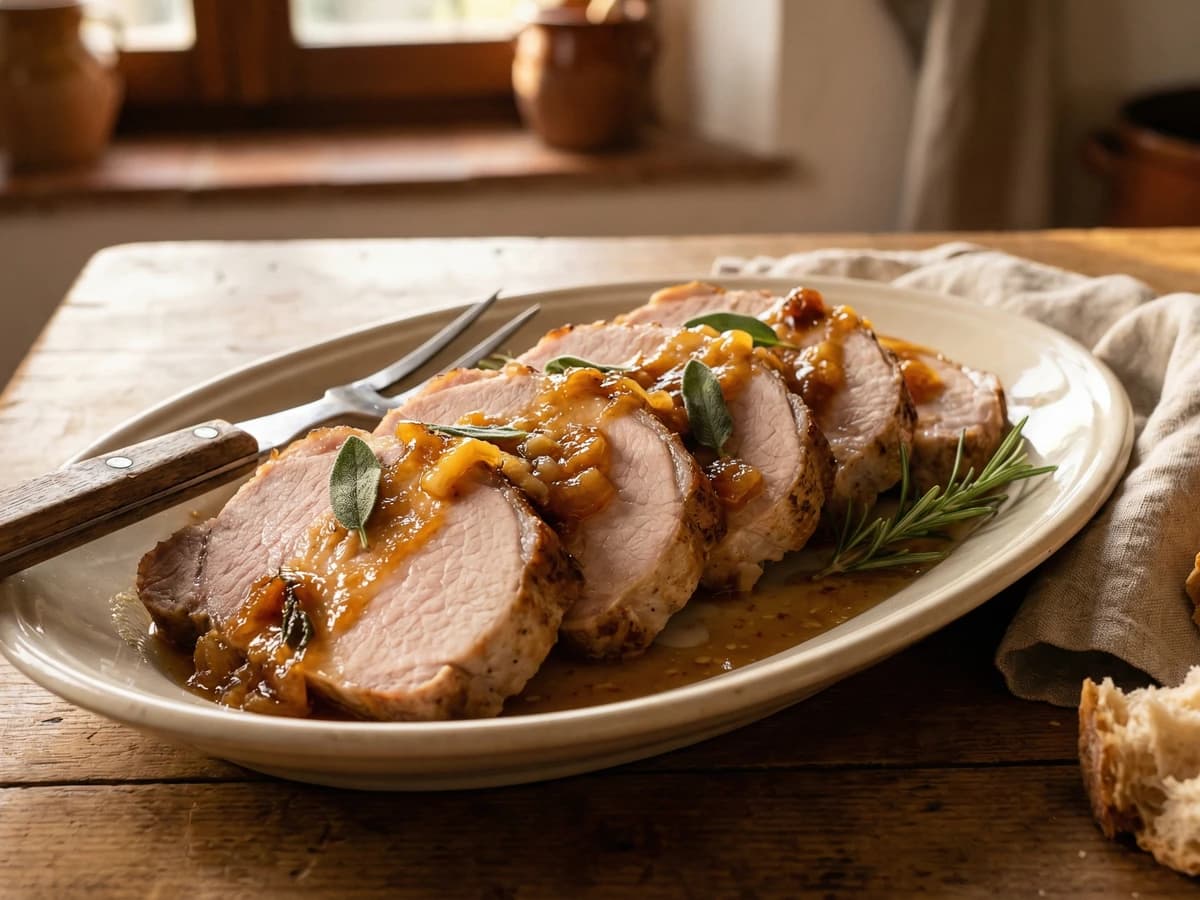
Arrosto di Maiale al Latte
Pork loin braised in milk until the liquid transforms into nutty, golden curds that cling to impossibly tender meat. The technique looks like failure and tastes like triumph.
A cooking platform built around craft, culture, and the stories behind what we eat.

Created by
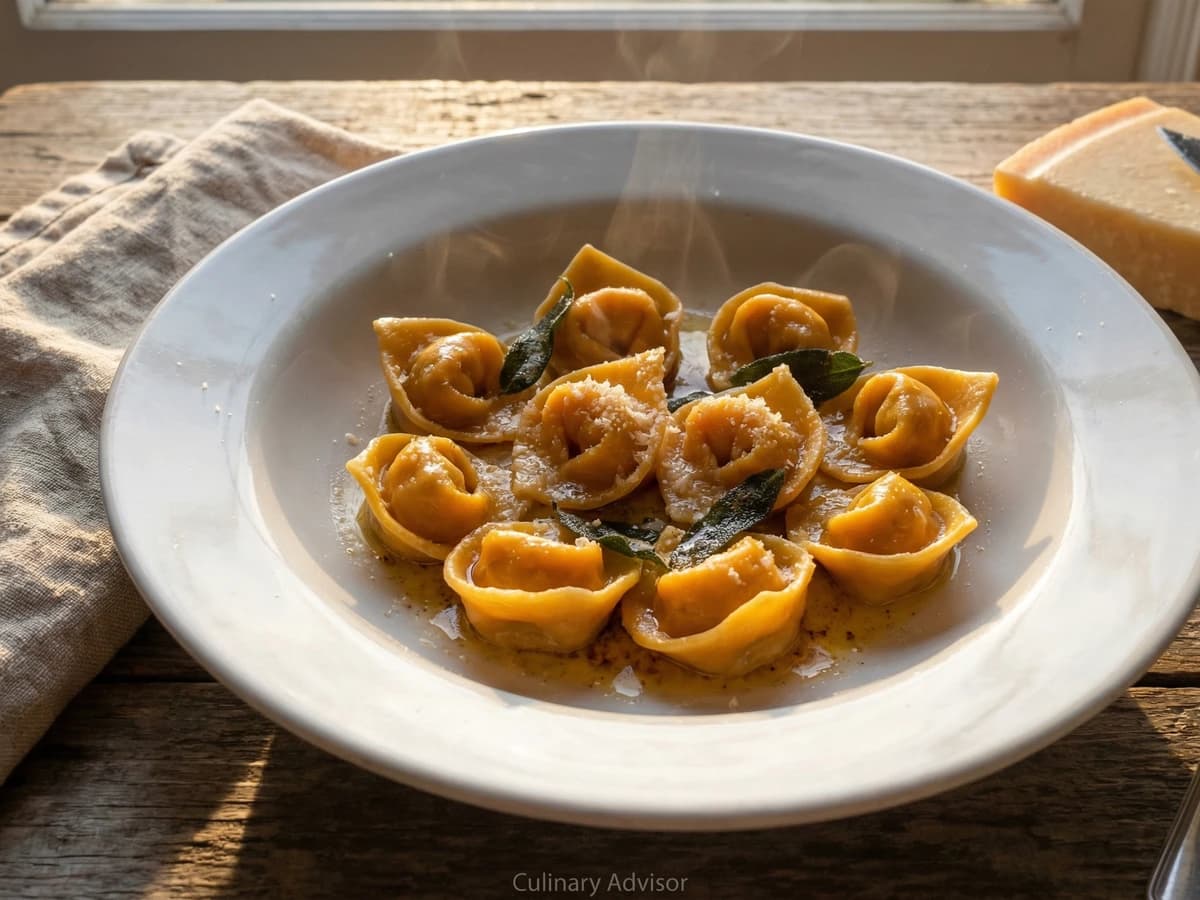
The generous cousins of tortellini, these half-moon parcels of fresh egg pasta enfold a cloud of ricotta and spinach, dressed only with butter bronzed by sage. Emilia-Romagna at its most elegant and restrained.
Tortelloni are not miniatures. They are not appetizers. They are substantial parcels of fresh egg pasta meant to be the center of the meal, each one a complete bite of filling embraced by pasta so thin you can nearly see through it. The distinction between tortellini and tortelloni is not merely size. Tortellini belong to Bologna, filled with meat, served in broth. Tortelloni belong to the countryside, filled with ricotta and vegetables, dressed with butter.
The filling must be dry. I cannot say this strongly enough. Wet ricotta and wet spinach create a soggy, weeping filling that makes the pasta gummy. You squeeze the spinach until your hands ache. You drain the ricotta until it holds its shape. This is the difference between tortelloni that sing and tortelloni that fail.
Butter and sage is the only proper dressing. No cream. No complicated sauces. The sage perfumes the butter as it browns, and the butter clings to the pasta and enriches each bite. What you keep out is as significant as what you put in. There is nothing here that does not belong.
Filled pastas appear in Italian manuscripts as early as the 14th century, but the ricotta and spinach filling became standardized in Emilia-Romagna during the Renaissance, when spinach was prized as a vegetable of refinement. The butter and sage dressing reflects the dairy wealth of the Po Valley, where butter rather than olive oil has always been the cooking fat of choice.
Quantity
400g, plus more for dusting
Quantity
4
Quantity
1 tablespoon
Quantity
pinch
Quantity
1 pound
stems removed
Quantity
1 pound
Quantity
1 large
Quantity
3/4 cup
freshly grated
Quantity
1/4 teaspoon
freshly grated
Quantity
to taste
Quantity
8 tablespoons
Quantity
16
Quantity
for serving
freshly grated
| Ingredient | Quantity |
|---|---|
| tipo 00 flour | 400g, plus more for dusting |
| large eggs | 4 |
| extra virgin olive oil | 1 tablespoon |
| fine salt | pinch |
| fresh spinachstems removed | 1 pound |
| fresh whole-milk ricotta | 1 pound |
| egg yolk | 1 large |
| Parmigiano-Reggianofreshly grated | 3/4 cup |
| nutmegfreshly grated | 1/4 teaspoon |
| fine salt | to taste |
| unsalted butter | 8 tablespoons |
| fresh sage leaves | 16 |
| Parmigiano-Reggianofreshly grated | for serving |
Mound the flour on a wooden board or clean work surface. Create a well in the center, deep enough to hold the eggs without spilling. Crack the eggs into the well. Add the olive oil and salt. Using a fork, beat the eggs gently while gradually drawing flour from the inner walls of the well. Continue until the mixture becomes too thick to work with a fork.
Bring the dough together with your hands. Begin kneading: push the dough away from you with the heel of your palm, fold it back over itself, rotate it a quarter turn, and repeat. Knead for a full 10 minutes. The dough should become smooth, elastic, and feel like your earlobe when pressed. Wrap it tightly in plastic and rest at room temperature for 30 minutes. Do not skip this rest. The gluten must relax or rolling will be impossible.
Wash the spinach in several changes of cold water until no grit remains in the bowl. Place the wet spinach in a large pot, cover, and cook over medium heat until completely wilted, about 5 minutes. The water clinging to the leaves provides all the moisture you need. Drain in a colander. When cool enough to handle, squeeze the spinach in your fists until absolutely dry. This is essential. Wet spinach will make soggy filling. Chop the spinach very fine.
If your ricotta is wet (supermarket ricotta often is), drain it in a fine-mesh strainer lined with cheesecloth for one hour. In a bowl, combine the drained ricotta, squeezed spinach, egg yolk, grated Parmigiano, and nutmeg. Mix thoroughly. Taste and add salt as needed. The filling should be creamy but hold its shape on a spoon. If it slumps, it is too wet. Add more grated cheese to bind it.
Divide the rested dough into four pieces. Keep the pieces you are not working with covered. Flatten one piece into a rough rectangle. Pass it through a pasta machine at the widest setting. Fold it in thirds like a letter, rotate 90 degrees, and pass through again. Repeat this folding and rolling three times to develop the structure. Then roll progressively thinner, reducing the setting each time, until you reach the second-thinnest setting. The pasta should be thin enough to see your hand through it, but not so thin it tears.
Lay the pasta sheet on a lightly floured surface. Cut into 3-inch squares. Place a generous teaspoon of filling in the center of each square. Do not overfill. Overfilled tortelloni burst when cooked. Fold the square diagonally to form a triangle, pressing firmly around the filling to seal and push out any air pockets. Bring the two bottom corners of the triangle together and pinch to seal, forming the characteristic shape. Place finished tortelloni on a floured tray, not touching. Work quickly. Fresh pasta dries fast.
Melt the butter in a large skillet over medium heat. When the foam subsides, add the sage leaves. Cook until the butter turns golden brown and smells nutty, and the sage leaves become crisp at the edges, about 3 minutes. Watch carefully. The distance between brown butter and burnt butter is seconds. Remove from heat immediately when ready.
Bring a very large pot of water to a gentle boil. Add salt generously. It should taste like the sea. Slide the tortelloni into the water, stirring gently once to prevent sticking. Cook until the pasta is tender and the edges are slightly translucent, 3 to 4 minutes for fresh pasta. Do not rely on the clock. Taste one. The filling should be hot throughout and the pasta should offer pleasant resistance, not mushiness.
Using a spider or slotted spoon, lift the tortelloni from the water and transfer directly to the skillet with the sage butter. Reserve a cup of pasta water. Toss gently over low heat for one minute, allowing the pasta to absorb the butter. Add a splash of pasta water if needed to help the sauce cling. Divide among warm plates. Scatter the crisp sage leaves over the top. Pass Parmigiano-Reggiano at the table. Once the pasta is sauced, serve it promptly, inviting your guests and family to put off talking and start eating.
1 serving (about 225g)
Culinary guides, cultural storytelling, and the editorial depth that makes cooking meaningful.
Discover Culinary ExplorerChef Graziella
Pork loin braised in milk until the liquid transforms into nutty, golden curds that cling to impossibly tender meat. The technique looks like failure and tastes like triumph.

Chef Graziella
Thick pork chops rubbed with salamoia bolognese and grilled over live fire. This is how we eat in summer in Emilia-Romagna: simply, outdoors, with family.
Chef Graziella
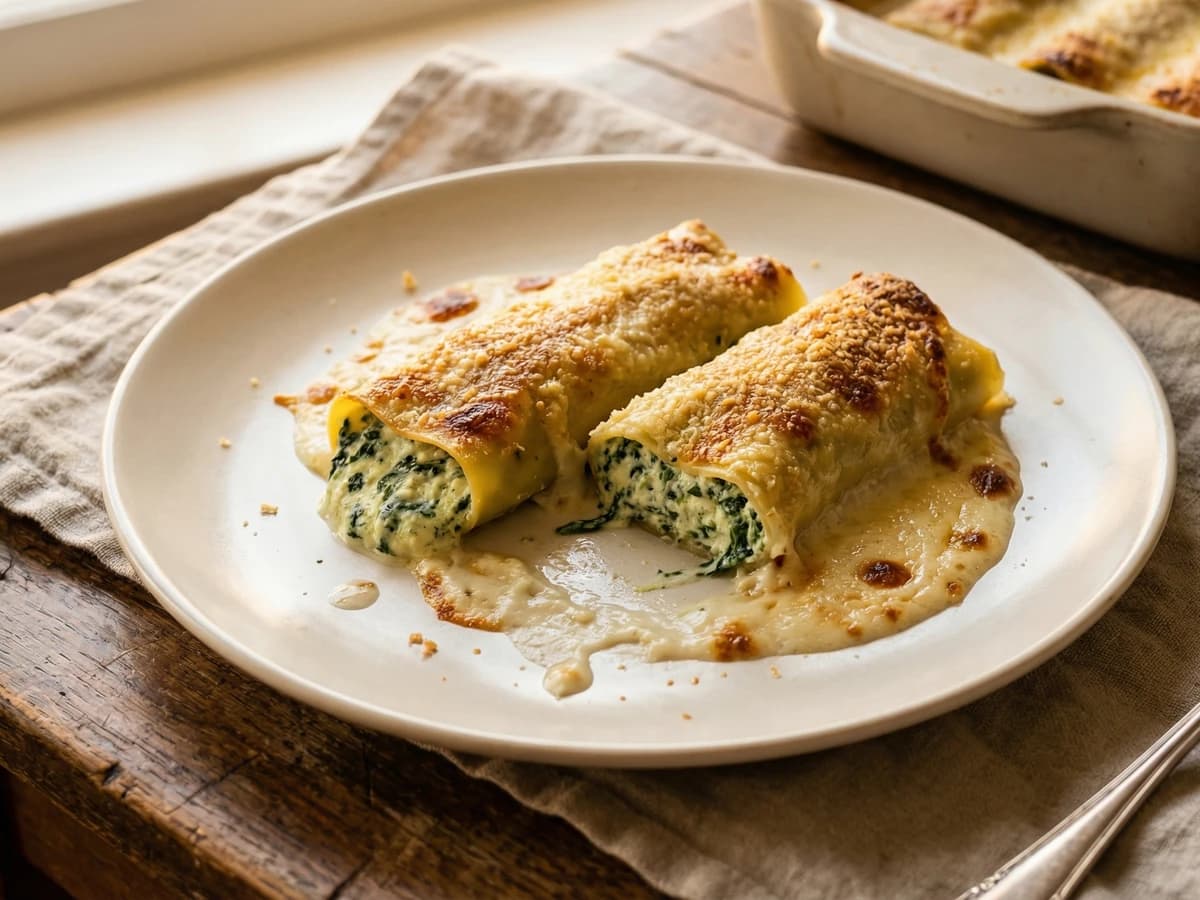
Hand-rolled pasta sheets wrapped around a filling of ricotta and spinach, covered in besciamella and baked until golden. This is the Sunday cooking of Emilia-Romagna, made without shortcuts.
Chef Graziella
The pasta of the Este dukes, where sweet roasted pumpkin meets fresh egg pasta in shapes like little peasant hats. Dressed only with butter and sage, as Ferrara has done since the Renaissance.