Chef Graziella
Casoncelli alla Bergamasca
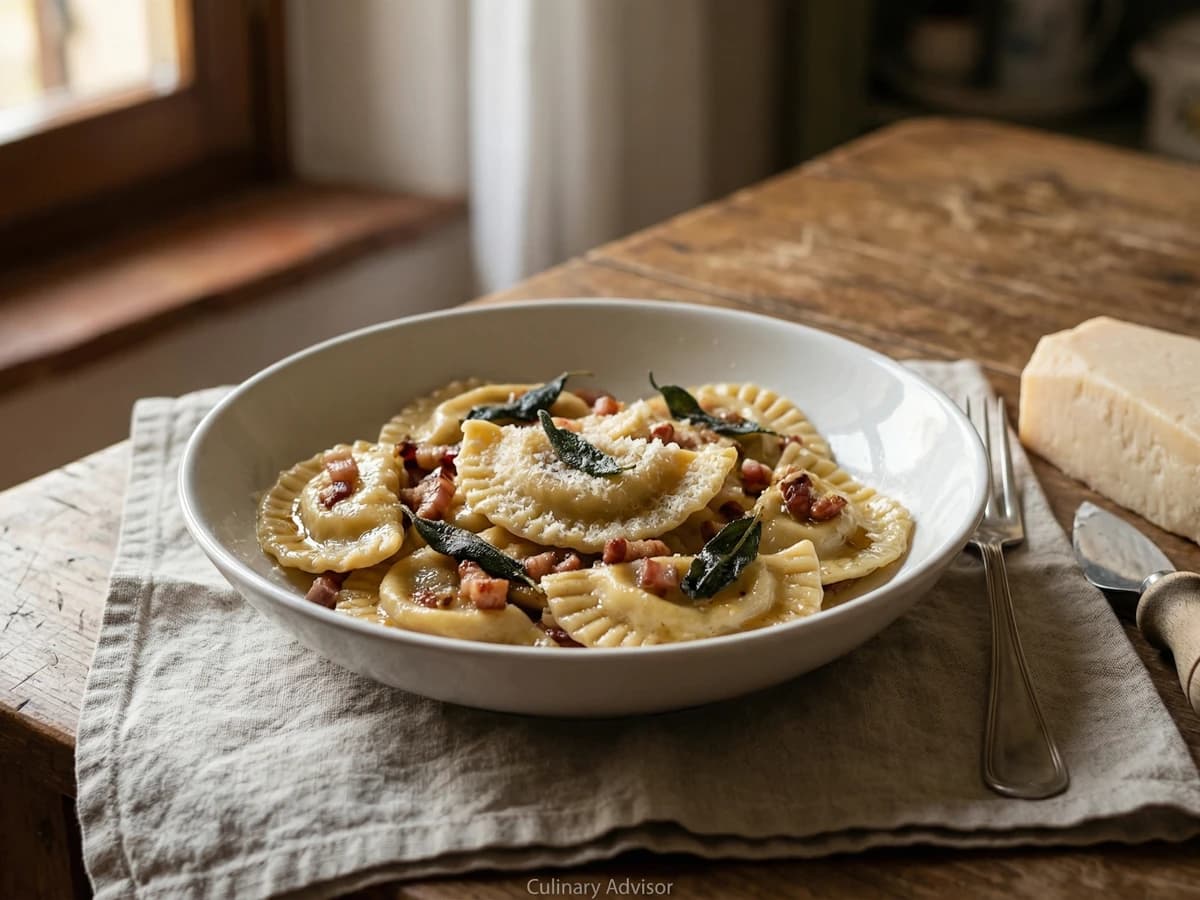
The stuffed pasta of Bergamo's valleys, where crushed amaretti in the meat filling creates a sweet-savory balance that exists nowhere else in Italy. Dressed simply in browned butter and sage.
A cooking platform built around craft, culture, and the stories behind what we eat.
Created by
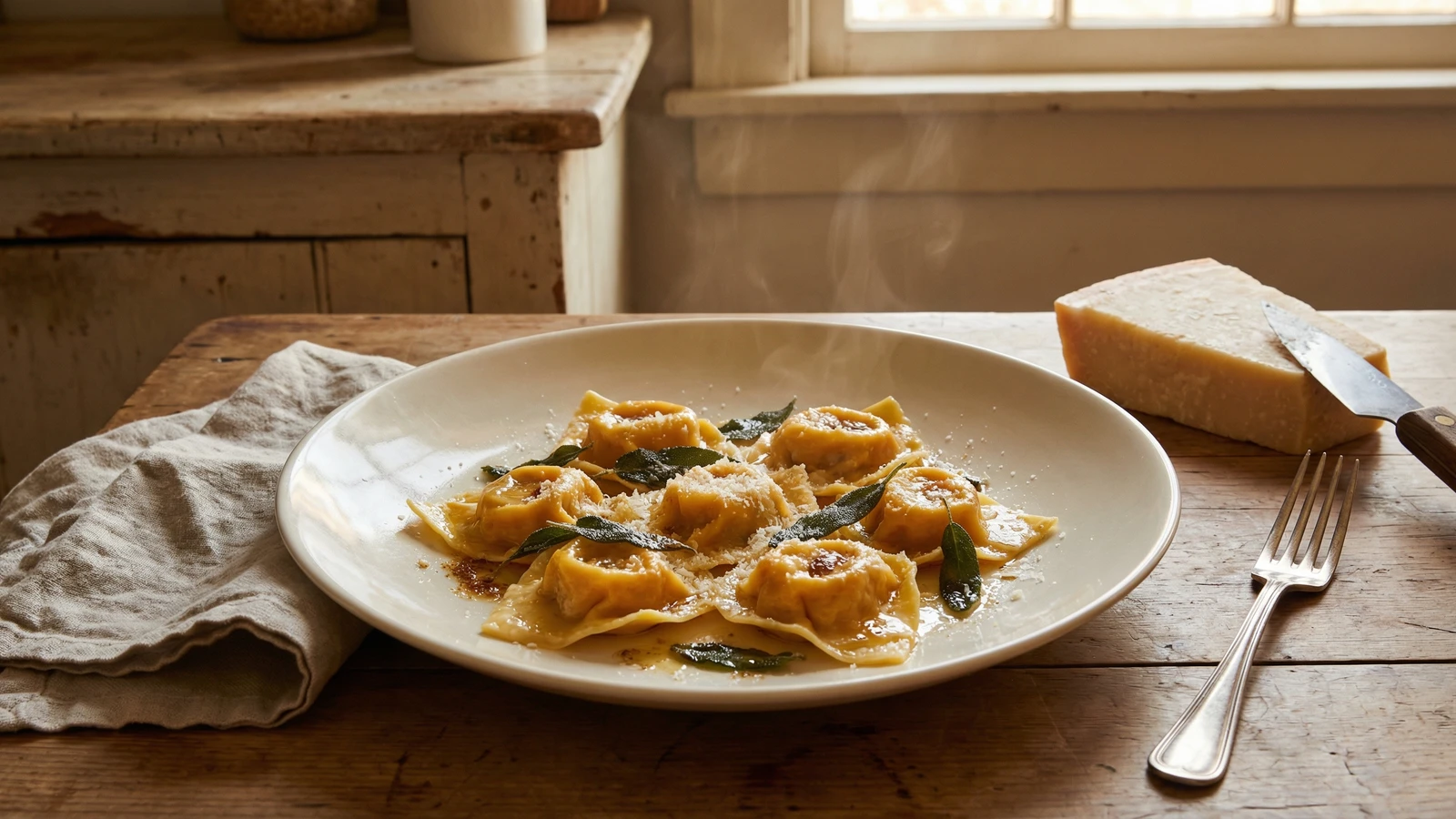
The filled pasta of the Gonzaga court, where roasted winter squash meets crushed amaretti and the spicy sweetness of mostarda. This is Mantuan cooking at its most refined and peculiar.
This is not a dish you improvise. Tortelli di zucca belongs to Mantua, to the kitchens of the Gonzaga dukes, to Christmas Eve tables where families have served it for five hundred years. The combination of sweet squash, almond cookies, and candied fruit in mustard syrup strikes Americans as strange. It struck me as strange when I first encountered it. Then I tasted it properly made, and I understood that the Mantuans had discovered something the rest of us had missed.
The filling walks a tightrope between sweet and savory. Too much amaretti and it becomes dessert. Too little mostarda and the filling is flat, merely sweet without the spicy counterpoint. The squash must be roasted until deeply caramelized, then drained of every drop of excess moisture. Wet filling makes soggy pasta. Soggy pasta is an abomination.
You cannot substitute the mostarda. Do not write to tell me you used chutney or jam with mustard powder. The mostarda di Cremona, with its whole candied fruits suspended in that sharp, nose-clearing syrup, is the soul of this dish. Find it at Italian specialty shops or order it. Without it, you are making something else entirely.
Tortelli di zucca appeared in the courts of the Gonzaga dynasty during the Renaissance, when Mantua was a center of artistic and culinary innovation. The dish combined New World squash with the sweet-spicy mostarda that wealthy Lombard families had enjoyed for centuries. It remains the obligatory first course of Christmas Eve dinner in Mantua, where families guard their filling proportions like state secrets.
Quantity
400g
Quantity
4
Quantity
pinch
Quantity
1.5 kg (about 3 pounds)
Quantity
150g
finely crushed
Quantity
100g
drained and finely chopped
Quantity
100g
freshly grated
Quantity
1/4 teaspoon
freshly grated
Quantity
to taste
Quantity
1
Quantity
150g
Quantity
20
Quantity
for passing at table
freshly grated
| Ingredient | Quantity |
|---|---|
| tipo 00 flour | 400g |
| large eggs | 4 |
| fine salt | pinch |
| butternut squash or Italian zucca | 1.5 kg (about 3 pounds) |
| amaretti cookiesfinely crushed | 150g |
| mostarda di Cremonadrained and finely chopped | 100g |
| Parmigiano-Reggianofreshly grated | 100g |
| nutmegfreshly grated | 1/4 teaspoon |
| fine salt | to taste |
| egg yolk (optional) | 1 |
| unsalted butter | 150g |
| fresh sage leaves | 20 |
| Parmigiano-Reggiano for servingfreshly grated | for passing at table |
Heat the oven to 200°C (400°F). Cut the squash in half lengthwise and scoop out the seeds. Place cut-side down on a parchment-lined baking sheet. Roast until completely tender and deeply caramelized, 50 to 70 minutes depending on size. The flesh should be golden brown in spots. Let cool until you can handle it.
Scoop the roasted flesh into a fine-mesh strainer set over a bowl. Press firmly with a spatula to extract as much liquid as possible. Let it drain for at least 30 minutes, pressing occasionally. The squash must be dry. Wet filling is the death of filled pasta. You should extract at least half a cup of liquid. Discard it.
Pass the drained squash through a food mill or mash thoroughly with a fork. You should have approximately 500g of squash puree. Add the crushed amaretti, chopped mostarda, grated Parmigiano, and nutmeg. Mix thoroughly. Taste. The filling should be sweet but with a sharp, spicy edge from the mostarda. Add salt judiciously. If the mixture seems too loose, add the egg yolk to bind it. Let the filling rest, covered, in the refrigerator while you make the pasta.
Mound the flour on a wooden board or clean work surface. Make a well in the center. Crack the eggs into the well and add the salt. Using a fork, beat the eggs while gradually incorporating flour from the inner walls of the well. When the mixture becomes too stiff to work with a fork, begin kneading with your hands. Knead vigorously for 10 minutes until the dough is smooth, elastic, and springs back when pressed. Wrap tightly in plastic and rest at room temperature for 30 minutes.
Divide the dough into four portions. Work with one portion at a time, keeping the rest covered. Roll through a pasta machine, starting at the widest setting and progressively narrowing until you reach the second-thinnest setting. The pasta should be thin enough to see your hand through, but sturdy enough to hold the filling. Lay the sheet on a lightly floured surface.
Cut the pasta sheet into 8cm (3-inch) squares. Place a rounded tablespoon of filling in the center of each square. Fold corner to corner to form a triangle, pressing firmly around the filling to seal and expel any air. Then bring the two bottom corners of the triangle together around your finger and press to seal, forming the traditional tortelli shape. Place finished tortelli on a flour-dusted tray, not touching. Continue with remaining dough and filling.
In a large skillet, melt the butter over medium heat. When it foams, add the sage leaves. Let the butter cook until it turns golden brown and smells nutty, and the sage leaves become crisp. This takes 3 to 4 minutes. Watch carefully. Brown butter becomes burnt butter in seconds. Remove from heat once properly colored.
Bring a very large pot of water to a gentle boil. Salt it well. Add the tortelli in batches, being careful not to crowd the pot. Fresh filled pasta is delicate. Cook until the pasta is tender and the edges are no longer raw, 3 to 4 minutes. They will float when nearly done. Lift them out with a slotted spoon or spider, draining well.
Transfer the drained tortelli directly to the warm sage butter. Gently toss to coat, adding a splash of pasta water if the butter has thickened. Arrange on warmed plates, 8 tortelli per serving. Spoon any remaining butter and crisp sage leaves over the top. Serve immediately with Parmigiano-Reggiano passed at the table. Once the pasta is sauced, invite your guests to put off talking and start eating.
1 serving (about 350g)
Culinary guides, cultural storytelling, and the editorial depth that makes cooking meaningful.
Discover Culinary ExplorerChef Graziella
The stuffed pasta of Bergamo's valleys, where crushed amaretti in the meat filling creates a sweet-savory balance that exists nowhere else in Italy. Dressed simply in browned butter and sage.

Chef Graziella
The Milanese cutlet made with pork instead of veal: bone-in, pounded thin, breaded simply, fried in clarified butter until the crust shatters at the touch of a fork. This is not schnitzel. This is older.
Chef Graziella
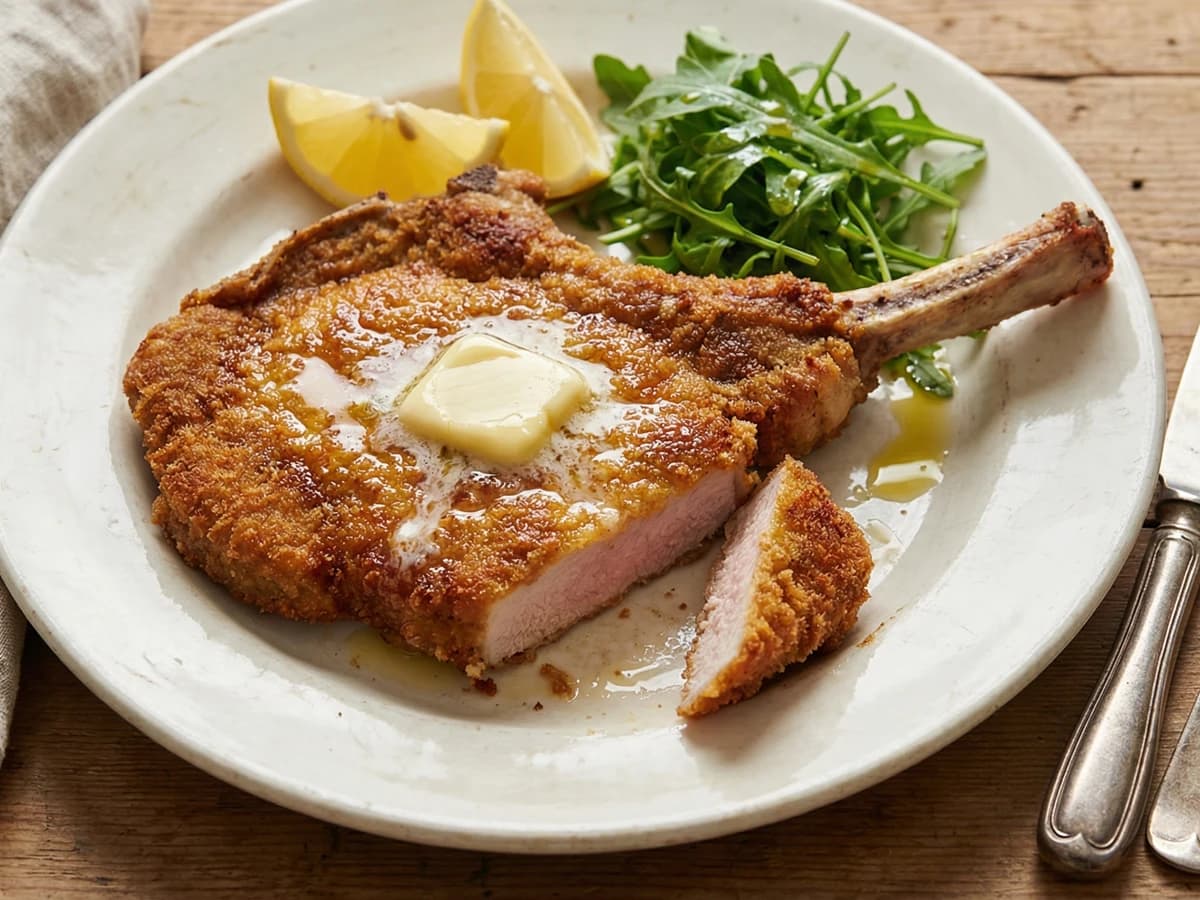
The original bone-in veal cutlet of Milan, pounded thin and fried in clarified butter until the crust shatters and the meat stays juicy. The Viennese borrowed this dish. The Milanese perfected it.
Chef Graziella
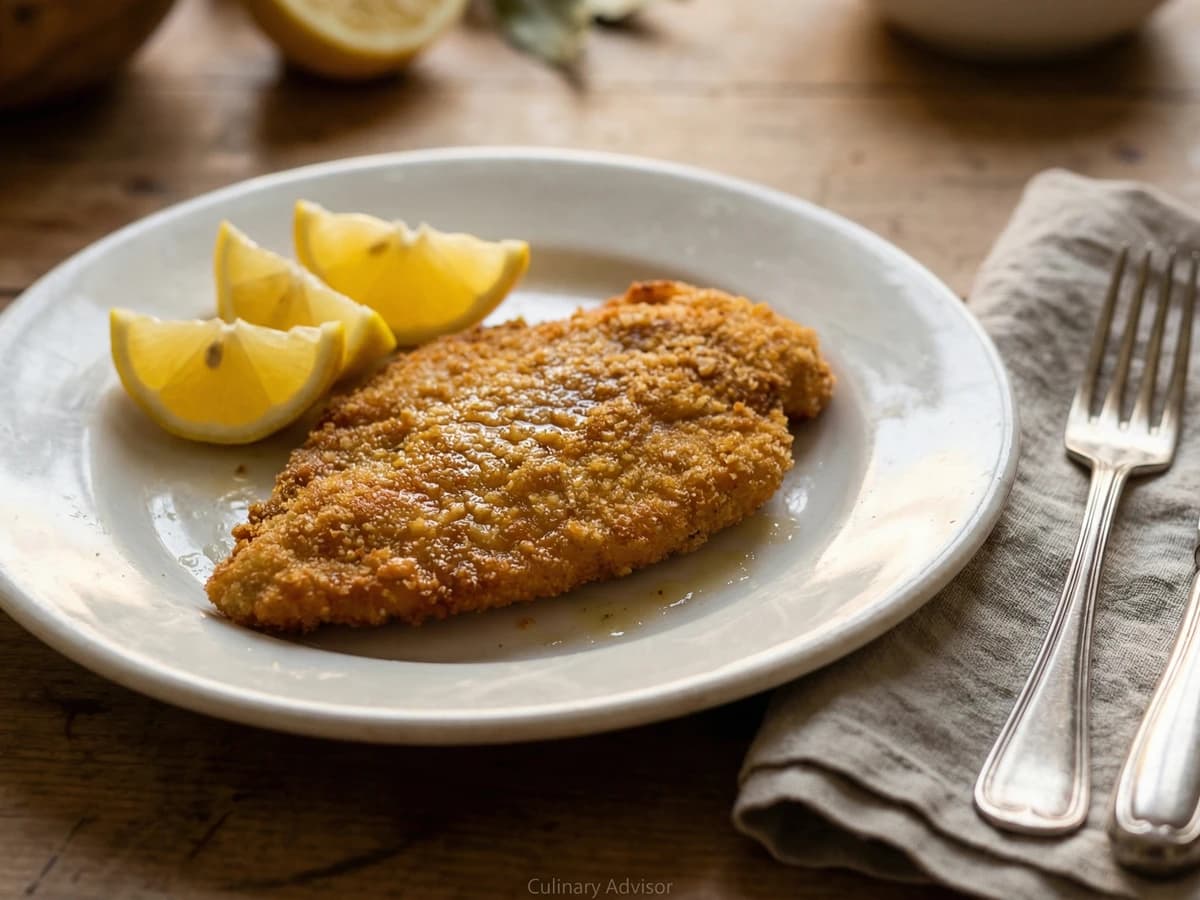
The golden cutlet of Lombardy, where chicken is pounded thin, coated in the finest crumbs, and fried in butter until it shatters at the touch of a fork. Lemon is the only adornment it needs.