
Chef Takumi
Abura Soba (油そば, brothless ramen)
Abura soba is ramen without the hiding place of soup: hot noodles, strong shōyu tare, fragrant oil, and the discipline to mix while every strand is still hot.
A cooking platform built around craft, culture, and the stories behind what we eat.

Created by
Tempura soba is not two difficult dishes forced into one bowl. It is clear dashi, clean noodles, and one shrimp fried at the last moment, so the crust seasons the broth.
Tempura soba should look almost too restrained: clear broth, brown-gray noodles, one shrimp tempura leaning across the bowl. One. If you bury the surface under fried things, you've made a different appetite, not a better bowl.
The hesitation is understandable. Dashi, soba, tempura, all in one evening sounds like a small examination. It isn't, if you keep the order straight. Make the dashi first so it can be clear and calm, cook the soba separately and rinse away the starch, then fry the shrimp at the very end. That last timing is the first secret: the crust should meet the broth while it still has life in it, crisp at the edges and beginning to season the soup underneath.
Soba has a fine bitterness, especially when new buckwheat, shin soba, appears in autumn. The broth must be clear enough to carry that fragrance, not heavy enough to drown it. Tempura brings richness, but only a little. We eat the shrimp first while the coat still crackles under the teeth, then taste the dashi after a few crumbs have given themselves to it. Restraint shows.
Tempura took shape in Japan after Portuguese contact in the sixteenth century, but the light seafood frying now called tempura became especially associated with Edo street stalls. Soba shops also flourished in Edo, where quick bowls of hot kake soba suited a crowded city and koikuchi shōyu gave the broth its darker edge. Tempura soba joined those two urban habits, and the regional argument still shows: Tokyo bowls tend darker and stronger, while Kansai bowls often lean paler and more dashi-forward.
Quantity
1 piece (about 10g)
Quantity
5 cups
Quantity
25g
Quantity
3 tablespoons
Quantity
2 tablespoons
Quantity
1 teaspoon
Quantity
1/4 teaspoon, plus more to taste
Quantity
180g
Quantity
2
peeled and deveined, tails left on
Quantity
1/2 cup, plus 2 tablespoons
kept cold; extra flour for dusting
Quantity
1 large
Quantity
1/2 cup
Quantity
3 cups
for frying
Quantity
1 tablespoon
Quantity
2
thinly sliced
Quantity
2 thin strips
Quantity
for serving
| Ingredient | Quantity |
|---|---|
| konbu (dried kelp) | 1 piece (about 10g) |
| cold water | 5 cups |
| katsuobushi (bonito flakes) | 25g |
| koikuchi shōyu (dark soy sauce) | 3 tablespoons |
| mirin | 2 tablespoons |
| sugar | 1 teaspoon |
| sea salt | 1/4 teaspoon, plus more to taste |
| dried soba noodles | 180g |
| large shrimppeeled and deveined, tails left on | 2 |
| cake flourkept cold; extra flour for dusting | 1/2 cup, plus 2 tablespoons |
| egg yolk | 1 large |
| ice-cold water | 1/2 cup |
| neutral oilfor frying | 3 cups |
| untoasted sesame oil (optional) | 1 tablespoon |
| scallionsthinly sliced | 2 |
| yuzu peel (optional) | 2 thin strips |
| shichimi tōgarashi (optional) | for serving |
Wipe the konbu with a damp cloth, but don't wash it. Put it in the cold water and bring it up slowly over low heat, about ten to twelve minutes. Pull the konbu the moment the water trembles and small bubbles climb the sides of the pot. Bring the water just to a gentle boil, add the katsuobushi all at once, then take the pot off the heat. Let the flakes sink for two or three minutes, then strain through a cloth-lined sieve and let it drip on its own.
Measure out 4 cups of dashi for the soup and save any extra for adjusting. In a clean saucepan, simmer the mirin for thirty seconds to soften its raw edge, then add the shōyu, sugar, salt, and dashi. Keep it hot without letting it boil hard. Taste it. It should be fuller than a clear soup but gentler than a dipping sauce, because the soba and tempura need room to speak.
Pat the shrimp very dry. Snip the very tip of each tail and scrape out the liquid with the back of the knife, because trapped water spits in hot oil. Make three or four shallow cuts across the belly side, then press the shrimp gently until it lengthens. This keeps it from curling into a tight little comma in the fryer.
Boil the soba in plenty of unsalted water, following the package time but tasting a strand early. Drain, then rinse under cold running water, rubbing the noodles lightly between your hands until they feel clean and no longer slippery with starch. Leave them in a colander while you fry the shrimp.
Pour the neutral oil into a tempura nabe or heavy pot, adding the sesame oil if you like its quiet nuttiness. Do not fill the pot more than halfway. Heat to 170 to 175 C, or 340 to 350 F. If you don't have a thermometer, dip in a dry chopstick: small lively bubbles should gather around it, not roar.
Just before frying, whisk the egg yolk with the ice-cold water. Add the 1/2 cup cake flour and stir with chopsticks only a few times. The batter should look loose and uneven, with small lumps still visible. A smooth batter means gluten has formed, and gluten gives you a heavy coat where tempura wants a light one.
Dust each shrimp lightly with the extra flour, shake off the excess, then dip into the batter. Lay the shrimp into the oil away from you. Fry for about two minutes, turning once, until the crust is pale gold and crisp and the shrimp is just cooked through. Drain on a wire rack, not flat on paper, so the underside stays crisp.
Pour hot water into the serving bowls, swirl, and empty them. Dip the rinsed soba into boiling water for ten to fifteen seconds, just long enough to warm it, then drain hard. Don't warm the noodles in the soup broth. Even after rinsing, they carry enough starch and water to weaken the clean taste of the dashi.
Divide the hot soba between the warmed bowls. Ladle the hot broth around the noodles, leaving the surface calm and not overfilled. Set one shrimp tempura across each bowl, add sliced scallion and a strip of yuzu peel if you have it, and serve at once with shichimi tōgarashi on the side. Eat the tempura while the crust still has its snap, then taste the broth it has begun to season.
1 serving (about 800g)
Culinary guides, cultural storytelling, and the editorial depth that makes cooking meaningful.
Discover Culinary ExplorerChef Takumi
Abura soba is ramen without the hiding place of soup: hot noodles, strong shōyu tare, fragrant oil, and the discipline to mix while every strand is still hot.
Chef Takumi
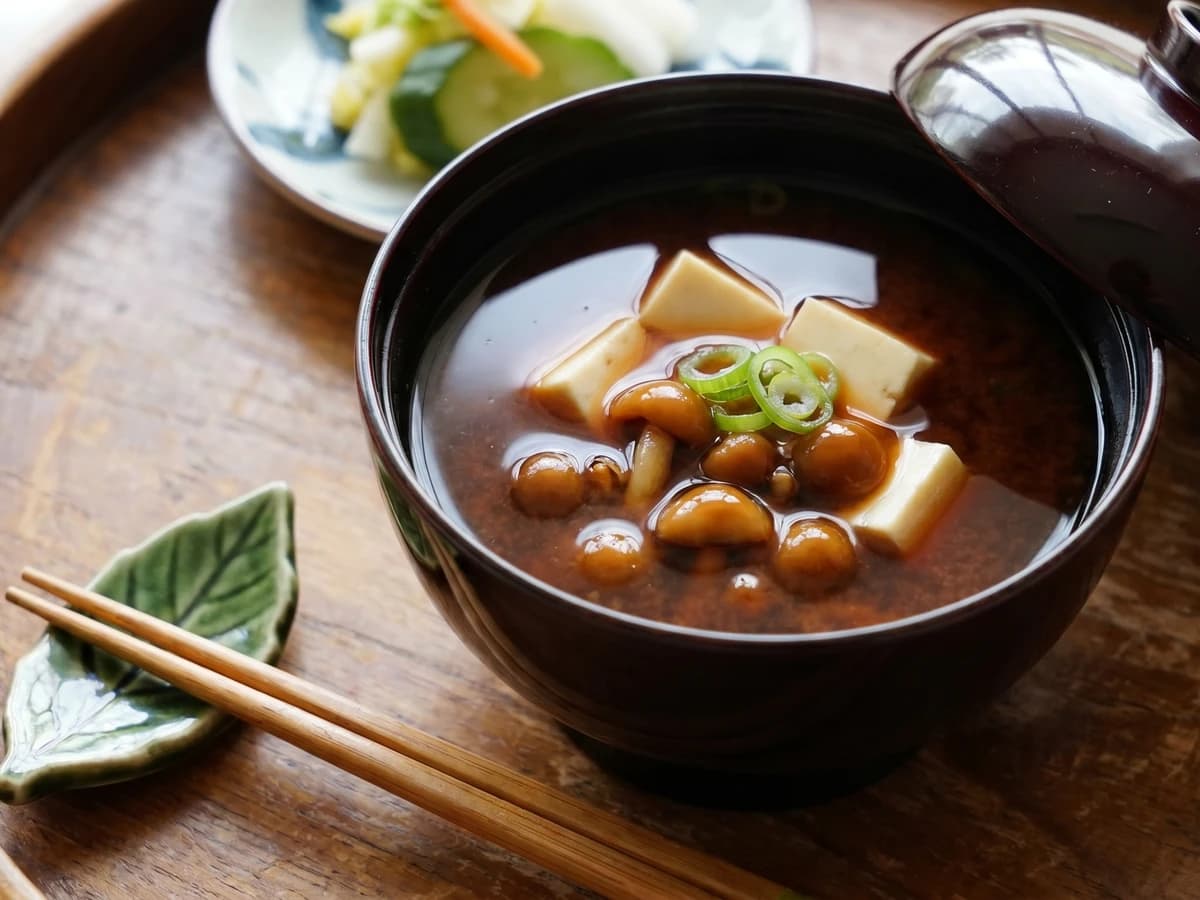
Akadashi asks you to trust the dark miso. Build a clear dashi, loosen the Hatchō mame-miso gently, and the soup turns coffee-dark, savory, and clean.

Chef Takumi
Toast the rice until its skin is firm, then let it meet chicken broth, burdock, maitake, and seri. The pot looks grand, but the work is rice, broth, and patience.
Chef Takumi
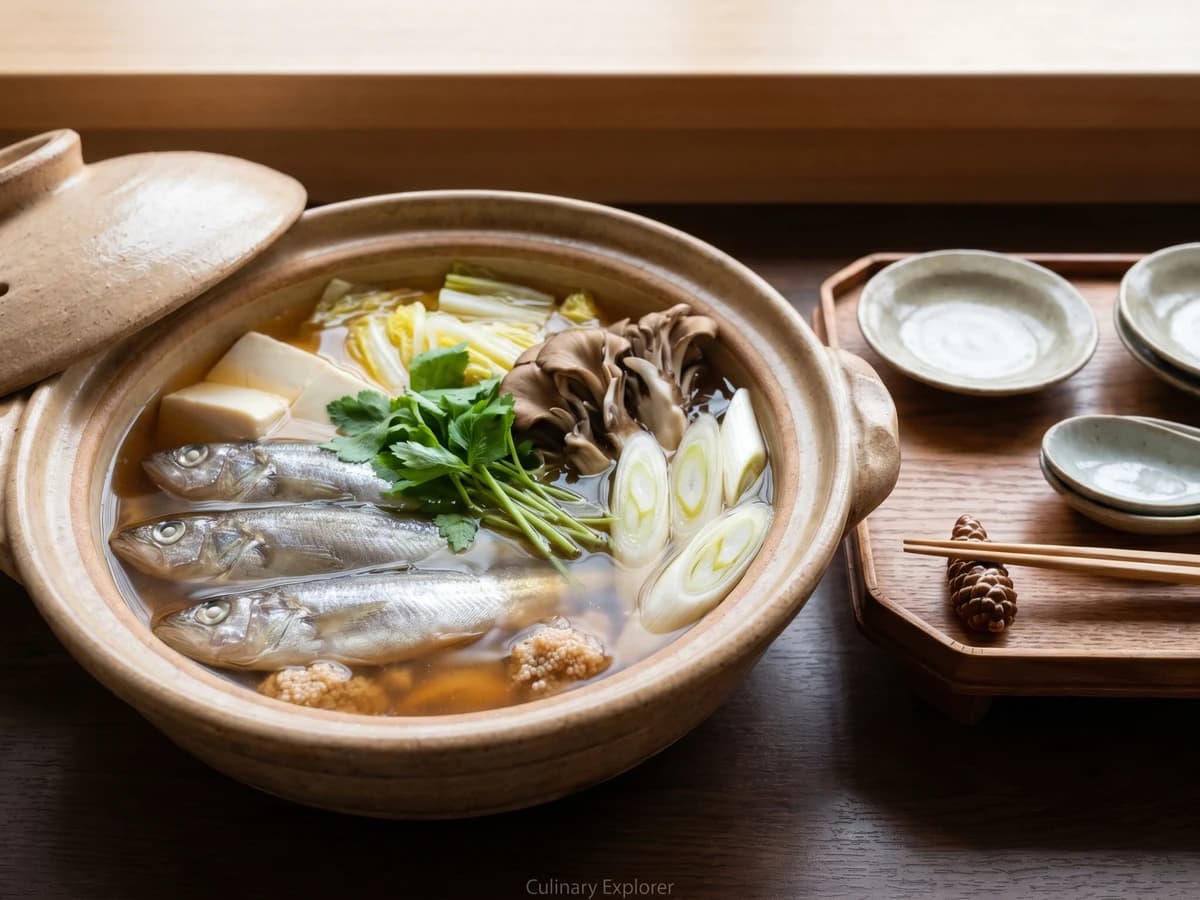
Shottsuru nabe is Akita winter in one pot: clean dashi, hatahata at shun, tofu and napa cabbage carrying a salt-deep broth without anything heavy enough to hide the fish.