Chef Graziella
Braciole alla Napoletana
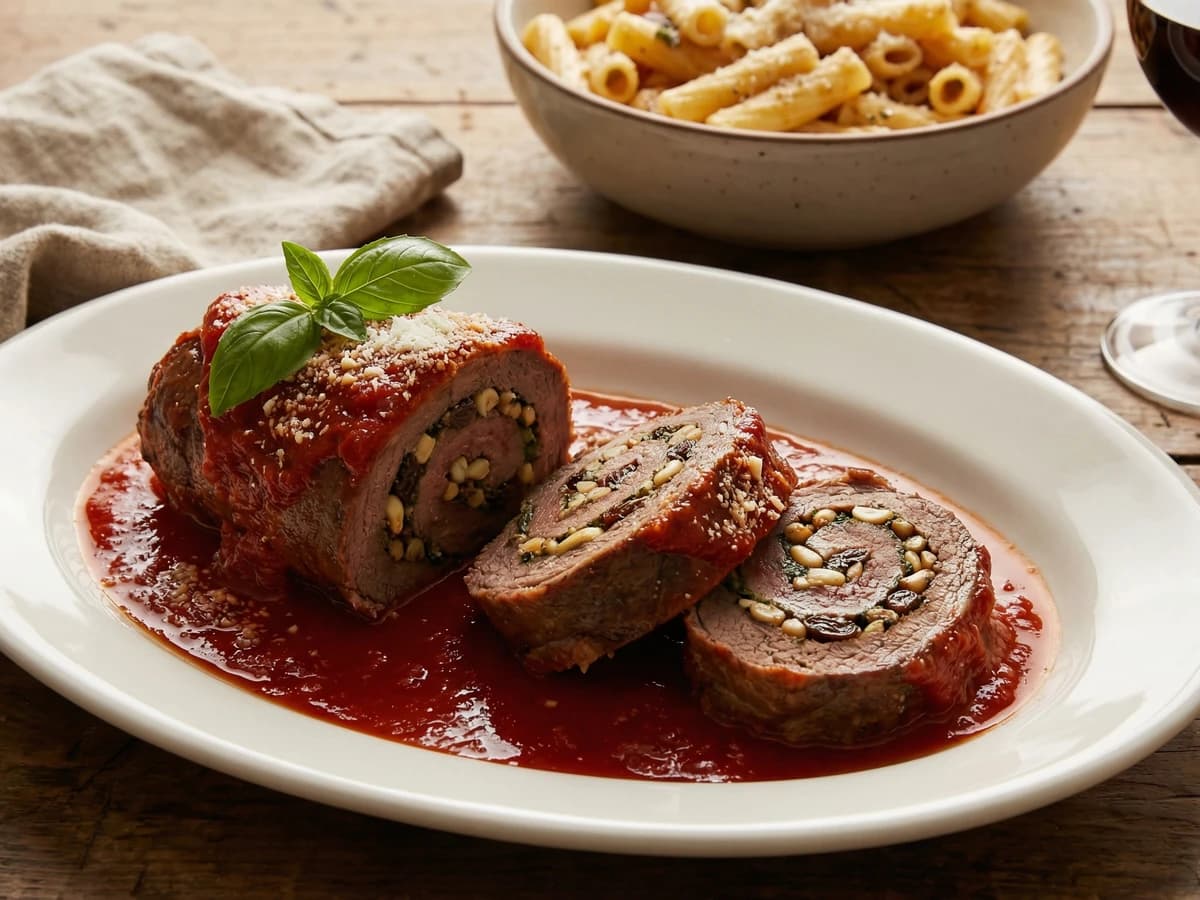
The Sunday ritual of Naples: beef rolls stuffed with pine nuts, raisins, and garlic, braised in tomato sauce until surrendering to tenderness. The sauce goes to the pasta. The meat comes second.
A cooking platform built around craft, culture, and the stories behind what we eat.
Created by
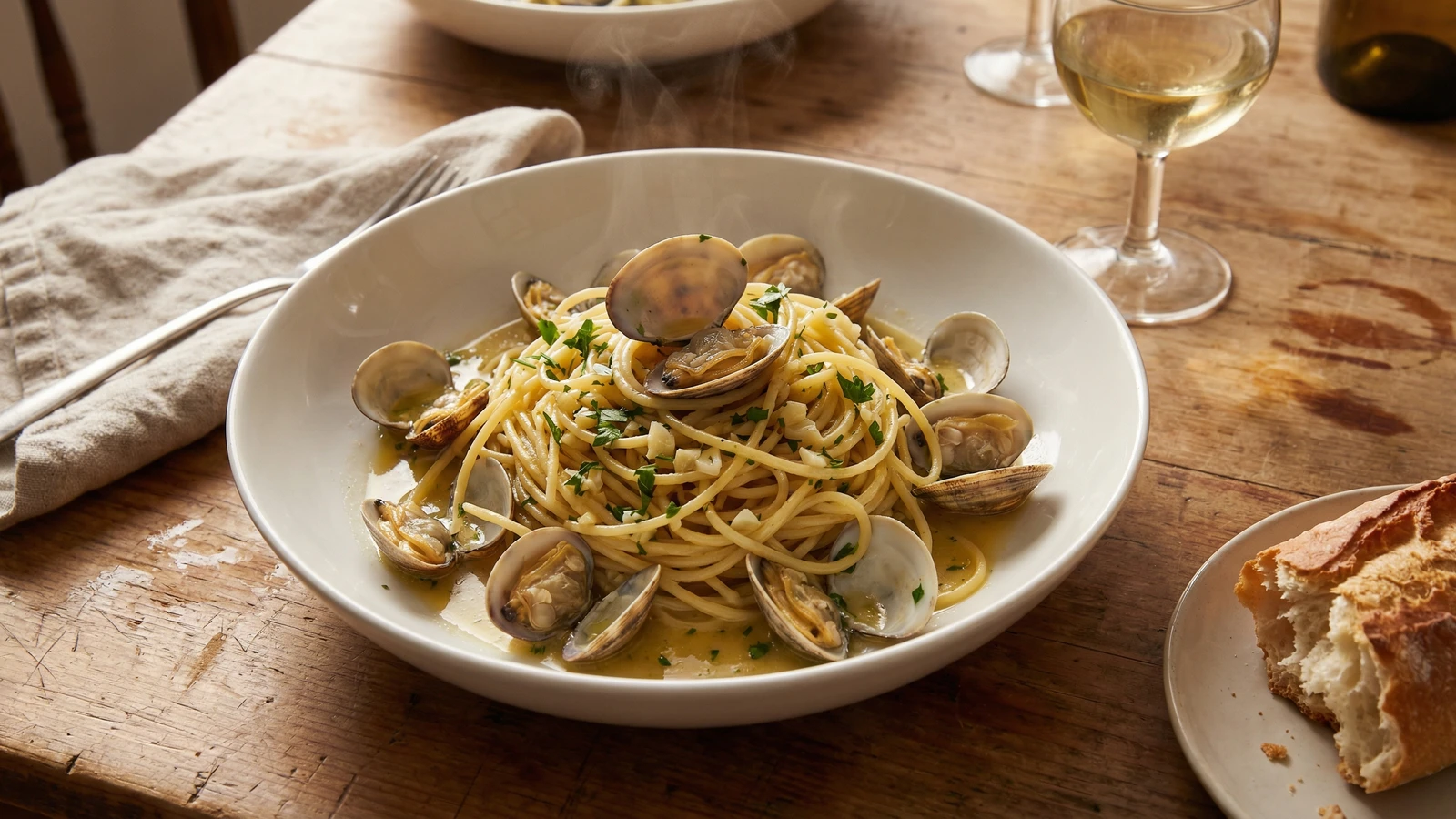
The iconic clam pasta of Naples, where briny shellfish liquor, white wine, garlic, and parsley become a sauce that needs nothing more. The shells open at the table like gifts.
This dish requires five ingredients and the discipline to use nothing else. No tomato. No cream. No cheese. What you keep out is as significant as what you put in.
The clams must be alive when you cook them. Their shells will open in the wine and release their liquor into the pan. This liquor, combined with good olive oil and the starch from the pasta water, creates a sauce that clings to each strand of spaghetti. You are not making a sauce and adding clams. You are allowing the clams to make the sauce for you.
Americans want to add things. They want to improve. Garlic bread on the side. Extra cheese. A squeeze of lemon. I tell them: the dish is complete. The Neapolitan fishermen who invented this were not lacking imagination. They understood that the sea provides its own seasoning. Your job is to listen.
Spaghetti alle vongole appeared in Neapolitan cookbooks by the 1830s, born in the kitchens near the Porto di Santa Lucia where fishermen sold their morning catch. The dish exists in two versions: in bianco (white, with wine and garlic) and in rosso (with tomato). The white version is older and, to my taste, purer. It allows the clams to speak without interruption.
Quantity
3 pounds
scrubbed clean
Quantity
1 pound
Quantity
1/2 cup
Quantity
4
sliced very thin
Quantity
1/4 teaspoon
Quantity
3/4 cup
Quantity
1/3 cup
chopped
Quantity
for pasta water
| Ingredient | Quantity |
|---|---|
| small clamsscrubbed clean | 3 pounds |
| spaghetti | 1 pound |
| extra virgin olive oil | 1/2 cup |
| garlic clovessliced very thin | 4 |
| red pepper flakes | 1/4 teaspoon |
| dry white wine | 3/4 cup |
| fresh flat-leaf parsleychopped | 1/3 cup |
| kosher salt | for pasta water |
Place the scrubbed clams in a large bowl of cold salted water for 30 minutes. This allows them to expel any sand. Discard any clams that are open and do not close when tapped sharply. These are dead. Do not cook dead shellfish.
Bring a large pot of water to a boil. Salt it generously. It should taste like the sea. Do not add the pasta yet. The timing must be coordinated with the clams.
In a pan large enough to hold all the pasta, warm the olive oil over medium heat. Add the sliced garlic and cook gently, stirring occasionally, until the garlic is pale gold and fragrant, about 2 minutes. The garlic must not brown. Brown garlic is bitter garlic. Add the red pepper flakes and stir for 30 seconds.
Lift the clams from their soaking water, leaving any sand behind, and add them to the pan. Pour in the wine immediately. Cover the pan and raise the heat to high. Cook for 4 to 6 minutes, shaking the pan occasionally, until the clams open. The moment most clams have opened, remove the pan from heat. Overcooking makes clams tough.
While the clams cook, add the spaghetti to the boiling water. Cook until two minutes short of the package time. The pasta will finish cooking in the clam juices. Reserve one cup of pasta water before draining.
Add the drained spaghetti directly to the pan with the clams. Return to medium-high heat. Toss vigorously, allowing the pasta to absorb the clam liquor. Add splashes of pasta water if the pan seems dry. The pasta should glisten with a light sauce that clings, not pools. This takes 2 minutes.
Remove from heat. Add the chopped parsley and toss once more. Taste for salt. The clam liquor is briny, so you may need none. Divide among warm bowls, distributing the clams evenly. Serve at once. Spaghetti alle vongole waits for no one.
1 serving (about 350g)
Culinary guides, cultural storytelling, and the editorial depth that makes cooking meaningful.
Discover Culinary ExplorerChef Graziella
The Sunday ritual of Naples: beef rolls stuffed with pine nuts, raisins, and garlic, braised in tomato sauce until surrendering to tenderness. The sauce goes to the pasta. The meat comes second.

Chef Graziella
Pork rolls stuffed with pine nuts, raisins, and prosciutto, then braised slowly in tomato sauce until fork-tender. In Naples, the sauce dresses pasta for the first course, and the meat follows as the second.
Chef Graziella
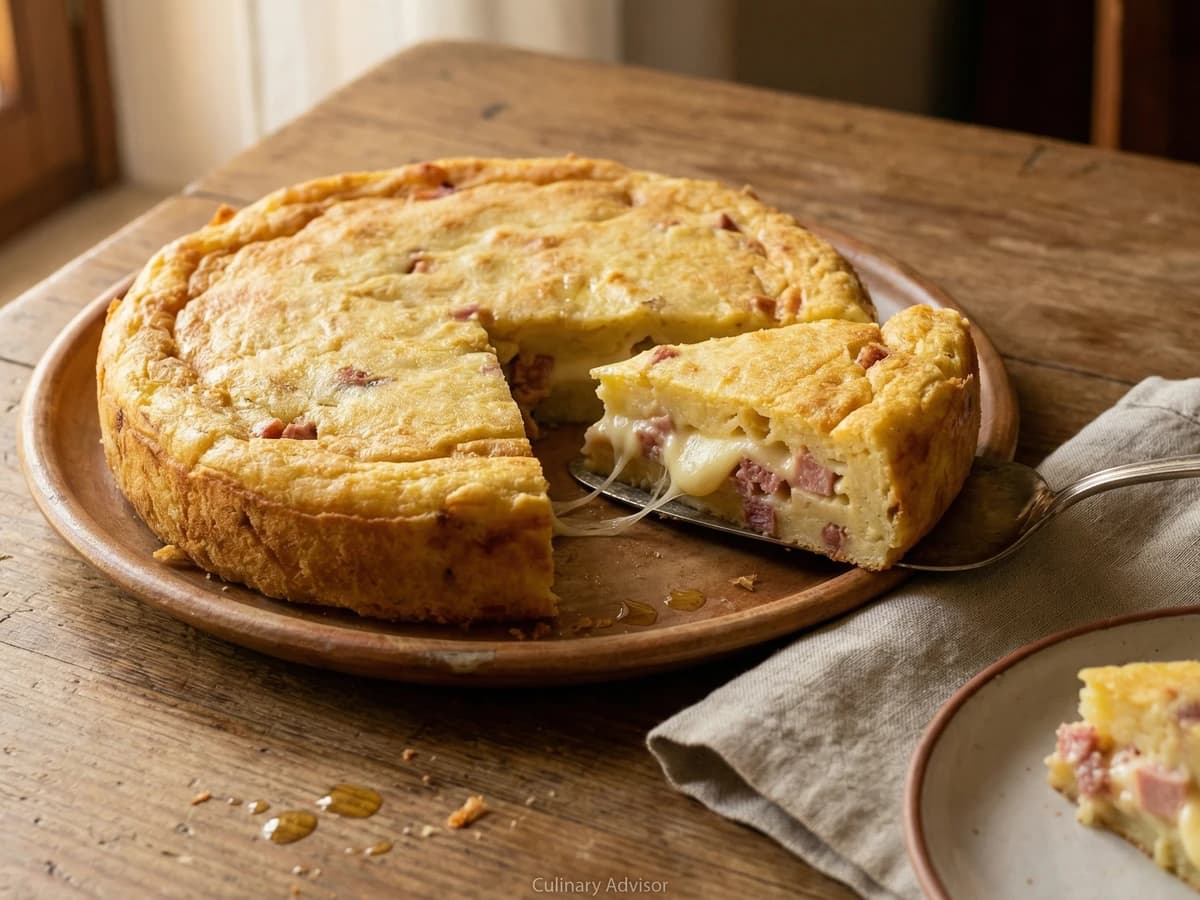
The baroque potato cake of Naples, where silky mashed potatoes enfold a hidden treasure of cheeses and cured meats, then bake until a golden crust gives way to molten richness within.
Chef Graziella
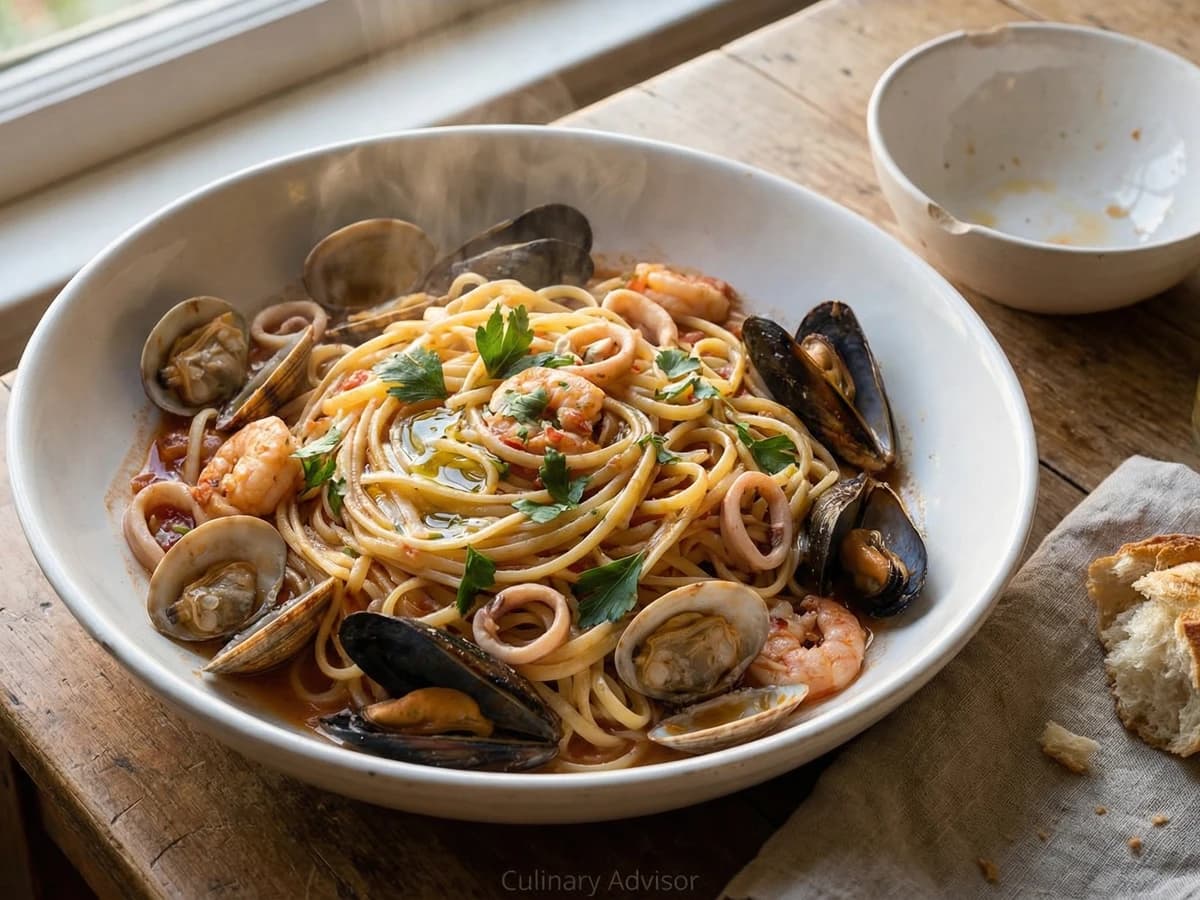
A tumble of clams, mussels, shrimp, and squid over linguine, bright with tomato and white wine. The fishermen's pasta of the Amalfi coast, where the rocks meet the sea.