Chef Graziella
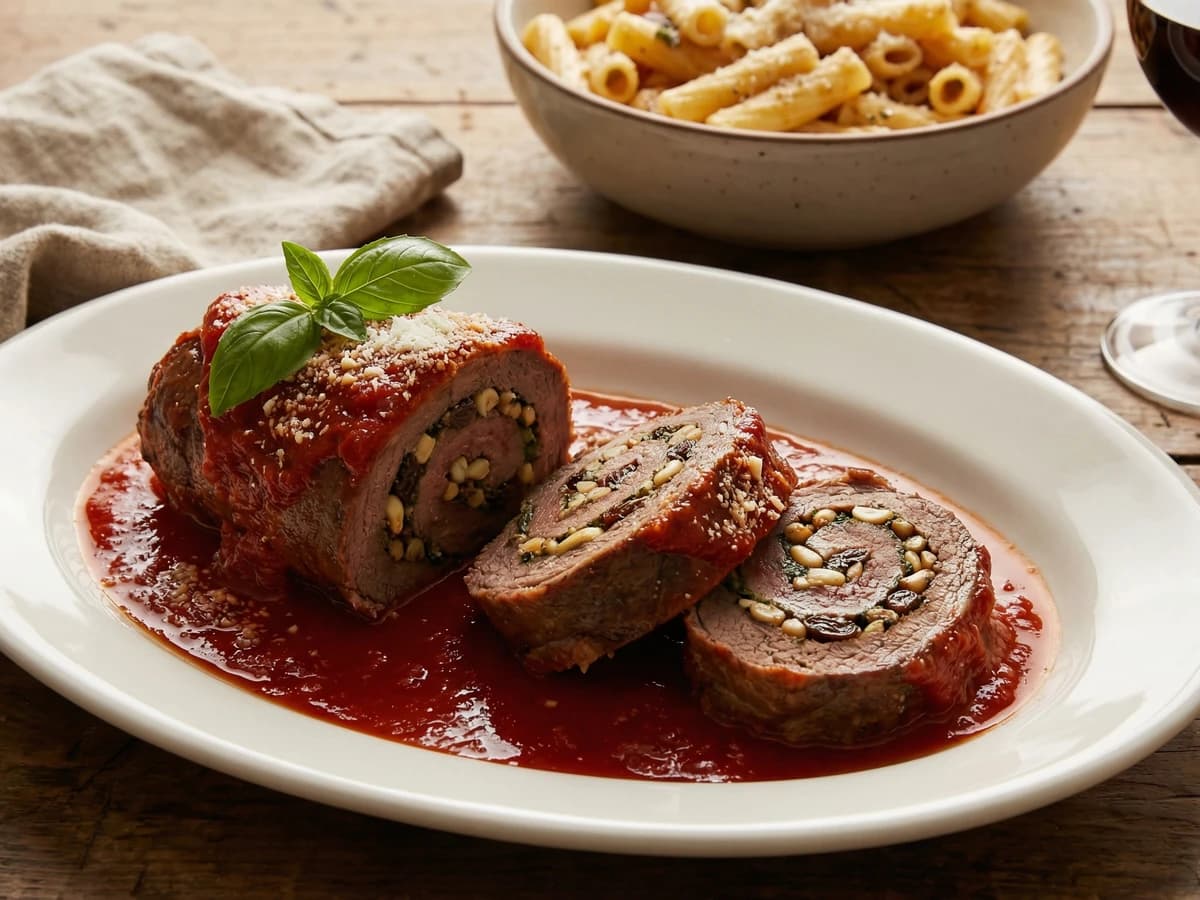
Braciole alla Napoletana
The Sunday ritual of Naples: beef rolls stuffed with pine nuts, raisins, and garlic, braised in tomato sauce until surrendering to tenderness. The sauce goes to the pasta. The meat comes second.
A cooking platform built around craft, culture, and the stories behind what we eat.

Created by
Four ingredients. Fifteen minutes. The dish that proves restraint is harder than excess, and that Neapolitan simplicity took centuries to perfect.
This is not a recipe for tomato sauce. This is the tomato sauce, the one that requires exactly four ingredients and the wisdom to use nothing else.
The garlic here is a whisper. You crush the cloves, infuse the oil, then remove them. What remains is perfume, not presence. This is the difference between cooking Italian food and cooking what Americans imagine Italian food to be.
Simple does not mean easy. It means every ingredient must earn its place. It means your technique must be sound because there is nowhere to hide mistakes. When your tomatoes are San Marzano, grown in volcanic soil at the foot of Vesuvius, you do not need to add anything. You need to get out of their way.
What you keep out is as significant as what you put in. No onion. No oregano. No red pepper flakes. No Parmigiano. I know this may trouble you. I know you want to add things. Resist.
For two centuries after Spanish ships brought tomatoes from Peru, Italians treated them as ornamental curiosities, pretty and possibly poisonous. It was the lazzaroni, the street-dwelling poor of 18th-century Naples, who discovered what the nobility missed: these strange fruits, cooked down with nothing but oil and salt, made cheap dried pasta extraordinary. The tomato's triumph began in Naples, and pasta al pomodoro remains Neapolitan to its core.
Quantity
1 pound
Quantity
1 can (28 ounces)
whole peeled
Quantity
1/4 cup, plus more for finishing
Quantity
3
peeled and lightly crushed
Quantity
1 small bunch (about 15 leaves)
Quantity
to taste
Quantity
pinch, if needed
| Ingredient | Quantity |
|---|---|
| spaghetti | 1 pound |
| San Marzano tomatoeswhole peeled | 1 can (28 ounces) |
| extra virgin olive oil | 1/4 cup, plus more for finishing |
| garlic clovespeeled and lightly crushed | 3 |
| fresh basil | 1 small bunch (about 15 leaves) |
| kosher salt | to taste |
| sugar (optional) | pinch, if needed |
Pour the olive oil into a large skillet and add the crushed garlic cloves. Place over medium-low heat. The garlic should sizzle gently, never brown. When it turns pale gold and you can smell it across the kitchen, after about 2 minutes, remove and discard the cloves. What remains is perfume, not presence. This is the difference between cooking Italian food and cooking what Americans imagine Italian food to be.
Pour the San Marzano tomatoes into the skillet with the infused oil. Crush them with a wooden spoon or your hands as they go in. Add a generous pinch of salt. Raise the heat to medium-high until the sauce begins to bubble, then reduce to a steady simmer. Cook uncovered for 12 to 15 minutes, stirring occasionally. The sauce should reduce and thicken slightly, the raw tomato smell replaced by something sweeter and deeper.
While the sauce simmers, bring abundant salted water to a vigorous boil. The water should taste like the sea. Add the spaghetti and cook until one minute short of the package directions. The pasta will finish cooking in the sauce. Reserve one cup of the starchy pasta water before draining.
Taste the sauce and adjust the salt. If the tomatoes are acidic, add a small pinch of sugar. Tear half the basil leaves and stir them into the sauce. Add the drained pasta directly to the skillet. Toss vigorously over medium heat for one minute, adding splashes of pasta water as needed. The sauce should coat the strands, not pool at the bottom. The starch in the water helps the sauce cling.
Remove from heat. Drizzle with your best olive oil and tear the remaining basil over the top. Toss once more. Divide among warm bowls immediately. Once the pasta is sauced, serve it promptly, inviting your guests and family to put off talking and start eating. There is no cheese with this pasta. The tomato needs nothing else.
1 serving (about 400g)
Culinary guides, cultural storytelling, and the editorial depth that makes cooking meaningful.
Discover Culinary ExplorerChef Graziella
The Sunday ritual of Naples: beef rolls stuffed with pine nuts, raisins, and garlic, braised in tomato sauce until surrendering to tenderness. The sauce goes to the pasta. The meat comes second.

Chef Graziella
Pork rolls stuffed with pine nuts, raisins, and prosciutto, then braised slowly in tomato sauce until fork-tender. In Naples, the sauce dresses pasta for the first course, and the meat follows as the second.
Chef Graziella
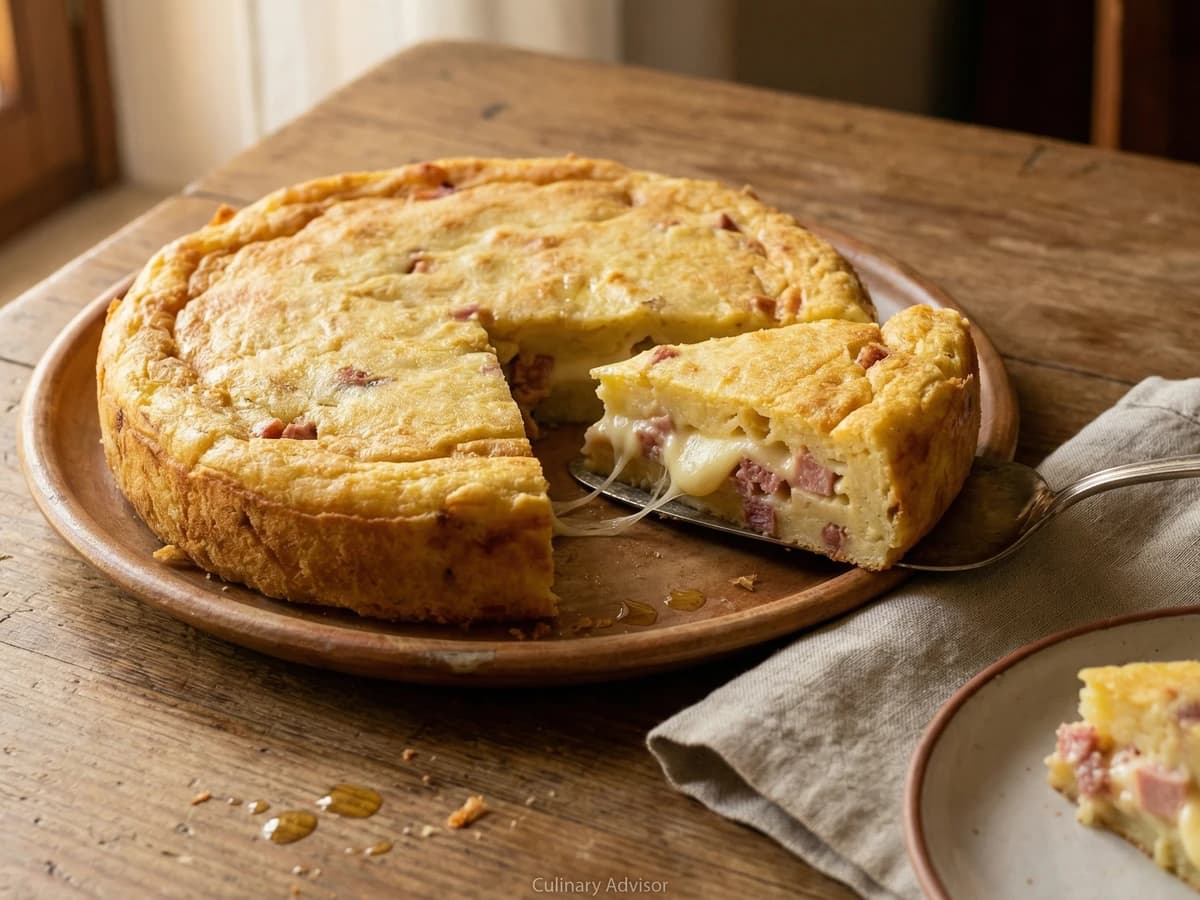
The baroque potato cake of Naples, where silky mashed potatoes enfold a hidden treasure of cheeses and cured meats, then bake until a golden crust gives way to molten richness within.
Chef Graziella
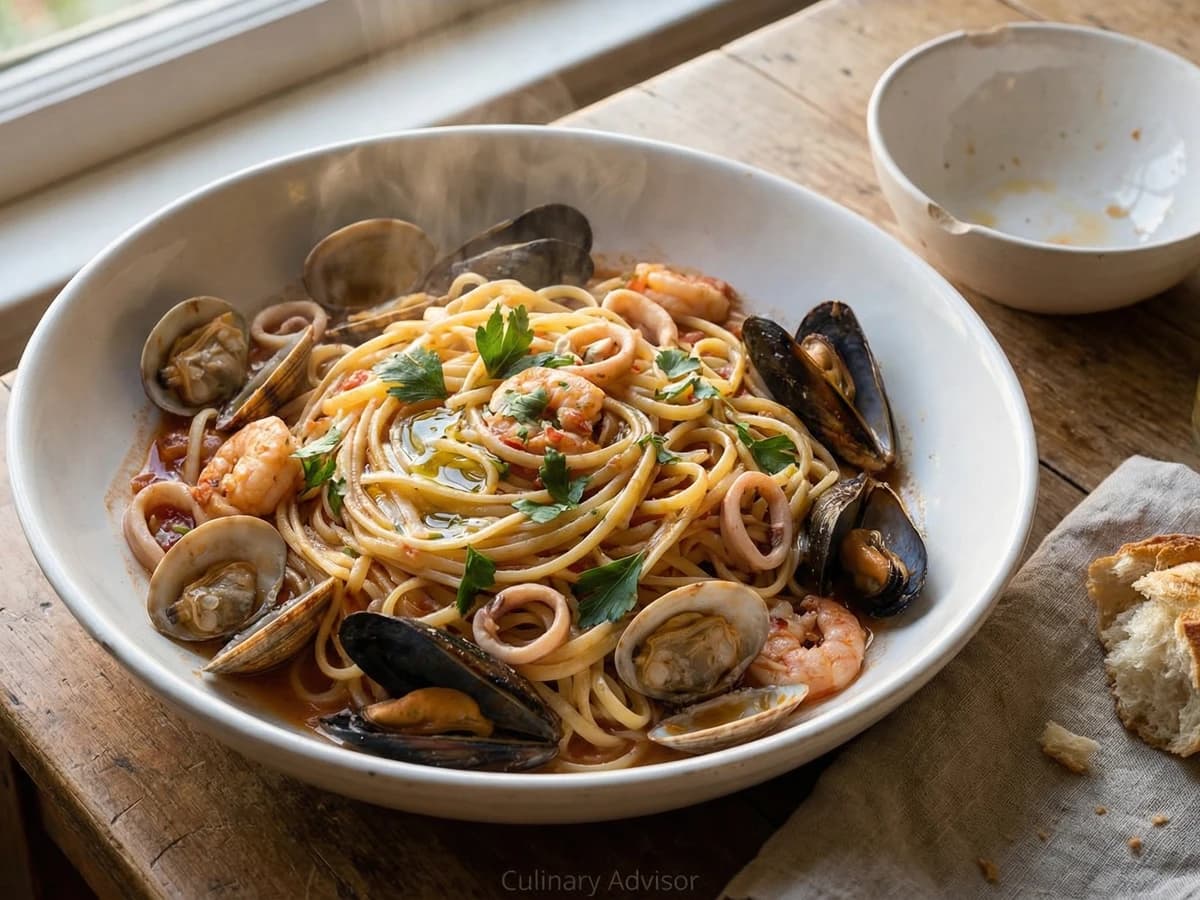
A tumble of clams, mussels, shrimp, and squid over linguine, bright with tomato and white wine. The fishermen's pasta of the Amalfi coast, where the rocks meet the sea.