
Chef Takumi
Agar Jelly with Anko and Fruit (あんみつ, Anmitsu)
Anmitsu looks like a tray of small tasks, but the work is calm: dissolve the kanten fully, chill the pieces clean, then let fruit, anko, and kuromitsu do the speaking.
A cooking platform built around craft, culture, and the stories behind what we eat.

Created by
Kagoshima's cheerful summer ice is not complicated: fine shaved ice, cold condensed milk syrup, and bright fruit placed with a steady hand so the bear appears before the bowl melts.
Shirokuma belongs to the thick heat of Kagoshima, when a bowl of milk-white ice makes more sense than another cup of tea. It can look fussy, especially once the fruit becomes a face. Don't be fooled by the smile. This is kakigōri, shaved ice, dressed with chilled condensed-milk syrup, anko, kanten, and fruit set in their proper places.
The one detail that decides it is texture. The ice must be shaved fine and the syrup must be cold, because warm syrup or coarse ice turns snow into rubble before the spoon arrives. Let a block of ice soften just until its surface glistens, then shave it in light layers and drizzle as you build. That way every spoonful tastes milky without drowning.
This is not a formal sweet whispering at the end of a quiet meal. It is Kagoshima summer food, generous and a little funny, the way we allow a dish to be when the weather is merciless. Use fruit at its shun, at its prime, but keep the Kagoshima character: condensed milk, anko, kanten, a cherry, and the face seen from above. Leave the rim clear. Even a polar bear needs ma.
Shirokuma is a Kagoshima form of kakigōri first served in 1947 at Tenmonkan Mujaki, a cafe in Kagoshima City's Tenmonkan district. Its name means polar bear, a reference to the milk-white ice and the fruit, raisins, and cherry arranged so the surface reads as a bear's face from above. The dessert became a local emblem after the postwar years; packaged Shirokuma cups now travel throughout Japan, but Kagoshima still points to the tall, decorated bowl as the original shape.
Quantity
900g
tempered just before shaving
Quantity
1/2 cup
Quantity
1/2 cup
cold
Quantity
2 tablespoons
Quantity
2 tablespoons
Quantity
1/2 cup
Quantity
1/2 cup
drained
Quantity
12
drained and chilled
Quantity
8
drained and chilled
Quantity
8 thin slices
drained and chilled
Quantity
1 small
sliced just before serving
Quantity
1 kiwi or 8 grapes
cut into small pieces
Quantity
4
Quantity
8
for the eyes
| Ingredient | Quantity |
|---|---|
| clear block icetempered just before shaving | 900g |
| sweetened condensed milk | 1/2 cup |
| whole milkcold | 1/2 cup |
| sugar | 2 tablespoons |
| water | 2 tablespoons |
| anko (sweet red bean paste) | 1/2 cup |
| prepared kanten jelly cubesdrained | 1/2 cup |
| canned mikan orange segmentsdrained and chilled | 12 |
| canned pineapple chunksdrained and chilled | 8 |
| canned peach slicesdrained and chilled | 8 thin slices |
| bananasliced just before serving | 1 small |
| kiwi or green grapescut into small pieces | 1 kiwi or 8 grapes |
| candied cherries | 4 |
| raisinsfor the eyes | 8 |
Put the serving bowls in the freezer for at least 30 minutes. Keep the milk, fruit, kanten, and anko cold in the refrigerator. Ice melts from every warm surface it touches, so chilling the bowl and toppings buys you the few minutes this dish needs.
Warm the sugar and water in a small saucepan just until the sugar dissolves and the liquid turns clear. Cool it completely, then whisk in the condensed milk and cold whole milk. Don't cook the milk. Shirokuma wants a clean, milky sweetness, not a cooked taste.
Drain the mikan, pineapple, and peach well, then blot them lightly. Cut the kiwi or grapes into small pieces and leave the banana until the last moment so it doesn't darken. Wet, heavy fruit collapses the shaved ice, and oversized pieces slide down the mound instead of settling into it.
Set the block ice at room temperature for 5 to 10 minutes, just until the surface begins to glisten. Ice straight from the freezer is too hard and shaves into chips. Slightly tempered ice meets the blade cleanly and falls like soft snow.
Spoon a little anko and a few kanten cubes into each chilled bowl. Shave a loose mound of ice over them, drizzle with milk syrup, then shave another light layer on top. Build, don't pack. Pressed ice drinks syrup too quickly and turns heavy, while loose ice keeps the fine texture you worked for.
Pour a final spoonful of milk syrup over the peak. Place one cherry near the top or center as the nose, two raisins as the eyes, and fruit around the mound in small odd-numbered groups. Tuck anko and kanten where they can be seen, but keep the rim of the bowl clear. The bear should read from above, and the empty space keeps the bowl calm.
Serve at once with long spoons. Shirokuma is made at the pace of melting, which is to say it waits for no cook. The first spoonful should be snowy, milky, and cold all the way through.
1 serving (about 435g)
Culinary guides, cultural storytelling, and the editorial depth that makes cooking meaningful.
Discover Culinary ExplorerChef Takumi
Anmitsu looks like a tray of small tasks, but the work is calm: dissolve the kanten fully, chill the pieces clean, then let fruit, anko, and kuromitsu do the speaking.

Chef Takumi
A cool square of almond-scented milk, set softly and served with mikan in thin syrup, is dinner-party food without theater. The only stern demand is restraint with the fragrance.

Chef Takumi
Azuki bar asks for patience twice: once while the beans soften, and once while the frozen bar yields. That hardness is not a flaw. It is the character of the thing.
Chef Takumi
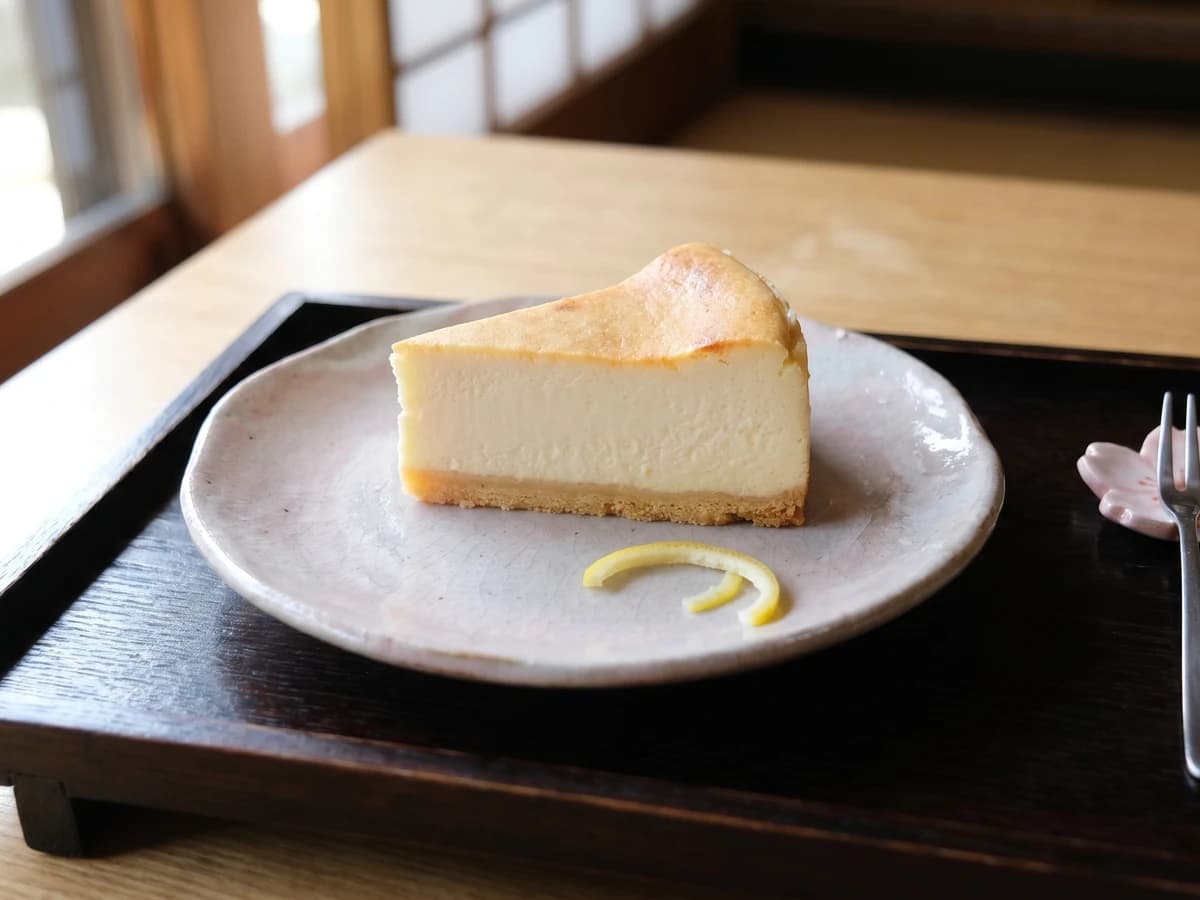
A Japanese baked cheesecake is not trying to float away. It is dense, smooth, and quietly tart, with a clean slice doing the work of decoration.