
Chef Takumi
Aji Fry (アジフライ, panko-fried horse mackerel)
Aji fry is weeknight fish with no mystery: fresh horse mackerel opened cleanly, breaded lightly, and fried until the panko crackles while the flesh stays sweet.
A cooking platform built around craft, culture, and the stories behind what we eat.
Created by
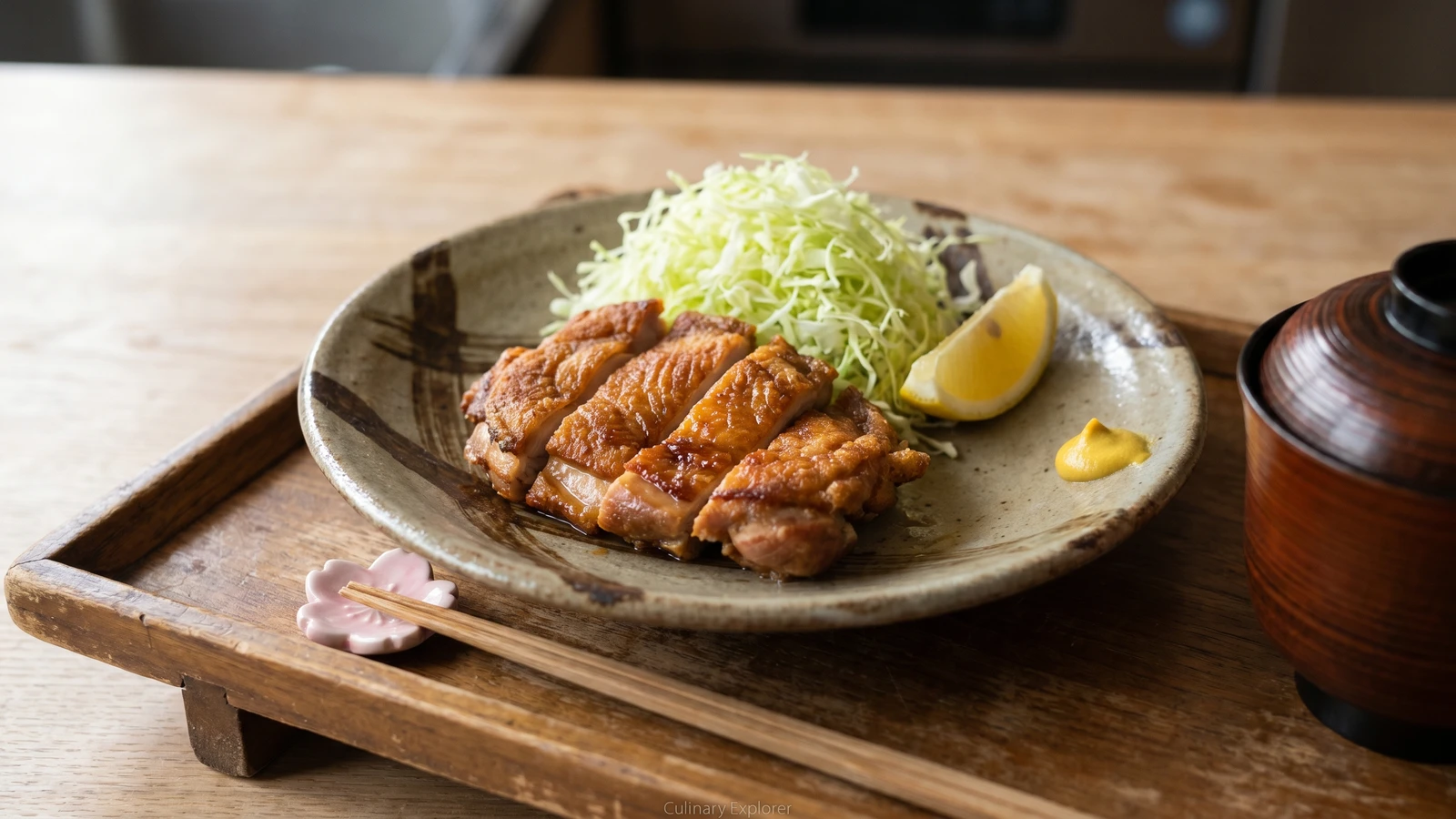
A whole chicken thigh, soy-dark and fragrant with garlic, fried flat under a crisp potato-starch coat. Sanzoku-yaki looks rowdy, but the method is plain mountain generosity.
Awhole chicken thigh has a different courage from little pieces of karaage. It lands on the plate wide and rough-edged, crisp at the corners, juicy underneath, the sort of food that doesn't apologize for taking up space. Sanzoku-yaki looks like a feat. It isn't. The trick is to open the thigh flat, season it deeply, and let the starch do its quiet work.
The one detail that decides it is the dredge. Potato starch clings lightly, then fries into a dry, crisp shell that doesn't drink oil the way a heavy flour coating can. Press it on, let it sit until the surface turns a little damp, then dust once more before it goes into the pot. That second touch gives the crust enough body to protect the meat while the thigh cooks through.
Garlic and ginger make this feel more robust than much of everyday washoku, but the seasoning is still honest: soy, sake, a little mirin, and aromatics. Nothing hidden. Use a fresh, boneless thigh with the skin left on if you can, because the skin gives the crust its best crackle and the dark meat stays forgiving. Fry it flat, cut it after cooking, and serve it with shredded cabbage and lemon so the richness has somewhere clean to land.
Nagano-style Sanzoku-yaki is associated with the Chūshin area of central Nagano, especially Matsumoto and Shiojiri, where it became a local specialty in the twentieth century. Its origin is debated: Shiojiri points to shops that served large garlic-soy fried chicken under the name, while Matsumoto developed its own strong local claim through diners and station-area eating places. The name means "bandit grill," though the Nagano dish is fried; one common explanation links it to wordplay around sanzoku, bandits who "take" things, and tori, chicken.
Quantity
2 (about 300g each)
skin on
Quantity
3 tablespoons
Quantity
1 tablespoon
Quantity
1 tablespoon
Quantity
2 teaspoons
grated
Quantity
2 large cloves
grated
Quantity
1 teaspoon
Quantity
1/2 teaspoon
Quantity
3/4 cup, plus more as needed
Quantity
for deep-frying
Quantity
2 cups
finely shredded
Quantity
2
Quantity
to serve
| Ingredient | Quantity |
|---|---|
| boneless chicken thighsskin on | 2 (about 300g each) |
| soy sauce | 3 tablespoons |
| sake | 1 tablespoon |
| mirin | 1 tablespoon |
| fresh gingergrated | 2 teaspoons |
| garlicgrated | 2 large cloves |
| sugar | 1 teaspoon |
| sea salt | 1/2 teaspoon |
| potato starch | 3/4 cup, plus more as needed |
| neutral oil | for deep-frying |
| cabbagefinely shredded | 2 cups |
| lemon wedges | 2 |
| Japanese mustard or shichimi togarashi (optional) | to serve |
Lay each thigh skin-side down and trim any loose fat. Slice into the thick parts from the meat side without cutting through, then press the thigh open until it sits nearly even. This is not decoration. An even thigh fries before the crust darkens too far, and the skin can meet the oil in one broad sheet.
Stir together the soy sauce, sake, mirin, ginger, garlic, sugar, and salt. The sake helps the seasoning spread, the mirin rounds the soy, and the garlic gives Sanzoku-yaki its mountain appetite. Taste the marinade on a fingertip. It should be salty and sharp, because the chicken is not staying in it all day.
Put the thighs in the marinade and turn them well, rubbing some of the ginger and garlic into the cut side. Rest 30 minutes at room temperature, or up to 2 hours in the refrigerator. Longer is not better here: too much time in soy tightens the surface and makes the crust dark before the meat is done.
Lift the thighs from the marinade and wipe off clinging garlic bits with your fingers, leaving the meat glossy but not dripping. Dredge generously in potato starch, pressing it into the cuts and over the skin. Let the pieces rest on a rack for 10 minutes, until pale damp patches appear, then dust those spots again. That little wait makes the coating grip instead of sliding off in the pot.
Pour oil 4 to 5cm deep into a heavy pot and heat to 170°C. Use a thermometer if you have one. Without one, drop in a pinch of starch: it should sink, rise quickly, and fizz steadily. If the oil is too cool, the crust drinks oil. If it is too hot, the soy-dark marinade browns before the thigh cooks through.
Lower one thigh into the oil skin-side down, holding it flat with chopsticks for the first few seconds so it doesn't curl. Fry 5 to 6 minutes, turning once, until the crust is deep golden brown and the thickest part reaches 74°C. Keep the oil between 165°C and 175°C. That steady heat is the whole promise: crisp outside, cooked cleanly through.
Lift the chicken to a rack and rest it 5 minutes before cutting. The rest is not politeness. It lets the juices settle back into the meat, so the first cut doesn't empty the thigh onto the board. Slice each thigh into broad strips, keeping the skin side up so the crust stays crisp.
Set the sliced thigh beside a small mound of shredded cabbage and a lemon wedge. Add Japanese mustard or a pinch of shichimi togarashi if you like. Serve while the crust is still dry and crisp, with rice close by. This is generous food, but it still needs room on the plate.
1 serving (about 350g)
Culinary guides, cultural storytelling, and the editorial depth that makes cooking meaningful.
Discover Culinary ExplorerChef Takumi
Aji fry is weeknight fish with no mystery: fresh horse mackerel opened cleanly, breaded lightly, and fried until the panko crackles while the flesh stays sweet.
Chef Takumi
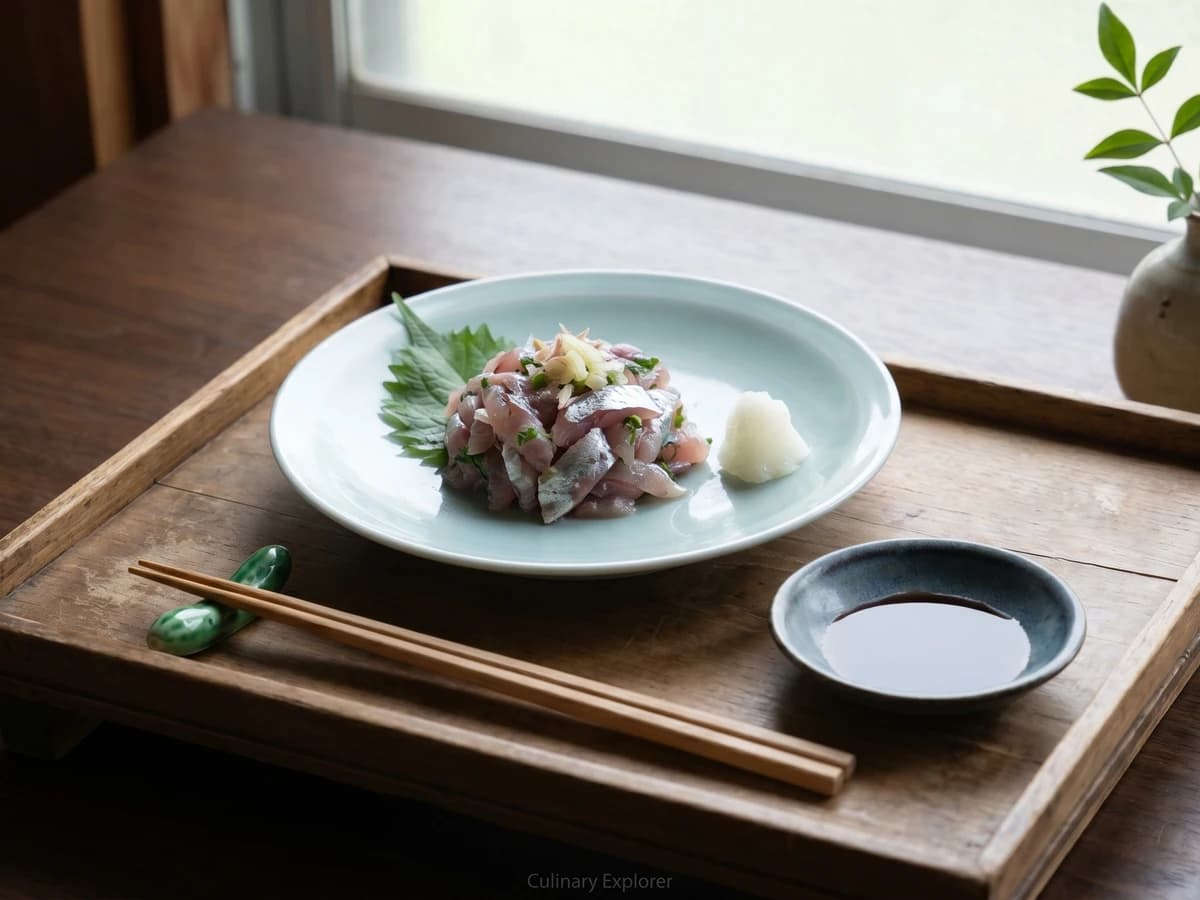
Summer horse mackerel, chopped just enough to catch ginger and scallion, becomes a cool, clean main dish with rice. The secret is fresh fish and a knife that does not bruise it.
Chef Takumi
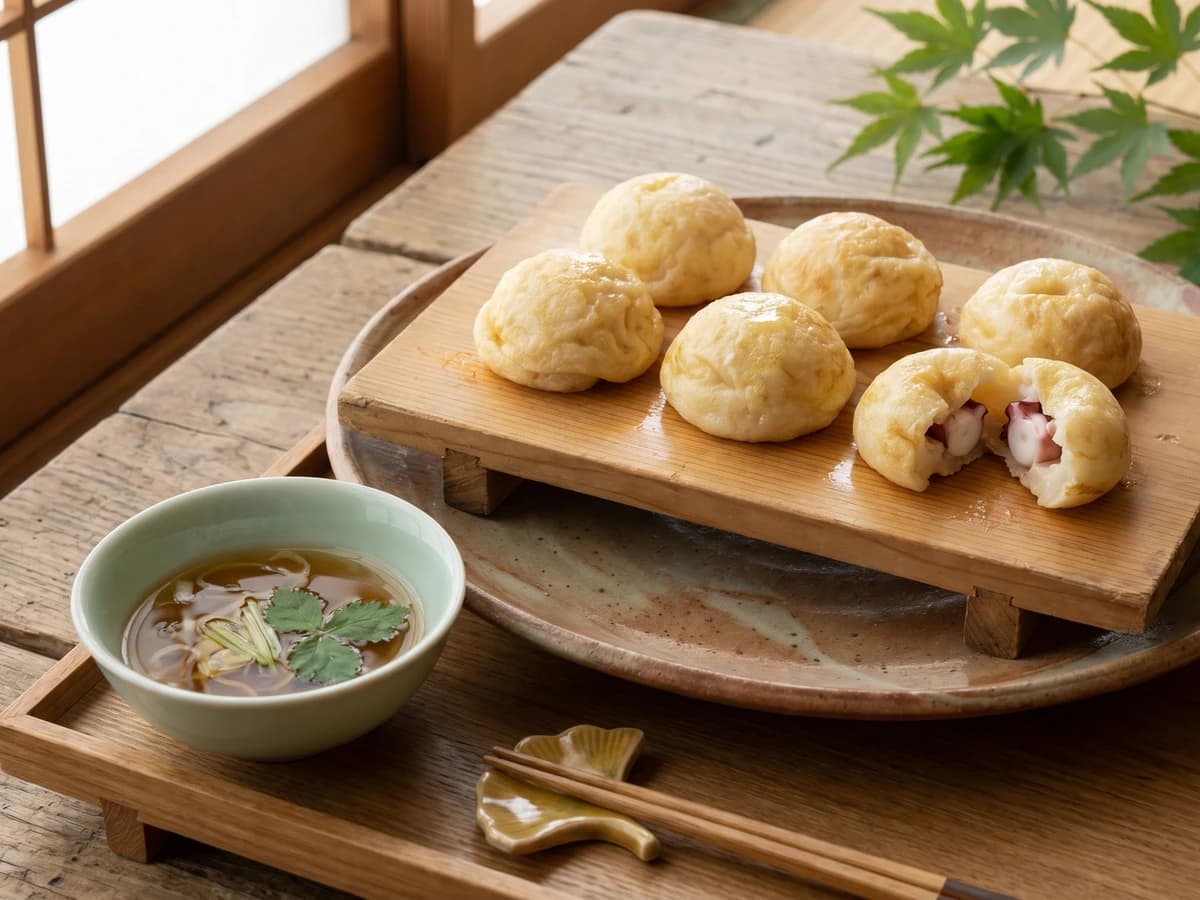
Akashi-yaki is not sauced takoyaki. It is egg-rich batter, tender octopus, and clear dashi, cooked pale and soft so each ball can be dipped like a small custard dumpling.

Chef Takumi
A whole anago looks like a test of nerve. It is mostly good sourcing, a dry skin, cold batter, and oil hot enough to leave the eel sweet under its lace.