
Chef Takumi
Abura Soba (油そば, brothless ramen)
Abura soba is ramen without the hiding place of soup: hot noodles, strong shōyu tare, fragrant oil, and the discipline to mix while every strand is still hot.
A cooking platform built around craft, culture, and the stories behind what we eat.

Created by
Spring mountain vegetables, softened from their salt-cure, sit over soba in clear dashi. The bowl is plain comfort, but the flavor is deep, green, and unmistakably of the season.
Sansai means mountain vegetables, and this bowl begins there. Warabi, zenmai, fuki, kogomi: these are spring foods, a little bitter, a little earthy, exactly the taste you want after winter has loosened its grip. If you have fresh sansai at their 旬, shun, use them. If what you can find is the salted or packed mountain vegetable mix from a Japanese market, that is how many home cooks make the dish, and it can still be honmono if you treat it plainly.
The one detail that decides the bowl is the desalting. Salt-cured sansai have already been softened and preserved, but they carry more salt than the soup wants. Soak and rinse them until they taste seasoned, not sharp. Skip that and the broth turns muddy and harsh, and then you start correcting with more sweetness, which is how a simple thing loses its way. Nothing hidden. Let the vegetables taste like themselves.
The soup is the usual foundation: dashi, soy sauce, mirin, and a little salt. It should be clear and lightly seasoned because soba brings its own buckwheat fragrance and the sansai bring their mountain edge. We warm the vegetables in the broth, never boil them hard, because they're already cooked and only need to wake up. The noodles are boiled separately, rinsed clean of starch, then briefly warmed again, so the soup stays bright instead of turning cloudy.
This is weeknight food in the best sense. A bowl, a stock, noodles, greens, and restraint. In the architecture of a Japanese meal it can stand alone, but it still follows the old thinking: the method, not the menu. Good dashi, clean noodles, seasonal topping. Leave it room, and the bowl will do the rest.
Sansai soba belongs especially to the mountain regions of Japan, where edible wild plants gathered in spring were preserved by salting, drying, or parboiling for use beyond their short season. Nagano, Yamagata, Akita, and other inland areas are closely associated with both soba cultivation and sansai cookery, making the pairing a practical regional habit rather than a modern invention. The word sansai, written 山菜, simply means mountain vegetables, but the category carries old knowledge about which shoots, fronds, and stems are edible and how their bitterness should be handled.
Quantity
250g
warabi, zenmai, fuki, bamboo shoots, or similar mountain vegetables
Quantity
320g
Quantity
1 piece (about 10g)
Quantity
20g
Quantity
5 cups
Quantity
3 tablespoons
Quantity
2 tablespoons
Quantity
1 teaspoon
Quantity
1/2 teaspoon
plus more to taste
Quantity
2
thinly sliced
Quantity
to taste
| Ingredient | Quantity |
|---|---|
| salt-cured or packed sansai mixwarabi, zenmai, fuki, bamboo shoots, or similar mountain vegetables | 250g |
| dried soba noodles | 320g |
| konbu (dried kelp) | 1 piece (about 10g) |
| katsuobushi (bonito flakes) | 20g |
| cold water | 5 cups |
| soy sauce | 3 tablespoons |
| mirin | 2 tablespoons |
| sugar | 1 teaspoon |
| sea saltplus more to taste | 1/2 teaspoon |
| scallionsthinly sliced | 2 |
| shichimi tōgarashi (optional) | to taste |
Drain the sansai and rinse them under cool running water. Soak in a bowl of fresh water for 15 to 20 minutes, changing the water once, then taste a piece. It should taste gently seasoned and earthy, not sharply salty. The soup will carry soy sauce later, so the vegetables must not bring a second bowlful of salt with them.
Wipe the konbu with a damp cloth, but don't scrub away the pale surface bloom. Put it in 5 cups cold water and bring it up slowly over low heat, about 10 minutes. Pull the konbu when the water trembles and small bubbles climb the sides of the pot. Boil it hard and the dashi turns bitter and a little slick, which is a poor bargain for impatience.
Bring the konbu water just to a gentle boil. Add the katsuobushi all at once, turn off the heat, and let the flakes sink for 2 to 3 minutes without stirring. Strain through a cloth-lined sieve and let it drip naturally. Don't squeeze, because squeezing presses out the stronger oily flavors and clouds the clean stock you need for soba.
Return 4 cups of the dashi to the pot. Add the soy sauce, mirin, sugar, and sea salt, then bring it to a quiet simmer. Taste it now. It should be a little more seasoned than plain soup, because the soba will soften its edge, but it should still taste like dashi first.
Add the drained sansai to the broth and warm them for 3 to 5 minutes. Keep the heat gentle. These vegetables have already been cooked or cured, so hard boiling only roughens their texture and dulls their spring bitterness.
Boil the soba in plenty of unsalted water according to the package timing, usually 5 to 7 minutes. Stir when the noodles go in so they don't clump. Taste one strand near the end: it should be tender but still have a clean bite, with the buckwheat fragrance intact.
Drain the soba and rinse under cold running water, rubbing the noodles lightly with your hands until they feel clean and no longer slippery with starch. This is not fussing. It keeps the hot broth clear. Dip the rinsed noodles back into hot water for a few seconds, then drain well.
Divide the warmed soba among four deep bowls. Ladle the hot broth over the noodles, then lift the sansai onto the surface in small, loose piles rather than spreading them flat. Finish with sliced scallion and a small pinch of shichimi tōgarashi if you like. Serve at once, while the broth surface is clear and bright.
1 serving (about 540g)
Culinary guides, cultural storytelling, and the editorial depth that makes cooking meaningful.
Discover Culinary ExplorerChef Takumi
Abura soba is ramen without the hiding place of soup: hot noodles, strong shōyu tare, fragrant oil, and the discipline to mix while every strand is still hot.
Chef Takumi
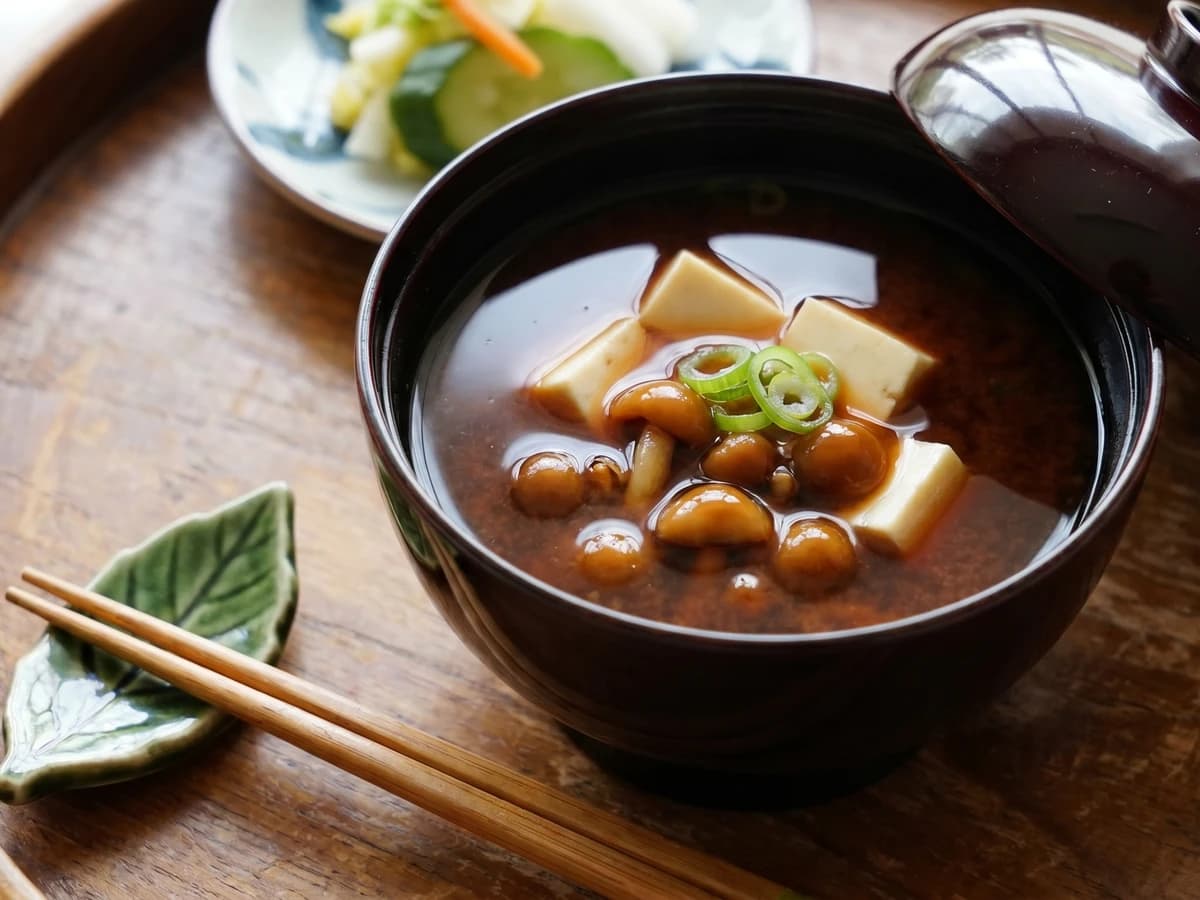
Akadashi asks you to trust the dark miso. Build a clear dashi, loosen the Hatchō mame-miso gently, and the soup turns coffee-dark, savory, and clean.

Chef Takumi
Toast the rice until its skin is firm, then let it meet chicken broth, burdock, maitake, and seri. The pot looks grand, but the work is rice, broth, and patience.
Chef Takumi
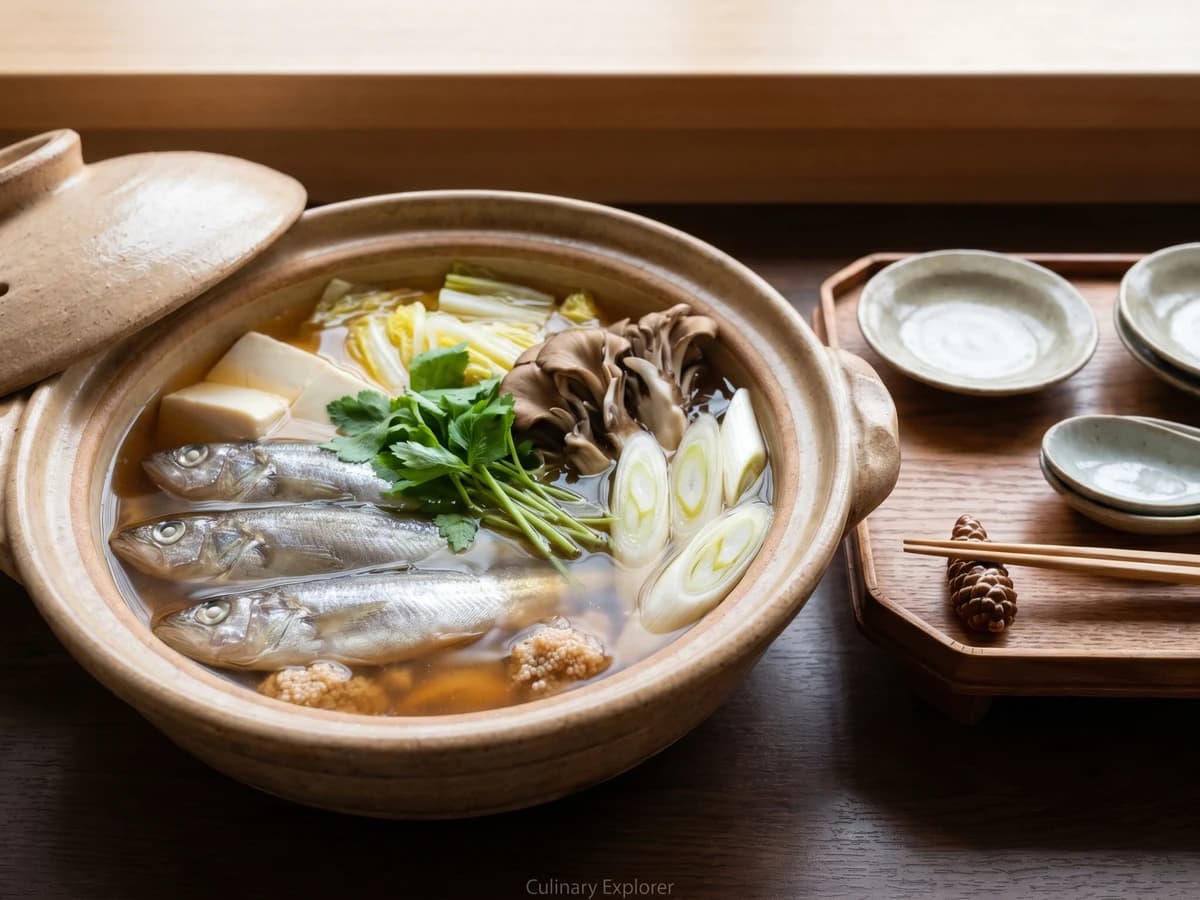
Shottsuru nabe is Akita winter in one pot: clean dashi, hatahata at shun, tofu and napa cabbage carrying a salt-deep broth without anything heavy enough to hide the fish.