Chef Juliette
Sandwiches
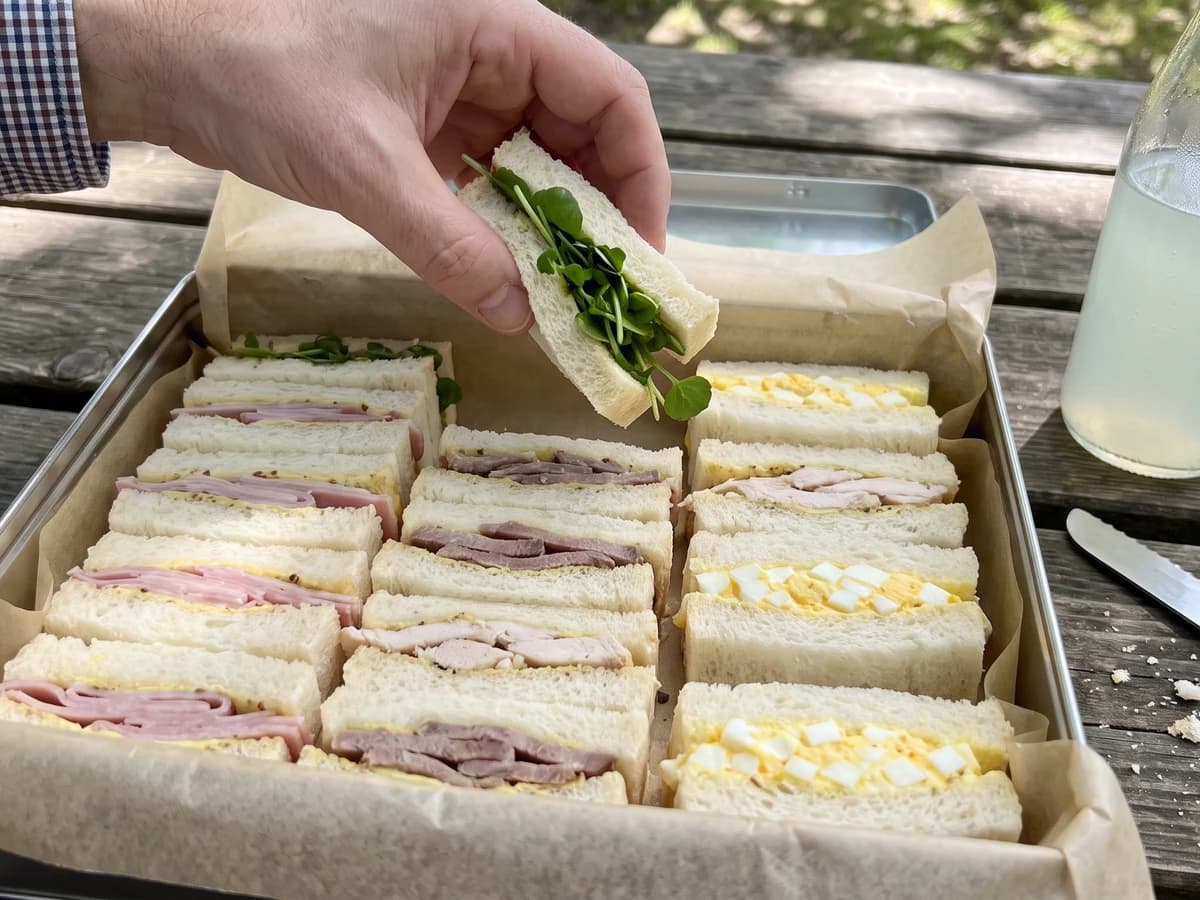
Five classical fillings between bread buttered to every edge, cut into tidy rectangles and held under a light weight: a French buffet lesson in softness, proportion, and restraint.
A cooking platform built around craft, culture, and the stories behind what we eat.
Created by
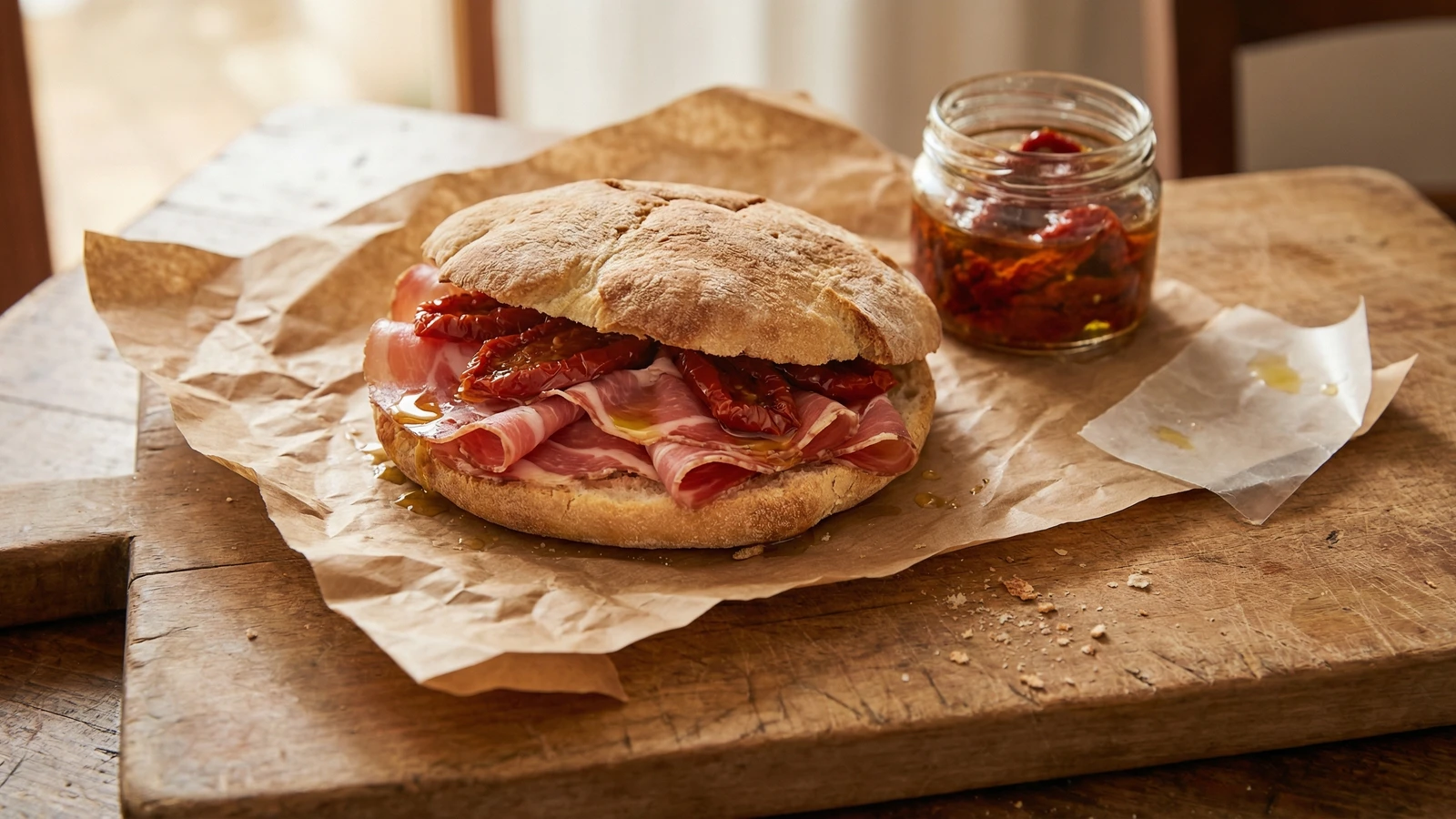
The hollow bread of Salento, its puffed interior the perfect vessel for paper-thin slices of capocollo and oil-rich sun-dried tomatoes. This is what Pugliese workers carry to the fields.
Puccia is the bread of the Salento, the sun-scorched heel of Italy's boot where the Adriatic meets the Ionian. It puffs in wood-fired ovens until nearly hollow inside, creating a natural pocket that needs no knife to open. Bakers in Lecce and the villages scattered across the peninsula have made it this way for centuries, though they would never call it a recipe. It is simply bread.
The filling here requires restraint. Capocollo from Martina Franca, aged in the trulli houses of the Valle d'Itria, has a sweetness from the wine used in its cure and a whisper of smoke from the wood fires. Sun-dried tomatoes preserved in oil contribute their concentrated summer intensity. These two ingredients, tucked into the hollow of warm puccia, create something greater than their parts.
Do not heat this sandwich. The capocollo is not bacon. It is a cured meat of considerable refinement, and subjecting it to heat destroys its delicate texture and complex flavor. The Italians understand what Americans have forgotten: quality cured meats are eaten as they are, at room temperature, where you can taste the months of patient aging.
Puccia emerged from the wood-fired communal ovens of the Salento peninsula, where families brought their dough to bake alongside their neighbors' loaves. The bread's distinctive hollow interior was not designed but discovered: the high heat of these ovens caused the semolina dough to puff dramatically. By the 18th century, workers carrying puccia to the olive groves and wheat fields had learned that its natural pocket held fillings without making the bread soggy.
Quantity
4
about 5 inches diameter
Quantity
8 ounces
sliced paper-thin
Quantity
1/2 cup
drained and roughly chopped
Quantity
from the draining tomatoes
Quantity
to taste
freshly ground
| Ingredient | Quantity |
|---|---|
| puccia salentina rollsabout 5 inches diameter | 4 |
| capocollo di Martina Francasliced paper-thin | 8 ounces |
| sun-dried tomatoes in oildrained and roughly chopped | 1/2 cup |
| extra virgin olive oil | from the draining tomatoes |
| black pepperfreshly ground | to taste |
If your puccia is fresh from the bakery, it needs nothing. If it has sat a day, warm it briefly in a 350°F oven for five minutes to restore its crust. Slice each roll horizontally, about two-thirds of the way through, leaving a hinge. The interior should be mostly hollow, a natural pocket. If your bread is dense and breadlike throughout, you do not have puccia.
Drape the sliced capocollo into the hollow of each puccia. Do not stack it in a tight wad. Let it fold loosely, with air between the slices, so each bite yields tender meat rather than a compressed mass. Use about two ounces per sandwich. The meat should be sliced thin enough to see through.
Scatter the chopped sun-dried tomatoes over the capocollo. They should nestle into the folds of meat, not sit in a pile. Drizzle a small amount of the tomato oil over the filling. The oil has absorbed months of tomato flavor and should not be wasted.
Grind black pepper over the filling. Close the puccia gently, pressing just enough to hold it together. Serve immediately, or wrap in paper for carrying to wherever you are eating. This is picnic food, field food, standing-at-the-counter food. Do not plate it with garnishes and pretend it is something else.
1 serving (about 175g)
Culinary guides, cultural storytelling, and the editorial depth that makes cooking meaningful.
Discover Culinary ExplorerChef Juliette
Five classical fillings between bread buttered to every edge, cut into tidy rectangles and held under a light weight: a French buffet lesson in softness, proportion, and restraint.
Chef Juliette
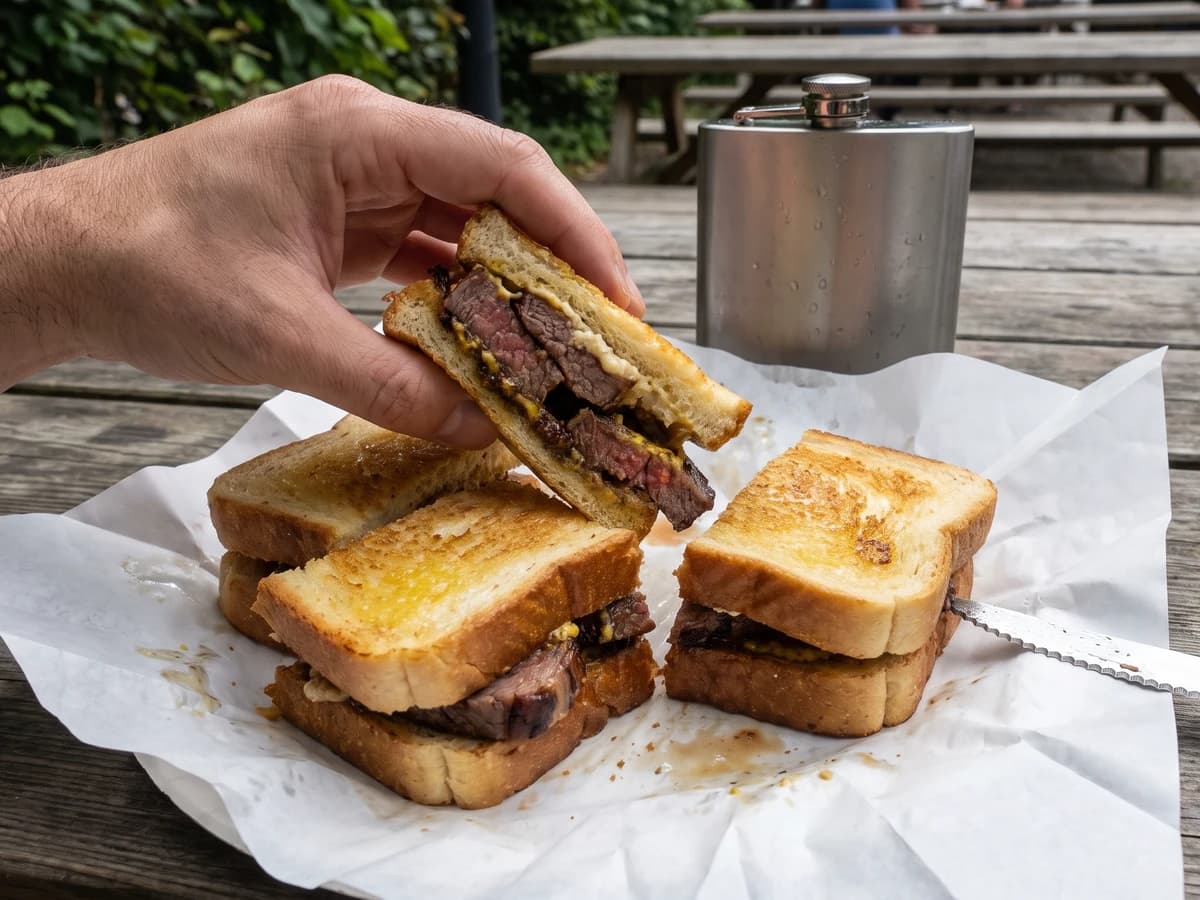
Steak grilled dark at the edges, cooled, sharpened with horseradish and mustard, then pressed between buttered loaf heels until the crumb catches every juice: a race-day sandwich substantial enough to be supper.

Chef Thomas
Back bacon crisped in a hot pan, a ripe tomato that actually tastes of something, crisp lettuce and real butter on proper toast. A sandwich that earns its place in the notebook.

Chef Isabel
Almussafes is Valencian bar-counter food: a crusty roll filled with sobrasada, cheese, and onion, then pressed on the plancha until the bread crisps and the filling runs together.