Chef Juliette
Sandwiches
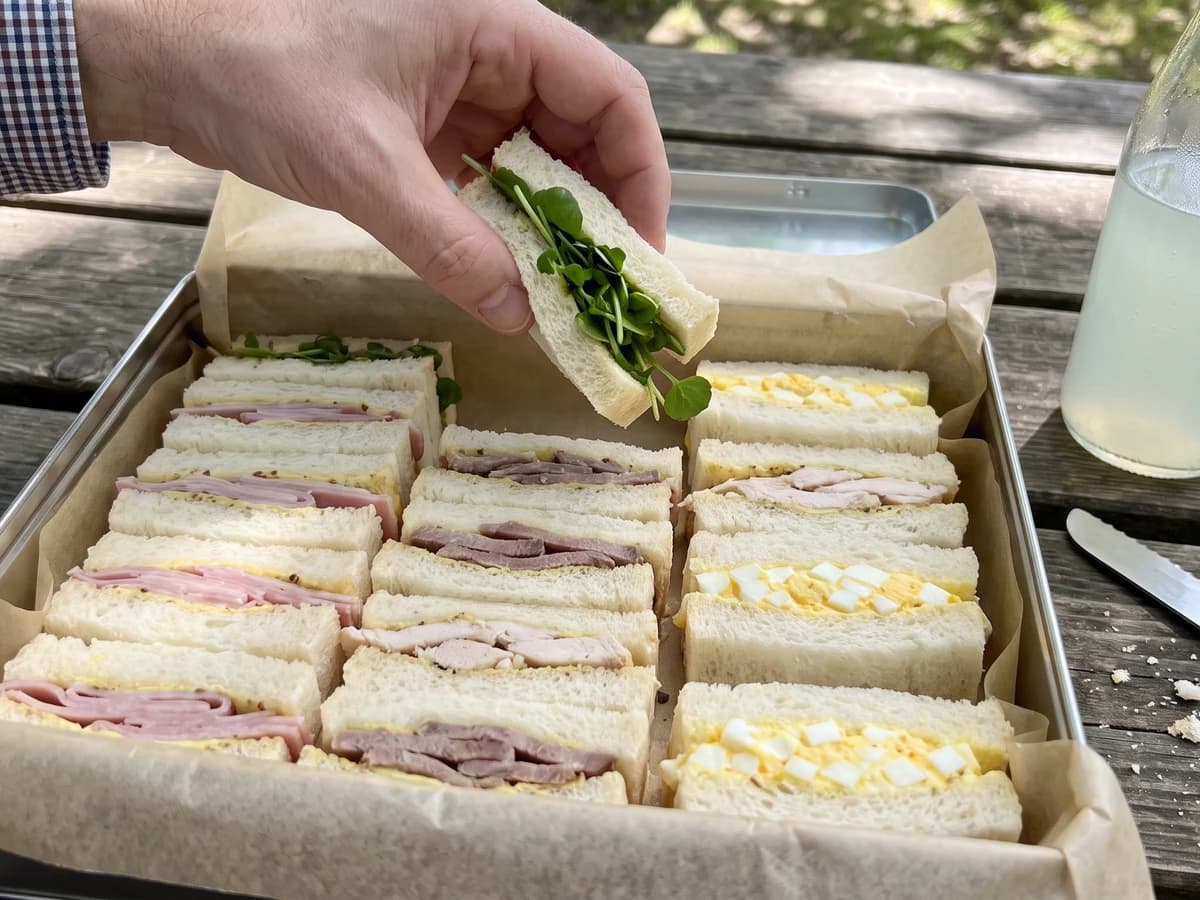
Five classical fillings between bread buttered to every edge, cut into tidy rectangles and held under a light weight: a French buffet lesson in softness, proportion, and restraint.
A cooking platform built around craft, culture, and the stories behind what we eat.

Created by
The Lombard panino in its purest form: air-dried beef from Valtellina, wild arugula, aged Parmigiano, and nothing else. Four ingredients that prove restraint is the highest skill.
This is not a sandwich you assemble. It is a sandwich you compose. Each ingredient must earn its place, and there are only four of them. Bresaola, the air-dried beef of the Valtellina valley in Lombardy. Arugula, peppery and wild. Parmigiano-Reggiano, aged until it crumbles. Olive oil, the best you own.
Americans layer sandwiches with five meats, three cheeses, and condiments that mask everything beneath them. Italians understand that restraint creates intensity. When you eat this panino, you taste the bresaola. You taste the arugula against it. The Parmigiano adds salt and depth. The oil binds everything without intruding.
Do not heat this sandwich. Do not press it. The bresaola is a cured meat of great delicacy, and heat would turn it to leather. You are not making a panini. You are making a panino, which is simply the Italian word for a sandwich, and this one is served at room temperature, as the Lombards have eaten it for generations.
Bresaola has been produced in the Valtellina valley, in the Alpine reaches of Lombardy near the Swiss border, since at least the 15th century. The cold, dry mountain air created ideal conditions for curing beef, and the local tradition evolved into the refined product now protected by European IGP status. The pairing with arugula and Parmigiano likely emerged in Milan's bars and alimentari in the mid-20th century, when bresaola moved from mountain staple to cosmopolitan delicacy.
Quantity
2, or 1 small loaf halved
Quantity
4 ounces
sliced thin
Quantity
2 generous handfuls (about 2 ounces)
Quantity
2 ounces
shaved with vegetable peeler
Quantity
2 tablespoons
Quantity
1
halved
Quantity
to taste
freshly ground
| Ingredient | Quantity |
|---|---|
| ciabatta rolls | 2, or 1 small loaf halved |
| bresaolasliced thin | 4 ounces |
| baby arugula | 2 generous handfuls (about 2 ounces) |
| Parmigiano-Reggianoshaved with vegetable peeler | 2 ounces |
| extra virgin olive oil | 2 tablespoons |
| lemonhalved | 1 |
| black pepperfreshly ground | to taste |
Bresaola must come from a source that slices it fresh. The slices should be deep ruby red, almost translucent at the edges, with a delicate rim of white fat. If your bresaola is brown or dry at the edges, it has oxidized and will taste of nothing. Find a better source or make something else.
Slice the ciabatta rolls in half horizontally. The bread should have a proper crust and an airy, open crumb. Do not toast it. Toasted bread fights against the delicate bresaola instead of supporting it. The bread is a vehicle, not a distraction.
In a small bowl, toss the arugula with one tablespoon of olive oil and a generous squeeze of lemon. The leaves should glisten but not swim. Season lightly with salt. The arugula provides the pepper; you are balancing it with acid and richness.
Arrange the bresaola slices on the bottom half of each roll, folding them loosely rather than laying them flat. The folds create pockets that catch the oil and hold the arugula. Cover the bread completely. Do not be stingy.
Pile the dressed arugula over the bresaola. Scatter the Parmigiano shavings over the top. The cheese should be in wide, thin shavings that will soften slightly against the meat. Grind black pepper generously over everything.
Drizzle the remaining tablespoon of olive oil over the filling. Place the top half of the bread and press gently. Serve immediately. This panino does not wait. The arugula wilts, the bread absorbs the oil, and the moment passes. Once the panino is made, serve it promptly, inviting your guests and family to put off talking and start eating.
1 serving (about 190g)
Culinary guides, cultural storytelling, and the editorial depth that makes cooking meaningful.
Discover Culinary ExplorerChef Juliette
Five classical fillings between bread buttered to every edge, cut into tidy rectangles and held under a light weight: a French buffet lesson in softness, proportion, and restraint.
Chef Juliette
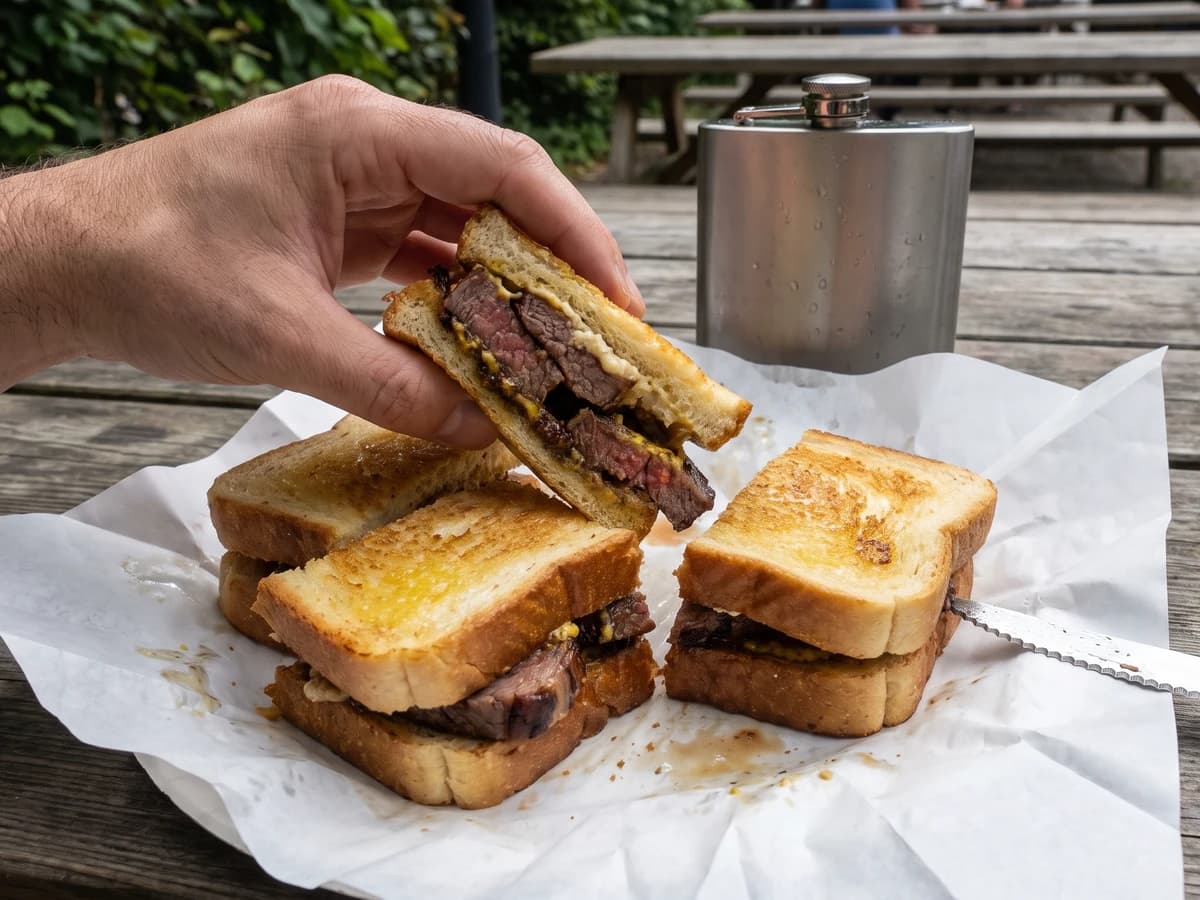
Steak grilled dark at the edges, cooled, sharpened with horseradish and mustard, then pressed between buttered loaf heels until the crumb catches every juice: a race-day sandwich substantial enough to be supper.

Chef Thomas
Back bacon crisped in a hot pan, a ripe tomato that actually tastes of something, crisp lettuce and real butter on proper toast. A sandwich that earns its place in the notebook.

Chef Isabel
Almussafes is Valencian bar-counter food: a crusty roll filled with sobrasada, cheese, and onion, then pressed on the plancha until the bread crisps and the filling runs together.