Chef Makoa
Spam, Eggs & Rice (Hawaiʻi Local Breakfast Plate)
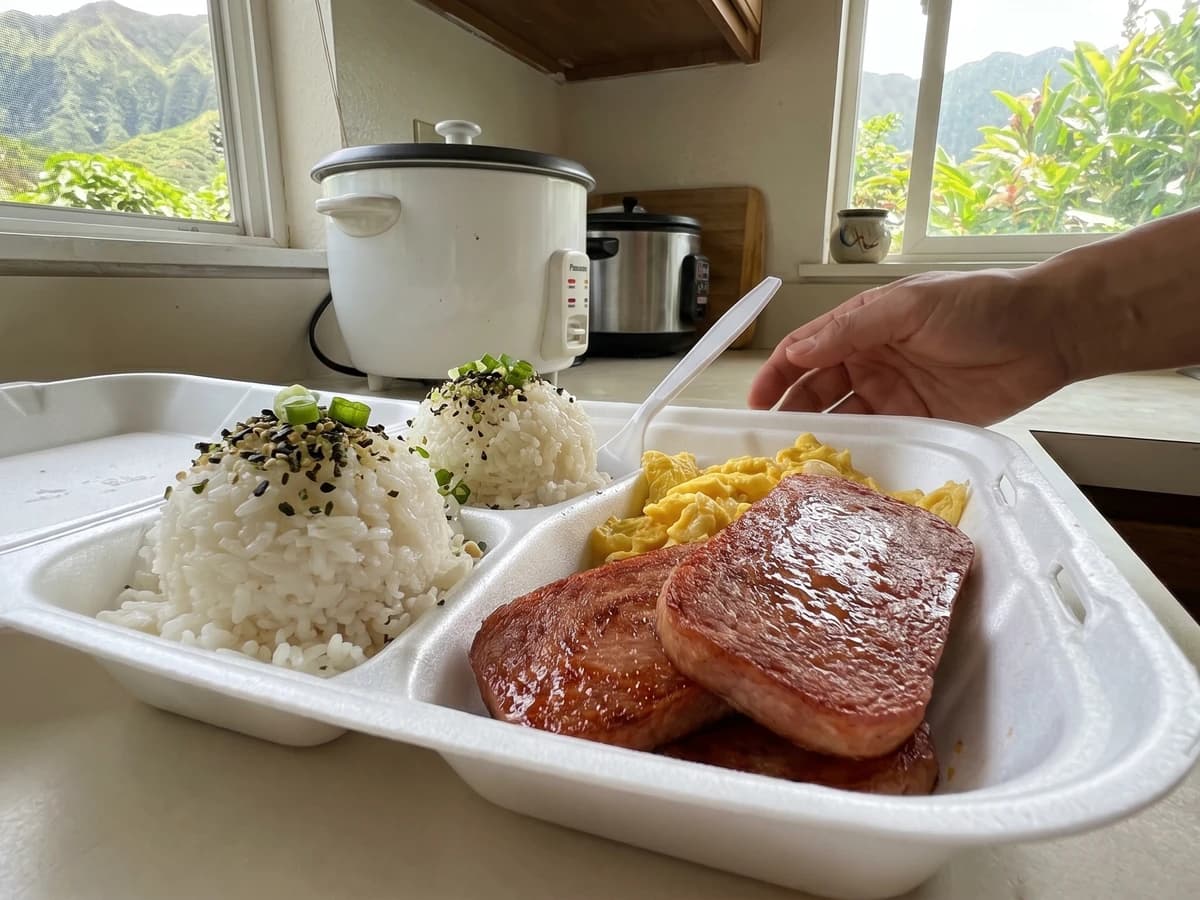
Crisp-edged Spam, soft eggs, and two scoops rice, Hawaiʻi's Local breakfast plate from the plantation stove to the home kitchen, humble, fast, and still feeding everybody.
A cooking platform built around craft, culture, and the stories behind what we eat.
Created by
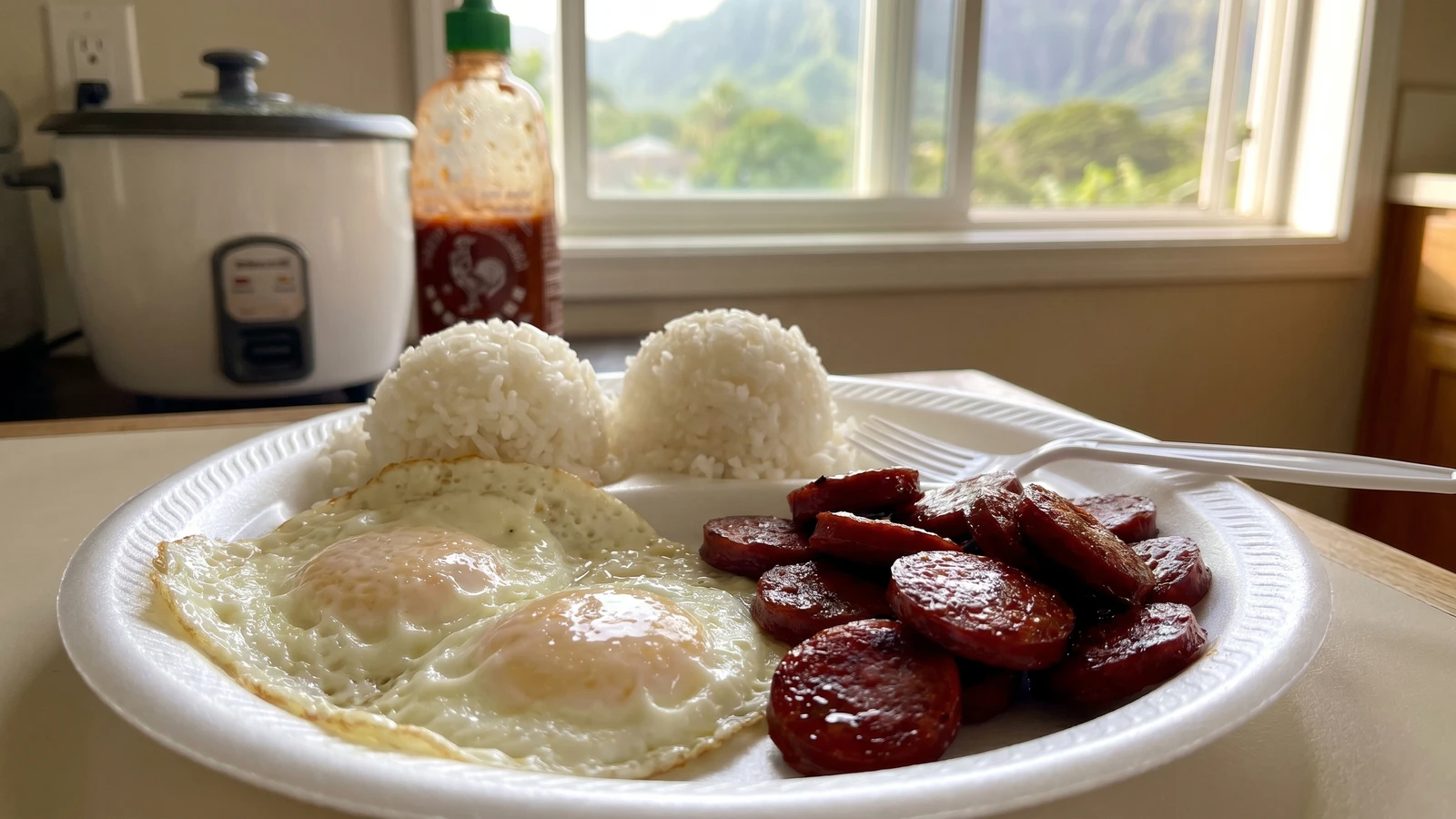
Garlicky Portuguese sausage griddled dark, two eggs still glossy at the yolk, and two scoops white rice: Hawaiʻi's Local sugar-camp breakfast, quick enough for a weekday.
My kumu's voice still comes first: Eat what you have. On the windward side of Oʻahu, that can mean kalo, taro, in the loʻi, the taro patch, and it can also mean the rice cooker clicking in a family kitchen before work, Portuguese sausage hitting the pan, somebody frying eggs while the kids look for slippers. This plate belongs to Hawaiʻi, the Local table, the one sugar-camp families built when Portuguese, Kanaka Maoli, Japanese, Chinese, Filipino, Korean, and Puerto Rican hands all had to make breakfast before the whistle blew.
This is not old Hawaiian deep food like poi, pounded kalo, paʻiʻai, hand-pounded taro paste, ʻulu, breadfruit, or laulau, leaf-wrapped food cooked until tender. It is Hawaiʻi Local, post-contact, camp-born, and no lesser. The deep food keeps the genealogy, one ocean, one canoe, one root. The Local plate keeps the working morning, the rice pot, the lunch wagon, the auntie at the stove saying hurry up, eat already.
The cousins across the Triangle have their everyday tables too. Sāmoa has sapasui, chop-suey noodles, and pisupo, tinned corned beef, on rice; Tonga folds corned beef into lū pulu, taro leaves with coconut cream; Aotearoa, New Zealand, has Māori boil-up and fry bread. Hawaiʻi made Portuguese sausage, eggs, and rice into the camp morning, same law underneath: ʻāina, kānaka, meaʻai, land, people, food, meeting what history handed them.
Cook it with no fuss. Let the sausage go dark at the edges, not burnt, just browned until the garlic and paprika smell wakes up the room. Keep the rice soft and ready for the yolk. Fry the eggs the way your house eats them. No blame the plate for being humble. It fed plenty people before you, and it still gets us out the door.
Portuguese contract laborers from Madeira and the Azores began arriving in Hawaiʻi in 1878, bringing linguiça, Portuguese garlic-paprika sausage, into the sugar-camp kitchen. Rice became the common starch on camps where Native Hawaiian, Japanese, Chinese, Filipino, Korean, Puerto Rican, and Portuguese families worked side by side, and the two-scoop plate became daily grammar at drive-ins, lunch wagons, and home kitchens. This is Hawaiʻi Local food, post-contact and plantation-born, not pre-contact deep food like poi, pounded taro, ʻulu (breadfruit), and laulau (leaf-wrapped bundles), but no lesser at the table where people had to eat before work.
Quantity
2 cups
rinsed until the water runs mostly clear
Quantity
2 1/4 cups
or the amount your rice cooker calls for
Quantity
12 to 16 ounces
sliced 1/4 inch thick
Quantity
1 teaspoon
only if the pan is dry
Quantity
8
Quantity
1 tablespoon
for the eggs
Quantity
to taste
Quantity
for the table
| Ingredient | Quantity |
|---|---|
| short- or medium-grain white ricerinsed until the water runs mostly clear | 2 cups |
| wateror the amount your rice cooker calls for | 2 1/4 cups |
| Hawaiʻi-style Portuguese sausagesliced 1/4 inch thick | 12 to 16 ounces |
| neutral oil (optional)only if the pan is dry | 1 teaspoon |
| large eggs | 8 |
| butter or neutral oilfor the eggs | 1 tablespoon |
| kosher salt and black pepper | to taste |
| shoyu, ketchup, or Hawaiʻi chili pepper water (optional) | for the table |
Rinse the rice until the water runs mostly clear, then cook it with the water in a rice cooker or covered pot. Let it rest 10 minutes after the cooker clicks off, then fluff it so the grains sit soft, pearly, and ready to catch egg yolk. Two scoops rice is the backbone of the plate, yeah, so make the rice first and let the rest come to it.
Slice the Portuguese sausage into quarter-inch coins or bias pieces. Not paper thin. You want enough thickness that the outside browns dark while the middle stays juicy and garlicky.
Set a large skillet or griddle over medium heat. Add the sausage in one layer, with a touch of oil only if the pan is dry, and cook 3 to 4 minutes per side until the edges go dark red-brown, the fat shines, and the garlic and paprika smell wakes up the kitchen. Move the sausage to a plate and keep the orange-red pan fat for the eggs.
Lower the heat to medium-low and add the butter or oil to the sausage fat. Crack in the eggs, two per person, season with a little salt and pepper, and cook sunny-side until the whites set and the yolks stay glossy, or turn them over if your house likes over-easy. For fully set eggs, cover the pan and let the yolks firm up. No need make one style into law.
Put two rounded scoops of hot rice on each plate, lay two eggs beside or over the rice, and pile the Portuguese sausage on the side. Spoon a little of the pan fat over the sausage if you like that rich paprika shine. Serve with shoyu, ketchup, or chili pepper water at the table, plastic fork if that's the setting, no shame at all.
1 serving (about 405g)
Culinary guides, cultural storytelling, and the editorial depth that makes cooking meaningful.
Discover Culinary ExplorerChef Makoa
Crisp-edged Spam, soft eggs, and two scoops rice, Hawaiʻi's Local breakfast plate from the plantation stove to the home kitchen, humble, fast, and still feeding everybody.

Chef Makoa
Hawaiʻi takes ʻulu, the breadfruit carried by canoe, and sears it with smoked meat until the edges crisp and the middle stays tender. Old food, breakfast pan, one more bowl for whoever walks in.
Chef Juliette
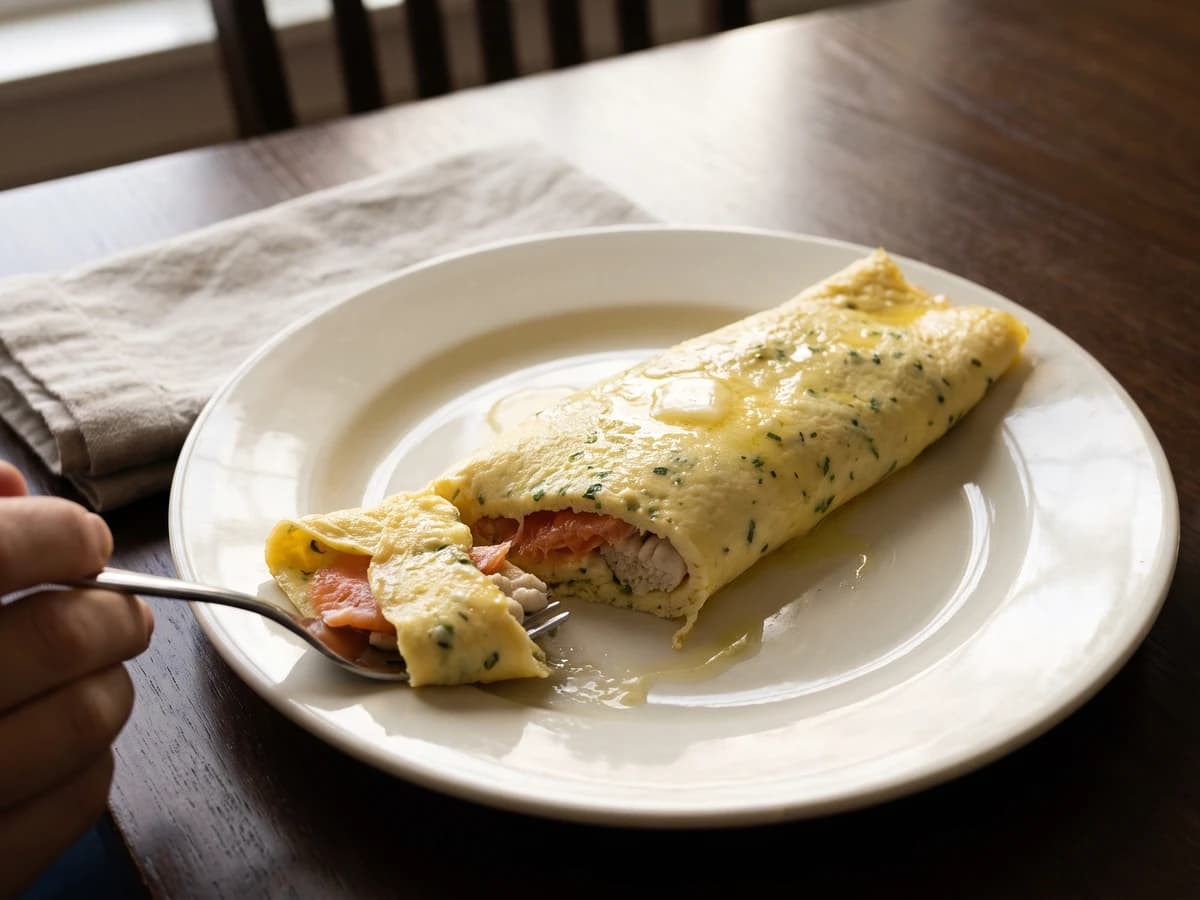
A creamy omelette aux fines herbes closes around smoked-salmon-wrapped herring milts, gently poached in butter. Have the filling ready, then roll the eggs while they still shine.
Chef Juliette
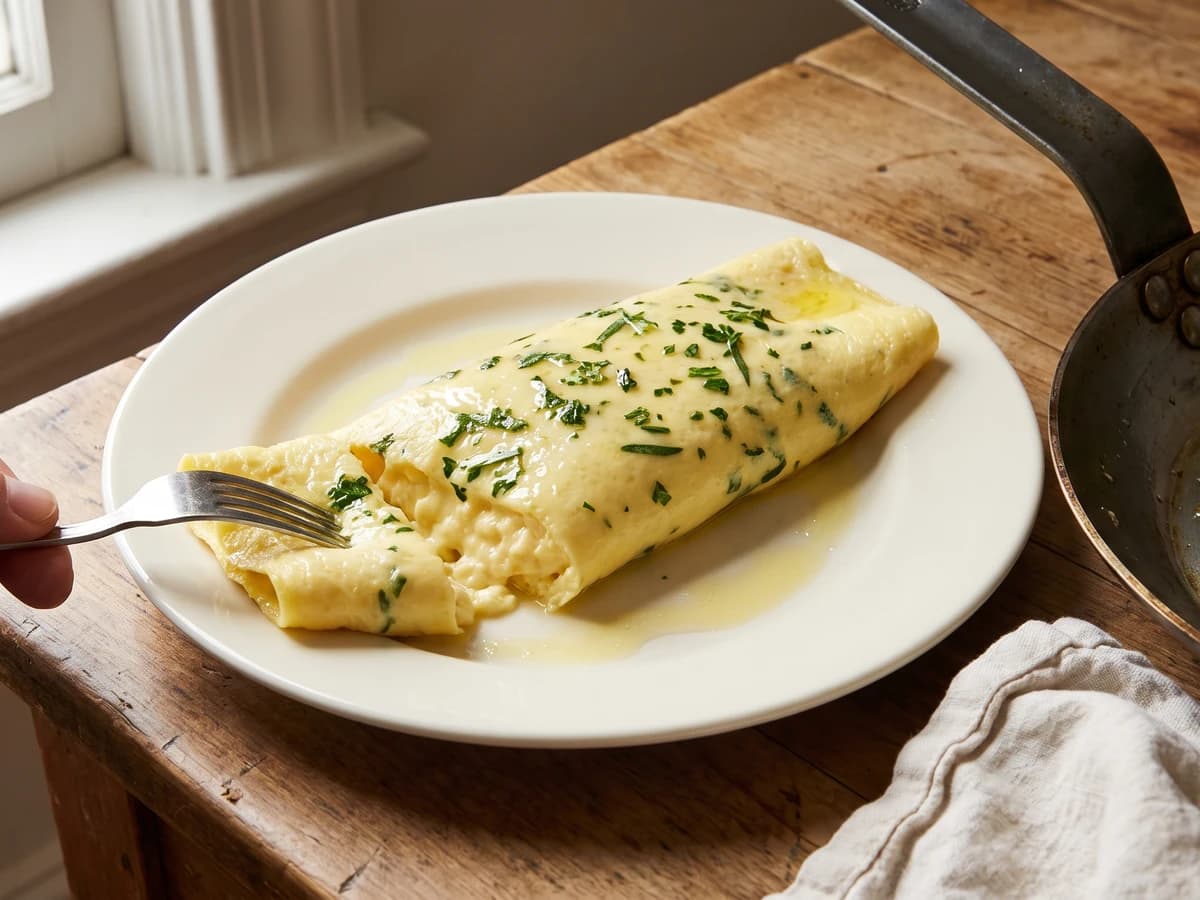
Four tender herbs, hot butter, and two eggs per pan: this rolled omelette teaches the quick hand and good judgment that keep the outside pale and the center creamy.