Culinary Explorer

A cooking platform built around craft, culture, and the stories behind what we eat.
Discover Culinary Explorer
Chicken Hekka (Hawaiʻi Local Plantation-Style Chicken Sukiyaki)

Chicken Hekka (Hawaiʻi Local Plantation-Style Chicken Sukiyaki)

Created by

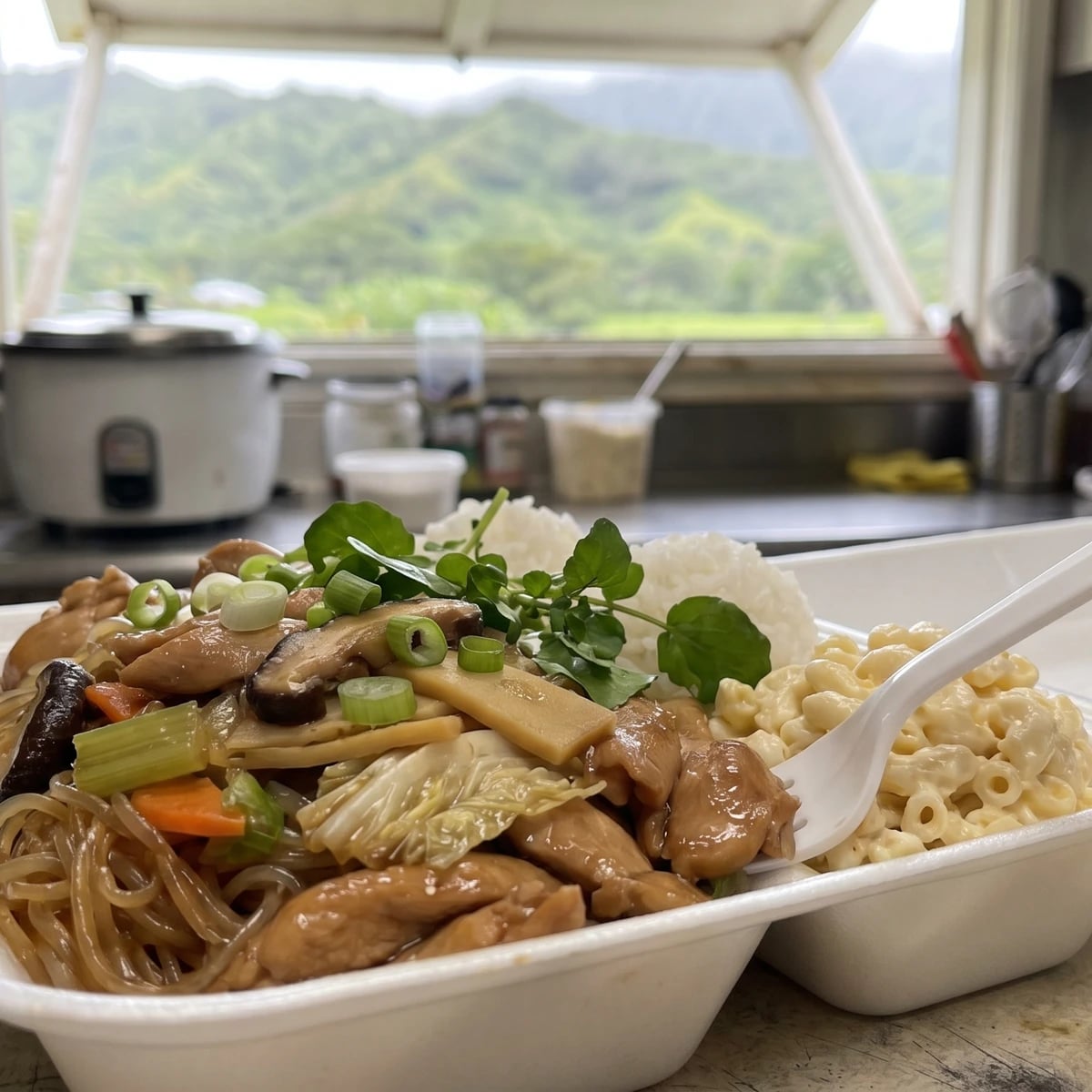
Hawaiʻi Local chicken hekka, the plantation-camp cousin of Japanese sukiyaki, with tender chicken, long rice, shiitake, bamboo shoots, and sweet shoyu gravy for rice.

Main Dishes
Polynesian, Hawaiian
Comfort Food
Potluck
Weeknight
25 min
Active Time
25 min cook50 min total
Yield6 servings

The sugar-camp table had many hands on it, and no one hand owned the whole pot. Hawaiian, Japanese, Chinese, Portuguese, Korean, Filipino, Puerto Rican, everybody working hard, everybody eating what was there, everybody making dinner out of the same stove and the same tired evening. That is where this Hawaiʻi Local dish belongs: chicken hekka, our islands' take on sukiyaki, cooked soft and saucy so the rice can carry it.

This is Hawaiian in the Local way, not an old ceremonial food from the imu, the Hawaiian earth oven. It came later, from plantation life, from Japanese sukiyaki walking into a Hawaiʻi kitchen and meeting long rice, bamboo shoots, shiitake, watercress, cabbage, and the sweet-salty shoyu we use for half the comfort food in these islands. No blame the plate for being humble. Two scoops rice, one scoop mac salad, hekka over the top, plastic fork, everybody quiet for the first few bites.

Across the Triangle, the deep foods still hold the root: Sāmoan palusami, Tongan lū, Cook Islands rukau, Hawaiian laulau, poi and paʻiʻai back home, same elder brother under many tongues. Chicken hekka sits on the other half of the table, the Local plantation-creole half, and it deserves its respect too. ʻĀina, kānaka, meaʻai: land, people, food. Sometimes that relationship is a taro board. Sometimes it's one big skillet feeding the cousins after work.

Chicken hekka is a Hawaiʻi Local plantation-era dish shaped by Japanese immigrant cooking, especially sukiyaki, on the sugar-camp stove in the late 19th and early 20th centuries. It belongs to the same Local register as saimin, plate lunch, manapua, and chow fun: food built by many island communities living and working side by side after the older Hawaiian food system had already been ruptured. It is not pre-contact deep food, but it is still Hawaiʻi's food story, the everyday table that kept people fed.

The technique, the tradition, and the story behind every dish.

Discover Culinary Explorer

Ingredients

boneless skinless chicken thighs

Quantity

1 1/2 pounds

sliced thin

neutral oil

Quantity

2 tablespoons

yellow onion

Quantity

1 medium

sliced

fresh ginger

Quantity

1 tablespoon

finely grated

garlic

Quantity

2 cloves

minced

shoyu

Quantity

1/2 cup

mirin

Quantity

1/3 cup

sugar

Quantity

2 tablespoons

chicken broth

Quantity

1 1/2 cups

dried shiitake mushrooms

Quantity

8

soaked, stemmed, and sliced

bamboo shoots

Quantity

1 cup

drained and sliced

carrots

Quantity

2 medium

thinly sliced

celery ribs

Quantity

2

sliced on the bias

napa cabbage

Quantity

4 cups

chopped

long rice or bean thread noodles

Quantity

4 ounces

soaked until pliable and cut shorter

watercress

Quantity

2 cups

tender stems and leaves

green onions

Quantity

3

sliced

Equipment Needed

  • Wide 12-inch skillet, wok, or heavy 5-quart pot
  • Kitchen shears for cutting soaked long rice
  • Rice cooker for serving the plate-lunch way

Instructions

  1. 1

    Soak the noodles

    Put the long rice in warm water until it bends easy, about 10 minutes, then cut it into shorter lengths so nobody at the table has to fight the strands. Soak the dried shiitake in hot water until soft, then stem and slice them. Save a splash of that mushroom soaking liquid if it smells clean and deep.

  2. 2

    Mix the sauce

    Stir the shoyu, mirin, sugar, chicken broth, and 2 tablespoons of the shiitake soaking liquid if using. Taste it now. It should be salty first, sweet behind it, strong enough that plain rice will thank you.

  3. 3

    Brown the chicken

    Heat the oil in a wide skillet, wok, or heavy pot over medium-high heat. Add the chicken in a loose layer and let it catch a little color before you stir. You are not trying to crust it hard, just wake it up so the gravy tastes like chicken, not boiled meat.

    Thigh meat stays kind when it simmers. Breast works if you have it, but slice it thin and don't cook it until it turns dry.
  4. 4

    Build the pot

    Add the onion, ginger, and garlic and stir until the onion starts to soften and the whole pot smells sweet and sharp. Add the shiitake, bamboo shoots, carrots, and celery. Let them move through the chicken fat and aromatics for a few minutes, until their edges shine.

  5. 5

    Simmer in shoyu

    Pour in the sauce and bring it to a lively simmer. Add the napa cabbage and fold it down as it wilts, then lower the heat and cook 8 to 10 minutes, until the carrots are tender but not falling apart and the chicken is cooked through.

  6. 6

    Add long rice

    Add the softened long rice and tuck it into the broth. Let it drink up the shoyu gravy for 3 to 5 minutes, until the noodles turn glossy brown and slippery. If the pan tightens up too much, add a splash of broth or water. Hekka should be saucy enough for rice.

  7. 7

    Finish and serve

    Fold in the watercress and green onion at the end so the greens stay bright and a little peppery. Taste for shoyu and sweetness, then serve hot over white rice, with mac salad if you're making the plate-lunch way. This is weeknight food, potluck food, food that waits for the late uncle and still feeds him.

Chef Tips

  • Eat what you have. No bamboo shoots today? Leave them out. No watercress? Use green cabbage or won bok. Local food was built from what the camp store, the garden, and the neighbor had.
  • Long rice keeps drinking after the heat is off. If leftovers get tight in the fridge, loosen them with a little broth or water and a small splash of shoyu when reheating.
  • For plate lunch, don't overthink the sides: two scoops white rice, one scoop macaroni salad, hekka spooned glossy over the rice. That's the form, and the form knows what it's doing.
  • This is not imu food and not sacred ceremony. It is Hawaiʻi Local comfort food from the plantation stove, and that everyday history deserves clean naming too.

Advance Preparation

  • Slice the chicken and vegetables up to 1 day ahead and keep them covered in the fridge.
  • Soak and slice the shiitake earlier in the day; strain and save a little of the soaking liquid for the sauce.
  • Cook the rice fresh if you can. Hekka reheats well, but rice is the thing that tells on you first.

Frequently Asked Questions

Nutrition Information

1 serving (about 390g)

Calories
380 calories
Total Fat
13 g
Saturated Fat
2 g
Trans Fat
0 g
Unsaturated Fat
10 g
Cholesterol
110 mg
Sodium
1600 mg
Total Carbohydrates
40 g
Dietary Fiber
3 g
Sugars
12 g
Protein
25 g

Note: Chef personas and recipes are created with AI assistance. Cook with care: follow safe food-handling practices, check doneness with a thermometer when needed, and adapt for allergies and your kitchen.

Where cooking meets culture.

Culinary guides, cultural storytelling, and the editorial depth that makes cooking meaningful.

Discover Culinary Explorer

More from Hawaiʻi Local Grindz & the Plate Lunch

Browse the full collection