Chef Makoa
ʻAʻama (Hawaiian Black Rock Crab with Paʻakai)
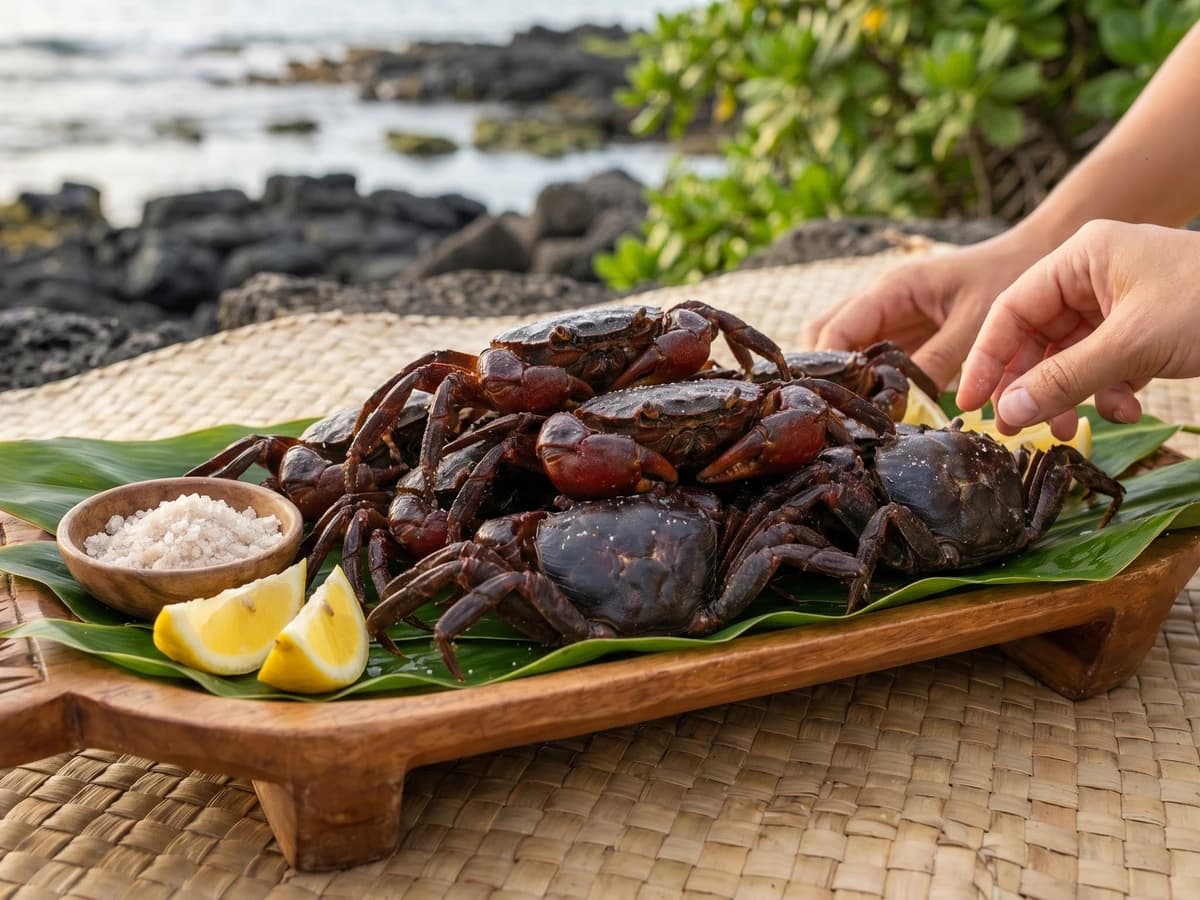
Hawaiʻi's reef-gathered ʻaʻama, the small black rock crab from the shoreline stones, boiled quick in salty water and picked whole at the lūʻau table beside ʻopihi.
A cooking platform built around craft, culture, and the stories behind what we eat.
Created by
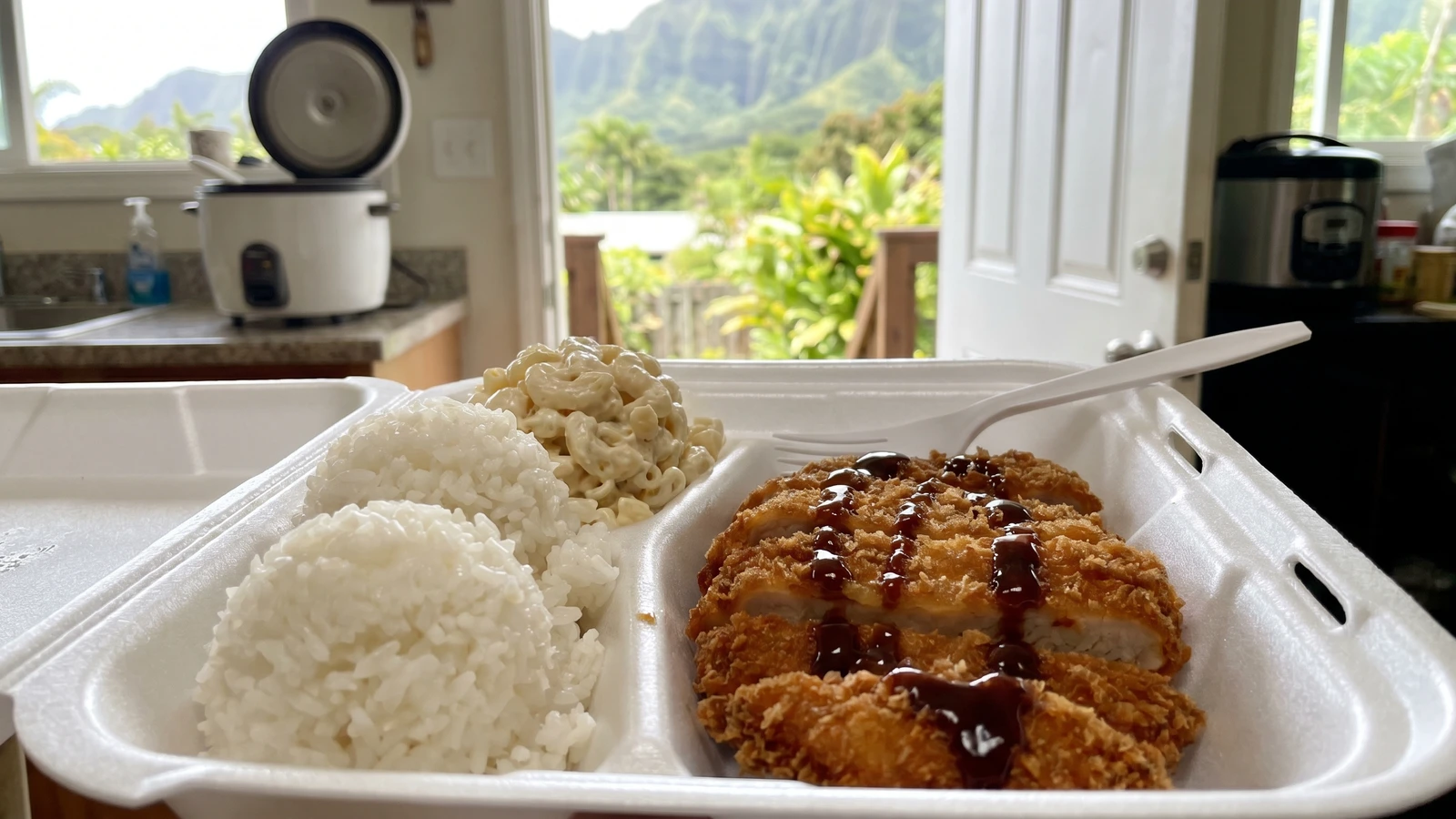
Hawaiʻi's Local plate-lunch comfort: juicy chicken thigh in panko, fried crisp, sliced over white rice with mac salad and katsu sauce, the sugar-camp stove brought home.
The plate lunch is kin too, just a younger cousin at the table. Not deep food like poi or laulau, not the imu, not the old canoe crops. This one belongs to Hawaiʻi Local hands, to the plantation camps where Japanese, Hawaiian, Chinese, Portuguese, Korean, Filipino, Puerto Rican, and other families cooked close together because work and hunger didn't leave much room for being precious.
Back home on Oʻahu, chicken katsu is the sound of a drive-in counter, rice cooker clicking, oil talking in the pan, somebody yelling two scoop rice, mac salad, all pau. The Japanese cutlet came across the water, then Hawaiʻi made it plate lunch: panko-fried chicken thigh, sliced thick, sauce on the side or right over, eaten with a plastic fork in the car, at the beach, after practice, on a weeknight when everybody tired.
So we don't pretend this is ancient. We also don't talk down to it. The deep foods feed the root, and the Local foods feed the life people actually lived after sugar, mission, ships, and wages changed the kitchen. One ocean, one canoe, one root, and later one lunch wagon too. No blame the plate for being humble.
Chicken katsu in Hawaiʻi grows out of Japanese tonkatsu and karaage traditions that met the sugar-plantation camp stove in the late 19th and early 20th centuries, after thousands of Japanese laborers came to work in Hawaiʻi's fields beginning in 1885. By the mid-20th century, the plate lunch had settled into its familiar Hawaiʻi Local form: two scoops white rice, one scoop macaroni salad, and a protein shaped by the many hands of the camps. It is Hawaiian food in the Local sense, not pre-contact deep food, and that distinction matters because both halves of the table tell the truth.
Quantity
2 pounds
trimmed
Quantity
1 1/2 teaspoons
Quantity
1/2 teaspoon
Quantity
1 teaspoon
Quantity
1/2 cup
Quantity
2
Quantity
1 tablespoon
Quantity
2 cups
Quantity
2 to 3 cups
canola or vegetable oil
Quantity
4 cups
for serving
Quantity
2 cups
for serving
Quantity
1/2 cup
Quantity
1/4 cup
Quantity
2 tablespoons
or soy sauce
Quantity
2 tablespoons
Quantity
1 tablespoon
Quantity
1 teaspoon
Quantity
1/2 teaspoon
for the sauce
| Ingredient | Quantity |
|---|---|
| boneless skinless chicken thighstrimmed | 2 pounds |
| kosher salt | 1 1/2 teaspoons |
| black pepper | 1/2 teaspoon |
| garlic powder | 1 teaspoon |
| all-purpose flour | 1/2 cup |
| large eggs | 2 |
| water | 1 tablespoon |
| panko breadcrumbs | 2 cups |
| neutral frying oilcanola or vegetable oil | 2 to 3 cups |
| cooked short-grain white ricefor serving | 4 cups |
| macaroni saladfor serving | 2 cups |
| ketchup | 1/2 cup |
| Worcestershire sauce | 1/4 cup |
| shoyuor soy sauce | 2 tablespoons |
| sugar | 2 tablespoons |
| mirin (optional) | 1 tablespoon |
| rice vinegar | 1 teaspoon |
| garlic powderfor the sauce | 1/2 teaspoon |
Lay the chicken thighs between parchment or plastic wrap and pound them to an even half-inch thickness. Don't beat them angry, yeah? Just even them out so the middle cooks through before the panko gets too dark. Season both sides with salt, pepper, and garlic powder.
Put the flour in one shallow pan, beat the eggs with the water in a second, and spread the panko in a third. Keep one hand for wet and one hand for dry if you can. That small discipline saves you from breading your own fingers thicker than the chicken.
Dredge each thigh in flour and shake off the extra, dip it in egg, then press it into the panko until the crumbs cling all over. Press, don't mash. You want a rough, even coat with little ridges that fry up crisp under your teeth.
Stir together ketchup, Worcestershire, shoyu, sugar, mirin if using, rice vinegar, and garlic powder until the sugar dissolves. Taste it. It should be sweet, salty, tangy, and dark enough to pull the fried chicken back toward the rice.
Heat a half-inch of oil in a heavy skillet to 350F. Fry the chicken in batches, 3 to 4 minutes per side, until the panko is deep golden and the thickest part reaches 165F. Keep the oil steady. Too cool and the crust drinks grease, too hot and the outside browns before the thigh is done.
Move the fried katsu to a wire rack and let it rest 5 minutes. The crust will stay crisp and the juices will settle back into the thigh. Don't stack the pieces on paper towels unless that's all you have, because stacking softens the panko.
Slice each katsu crosswise into thick strips. Plate it the Hawaiʻi Local way: two scoops white rice, one scoop mac salad, chicken laid across the front, sauce on the side or drizzled over. No sides to negotiate. Just the plate, the fork, and enough food to get you through.
1 serving (about 620g)
Culinary guides, cultural storytelling, and the editorial depth that makes cooking meaningful.
Discover Culinary ExplorerChef Makoa
Hawaiʻi's reef-gathered ʻaʻama, the small black rock crab from the shoreline stones, boiled quick in salty water and picked whole at the lūʻau table beside ʻopihi.

Chef Makoa
Hawaiʻi Local chicken hekka, the plantation-camp cousin of Japanese sukiyaki, with tender chicken, long rice, shiitake, bamboo shoots, and sweet shoyu gravy for rice.
Chef Makoa
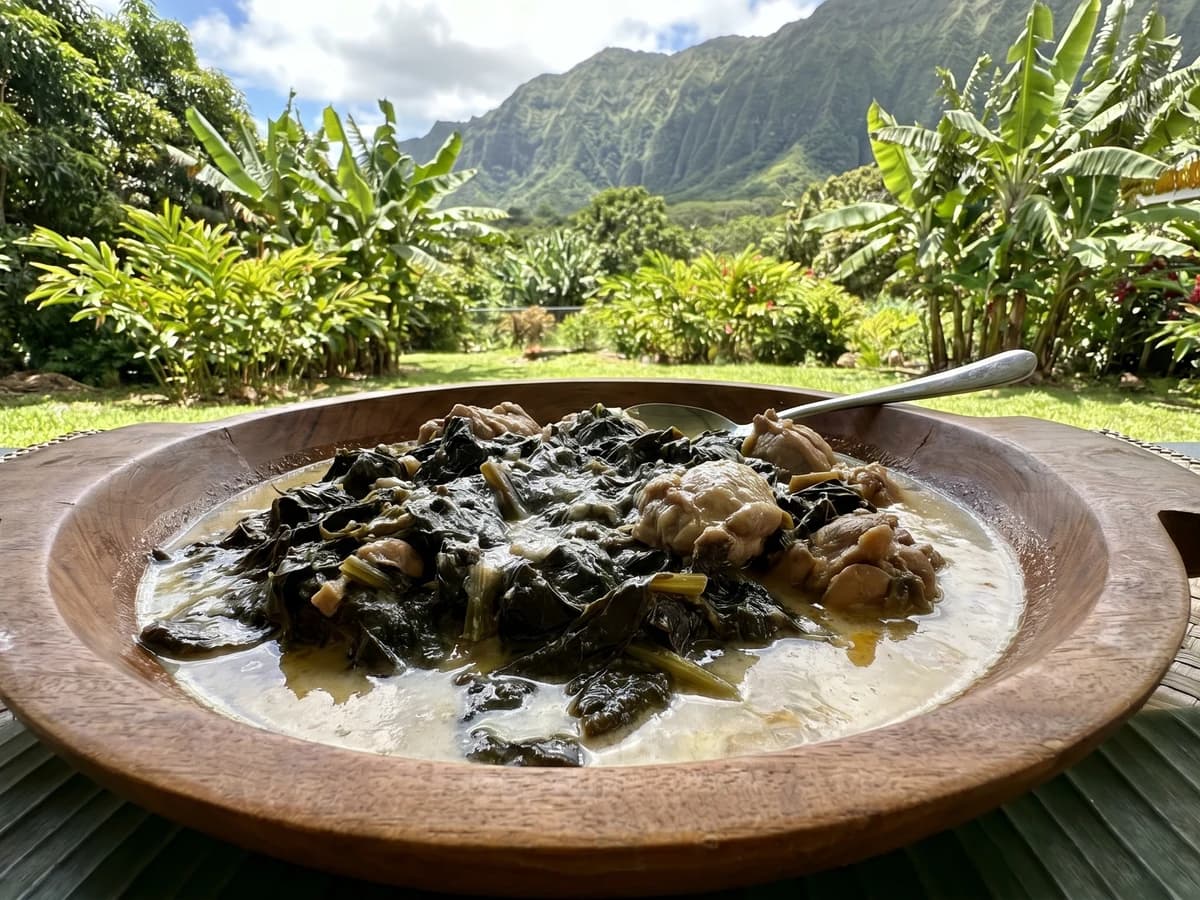
Hawaiian chicken lūʻau is kalo leaf cooked past its bite with tender chicken and coconut milk, a windward Oʻahu comfort pot with cousins in Sāmoa's palusami, Tonga's lū, and Cook Islands rukau.

Chef Makoa
A Hawaiʻi Local plate-lunch staple: tender seasoned beef patties smothered in onion brown gravy over two scoops rice, with mac salad alongside. The loco moco's plainspoken cousin, no egg needed.